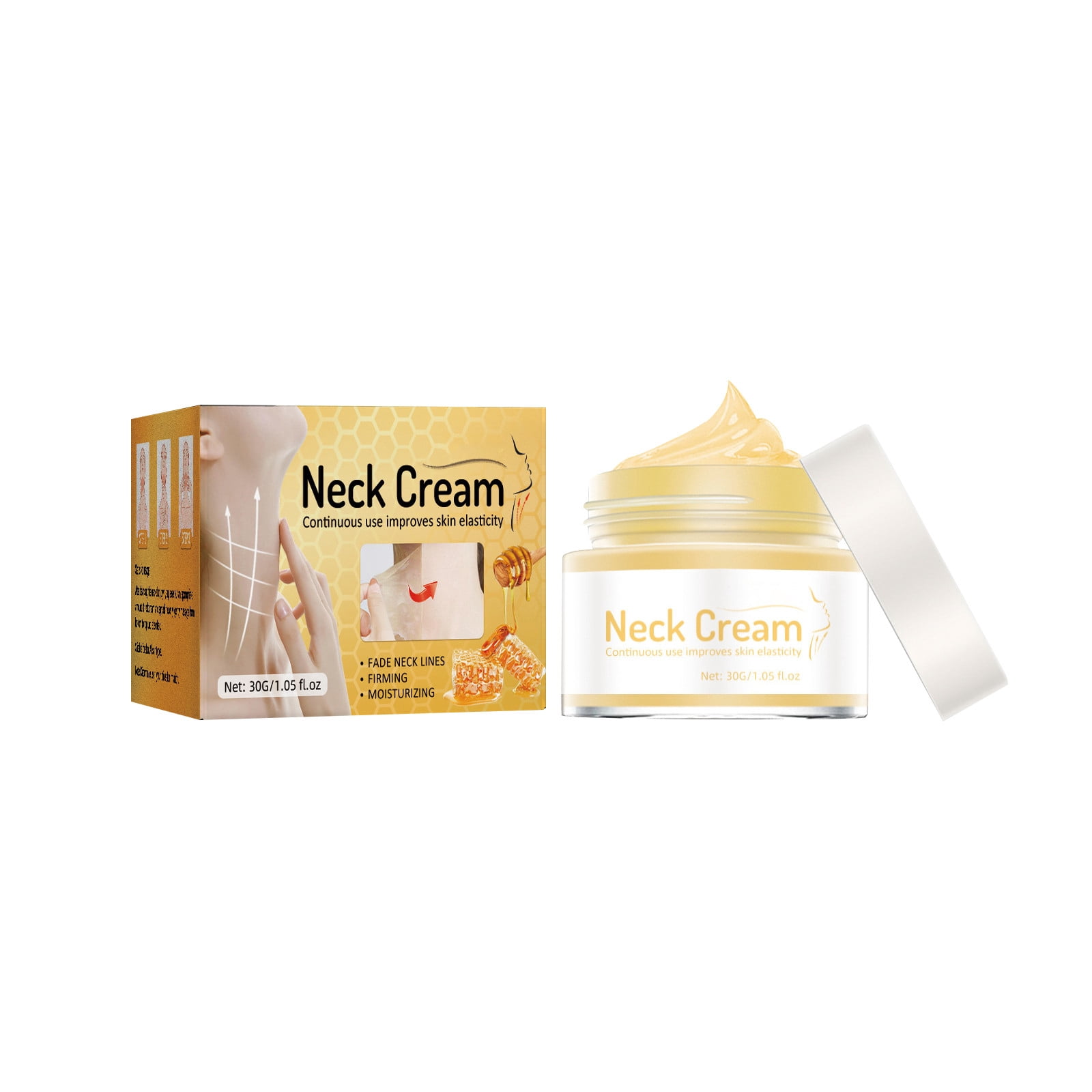
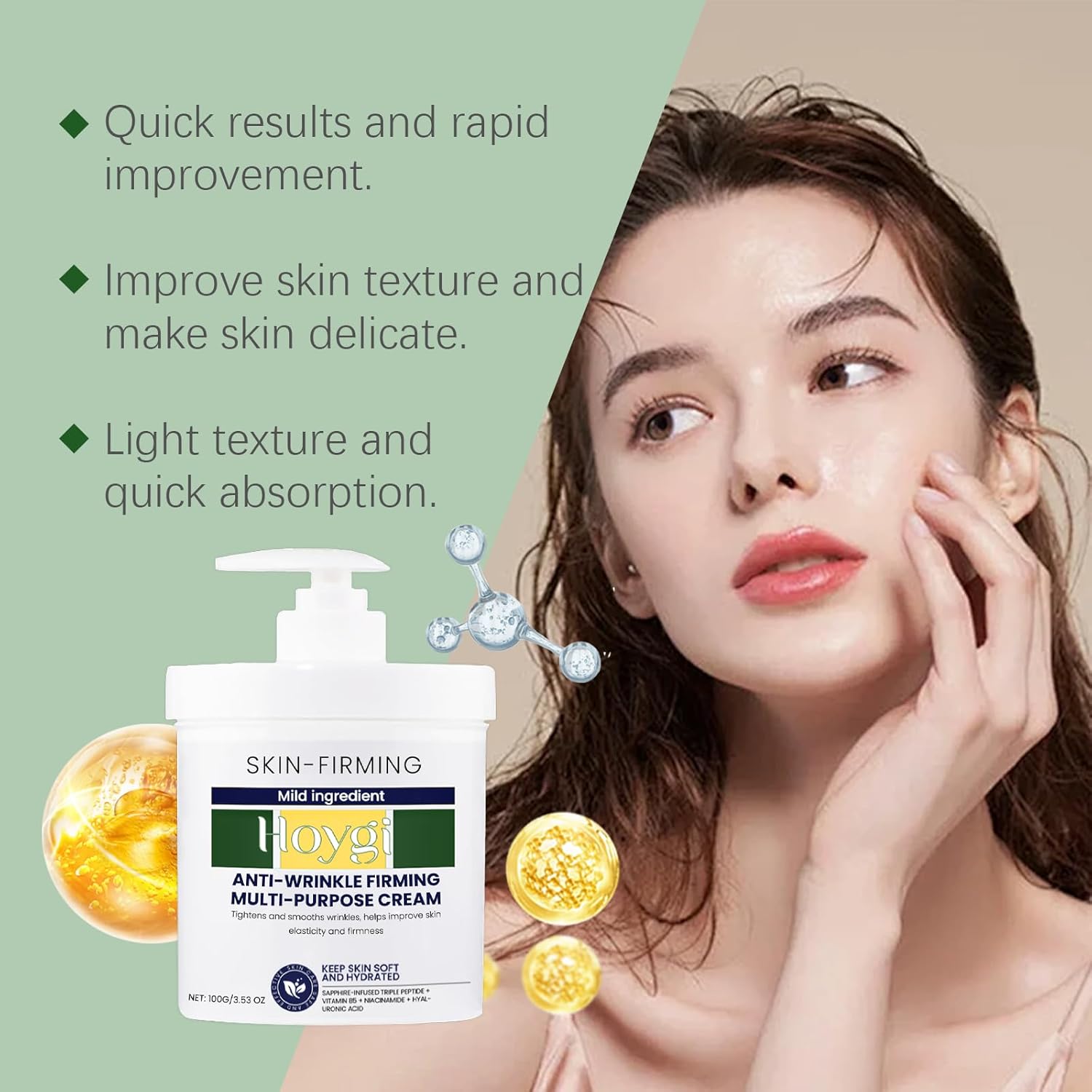
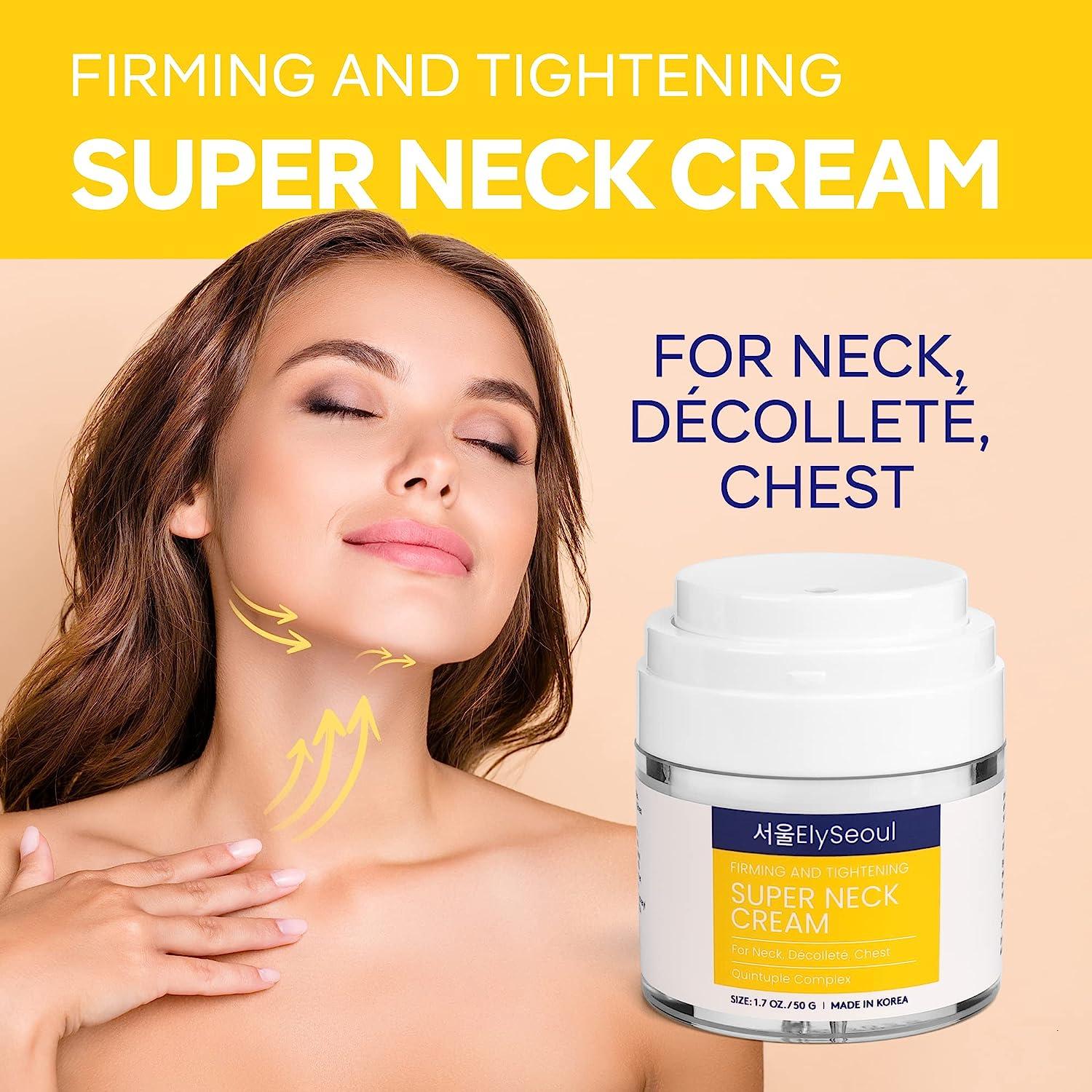
The market for skin firming and tightening creams is driven by rapid innovations in peptide technology, bio-identical retinoids, and expanding consumer demand across both facial and body-contouring segments. Leading beauty conglomerates and clinical cosmeceutical brands dominate the global market by leveraging clinical testing data, consumer perception surveys, and targeted marketing to capture distinct demographic cohorts.
Global Market Landscape: Scale, Valuation, and Growth Drivers
The global market for skin firming and tightening creams represents a significant and rapidly growing segment within the broader anti-aging and cosmeceutical industry. Valued in the tens of billions of dollars globally, this sector experiences continuous expansion driven by demographic aging, rising disposable income in emerging markets, and technological breakthroughs in topically applied active ingredients.
Skin tightening products occupy a unique intersection between preventative skincare and non-invasive cosmetic procedures. While traditional moisturizers focus primarily on epidermal hydration and barrier support, firming formulations specifically target dermal structural integrity. Key biological targets include boosting extracellular matrix (ECM) synthesis, stimulating collagen type I and III production, inhibiting matrix metalloproteinases (MMPs) that degrade elastin fibers, and enhancing dermal-epidermal junction (DEJ) cohesion.
- Surface Hydration
- Dermal Structural Matrix
- Collagen (Types I/III)
- Elastin & MMP Inhibition
- Improved Dermal-Epidermal Junction (DEJ)
Consumer interest in body-firming applications has surged alongside facial care, expanding the Total Addressable Market (TAM). Key growth catalysts include:
- Demographic Shifts: Aging populations across North America, Western Europe, and East Asia seeking non-surgical interventions for skin laxity.
- Preventative Skincare Trends: Younger consumer cohorts (Gen Z and Millennials) adopting early anti-aging routines focused on preserving skin elasticity.
- Weight Management Dynamics: Broader adoption of GLP-1 receptor agonist medications resulting in rapid body weight reduction, creating widespread demand for topical treatments addressing post-weight-loss skin laxity.
- Clinical Cosmeceuticals: A structural shift from traditional department-store cosmetic lines toward dermatologist-recommended, clinical-grade topical treatments backed by verified efficacy trials.
Industry Market Leaders: Conglomerates and Dominant Product Lines
The competitive matrix of skin firming and tightening creams is divided between legacy personal care conglomerates, premium prestige houses, and specialized clinical cosmeceutical manufacturers. Market concentration remains moderately high, with major multinational parent companies capturing substantial market share through extensive retail distribution channels, global R&D infrastructure, and strategic acquisitions.
- Global Skin Firming Market Structure
- Legacy & Mass Care (e.g., Olay)
- Prestige Luxury (e.g., La Mer, Clarins)
- Clinical & Cosmeceutical (e.g., SkinCeuticals)
1. L’Oréal Group
L’Oréal maintains a commanding market share across multiple price tiers. In the dermatological beauty segment, SkinCeuticals leads clinical sales with firming treatments such as A.G.E. Interrupter Advanced, which targets skin sagging caused by advanced glycation end-products (AGEs). In the consumer products sector, L’Oréal Paris Revitalift leverages accessible retinoid and pro-xylane technologies to capture mass-market volume.
2. Estée Lauder Companies
Estée Lauder dominates the prestige sector. Its flagship Estée Lauder Revitalizing Supreme+ line utilizes hibiscus morning bloom and moringa extracts to promote natural collagen synthesis. Within its ultra-luxury branch, La Mer commands high margins with its ferment-based Lifting and Firming Serum and Neck and Décolleté Concentrate, targeting high-net-worth consumers seeking visible elasticity improvement.
3. Beiersdorf AG
Beiersdorf captures both mass and luxury segments. Nivea remains a dominant global player in accessible body firming via its Q10 Plus Firming Body Lotion line. In the prestige clinical domain, Eucerin incorporates hyaluronic acid density enhancers, while La Prairie targets the ultra-high-end market with cellular complex formulations emphasizing dermal structure restoration.
4. Clarins Group
Clarins holds a market-leading position in target-specific body contouring and firming formulations. Utilizing plant-based active complexes—such as organic lemon thyme and green coffee extracts—products like Extra-Firming Jour and Body Fit cater to consumers prioritizing botanical origins backed by rigorous internal consumer testing metrics.
5. Procter & Gamble (P&G)
Through Olay, P&G commands significant market share in mass-market facial firming. The Olay Regenerist line, powered by amino-peptide complexes (specifically Palmitoyl Pentapeptide-4) and Niacinamide (Vitamin B3), delivers accessible collagen-support formulations across global drug and grocery retail networks.
Consumer Data and Purchasing Behavior Analysis
Market research and point-of-sale data reveal distinct purchasing patterns, decision drivers, and demographic distributions among consumers buying skin firming and tightening products.
Consumer Purchasing Priorities:
- Clinical Efficacy Proof (74%)
- Active Ingredient Concentration (68%)
- Dermatologist Recommendation (61%)
- Textural Preference & Absorption (52%)
Demographic Segmentation
- Ages 18–34 (Preventative Segment): Represents roughly 22% of market demand. Prioritizes lightweight gel-creams, preventative antioxidants, and sub-$40 price points. Driven heavily by social media discovery and ingredient-focused education.
- Ages 35–54 (Core Corrective Segment): Accounts for approximately 48% of total category revenue. Focuses on targeted facial zones (jawline, periocular area) and neck firming. Shows high willingness to pay for clinically proven formulations ($60–$150 range).
- Ages 55+ (Restorative Segment): Comprises 30% of market volume. Demonstrates high demand for rich, lipid-replenishing textures that address lipid loss, severe skin thinning, and sagging across both face and body.
Primary Purchasing Drivers
- Clinical Proof vs. Marketing Claims: Consumer panels indicate that 74% of buyers prioritize products displaying quantified clinical trial results (e.g., "proven to increase skin firmness by 28% in 8 weeks") over standard marketing language.
- Ingredient Transparency: 68% of purchasers actively check ingredient labels for recognized actives such as peptides, retinol, niacinamide, and hyaluronic acid before purchasing.
- Dermatologist Endorsements: Recommendation by board-certified dermatologists or medical aesthetic professionals serves as the primary trust factor for 61% of premium cosmeceutical buyers.
Active Ingredient Efficacy: Clinical Benchmarks vs. Consumer Perception
The performance of skin firming creams relies on the bio-activity of their constituent ingredients. Understanding the distinction between objective, instrument-measured clinical metrics and subjective consumer perception data is vital for evaluating market claims.
Key Active Ingredients and Biological Mechanisms
- Peptides (Signal & Remodeling Peptides): Synthetic amino acid chains like Palmitoyl Tripeptide-1, Palmitoyl Tetrapeptide-7, and Copper Tripeptide-1 signal fibroblasts to synthesize collagen and fibronectin. Clinical studies using cutometer evaluation demonstrate measurable elasticity improvements after 8 to 12 weeks of twice-daily application.
- Retinoids (Retinol, Retinaldehyde, Hydroxypinacolone Retinoate): Vitamin A derivatives remain the gold standard for dermal remodeling. They increase epidermal cell turnover and stimulate collagen gene expression. Objective clinical imaging (such as 3D surface topography mapping) confirms structural wrinkle depth reduction and firmness recovery over 16-to-24-week evaluation periods.
- Niacinamide (Vitamin B3): Enhances epidermal barrier integrity, stimulates ceramide synthesis, and improves microcirculation, providing structural support to matrix proteins.
- Hydroxyproline Derivatives and Pro-Xylane: C-glycoside molecules that stimulate the synthesis of glycosaminoglycans (GAGs), restoring volume and turgor pressure within the extracellular matrix to create a firmer appearance.
| Clinical Measurement (Objective) | Consumer Perception (Subjective) |
|---|---|
| • Cutometer suction strain elasticity | • Self-reported feeling of "tightness" |
| • 3D Optical Profilometry depth | • Perceived smoothness upon application |
| • Ultrasound dermal density scans | • Visual assessment under varied lighting |
Comparative Matrix of Market Leaders and Core Formulations
The table below outlines key market leaders, flagship firming formulations, primary active complexes, target demographic segments, and market positioning within the global sector.
| Parent Company | Brand & Product Line | Primary Active Ingredients | Primary Target Area & Segment | Market Positioning & Price Tier | Verified Clinical Focus |
|---|---|---|---|---|---|
| L'Oréal Group | SkinCeuticals A.G.E. Interrupter Advanced | 12.6% Concentrated Proxylane, Wild Fruit Flavonoid Extract, Glycyrrhetinic Acid | Face & Neck; Corrective anti-aging (35–65+) | Premium Clinical Cosmeceutical ($150+) | Glycation inhibition, collagen density restoration |
| Estée Lauder | Estée Lauder Revitalizing Supreme+ Youth Power Creme | Hibiscus Morning Bloom Extract, Moringa Extract, Acetyl Hexapeptide-8 | Face & Jawline; Preventative & Corrective (30–65) | Prestige Luxury ($90–$140) | Fibroblast stimulation, lifting & elasticity recovery |
| Beiersdorf AG | Nivea Q10 Plus Firming Body Lotion | Coenzyme Q10, Vitamin C, L-Carnitine | Full Body; Daily firming & hydration (25–55) | Mass Consumer Market ($10–$18) | Antioxidant protection, surface skin elasticity |
| Clarins Group | Clarins Extra-Firming Jour Cream | Kangaroo Flower Extract, Mitracarpus Extract, Organic Oat Sugars | Face & Neck; Age-targeted elasticity (40–60+) | Prestige Cosmetics ($90–$115) | Dermal spring mechanism reinforcement, instant tensioning |
| Procter & Gamble | Olay Regenerist Micro-Sculpting Cream | Palmitoyl Pentapeptide-4, Niacinamide (5%), Hyaluronic Acid | Face, Jawline, & Neck; Mass anti-aging (25–60) | Accessible Mass Market ($25–$40) | Cellular turnover, extracellular matrix hydration |
| Kenvue | RoC Retinol Correxion Max Daily Hydration Crème | Pure RoC Retinol, Mineral Complex, Hyaluronic Acid | Face & Decolletage; Target wrinkle & firmness repair | Mass-Prestige Clinical ($28–$42) | Accelerated cell turnover, deep dermal collagen support |
Market Disruptors: Non-Invasive Aesthetic Trends and GLP-1 Dynamics
The competitive dynamics of skin tightening creams are closely tied to broader developments in aesthetic medicine and pharmaceutical trends.
1. The GLP-1 Weight Loss Skincare Surge
The global adoption of GLP-1 receptor agonist medications (such as semaglutide and tirzepatide) has introduced a distinct market sub-segment. Rapid loss of subcutaneous adipose tissue frequently results in facial and body skin laxity, colloquially described in clinical dermatology as "facial volume loss" or post-bariatric skin laxity.
Formulators are responding by launching specialized lipid-replenishing, deep-firming creams engineered to support skin elasticity during accelerated weight loss. These products prioritize high concentrations of barrier lipids, biomimetic peptides, and tension-inducing polymers.
- Rapid Subcutaneous Adipose Reduction
- Increased Skin Laxity & Volume Loss
- Targeted Topical Firming Formulations (Lipid replenishment + Biomimetic peptides)
2. Synergistic Use with Energy-Based Aesthetic Devices
Consumers increasingly combine topical firming creams with office-based non-invasive treatments, such as:
- Microfocused Ultrasound (e.g., Ultherapy)
- Radiofrequency (RF) Microneedling
- Intense Pulsed Light (IPL) and Fractional Lasers
Cosmeceutical brands now formulate peri-procedural topical creams specifically designed to accelerate healing, reduce post-treatment erythema, and amplify device-induced neocollagenesis.
Regulatory Standards and Consumer Safety Verification
Regulatory compliance for skin firming creams varies significantly across international jurisdictions. Because these products are categorized as cosmetics in most regions, brands must strictly align marketing language with regulatory limits regarding structure-function claims.
United States (FDA Regulatory Framework)
Under the U.S. Food, Drug, and Cosmetic Act (FD&C Act), topical skin tightening products are regulated as cosmetics unless they claim to alter the physical structure of human tissue permanently or treat a disease state.
- Permitted Cosmetic Claims: "Improves the appearance of skin firmness," "temporarily tightens skin surface," "reduces visible sagging."
- Prohibited Drug Claims: "Rebuilds structural elastin permanently," "reverses muscle atrophy," "restores lost subcutaneous fat cells."
European Union (EC Regulation No 1223/2009)
The EU cosmetic regulatory framework mandates rigorous safety assessments (Cosmetic Product Safety Report - CPSR) prior to market placement. Furthermore, claim substantiation must conform to Commission Regulation (EU) No 655/2013, requiring that any performance claim (such as percentage increases in elasticity) be supported by verifiable, scientifically valid testing methodologies, such as independent clinical trials or sensory panel data under standardized protocols.
Strategic Decision-Making Framework for Consumers and Formulators
Evaluating market options requires a structured process based on ingredient efficacy, clinical evidence, and realistic expectations.
- Define Primary Target Area (Facial Contour vs. Body Laxity)
- Identify Verified Actives (Retinoids, Peptides, Proxylane, Niacinamide)
- Inspect Clinical Evidence (Instrumental Cutometer Data vs Self-Panels)
- Evaluate Formulating Base (Lipid-replenishing vs. Film-forming polymers)
Step 1: Define Target Area and Primary Skin Condition
Facial skin requires targeted active delivery systems capable of penetrating thinner epidermal layers without causing irritation, whereas body formulations require higher lipid concentrations and broader distribution capacity for larger surface areas.
Step 2: Verify Active Ingredient Concentrations and Synergies
Look for formulations combining signal peptides (to stimulate matrix proteins) with barrier-supporting ingredients (ceramides, niacinamide) and antioxidants. Ensure retinoid-based products utilize stabilized packaging (such as airless pump bottles) to prevent degradation from light and oxygen exposure.
Step 3: Review Clinical Trial Methodologies
Distinguish between subjective consumer perception surveys (e.g., "90% of women felt their skin looked tighter") and objective instrumental measurements (e.g., "statistically significant 24% increase in elastic recovery measured via Cutometer SEM 575"). Objective instrumental testing provides far higher predictive value for actual performance.
Step 4: Account for Real Expectations and Timelines
Topical skin firming products primarily improve epidermal hydration, micro-texture, and fine structural elasticity within the superficial dermis. Expect optimal visual outcomes between 8 and 16 weeks of consistent daily application. For severe structural laxity, topical creams serve as complementary maintenance alongside clinical aesthetic procedures rather than standalone replacements.
Frequently Asked Questions
Can topically applied skin firming creams replicate surgical neck lifts or radiofrequency procedures?
No, topical creams cannot replicate surgical or energy-based procedures. Topicals work within the epidermis and superficial dermis to improve hydration, stimulate superficial collagen production, and smooth micro-texture. Surgical lifts alter deeper structural tissues (such as the SMAS layer), while radiofrequency delivers thermal energy into the deep dermis to contract collagen fibers. Topicals serve best as preventative care, mild-to-moderate correctives, or post-procedure maintenance.
How long does it take to see measurable results from a clinical firming cream?
Immediate visual improvements—often observed within minutes to hours—result from temporary film-forming polymers and surface hydrating agents (such as hyaluronic acid). True structural remodeling driven by active ingredients like peptides, retinoids, or pro-xylane requires consistent daily application for 8 to 16 weeks, aligned with natural cellular turn-over and collagen synthesis cycles.
What is the difference between subjective consumer perception data and objective clinical testing?
Subjective consumer perception data relies on self-reported questionnaires evaluating perceived comfort, texture, and visual appearance. Objective clinical testing uses calibrated scientific instrumentation—such as cutometers to measure mechanical skin deformation and elasticity, or optical profilometry to map wrinkle depth—in controlled laboratory environments to deliver quantifiable, unbiased data.
Are body-firming creams formulated differently than facial firming creams?
Yes. Body skin is significantly thicker and contains fewer oil glands than facial skin. Consequently, body-firming creams feature richer emollient systems, higher lipid content, and specialized active complexes targeted at body concerns like cell-matrix tension and cellulite-associated skin dimpling. Facial creams prioritize lower comedogenicity, precise active delivery, and compatibility with sensitive facial skin areas.
What impact do weight loss medications like GLP-1 agonists have on the firming cream market?
Rapid weight loss induced by GLP-1 medications frequently leads to facial and body skin laxity due to swift subcutaneous fat depletion. This has driven rapid expansion in the firming cream market, specifically for formulations designed to restore skin barrier lipids, enhance skin density, and improve elastic rebound in post-weight-loss patients.
Implementation Checklist for Market Strategy and Product Evaluation
Whether evaluating products for retail, brand formulation, or personal selection, use this step-by-step checklist to ensure efficacy and compliance:
- Verify Core Actives: Ensure the formula contains scientifically validated collagen-supporting compounds (e.g., Retinoids, Matrixyl peptides, Proxylane, Niacinamide).
- Audit Clinical Evidence: Confirm that product efficacy claims are backed by objective instrumental measurements (Cutometer, Visia imaging) rather than relying solely on subjective consumer surveys.
- Inspect Packaging Integrity: Ensure light- and air-sensitive ingredients (like pure retinol or L-ascorbic acid) are housed in opaque, airless pump containers.
- Confirm Regulatory Compliance: Ensure all surface-tightening and firming claims conform to relevant cosmetic labeling guidelines (FDA, EU Regulation EC No 1223/2009).
- Assess Cost-to-Efficacy Ratio: Evaluate whether active concentrations justify the price point across mass, clinical cosmeceutical, or luxury tiers.