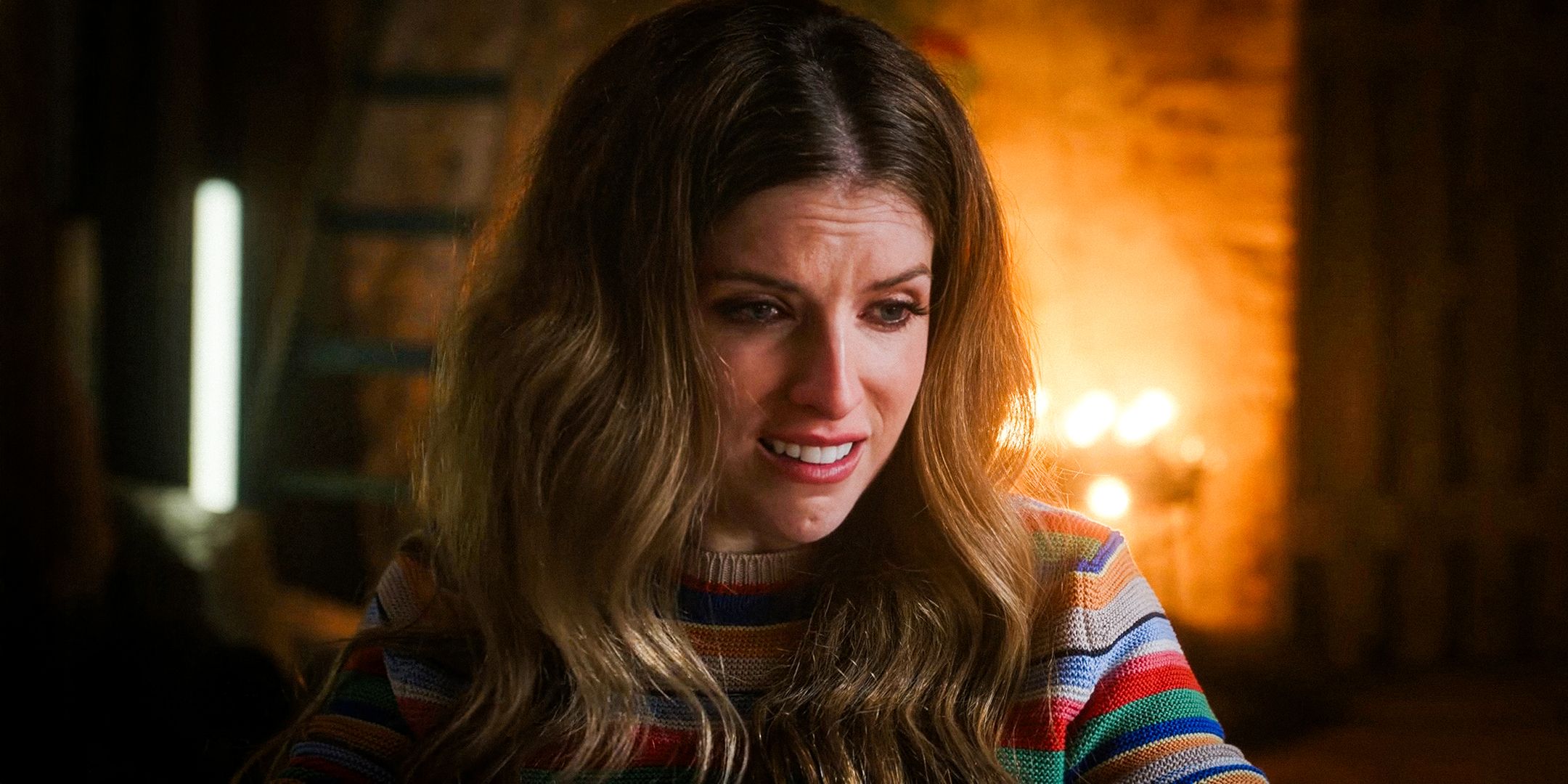
Paul Feig’s 2018 film A Simple Favor masterfully pivots from a suburban mommy-vlogger mystery into a complex, tonal thriller. The director’s approach to the narrative’s central deception involves meticulous visual storytelling and a deliberate shift in genre tropes, relying on the contrast between Stephanie Smothers’ performative innocence and Emily Nelson’s performative glamour to disguise the film’s darkest motivations.
The Genre Pivot: From Satire to Suspense
At the heart of the film’s success is director Paul Feig’s decision to embrace the "noir" aesthetic while maintaining a sharp, satirical edge regarding modern motherhood. Most domestic thrillers lean heavily into gritty realism, but Feig chose a heightened, almost stylized reality. This choice was essential to allow the "thrilling twist"—the revelation that Emily Nelson is not merely a missing woman but an elaborate architect of her own identity fraud—to land without feeling entirely out of place.
By establishing the film in a pristine, color-saturated Connecticut suburb, Feig weaponizes the audience’s expectations. The bright, high-key lighting, combined with the character of Stephanie (played by Anna Kendrick), makes the sudden introduction of dark, cold, and calculated deception feel like a jarring intrusion. The director’s unpacking of this transition reveals that the "simple favor"—picking up Emily’s son from school—is merely the catalyst that disrupts a carefully maintained facade.
The Architecture of the Twist
The primary question surrounding the film’s narrative arc is how the audience remains sympathetic to characters who are fundamentally manipulative. Feig notes in various production retrospectives that the key was the psychological game between Stephanie and Emily. The twist is not just a plot device; it is a character study.
When the body is "found" in the lake, the film transitions from a standard mystery of disappearance to an investigation of identity. The director emphasizes that the "thrill" comes from the realization that Stephanie, despite her naive exterior, is equally capable of the same moral ambiguity she criticizes in Emily. The twist is twofold: first, the discovery of Emily’s twin sister, Faith, and second, the realization that Emily was never the victim. By shifting the perspective, Feig forces the audience to re-examine every previous scene, looking for the tell-tale signs of the ruse that were hidden in plain sight.
Visual Language and Character Duality
One of the most effective technical tools used by the production team was the stark contrast in costume design and set dressing. Emily Nelson (Blake Lively) is almost exclusively defined by sharp, tailored suits, dark colors, and minimalist, high-end interiors. Conversely, Stephanie is presented in bright, patterns-heavy outfits, symbolizing her openness and desire to belong.
When the two characters begin to merge—Stephanie adopting more sophisticated tailoring and Emily shedding her high-fashion armor—the director subtly signals the erosion of their original identities. This visual progression serves as a non-verbal narrative device, preparing the audience for the eventual reveal. The camera work, which often keeps the characters at a slight distance in the early acts, begins to tighten its focus as the web of lies unravels, forcing the audience into the claustrophobic space of their shared secrets.
Comparative Dynamics of the Thriller Genre
To understand the efficacy of A Simple Favor, it is helpful to compare it to the traditional domestic noir archetypes that dominated the box office in the mid-2010s. Unlike many films that rely on a single "big reveal," A Simple Favor employs a cascading series of revelations.
| Feature | Conventional Domestic Noir | A Simple Favor |
|---|---|---|
| Primary Tone | Gritty, monochromatic | Saturated, high-fashion |
| Protagonist | Passive victim or investigator | Active, morally gray conspirator |
| The Twist | Singular, external reveal | Multi-layered, psychological |
| Resolution | Tragic or sobering | Satirical and empowered |
This table highlights how the director deviates from standard tropes. By choosing to lean into the absurdity of the plot—such as the elaborate backstory involving the twin—the film remains grounded in character development rather than purely sensationalist plot points.
Unpacking the Moral Ambiguity
A critical aspect of the film’s conclusion is that there is no traditional "hero." As the director has discussed in interviews, the beauty of the twist lies in the fact that both Stephanie and Emily win on their own terms. The "thrilling" element of the ending is not that justice is served in a legal sense, but that the power dynamic reaches a new, albeit fragile, equilibrium.
The director’s direction of the final sequences suggests that the mystery was never about finding the "truth" in a legal sense, but about the characters finding a space where their respective dysfunctions could coexist. By avoiding a moralizing conclusion, the film respects the audience's intelligence, allowing them to reconcile with the fact that they have been rooting for two highly deceptive individuals throughout the duration of the film.
Frequently Asked Questions
Why did the director choose to include the twin sister plot point?
The twin sister, Faith, serves as the structural foundation for Emily’s past. By introducing a physical manifestation of her trauma, the director provides a concrete explanation for Emily's behavior, which prevents the character from becoming a one-dimensional antagonist. It anchors the "thrilling twist" in a tangible history rather than abstract evil.
Is the twist in the movie identical to the book?
The film remains largely faithful to the source material’s major plot beats, but the director opted for a tone that leans further into dark comedy. While the mechanics of the twist—the faked death and the long-lost sister—are present in both, the film’s pacing is optimized for a more rapid, stylistic delivery of information to sustain the thriller momentum.
How does the music influence the perception of the twist?
The soundtrack, featuring a curated selection of French pop songs, creates a sense of whimsy that sits in direct opposition to the dark subject matter. This contrast is intentional; it keeps the audience off-balance, making the darker revelations feel more shocking by subverting the lighthearted tone established by the music.
What is the significance of the "Simple Favor" title in relation to the ending?
The title acts as an ironic framing device. The favor—picking up a child—is framed as a mundane, neighborly act. By the end of the film, this small, innocent action is revealed to be the lynchpin of a massive criminal conspiracy, perfectly encapsulating the theme that profound darkness can hide within the most trivial suburban interactions.
Does the film require multiple viewings to fully appreciate the twist?
Because the director layered subtle cues—such as glances, wardrobe changes, and specific dialogue choices—multiple viewings allow the audience to track the manipulation from the very first scene. The film is designed to be a "puzzle box" that changes meaning once the viewer knows the outcome.
Next Steps for Enthusiasts of the Genre
If the director’s approach to the twist in A Simple Favor resonates with you, explore the broader landscape of modern neo-noir. To further understand the construction of suspense, consider examining the works of directors who prioritize aesthetic control alongside narrative subversion. For viewers looking to deepen their appreciation, analyze the film’s screenplay alongside the original source material to identify which character motivations were amplified and which were condensed for visual impact.