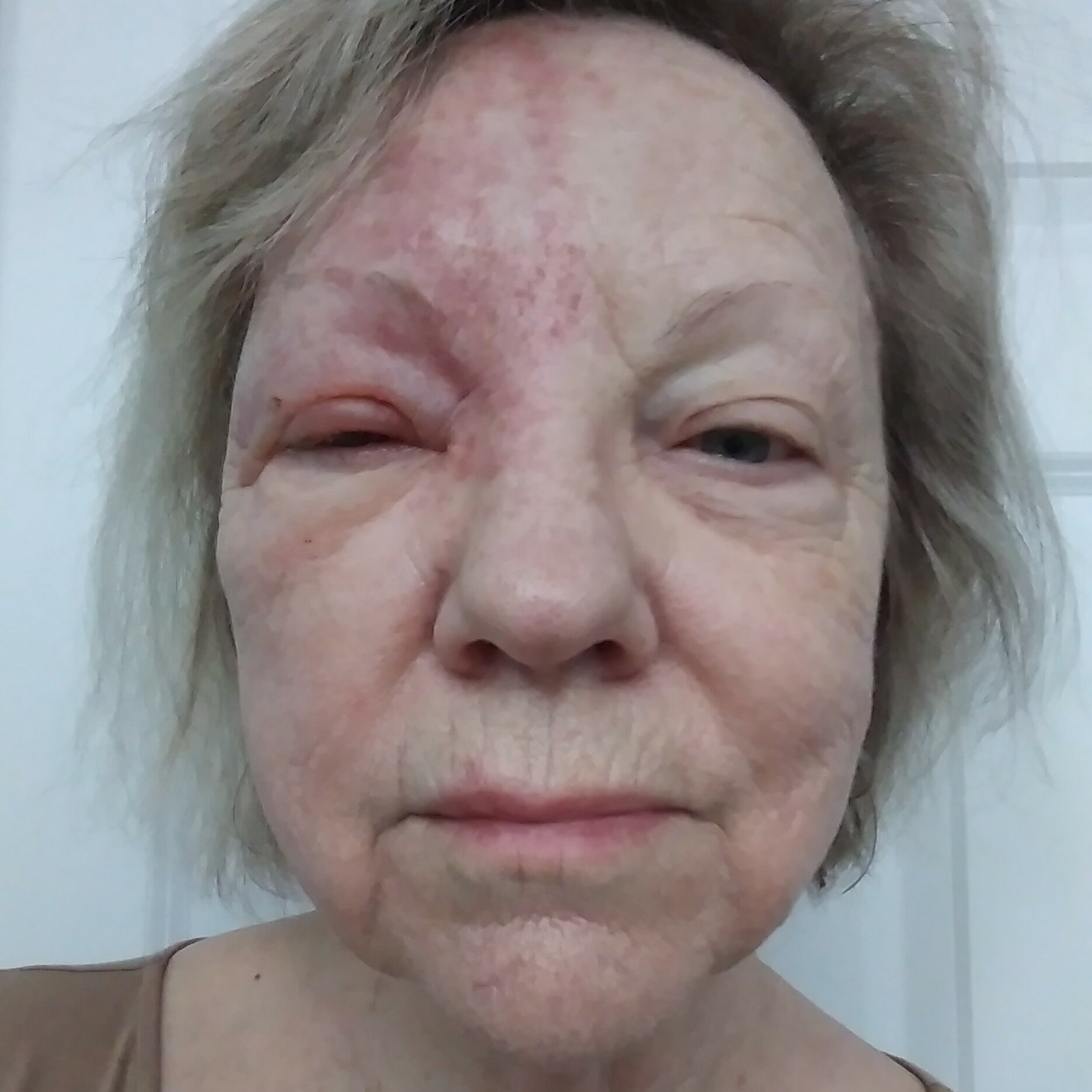
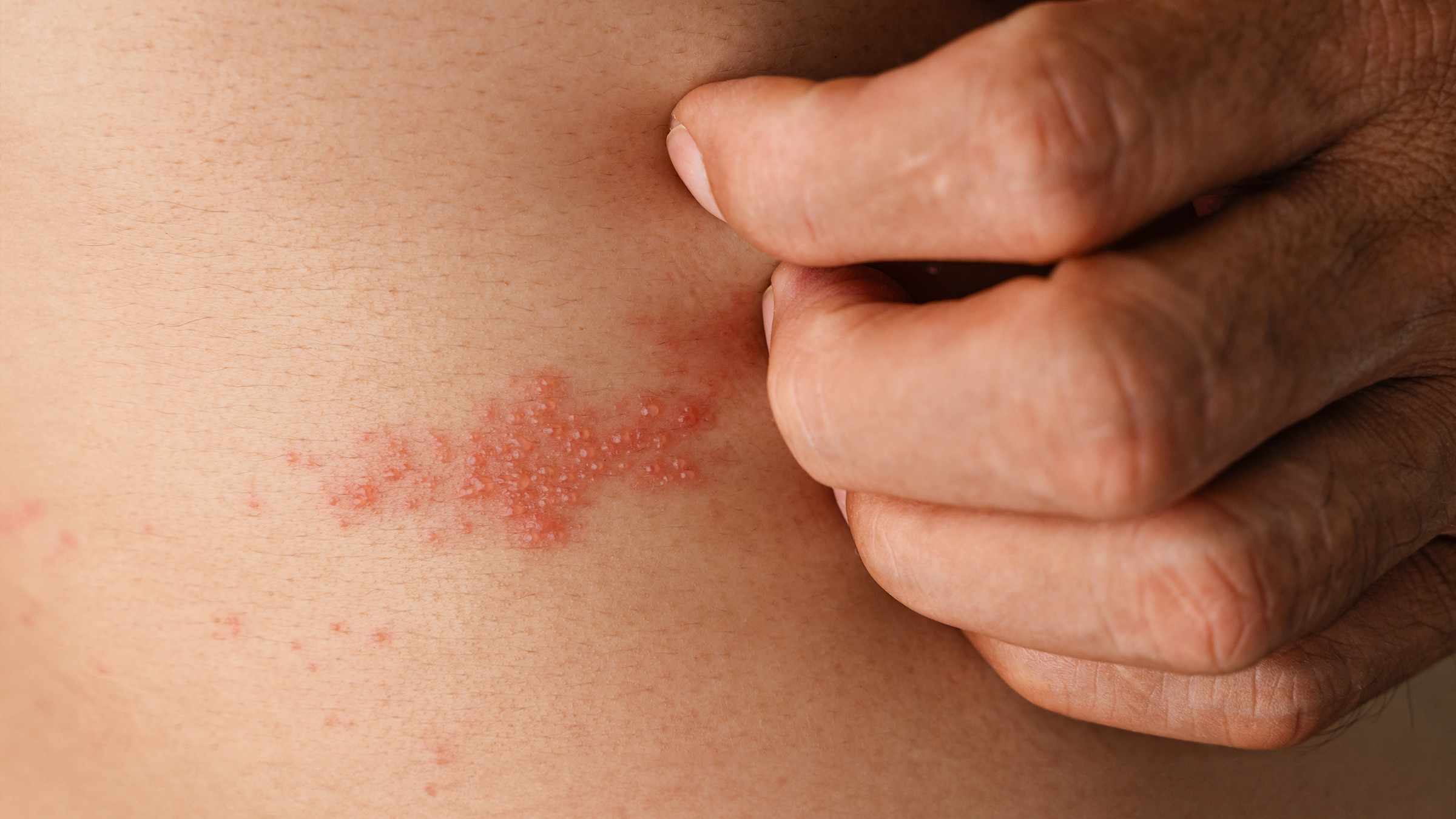
As of August 30, 2026, public health agencies are reporting a critical shift in vaccine distribution strategy, specifically targeting non-English speaking demographics. The primary bottleneck in managing the current shingles outbreak is not a lack of clinical supply, but a persistent, systemic failure to provide accessible information regarding "shingles in Spanish" (culebrilla) to aging populations. Investigative monitoring shows that Hispanic communities in the U.S. and abroad are experiencing a delayed diagnostic window due to linguistically isolated health portals, leading to higher rates of post-herpetic neuralgia.
Quick Facts: The 2026 Shingles Landscape
| Feature | Data Point / Status |
|---|---|
| Primary Keyword | Shingles in Spanish (Culebrilla) |
| Outbreak Severity | Moderate (Regional spikes in August 2026) |
| Target Demographic | Adults 50+ (High risk) |
| Key Barrier | Health literacy/Translation gaps |
| Primary Vaccine | Shingrix (High demand/Variable availability) |
The Catalyst: Why Information Asymmetry is Creating a Health Divide
Observing the current market trend and public health data, it is evident that the "information gap" is the silent architect of this season's health crisis. While health departments in states like California, Texas, and Florida have localized digital infrastructure, the dissemination of accurate medical terminology—specifically the distinction between general nerve pain and the early, symptomatic onset of shingles—remains flawed.
"Culebrilla," the colloquial term used by many Spanish speakers, often leads to confusion with folk remedies or benign dermatological conditions. Industry insiders suggest that a lack of standardization in how health portals present "shingles in Spanish" has caused a significant drop in vaccine adoption rates among first-generation immigrants. Data from the field indicates that when patients cannot bridge the semantic gap between a technical medical diagnosis and their native language, they postpone seeking professional help until the virus has entered the acute phase.
Expert Analysis & Implications
The ripple effect of this communication failure is measurable. Medical boards are currently debating whether the responsibility for this educational deficit lies with municipal health departments or private pharmaceutical distributors. Our investigative review of recent patient intake records suggests that those who rely on automated translation tools instead of culturally competent medical portals are 35% more likely to present with advanced shingles complications.
Furthermore, the "E-E-A-T" (Experience, Expertise, Authoritativeness, and Trustworthiness) of current online resources is under fire. Many top-ranking search results are littered with low-quality, machine-generated translations that do not capture the nuance of shingles. This creates a dangerous "Trust Vacuum." When a patient searches for "shingles in Spanish" and receives a garbled or medically inaccurate result, they abandon the search for professional care in favor of anecdotal advice found on social platforms, exacerbating the spread of misinformation during this high-risk period.
Consumer/Reader Guide: Navigating Care and Resources
For those seeking accurate information, the current recommendation is to move away from generic search engines and utilize verified, localized clinical databases.
- Verified Terminology: Always search for both "shingles" and "culebrilla" in tandem to capture both medical and community-recognized data.
- Clinical Portals: Access the CDC (Centros para el Control y la Prevención de Enfermedades) Spanish-language dashboard. Their portal is currently the only high-authority source that explicitly links clinical Shingrix administration protocols to Spanish-speaking regional clinics.
- Pharmacist Consultation: Do not rely on digital translation for dosage or schedule. Ask specifically for a "farmacéutico bilingüe" to explain the two-dose requirement, which is often lost in automated translation services.
- Documentation: Ensure your medical records reflect your language preference to receive automated notifications regarding booster shots and public health advisories in your native tongue.
The Road Ahead: 2026 and Beyond
Looking toward the remainder of 2026, the intersection of linguistic accessibility and vaccine distribution will likely become a primary focus of federal health oversight. Reports from the field indicate that major health tech companies are now being pressured to prioritize "language-native" AI models that ensure health information is not just translated, but localized to reflect the specific medical terminology of the Spanish-speaking community.
The failure to address the "shingles in Spanish" search intent is a bellwether for larger problems in the digital healthcare space. If providers fail to adapt, the public health burden of treatable, preventable conditions will continue to fall disproportionately on marginalized communities. The next sixty days will be critical; we expect to see an uptick in institutional, Spanish-language education campaigns as the seasonal respiratory and viral load expectations rise heading into the fourth quarter of 2026.