Shelley Duvall (1949–2024) was a seminal American actress, producer, and writer distinguished by her unconventional screen presence and visionary contributions to children’s media. As of 2026, she is remembered primarily for her intense portrayal of Wendy Torrance in Stanley Kubrick’s The Shining and her groundbreaking work as a producer on the award-winning series Faerie Tale Theatre.
The Discovery and the Altman Era (1970–1977)
Shelley Duvall’s entry into the film industry is one of Hollywood’s most famous "accidental" discoveries. In 1970, while working as a cosmetics salesperson in Houston, Texas, she was noticed by a group of scouts for director Robert Altman. Despite having no prior interest in acting, her unique, waif-like appearance and expressive features captivated Altman, who cast her in the dark comedy Brewster McCloud. This began a decade-long partnership that would define both of their careers.
Throughout the 1970s, Duvall became a staple of the "Altman Troupe," appearing in critical darlings such as McCabe & Mrs. Miller (1971), Thieves Like Us (1974), and the ensemble masterpiece Nashville (1975). Her performances were characterized by a naturalism that was rare in Hollywood at the time. She didn't "act" in the traditional sense; she seemed to inhabit the space with a vulnerable, eccentric authenticity.
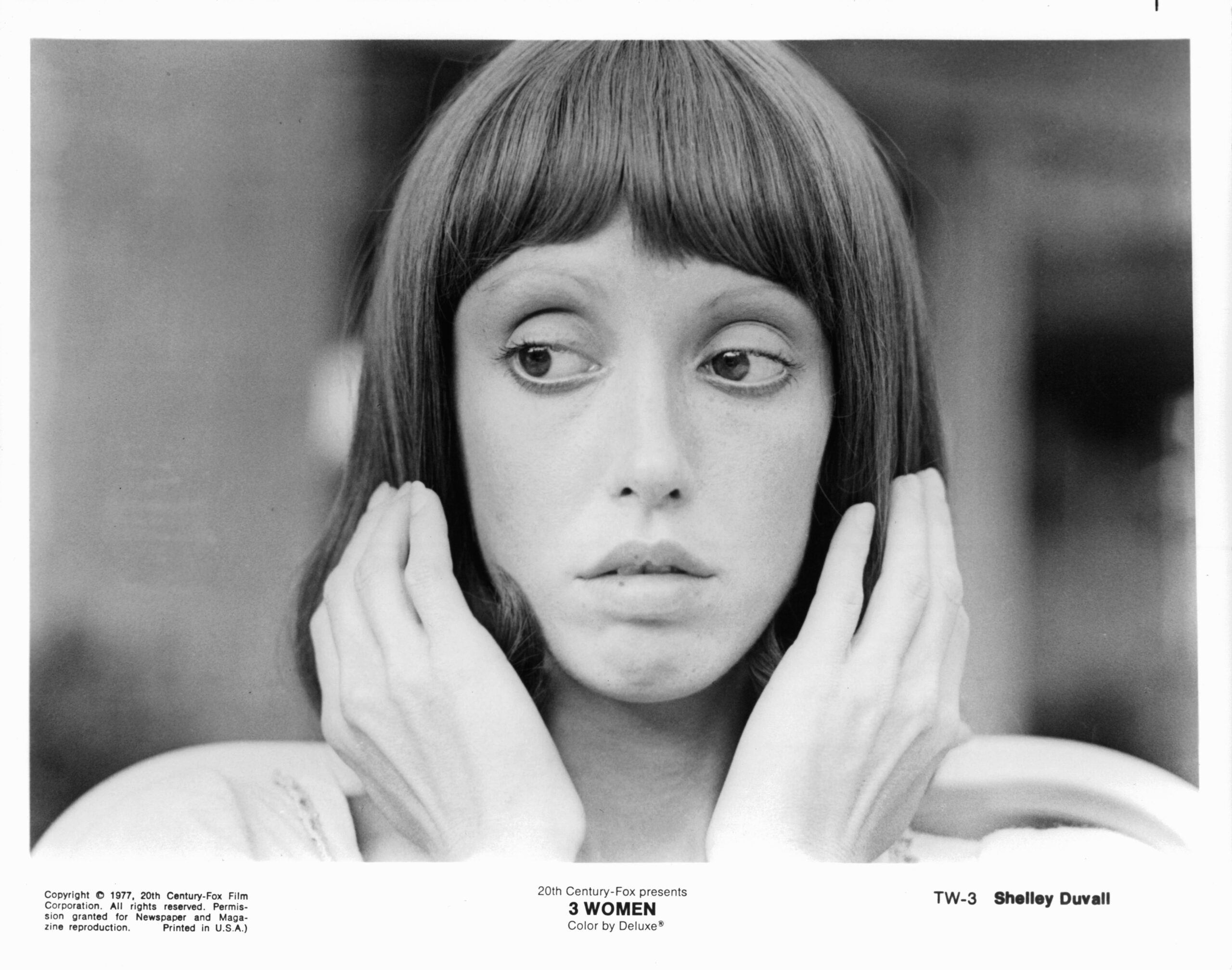
The pinnacle of this era was arguably her role as Millie Lammoreaux in the 1977 film 3 Women. Her performance as a lonely, self-obsessed spa worker earned her the Best Actress Award at the Cannes Film Festival and a BAFTA nomination. The film demonstrated her range, proving she could carry a complex psychological drama with nuance and depth. This period solidified her status as an "indie" icon before the term was even fully realized in the American lexicon.
The Peak of Fame: The Shining and Popeye
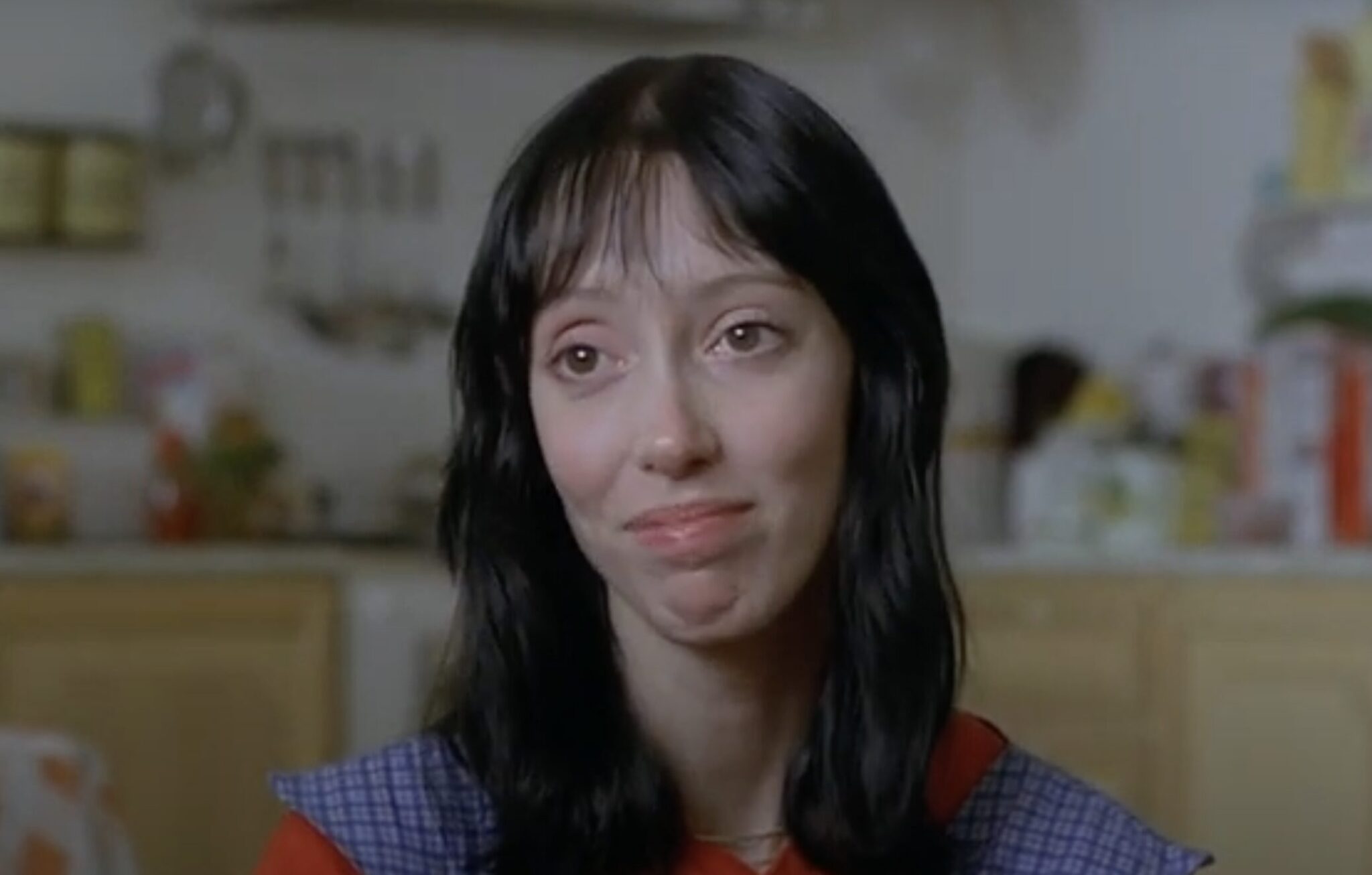
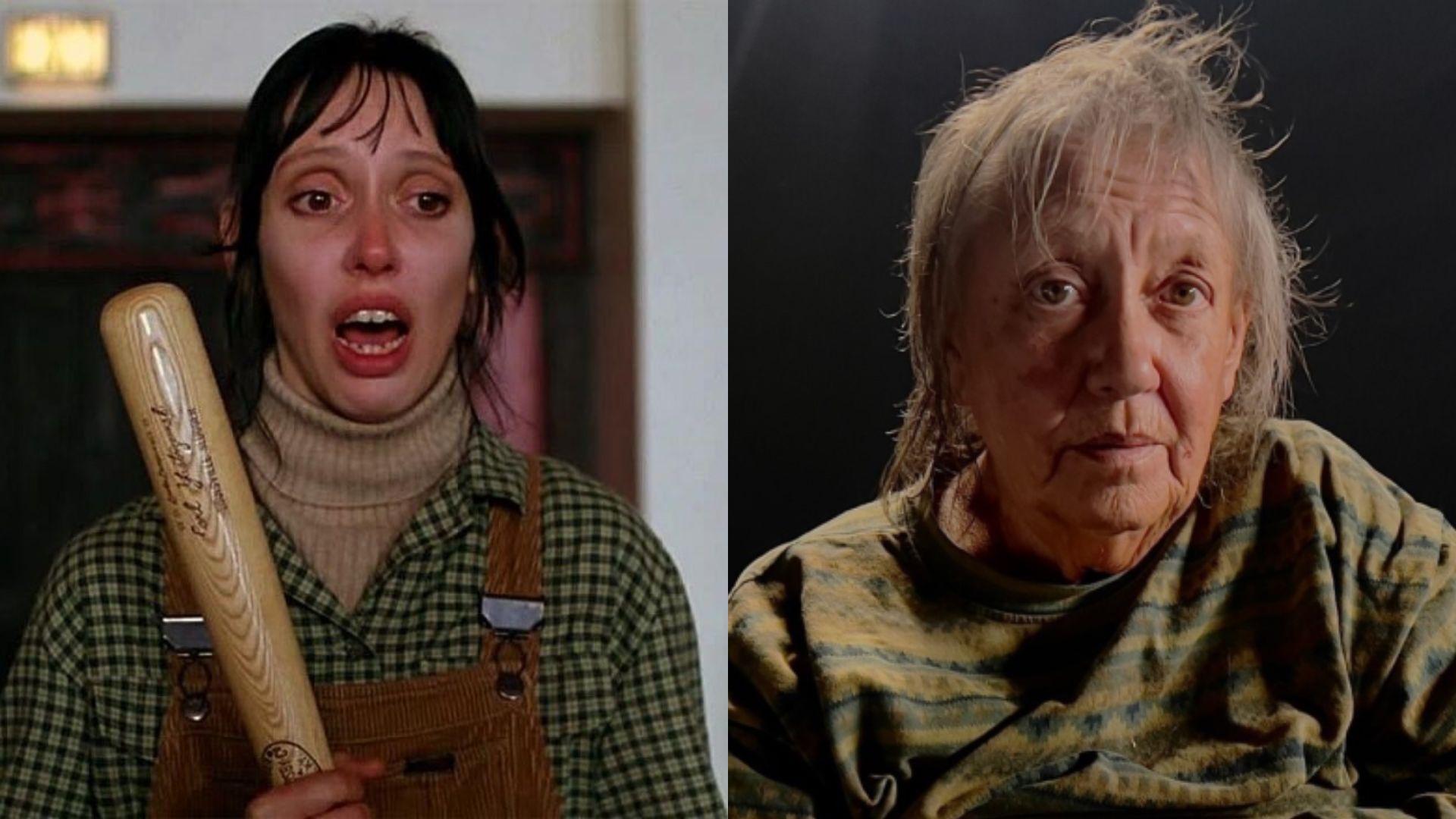
By 1980, Shelley Duvall was a household name, largely due to two diametrically opposed roles. The first was her portrayal of Wendy Torrance in Stanley Kubrick’s adaptation of Stephen King’s The Shining. The production is notorious for its grueling 13-month shoot, during which Kubrick famously pushed Duvall to her emotional and physical limits.
The "baseball bat scene" alone reportedly required 127 takes, a feat that earned Duvall a spot in the Guinness World Records. While contemporary critics were initially polarized by her performance, often finding her frantic energy off-putting, modern retrospective analysis has rehabilitated her work. In 2026, her portrayal of Wendy is widely cited by film historians as a masterclass in representing the psychological toll of domestic terror. Her vulnerability serves as the necessary grounded counterpoint to Jack Nicholson’s descent into madness.
In the same year, Duvall took on the role she was arguably born to play: Olive Oyl in Robert Altman’s live-action Popeye. While the film itself received mixed reviews upon release, Duvall’s performance was universally praised. She embodied the cartoon character with uncanny physical precision, proving her versatility by transitioning from a high-stakes horror production to a whimsical, stylized musical.
A Visionary Producer: Faerie Tale Theatre and Beyond
In the 1980s, Duvall pivoted her focus toward production, demonstrating a keen business sense and a desire to improve the quality of children's television. She founded her own production company, Platypus Productions, and pitched a concept for a high-quality anthology series based on classic folklore.
The result was Faerie Tale Theatre (1982–1987), which aired on Showtime. As an executive producer and occasional host/star, Duvall utilized her Hollywood connections to recruit top-tier talent. The series featured directors like Tim Burton and Francis Ford Coppola, and actors such as Robin Williams, Mick Jagger, and Liza Minnelli.
- Faerie Tale Theatre: 27 episodes adapting tales like The Frog Prince and Sleeping Beauty.
- Tall Tales & Legends: A follow-up series focusing on American folk heroes like Paul Bunyan and Casey at the Bat.
- Bedtime Stories: An animated series narrating children's books, which earned her an Emmy nomination.
Duvall’s work in this sector was revolutionary because it treated children’s media with the same artistic integrity as adult cinema. She refused to "dumb down" the content, ensuring that the sets, costumes, and scripts were of the highest caliber. For many Gen X and Millennial viewers, Duvall was the primary curator of their childhood imagination.
Performance Analysis and Key Filmography
Duvall’s career spanned over five decades, encompassing feature films, television, and voice work. Her filmography reveals a selective artist who prioritized interesting characters over mainstream commercial appeal.
| Year | Title | Role | Notable Achievement |
|---|---|---|---|
| 1970 | Brewster McCloud | Suzanne Davis | Film debut; discovered by Robert Altman. |
| 1975 | Nashville | L.A. Joan | Landmark ensemble performance in a Best Picture nominee. |
| 1977 | 3 Women | Millie Lammoreaux | Won Best Actress at the Cannes Film Festival. |
| 1977 | Annie Hall | Pam | Notable cameo in Woody Allen's Academy Award winner. |
| 1980 | The Shining | Wendy Torrance | Iconic horror role; subject of significant re-evaluation. |
| 1980 | Popeye | Olive Oyl | Critically acclaimed physical comedy performance. |
| 1981 | Time Bandits | Pansy | Collaboration with Terry Gilliam. |
| 1982 | Faerie Tale Theatre | Producer/Various | Peabody Award-winning children's television series. |
| 1987 | Roxanne | Dixie | Supporting role in a celebrated Steve Martin comedy. |
| 2023 | The Forest Hills | Mama | Final film role after a 20-year hiatus. |
Retirement, Reclusion, and Late-Career Resilience
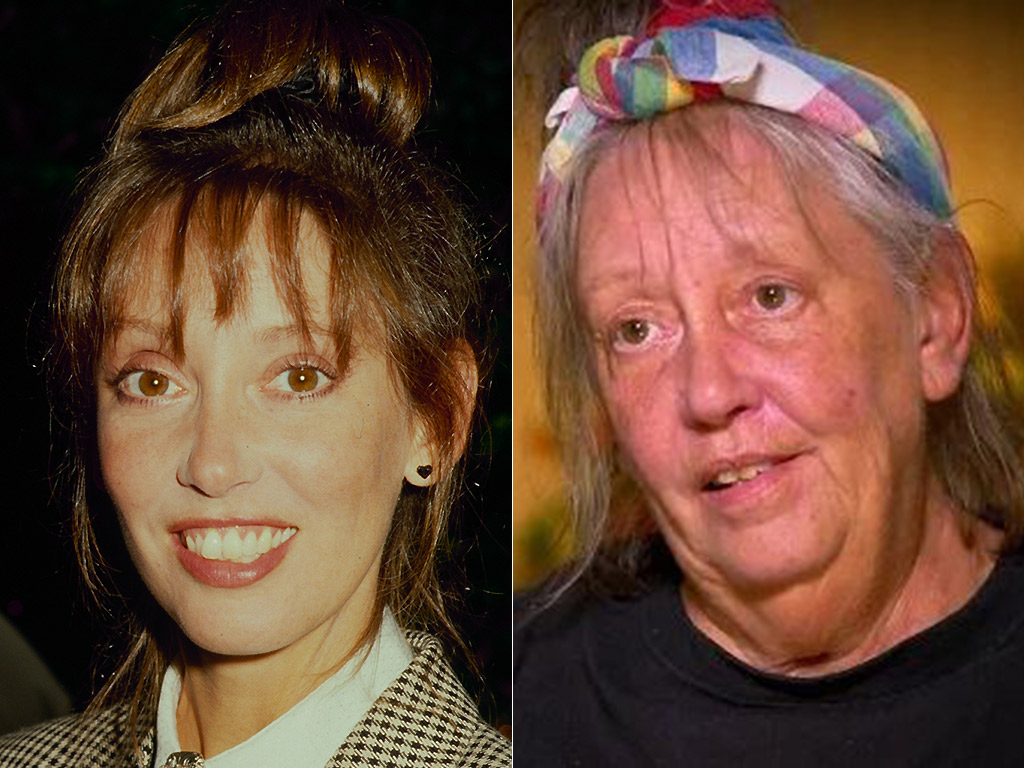
Following the Northridge earthquake in 1994, Duvall largely stepped back from the Hollywood limelight, eventually relocating to Blanco, Texas. For nearly two decades, she lived a private life, far removed from the industry that had once defined her.
In 2016, a controversial interview on the television program Dr. Phil brought Duvall back into the public eye. The segment, which focused on her mental health struggles, was widely condemned by fans, fellow actors, and the public as exploitative. Vivian Kubrick, daughter of Stanley Kubrick, famously called for a boycott of the episode, stating it was a betrayal of a woman who had given so much to the arts.
Despite these challenges, Duvall’s final years were marked by a return to her craft. In 2023, she made a brief but poignant return to the screen in the independent horror film The Forest Hills. Her participation was a testament to her enduring love for acting and served as a final bow for her fans. She passed away on July 11, 2024, due to complications from diabetes, leaving behind a legacy of uncompromising artistic integrity.
Analyzing Her Unique Style and Cultural Impact
What made Shelley Duvall such a distinctive figure in cinema was her refusal to conform. In an era dominated by standardized beauty, her "bird-like" frame and large, soulful eyes became her greatest assets. She occupied a space between a leading lady and a character actress, capable of anchoring a film while remaining delightfully unpredictable.
Her impact on the "indie" film movement cannot be overstated. By working so closely with Altman, she helped pioneer a style of improvised, naturalistic performance that would later influence directors like Paul Thomas Anderson and Wes Anderson. Her influence also extended into the fashion world, where her 1970s aesthetic—marked by vintage silhouettes and a certain "quirky" elegance—remains a reference point for designers and stylists in 2026.
Beyond her physical presence, her legacy as a producer showed that she was a multi-faceted creator. She understood the power of storytelling across different demographics, bridgeing the gap between high-art cinema and educational children’s programming.
Frequently Asked Questions
Why was Shelley Duvall's performance in The Shining controversial?
Initially, some critics found her performance overly hysterical and grating. This was exacerbated by rumors of the mental strain she endured under director Stanley Kubrick. However, modern audiences and critics now view her performance as an incredibly realistic portrayal of a woman in a state of prolonged trauma and survival, making her one of the most effective protagonists in horror history.
Did Shelley Duvall win an Oscar?
Despite several critically acclaimed performances, Shelley Duvall never won an Academy Award. Her most prestigious acting accolade was the Best Actress award at the Cannes Film Festival for 3 Women. She also received two Emmy nominations for her work in television production.
What happened to Shelley Duvall after she left Hollywood?
Duvall moved back to her home state of Texas in the mid-1990s. She faced various personal and health challenges, including mental health struggles and physical ailments. She lived a quiet life in the town of Blanco until her death in 2024, though she did return for one final film role in 2023.
Is Faerie Tale Theatre available to watch today?
Yes, the series has been preserved and is available on various streaming platforms and physical media. It remains highly regarded for its production value and is often used as a reference for how to adapt classic literature for children without losing the depth of the original stories.
How did Robert Altman discover Shelley Duvall?
Altman's crew met Duvall at a party in Houston while they were preparing to film Brewster McCloud. They were struck by her unique look and invited her to screen test. Despite having no interest in acting, she eventually agreed, leading to her decades-long career in the industry.
Preserving the Duvall Legacy: Next Actions for Fans
For those looking to explore or preserve the legacy of Shelley Duvall, several avenues provide a comprehensive understanding of her impact:
- Watch the "Altman Trilogy": To see her at her most uninhibited, view Brewster McCloud, Nashville, and 3 Women in sequence. These films showcase her evolution from a curious newcomer to a world-class actress.
- Explore Her Production Work: Beyond Faerie Tale Theatre, seek out her series Tall Tales & Legends. It provides a unique look at American history and folklore through her creative lens.
- Read Academic Re-evaluations: Many film journals and books on horror cinema (such as those by The British Film Institute) have published in-depth analyses of her work in The Shining, offering a deeper perspective on the "Wendy Torrance" archetype.
- Support Independent Film: Duvall was a champion of the independent spirit. Supporting small-scale, actor-driven projects is perhaps the best way to honor her contribution to the medium of film.