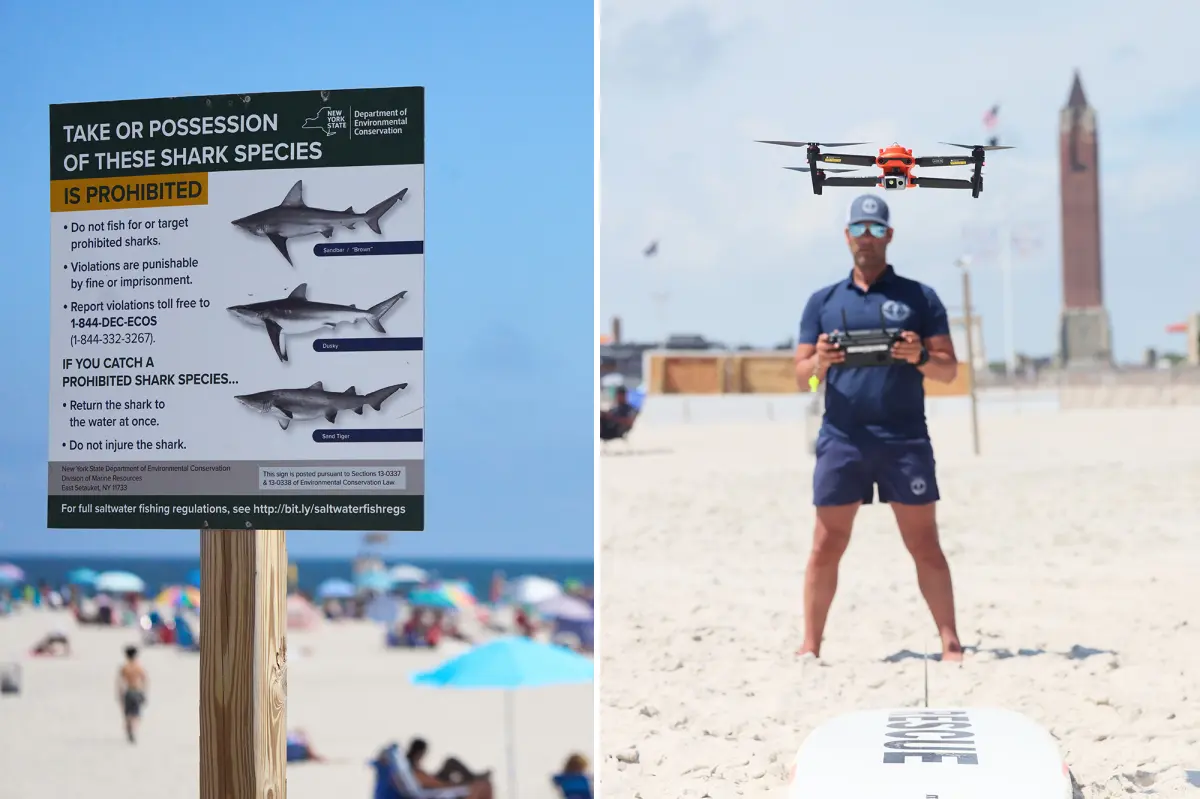
Treasure Island, Florida, maintains a remarkably low rate of unprovoked shark attacks compared to other regions in the state. While Pinellas County has recorded approximately 15 unprovoked bites since 1882, fatalities remain extremely rare. Safety in these waters depends on understanding local environmental triggers, such as baitfish migrations and the high-activity zone near John’s Pass.
Historical Data and Statistical Reality in Pinellas County
To understand the risk profile of Treasure Island, one must look at the broader context of Pinellas County and the State of Florida. Florida has long been documented by the International Shark Attack File (ISAF) as the leading jurisdiction for unprovoked shark bites globally. However, this title is largely driven by Volusia County on the Atlantic coast, where water turbidity and surf conditions create a "perfect storm" for mistaken-identity bites.
As of 2026, the historical data for Treasure Island specifically indicates that incidents are sporadic and usually involve minor "hit-and-run" bites. Unlike the Atlantic coast, the Gulf of Mexico waters surrounding Treasure Island are generally calmer and clearer, which allows sharks to better distinguish between human limbs and their natural prey. According to ISAF records, Pinellas County accounts for a small fraction of Florida's annual totals. For instance, in years where Florida might see 20 to 30 unprovoked bites, Pinellas County frequently reports zero or one.
The distinction between "provoked" and "unprovoked" attacks is critical for safety data. A provoked attack occurs when a human initiates contact, such as a fisherman attempting to remove a hook or a diver touching a shark. Unprovoked attacks—the primary concern for tourists and swimmers—occur in the shark's natural habitat without human provocation. On Treasure Island, the vast majority of concerns involve unprovoked encounters during high-activity ecological events, such as the annual mullet run.
Common Shark Species in Treasure Island Waters
The Gulf of Mexico is home to dozens of shark species, but only a handful are regularly encountered by beachgoers in the Treasure Island area. Understanding the biology and behavior of these species helps in assessing the actual risk level during a swim.
The Blacktip Shark (Carcharhinus limbatus)
The Blacktip shark is responsible for the majority of bites in Florida. These sharks are medium-sized and frequently inhabit the shallow surf zone. They are fast, energetic hunters that follow schools of baitfish. Most bites from Blacktips occur in murky water where the shark mistakes the flash of a hand or a foot for a struggling fish. These incidents are rarely life-threatening but often require medical attention for lacerations.
The Bull Shark (Carcharhinus leucas)
Bull sharks are perhaps the most significant concern for safety experts due to their aggressive nature and ability to tolerate varying salinities. In Treasure Island, Bull sharks are frequently found near John’s Pass and the Intracoastal Waterway. They are opportunistic feeders and are known to patrol the deeper channels where the current is strong. Because they are more robust and less timid than Blacktips, encounters with Bull sharks carry a higher risk of serious injury.
The Nurse Shark (Ginglymostoma cirratum)
Nurse sharks are the most common "bottom-dwelling" sharks seen by snorkelers and divers near Treasure Island. They are generally docile and spend much of their time resting on the sandy floor or under ledges. While they have powerful jaws designed for crushing shellfish, they rarely bite humans unless stepped on or harassed.
Great Hammerhead Shark (Sphyrna mokarran)
While Hammerheads are occasionally spotted in the deeper waters off the Gulf coast, they are naturally shy. Large Great Hammerheads are known to enter the passes (like John’s Pass) during the summer months to hunt for tarpon. Despite their intimidating size, they have a very low track record of aggression toward humans in the Treasure Island area.
Environmental Risk Factors and the "John’s Pass" Influence
Geography plays a massive role in shark activity. Treasure Island is a barrier island bounded by the Gulf of Mexico to the west and the Intracoastal Waterway to the east. The northern end of the island is defined by John’s Pass, a major tidal inlet that connects the Gulf to Boca Ciega Bay.
John’s Pass acts as a biological "conveyor belt." As the tide changes, massive volumes of water move through the pass, carrying nutrients, baitfish, and crustaceans. This attracts larger predators, including sharks. Safety data suggests that the density of sharks is significantly higher within 500 yards of the pass than it is along the central stretches of Treasure Island Beach. Swimmers and paddleboarders should be aware that the rushing water and concentrated food sources make the area around the pass a high-risk zone for predatory encounters.
The "Mullet Run" is another seasonal factor. Usually occurring in the fall, millions of striped mullet migrate south along the Florida coast. These massive schools of fish are followed closely by Blacktip and Spinner sharks. During this time, the water may appear to "boil" with activity. Swimming in the middle of a bait school during the mullet run is the single highest-risk activity for a beachgoer in Treasure Island.
Comparative Risk Assessment Table
The following table categorizes the typical shark-related risks encountered at Treasure Island based on species and environmental conditions.
| Factor | Risk Level | Primary Location | Safety Note |
|---|---|---|---|
| Blacktip Shark | Moderate | Shallow Surf / Shoreline | Avoid swimming near baitfish schools. |
| Bull Shark | High | John’s Pass / Deep Channels | Stay out of deep channels at dusk/dawn. |
| Nurse Shark | Low | Sea Floors / Near Piers | Do not attempt to touch or feed. |
| Mullet Run (Fall) | High | Entire Gulf Shoreline | High probability of "hit and run" bites. |
| Summer (Jun-Aug) | Moderate | Nearshore Waters | Increased shark presence for pupping season. |
| Clear Water | Very Low | General Beach Area | Sharks can easily distinguish humans from prey. |
Safety Protocols and Risk Mitigation for Swimmers
As of 2026, marine biologists and the Florida Fish and Wildlife Conservation Commission (FWC) emphasize that shark attacks are preventable through behavioral changes. By adhering to specific safety protocols, the statistical likelihood of an encounter drops to near zero.
- Avoid Crepuscular Hours: Sharks are most active during dawn and dusk. Their sensory systems, particularly their ability to detect movement and electrical impulses, give them a massive advantage over prey in low-light conditions. Swimmers should wait until the sun is high in the sky to enter the water.
- Remove Shiny Jewelry: To a shark, the reflection of sunlight off a silver watch or a gold necklace looks identical to the flash of fish scales. In the surf zone, this visual stimulus can trigger a predatory strike before the shark realizes the target is not a fish.
- Stay in Groups: Sharks are evolutionary programmed to target solitary individuals. Swimming in a group provides a visual deterrent and ensures that help is immediately available if a medical emergency occurs.
- Identify Baitfish Activity: If you see seabirds diving into the water or schools of small fish jumping, predators are likely nearby. On Treasure Island, "bait balls" are often visible from the shore; these areas should be avoided entirely.
- Avoid Sandbars and Steep Drop-offs: Sharks often cruise the "trough" between the shore and the first sandbar. This deeper water allows them to remain concealed while patrolling for food moving off the beach.
Understanding Shark Sensory Systems
To truly appreciate safety data, one must understand how sharks perceive humans. Sharks use a combination of smell (olfaction), sight, and the "lateral line" system, which detects pressure changes in the water. They also possess the Ampullae of Lorenzini, which are electroreceptors that can detect the tiny electrical fields generated by living muscle contractions.
In the clear waters often found in Treasure Island, a shark’s vision is its primary tool. However, when the Gulf becomes "churned up" after a storm or during high tide at John's Pass, the water becomes turbid. In these conditions, the shark relies more on its lateral line and electroreception. Splashing excessively or wearing high-contrast clothing (like bright neon swimwear) can create confusing signals that a shark might investigate with its mouth—a behavior known as "exploratory biting."
Frequently Asked Questions
Is it safe to swim in Treasure Island?
Yes, it is statistically very safe. The odds of being involved in a shark attack are less than 1 in several million. On Treasure Island, you are significantly more likely to be injured by a stingray or a lightning strike than by a shark. To avoid stingrays, the "Stingray Shuffle"—sliding your feet along the sand rather than lifting them—is the standard local precaution.
Are there Great White sharks in Treasure Island?
Great White sharks do inhabit the Gulf of Mexico, but they are typically found far offshore in deeper, cooler waters during the winter months. Sightings near the beaches of Treasure Island are incredibly rare and generally involve individuals migrating through deeper channels well away from swimmers.
Does Treasure Island use shark nets or drum lines?
No, Treasure Island does not use shark nets or lethal drum lines. Florida emphasizes conservation and education over culling. Shark nets are often criticized by environmental groups like NOAA because they indiscriminately kill turtles, dolphins, and non-target species without significantly reducing the risk of shark bites.
What should I do if I see a shark while swimming?
If you spot a shark, remain calm and move slowly toward the shore. Avoid thrashing or splashing, as this mimics the vibrations of a wounded animal. Keep your eyes on the shark as much as possible; most sharks are ambush predators and are less likely to approach if they know they have been spotted.
Are shark bites more common near the Sunset Beach area?
Sunset Beach, located at the southern tip of Treasure Island near Blind Pass, has slightly higher activity than the central beach due to its proximity to the pass. Similar to John’s Pass, the moving water at Blind Pass attracts fish and predators. Swimmers should exercise the same caution here as they would at any tidal inlet.
Practical Recommendations for Beachgoers
For those visiting Treasure Island in 2026, the best approach to shark safety is informed awareness rather than fear. Always check the local beach conditions and look for purple flags, which indicate the presence of "hazardous marine life." While these flags are often flown for jellyfish or stingrays, they serve as a general reminder to be cautious.
If you are fishing from the shore, be mindful of where you discard bait and fish remains. Discarding organic material into the surf can attract sharks directly to the area where others are swimming. For the highest level of safety, choose to swim in areas monitored by lifeguards, as they are trained to spot shark fins and bait activity from their elevated stands. By respecting the natural environment and the predators that inhabit it, you can enjoy the pristine waters of Treasure Island with minimal risk.