September 17 marks the anniversary of the signing of the U.S. Constitution in 1787. In the United States, this date is officially recognized as Constitution Day and Citizenship Day, a federal observance dedicated to the framework of the American government and the rights and responsibilities of its citizens.
The Historical Drafting of the Constitution (1787)
The significance of September 17 is rooted in the events of the late 18th century in Philadelphia, Pennsylvania. After the American Revolutionary War, the newly formed United States operated under the Articles of Confederation, which many leaders found insufficient for a functional national government. The Articles lacked the power to tax, regulate interstate commerce, or maintain a unified foreign policy, leading to economic instability and domestic unrest, such as Shays' Rebellion.
In May 1787, delegates from twelve of the thirteen states (Rhode Island declined to attend) gathered at the Pennsylvania State House, now known as Independence Hall. The original goal was to amend the Articles of Confederation, but the delegates quickly pivoted toward creating an entirely new system of government. This "Grand Convention" lasted through a grueling, humid summer, during which the delegates engaged in intense debates regarding the balance of power between large and small states, the role of the executive branch, and the institution of slavery.
The culmination of these efforts occurred on September 17, 1787. On this day, 39 of the 42 delegates present signed the final document. Notable signers included George Washington, Benjamin Franklin, James Madison, and Alexander Hamilton. Those who refused to sign, such as George Mason and Elbridge Gerry, did so primarily because the document lacked a Bill of Rights—a set of protections for individual liberties that would eventually be added in 1791. The signing did not immediately make the Constitution the "Law of the Land"; it instead triggered the ratification process, requiring nine of the thirteen states to approve the document through state-level conventions.
Legal Recognition: Constitution Day and Citizenship Day
While the historical event occurred in 1787, its formal recognition as a specific federal holiday evolved over two centuries. Initially, various states celebrated "Constitution Day" on an ad hoc basis. In 1940, Congress passed a joint resolution designating the third Sunday in May as "I Am An American Day." This was largely a response to the growing global tensions of World War II and a desire to foster national unity and celebrate the privileges of American citizenship.
The shift to the September date occurred in 1952 when Congress moved the "I Am An American Day" observance to September 17 and renamed it "Citizenship Day." This change sought to align the celebration of citizenship with the anniversary of the Constitution's signing. The modern iteration of the holiday was established in 2004 through an amendment to the Omnibus Spending Bill, championed by Senator Robert Byrd. This legislation officially designated the day as Constitution Day and Citizenship Day.
Under 36 U.S.C. § 106, the President of the United States is authorized to issue an annual proclamation calling on government officials to display the flag on all government buildings and inviting the people of the United States to observe the day with appropriate ceremonies. Furthermore, the 2004 law introduced a unique mandate: any educational institution receiving federal funds (including K-12 schools and universities) must provide an educational program about the U.S. Constitution on or around September 17.
Key Principles Established on September 17
The document signed on this date established several fundamental legal concepts that continue to govern American life in 2026. Understanding these principles is essential for any citizen or resident participating in the day's observances.
Separation of Powers and Checks and Balances
The Constitution divided the federal government into three distinct branches: the Legislative (Article I), the Executive (Article II), and the Judicial (Article III). This structure was designed to ensure that no single person or group could accumulate absolute power. Each branch has specific powers that "check" the others—for example, the President can veto legislation, but Congress can override that veto with a two-thirds majority.
Federalism
Federalism is the division of power between the national government and the state governments. The Constitution explicitly lists the powers of the federal government (enumerated powers), such as coining money and declaring war, while the Tenth Amendment (later added) clarifies that powers not delegated to the federal government are reserved for the states or the people.
Popular Sovereignty
The opening words of the Preamble, "We the People," encapsulate the concept of popular sovereignty. It signifies that the government's authority is derived from the consent of the governed. On September 17, the signers were not just creating a contract between states, but a foundational document for a nation governed by its inhabitants.
Global Historical Milestones on September 17
While Constitution Day is the primary focus in the United States, "Sep 17" holds significant weight in international history and military records. This date has frequently served as a turning point in global conflicts and diplomatic relations.
| Year | Event | Significance |
|---|---|---|
| 1787 | U.S. Constitution Signed | Created the framework for the world's oldest active written constitution. |
| 1862 | Battle of Antietam | The bloodiest single-day battle in American history during the Civil War. |
| 1939 | Soviet Invasion of Poland | A critical escalation of World War II following the Nazi invasion on Sept 1. |
| 1944 | Operation Market Garden | The launch of the largest airborne operation in history during World War II. |
| 1978 | Camp David Accords | The signing of a peace framework between Egypt and Israel. |
| 1980 | Solidarity Union Formed | The founding of the first independent trade union in a Soviet-bloc country (Poland). |
The Battle of Antietam (1862)
Occurring exactly 75 years after the signing of the Constitution, the Battle of Antietam near Sharpsburg, Maryland, resulted in over 22,000 casualties in a single day. While tactically a draw, the Union's strategic victory gave President Abraham Lincoln the political capital needed to issue the Preliminary Emancipation Proclamation. This shifted the purpose of the Civil War from merely preserving the Union to actively ending slavery, thereby moving the nation closer to the "more perfect Union" envisioned by the Constitution's signers.
The Soviet Invasion of Poland (1939)
On September 17, 1939, Soviet forces invaded Poland from the east, sixteen days after Nazi Germany had invaded from the west. This coordinated action was the result of the secret protocols in the Molotov-Ribbentrop Pact. The date remains a somber anniversary in Eastern Europe, marking the beginning of decades of foreign occupation and the systemic destruction of Polish sovereignty.
Technical Context: SEP-17 (Stellar Ecosystem Proposal)
In the niche of blockchain technology and decentralized finance (DeFi), "SEP 17" refers to a specific technical standard within the Stellar network. Known as Stellar Ecosystem Proposal 17, this document defines the "Currency Symbols and Decimals" standards for assets issued on the Stellar blockchain.
The purpose of SEP-17 is to ensure interoperability between different wallets, exchanges, and financial applications. Because anyone can issue an asset on a decentralized network, there is a risk of naming collisions or confusing decimal counts (e.g., one application treating a token as having 2 decimals while another treats it as 7).
Key Technical Aspects of SEP-17:
- Symbol Standardization: It provides guidelines for using ISO 4217 currency codes (like USD, EUR, or JPY) for fiat-backed stablecoins.
- Precision: It dictates how decimals should be handled to ensure that value transfers are precise across different user interfaces.
- Metadata Integration: It encourages the use of
stellar.tomlfiles to store asset metadata, allowing developers to verify the authenticity of a "SEP 17" compliant asset.
While distinct from the historical date, this technical interpretation is the primary search intent for developers and cryptocurrency investors who use "SEP 17" as shorthand for protocol documentation.
Educational Requirements and Compliance for 2026
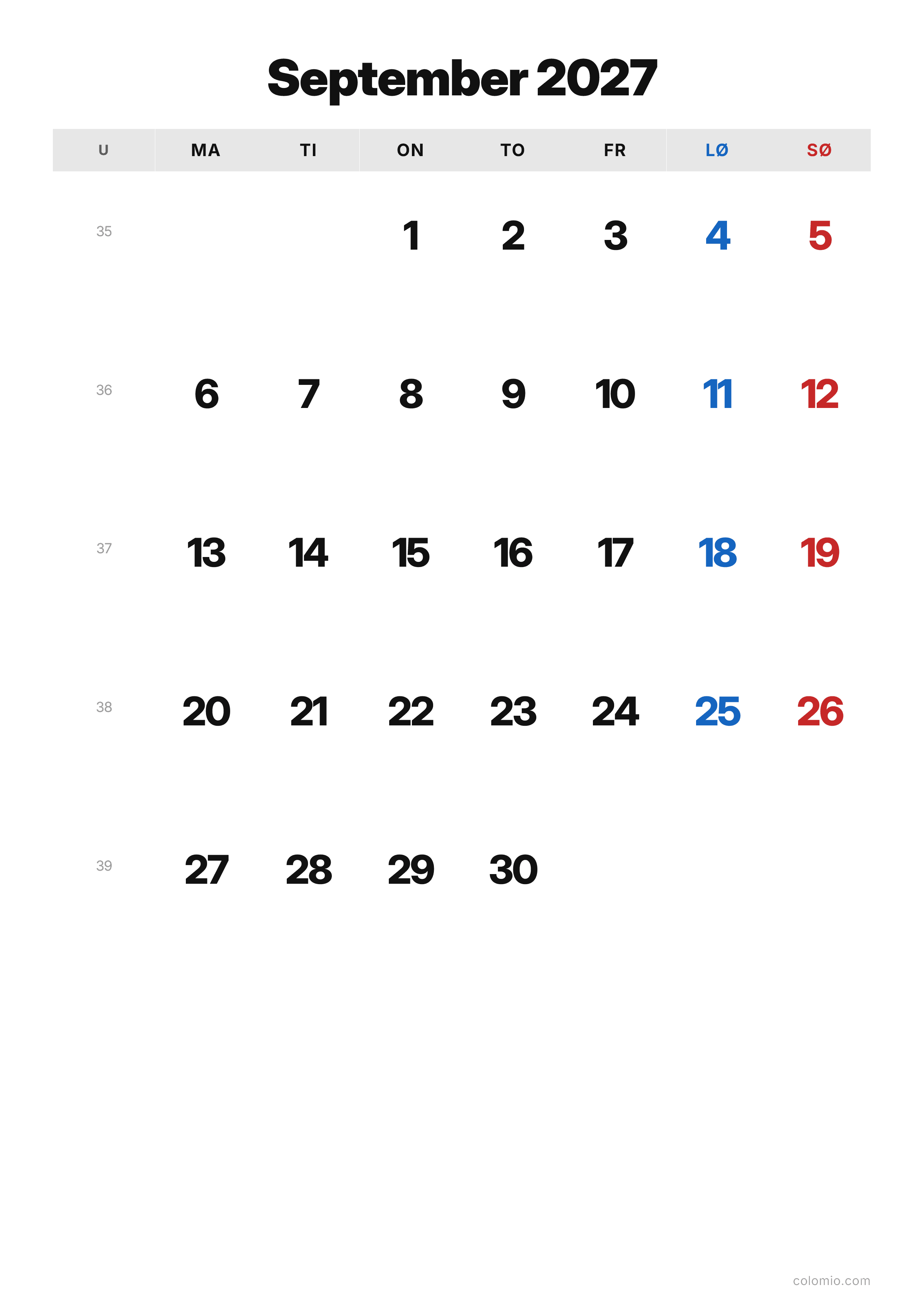
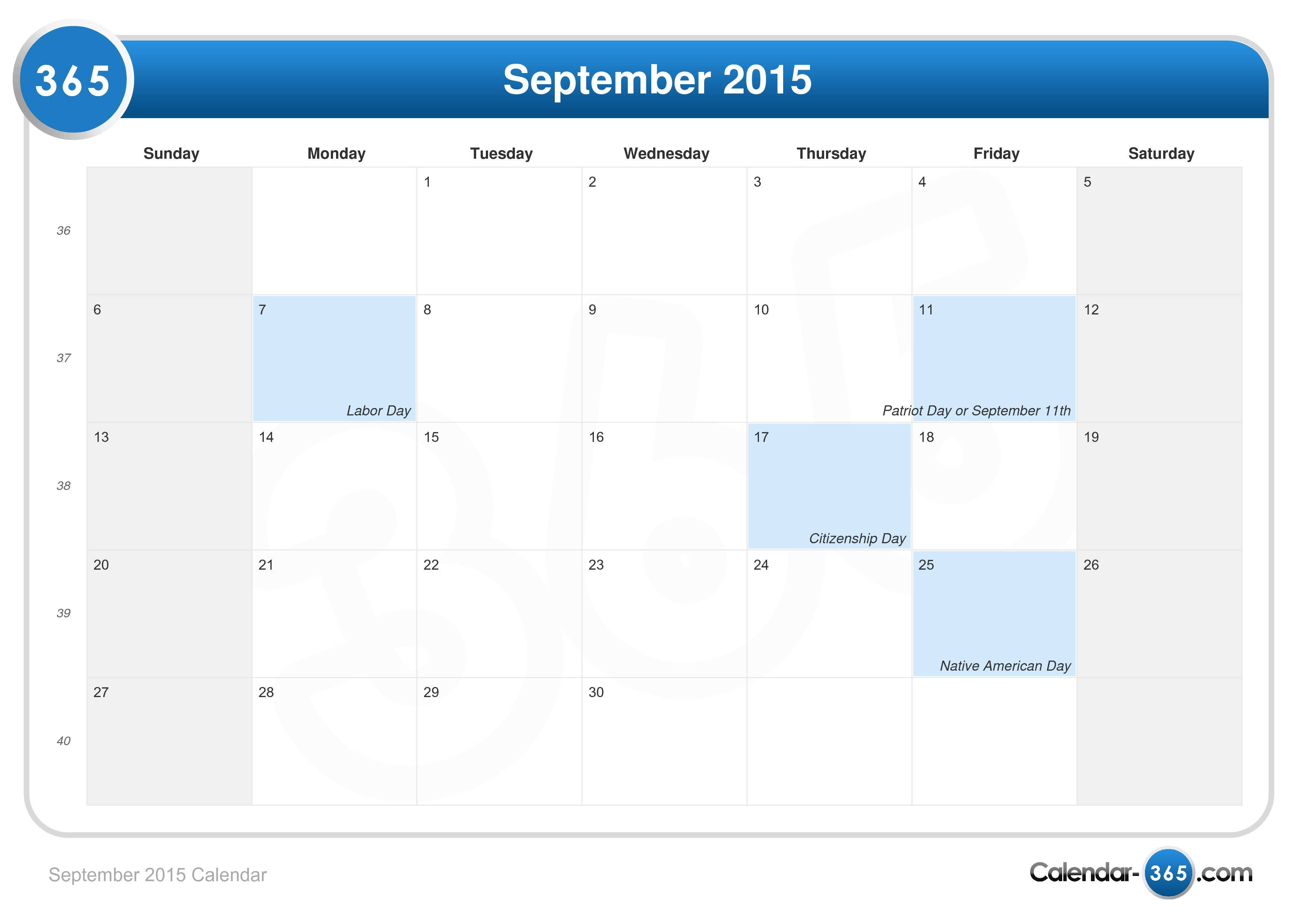
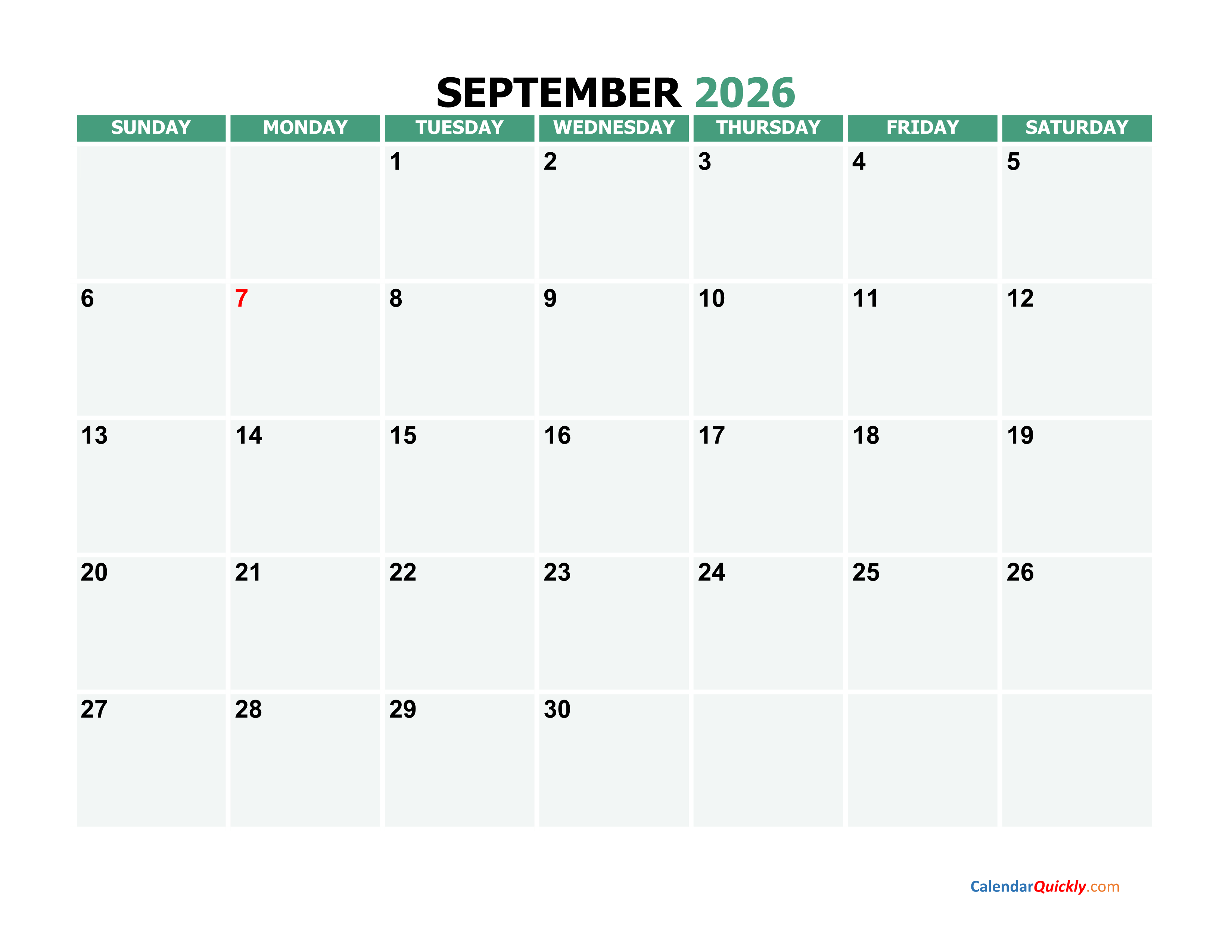
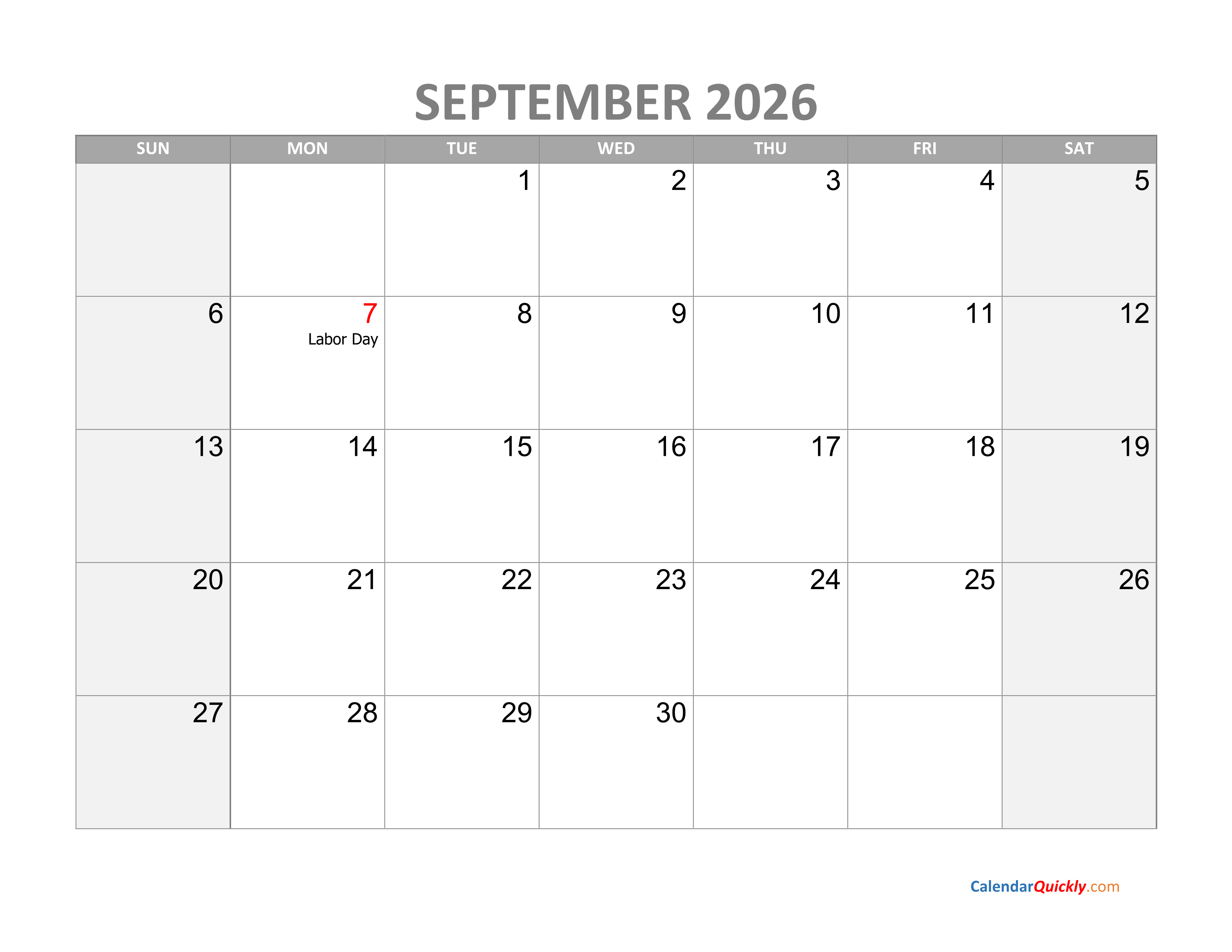
As of 2026, educational institutions must continue to comply with the federal requirements established by the 2004 Byrd Amendment. Because September 17 falls on a Wednesday in 2026, most schools and universities will hold their mandatory programs on the actual anniversary.
Requirements for Educational Institutions:
- Applicability: The law applies to all educational institutions receiving federal funds from the Department of Education.
- Scope of Instruction: There is no single mandated curriculum. Schools have the flexibility to determine the "appropriate" program for their student population.
- Common Methods: Typical observances include guest speakers (such as judges or constitutional scholars), distribution of pocket-sized Constitutions, student-led debates on Supreme Court cases, or multimedia presentations regarding the Bill of Rights.
- Reporting: While the Department of Education does not typically require a formal report of the activities, institutions are expected to maintain records of their programs to demonstrate compliance during federal audits.
Federal agencies also observe the day through internal training and naturalization ceremonies. The U.S. Citizenship and Immigration Services (USCIS) often schedules large-scale naturalization ceremonies on September 17 to welcome new citizens on the day that defines the rights they are assuming.
Common Questions Regarding September 17
Is September 17 a federal holiday in the United States?
No, September 17 (Constitution Day and Citizenship Day) is not a "legal public holiday" as defined by 5 U.S.C. § 6103. This means that federal offices, banks, and post offices remain open, and employees do not typically receive a paid day off. It is an "official observance" mandated by law, which requires federal agencies and schools to provide educational programming, but it does not carry the same status as Labor Day or Memorial Day.
Why was September 17 chosen specifically?
September 17 was chosen because it was the day in 1787 that the delegates to the Constitutional Convention in Philadelphia signed the final version of the U.S. Constitution. It marks the transition from a collection of loosely joined states under the Articles of Confederation to a unified federal republic.
What are the educational requirements for Constitution Day in 2026?
Every school that receives federal funding must host an educational program about the Constitution on September 17. If the date falls on a weekend, the program should be held during the week immediately preceding or following the date. In 2026, since September 17 is a Wednesday, most programs are expected to occur on the day itself.
Who are the "39 signers" commemorated on this day?
The 39 signers were delegates representing 12 of the 13 original colonies. Notable figures included James Madison (the "Father of the Constitution"), Alexander Hamilton, George Washington, and Benjamin Franklin. Their signatures validated the document and began the arduous process of state-by-state ratification.
How can I participate in Constitution Day?
Citizens can participate by visiting the National Archives online or in person to view the original document, attending local naturalization ceremonies, or reading the Constitution and its amendments. Many public libraries and civic organizations host community readings or historical reenactments.
Recommended Actions for the 2026 Observance
To make the most of September 17, 2026, individuals and organizations should focus on active civic engagement rather than passive observation.
- For Students and Educators: Utilize the digital resources provided by the Library of Congress and the National Constitution Center. Focus on the 2026 Semiquincentennial (the 250th anniversary of the nation's founding) as a context for how constitutional interpretations have evolved over two and a half centuries.
- For Prospective Citizens: Check the USCIS website for local naturalization ceremonies. September 17 is often the most prestigious day of the year for these events, often featuring high-ranking government officials as guest speakers.
- For Tech Developers: If your interest in "SEP 17" is technical, ensure your Stellar-based assets are compliant with the updated SEP-17 standards by validating your
stellar.tomlmetadata and ensuring decimal precision aligns with the network’s current 2026 protocols. - For the General Public: Read the Bill of Rights. Understanding the first ten amendments is the most direct way to appreciate how the document signed on September 17, 1787, protects individual liberties in modern daily life.