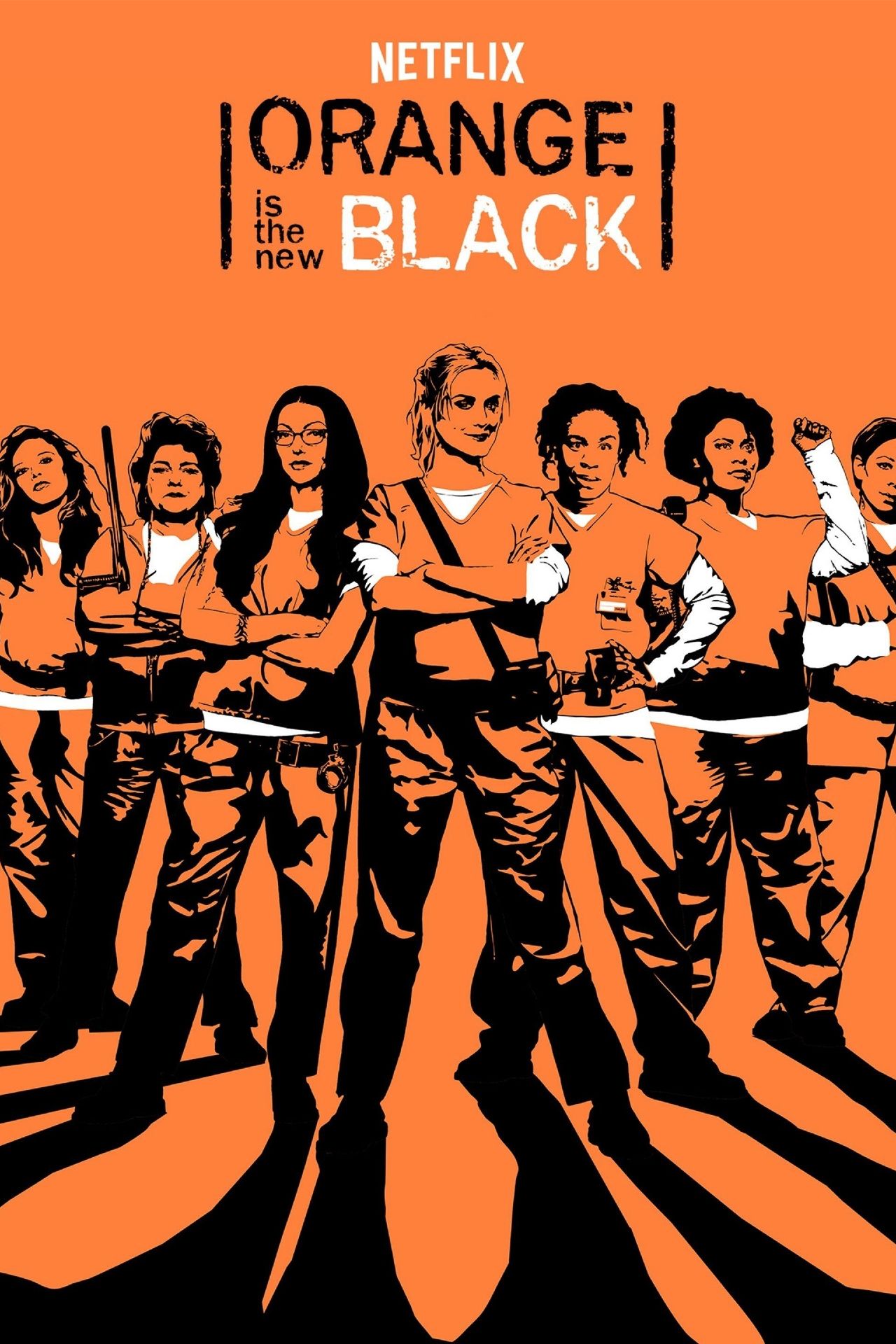
Ruby Rose portrays Stella Carlin in the third and fourth seasons of the Netflix original series Orange Is the New Black. Introduced as a sarcastic and charismatic Australian inmate, Stella serves as a romantic foil to Piper Chapman and a catalyst for Piper’s descent into a more ruthless "criminal" persona. Beyond the plot, the character became a global cultural phenomenon, sparking widespread discussions on gender fluidity and androgynous beauty standards in the mid-2010s.
The Introduction of Stella Carlin: A New Dynamic in Litchfield
When Stella Carlin first appeared in Season 3, Episode 6, titled "Ching Chong Chang," she immediately disrupted the established social hierarchy of Litchfield Penitentiary. Unlike many other inmates whose backstories involve deep-seated trauma or complex legal battles, Stella was introduced with an air of mystery and effortless cool. Her arrival coincided with the prison’s transition to being managed by MCC (Management & Correction Corporation), specifically during the inception of the "Whispers" lingerie factory.
Stella’s role was primarily defined by her interactions with Piper Chapman. At this stage in the series, Piper was evolving from the naive "fish" of Season 1 into a burgeoning contraband mogul. Stella, working alongside Piper in the sewing factory, became her partner in more ways than one. Her character was designed to be a "disruptor"—someone who could tempt Piper away from her tumultuous relationship with Alex Vause while simultaneously challenging Piper’s moral boundaries.
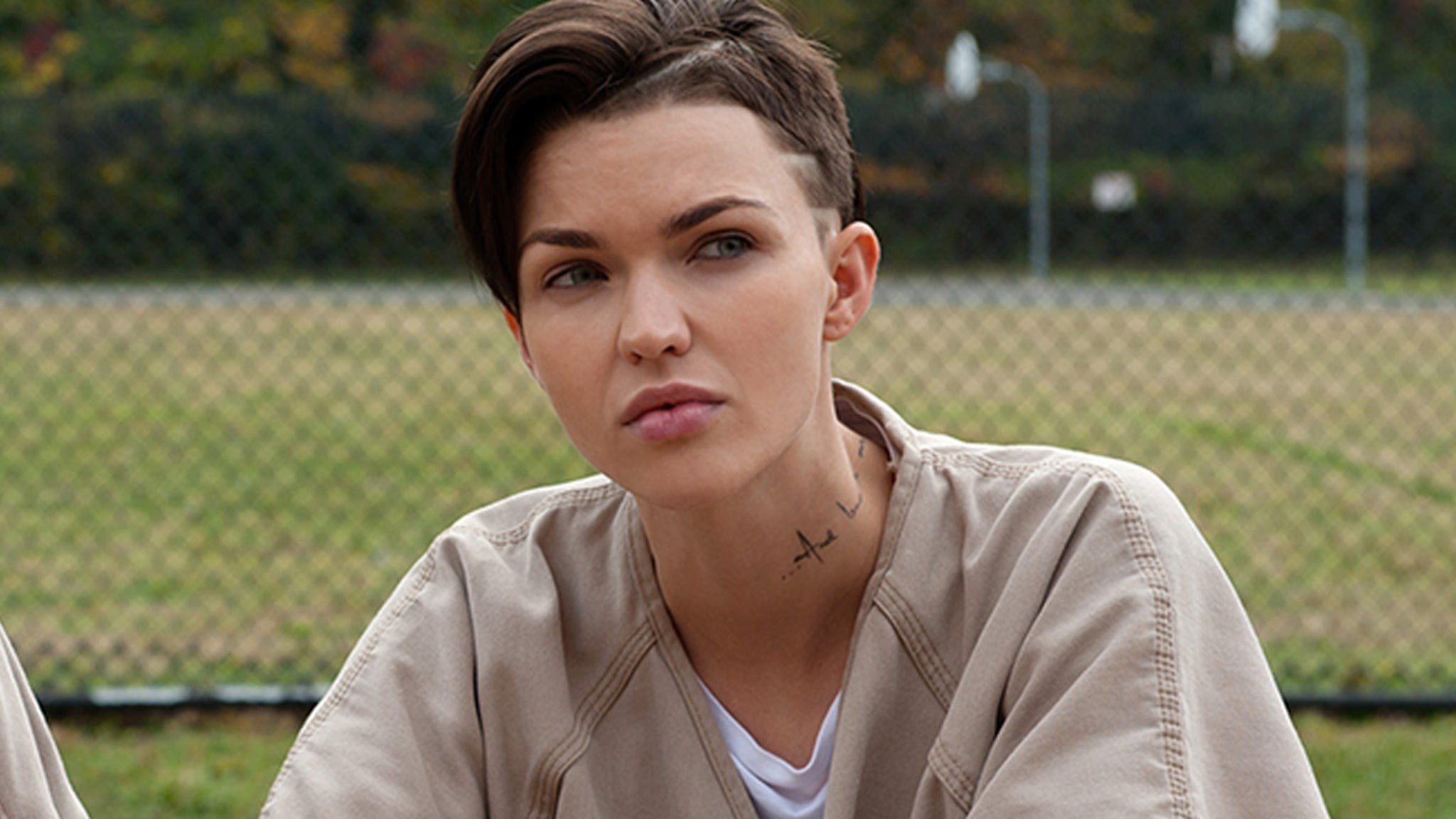
The character's aesthetic was a stark departure from the typical prison look. With her heavily tattooed arms, short-cropped hair, and lean, androgynous frame, Ruby Rose’s Stella Carlin brought a specific "cool factor" that resonated with viewers. This visual identity was not just for show; it served the narrative purpose of making Stella feel like an outsider even within the fringe society of the prison.
Narrative Arc: Romance, Betrayal, and "Trust No Bitch"
The narrative core of Stella Carlin’s journey revolves around the "Whispers" business—the illicit trade of used inmate underwear. Stella assists Piper in managing the logistics of the operation, and their shared secret creates a bond that eventually leads to a romantic entanglement. This relationship served as a major point of tension for fans of "Vauseman" (the pairing of Alex Vause and Piper Chapman), as Stella represented a younger, more carefree alternative to the heavy baggage of Alex and Piper’s history.
However, the character’s most significant impact on the plot occurs in the Season 3 finale. As Stella’s release date approaches, it is revealed that she has been stealing the profits from the underwear business to fund her life post-incarceration. This betrayal is the turning point for Piper’s character. Instead of reacting with her usual suburban sensitivity, Piper retaliates by planting "contraband" (including a shank and other prohibited items) in Stella’s bunk and reporting her to the guards.
The result was Stella being sent to Maximum Security (Max) just two days before her scheduled release. The iconic "Trust No Bitch" tattoo, which Stella had given Piper earlier in the season, became the ironic slogan for their mutual destruction. While Ruby Rose made a brief cameo in Season 4 when Piper is also sent to Max, the betrayal in Season 3 remains the character's definitive narrative contribution.
The "Ruby Rose Effect": Cultural Impact and Representation
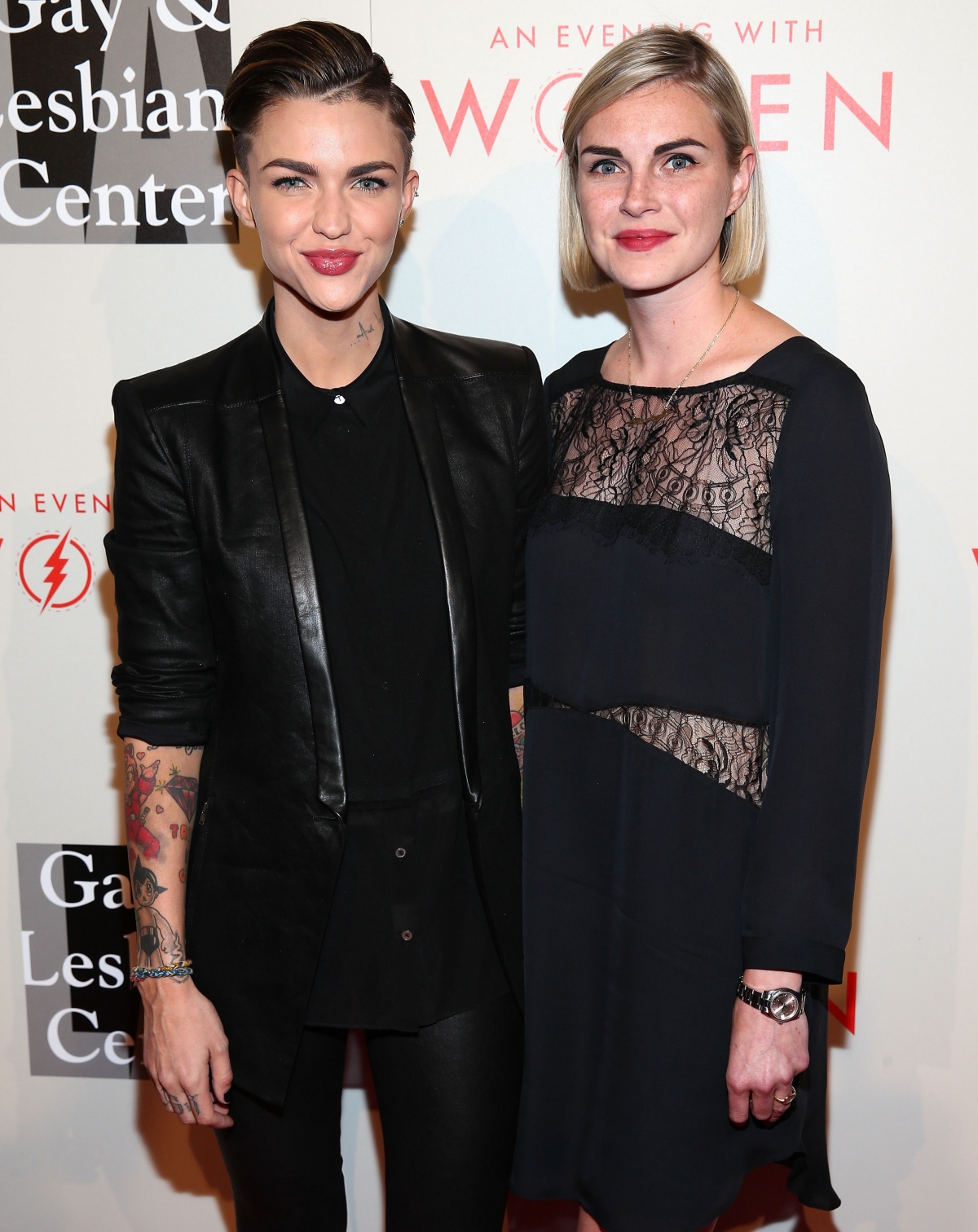
The impact of Ruby Rose’s casting extended far beyond the script of Orange Is the New Black. Almost immediately after the Season 3 premiere in June 2015, the "Ruby Rose Effect" began to trend across social media. This phenomenon described the sudden and intense fascination with Rose’s androgynous appearance and gender identity, often from viewers who had previously considered themselves heterosexual.
Redefining Gender Fluidity in Mainstream Media
Ruby Rose, who identifies as gender fluid, used the platform provided by the show to discuss her identity openly. At the time, mainstream representation of gender fluidity was relatively scarce. Stella Carlin became a visual shorthand for a type of queer identity that was neither traditionally "femme" nor "butch," but something that occupied a stylish, rebellious middle ground.
According to The Hollywood Reporter, Rose's breakout performance contributed to a shift in how Hollywood viewed "marketable" queer actors. Before Stella, androgynous roles were often relegated to indie films or background characters. After Stella, Ruby Rose became a leading-man/woman hybrid, eventually landing roles in major franchises like John Wick and Pitch Perfect.
The Aesthetic Influence
Stella’s look—specifically her tattoos and "undercut" hairstyle—influenced fashion trends for years following her appearance. The character’s style challenged the "male gaze" often present in television dramas. Stella was presented as attractive not through traditional femininity, but through confidence and a rejection of gender norms. This helped broaden the definition of beauty in high-budget streaming content.
Key Facts and Trivia About Stella Carlin
To understand the character fully, one must look at the specific details that defined her presence in the series. Stella was a character of small details that hinted at a larger, untold history.
| Feature | Description | Narrative Significance |
|---|---|---|
| Nationality | Australian | Explained Ruby Rose's natural accent; made her feel like a "foreigner" in the US prison system. |
| Tattoo Specialty | Hand-poked tattoos | She gave Piper the "Trust No Bitch" tattoo, symbolizing their toxic bond. |
| Prison Status | Minimum Security (later moved to Max) | Her move to Maximum Security signaled the end of Piper's "merciful" era. |
| Employment | Whispers Lingerie Factory | This placement allowed her to manipulate the prison's new corporate economy. |
| First Appearance | Season 3, Episode 6 | Titled "Ching Chong Chang." |
| Final Appearance | Season 4, Episode 6 | Titled "Piece of S***", where she is seen in Maximum Security. |
Why Stella Carlin Remains a Polarizing Character
Despite her immense popularity, Stella Carlin is often cited by critics as one of the show’s more "hollow" characters. In a series lauded for its deep dives into the backstories of marginalized women, Stella was one of the few main characters who never received a dedicated flashback episode. We never learned exactly what crime she committed to end up in Litchfield or what her life was like in Australia.
This lack of backstory led to two distinct viewpoints among the OITNB fanbase:
- The Style over Substance Critique: Some viewers felt Stella was merely a "plot device" used to create a love triangle and facilitate Piper’s transition into a villain. Without a backstory, her betrayal of Piper felt less like a desperate act of survival and more like a scripted necessity.
- The Representation Defense: Other fans argued that Stella’s presence was revolutionary simply because of what she represented visually. In this view, her lack of a tragic backstory was refreshing; she was allowed to be a cool, manipulative, and sexy character without her trauma being the central focus.
By 2026, looking back at the show's ten-year legacy, it is clear that Stella was a product of a specific moment in television history—the transition between "prestige" cable TV and the "bingeable" streaming era where viral moments and "breakout stars" became as important as the narrative itself.
The Professional Trajectory: How Stella Launched Ruby Rose
The role of Stella Carlin served as a masterclass in how a single season of a popular show can launch a career. Before Orange Is the New Black, Ruby Rose was primarily known in Australia as a VJ for MTV and a model. After her 9-episode stint as Stella, she became one of the most sought-after action stars in the world.
Her role in OITNB led directly to:
- Action Cinema: Roles in Resident Evil: The Final Chapter (2016) and xXx: Return of Xander Cage (2017).
- The John Wick Universe: Playing the mute assassin Ares in John Wick: Chapter 2 (2017), a role that mirrored Stella’s silent intensity.
- Batwoman: Rose was cast as Kate Kane in the CW’s Batwoman, making her the first openly LGBTQ+ lead in a live-action superhero series.
The "Stella Carlin effect" essentially created a new archetype for the "tough, tattooed, queer woman" in action cinema, a niche that Rose occupied almost exclusively for the latter half of the 2010s.
Common Questions About Stella Carlin
Why was Stella Carlin sent to Max?
Stella was sent to Maximum Security because Piper Chapman planted contraband in her bunk. After discovering that Stella had stolen all the money from their illegal underwear business, Piper hid a "shank" (a homemade knife), a cigarette lighter, and other forbidden items among Stella's belongings. She then tipped off the guards just two days before Stella was supposed to be released from prison. This act of revenge ensured Stella would face a significantly longer sentence in a much harsher environment.
Did Stella and Piper truly love each other?
The relationship between Stella and Piper was more about opportunism and chemistry than true love. For Stella, Piper was a way to pass the time and eventually a source of funds for her life after prison. For Piper, Stella was an escape from the emotional weight of her relationship with Alex and a way to prove she was "hard" enough to run a prison business. While there was genuine physical attraction, the mutual betrayals suggest that neither character viewed the other as a long-term partner.
Is Stella Carlin based on a real person from Piper Kerman's book?
No, the character of Stella Carlin does not appear in Piper Kerman's original memoir, Orange Is the New Black: My Year in a Women's Prison. Most of the characters in the Netflix series were fictionalized or heavily altered for dramatic purposes. Stella was a creation of the show’s writers, specifically designed to inject new energy into the third season and to explore the concept of the "prison economy."
What happened to Stella after Season 4?
After her brief appearance in Season 4, where she is seen in the Maximum Security yard interacting with Nicky Nichols, Stella's character is not mentioned again in the final seasons of the show. Since the latter seasons of OITNB focused on the riot and the subsequent fallout for the main cast, many secondary characters like Stella were phased out. It is presumed she remained in Max or was eventually released after serving the extra time added to her sentence due to Piper's frame-up.
Analyzing Queer Representation in Modern Media
For viewers interested in the evolution of LGBTQ+ characters on screen, Stella Carlin remains an essential case study. While her time on Orange Is the New Black was relatively short, her impact on the industry's perception of gender-non-conforming actors was permanent.
Next Action for Fans: To gain a deeper understanding of the "Ruby Rose Effect," compare Stella’s character arc with other LGBTQ+ portrayals in the show, such as Poussey Washington or Big Boo. Notice how Stella’s "outsider" status is treated differently because of her aesthetic and how the show uses her to explore the darker side of prison relationships. You can also research Ruby Rose’s 2014 short film Break Free, which was released shortly before her casting and provides the foundational context for the gender-fluid identity she brought to the role of Stella.