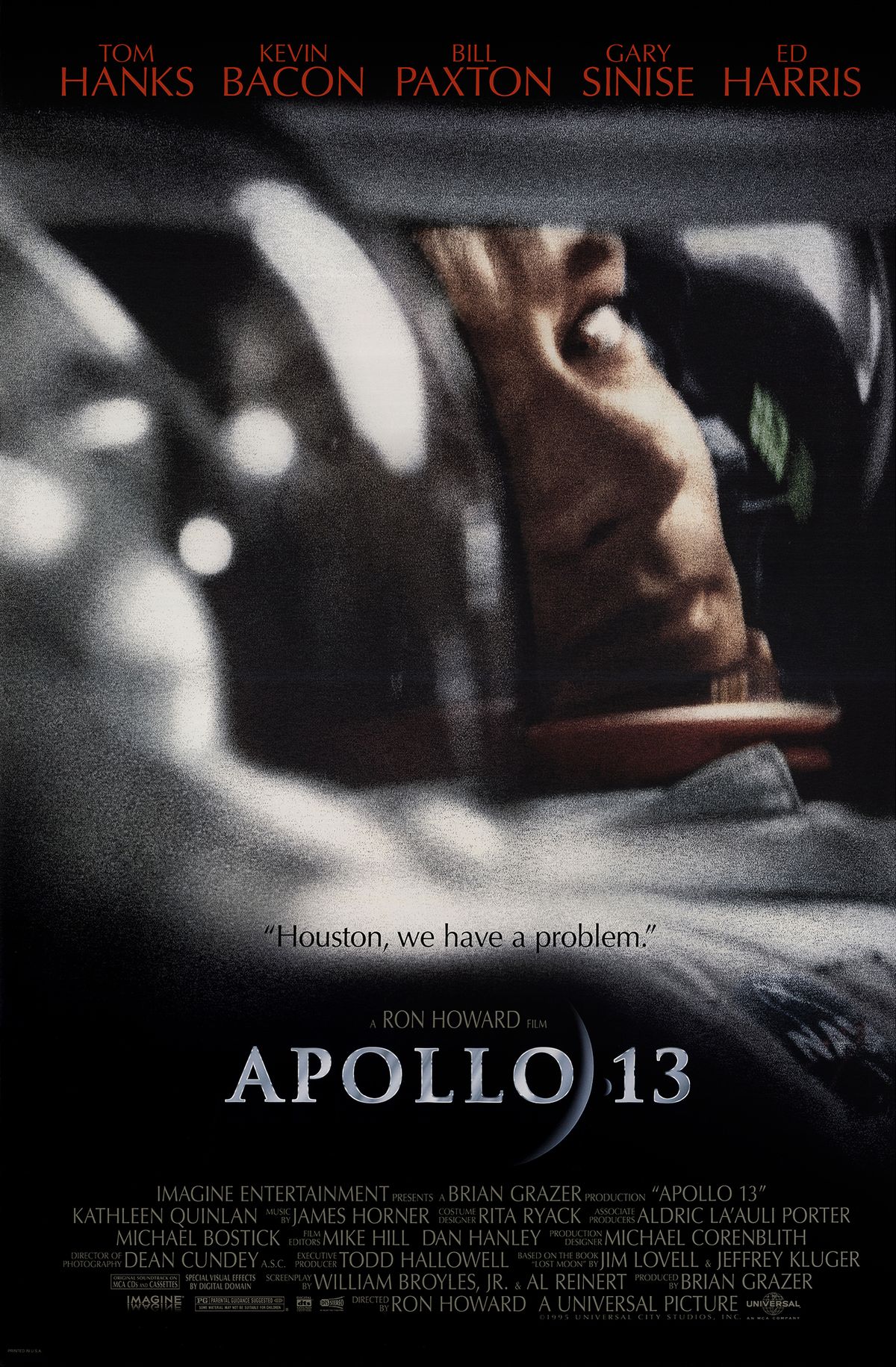
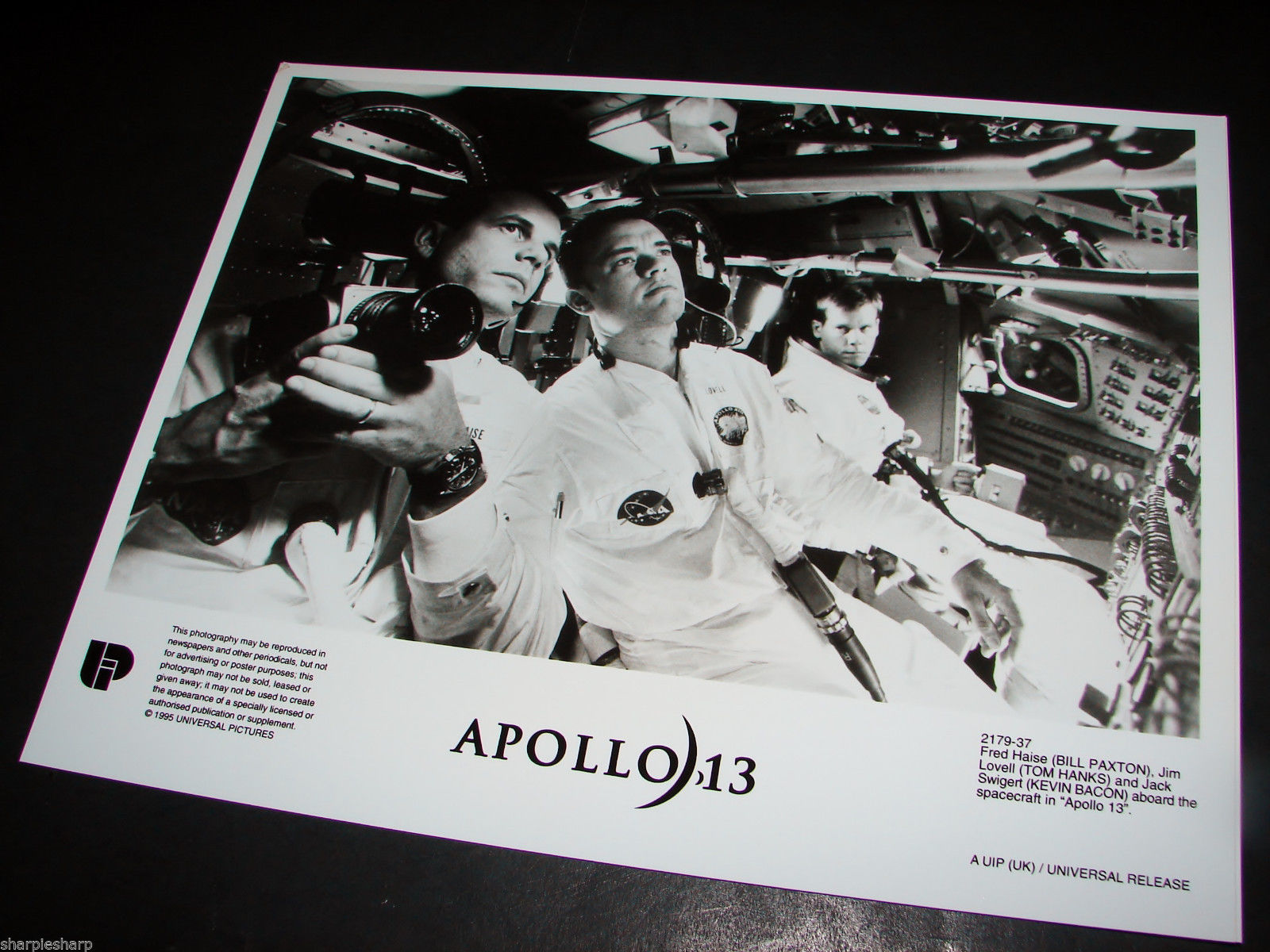
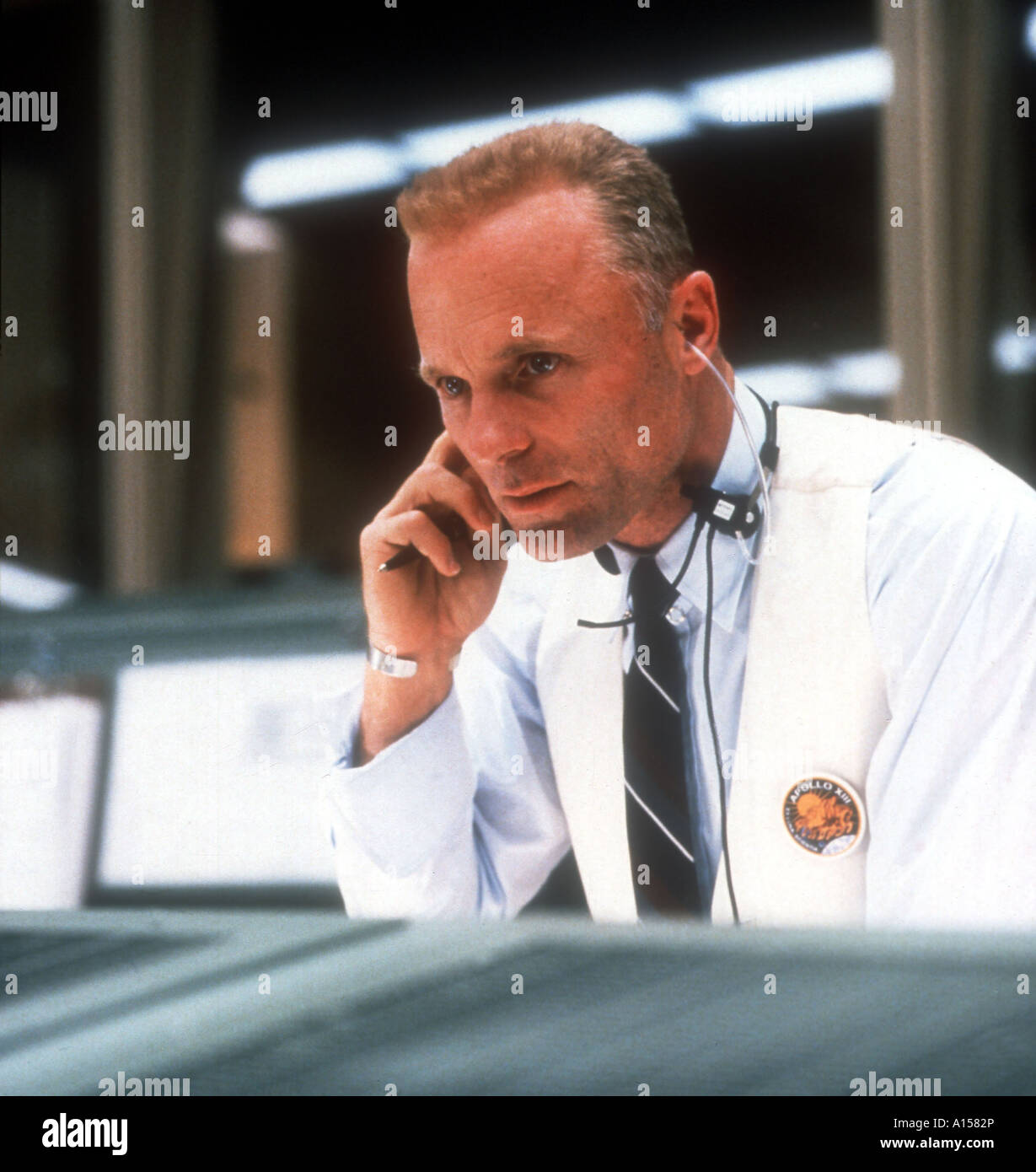
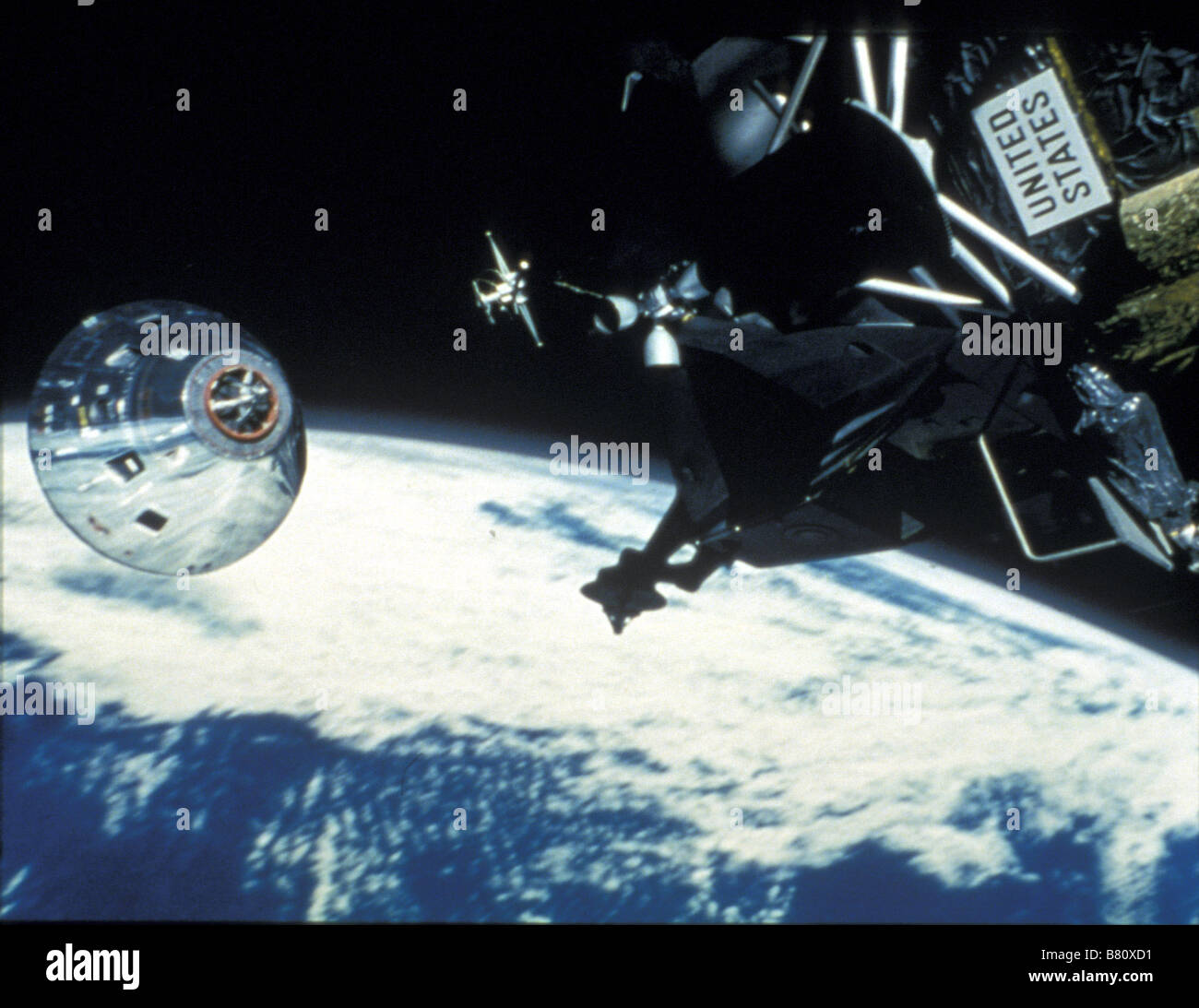
Ron Howard’s 1995 masterpiece Apollo 13 remains the definitive cinematic portrayal of NASA’s "successful failure." By prioritizing technical accuracy, utilizing actual reduced-gravity aircraft for filming, and maintaining a disciplined documentary-style narrative, Howard transformed a well-known historical event into a high-stakes survival thriller that redefined the standards for the space-travel subgenre.
From "Mayberry" to Mission Control: Howard’s Directorial Evolution
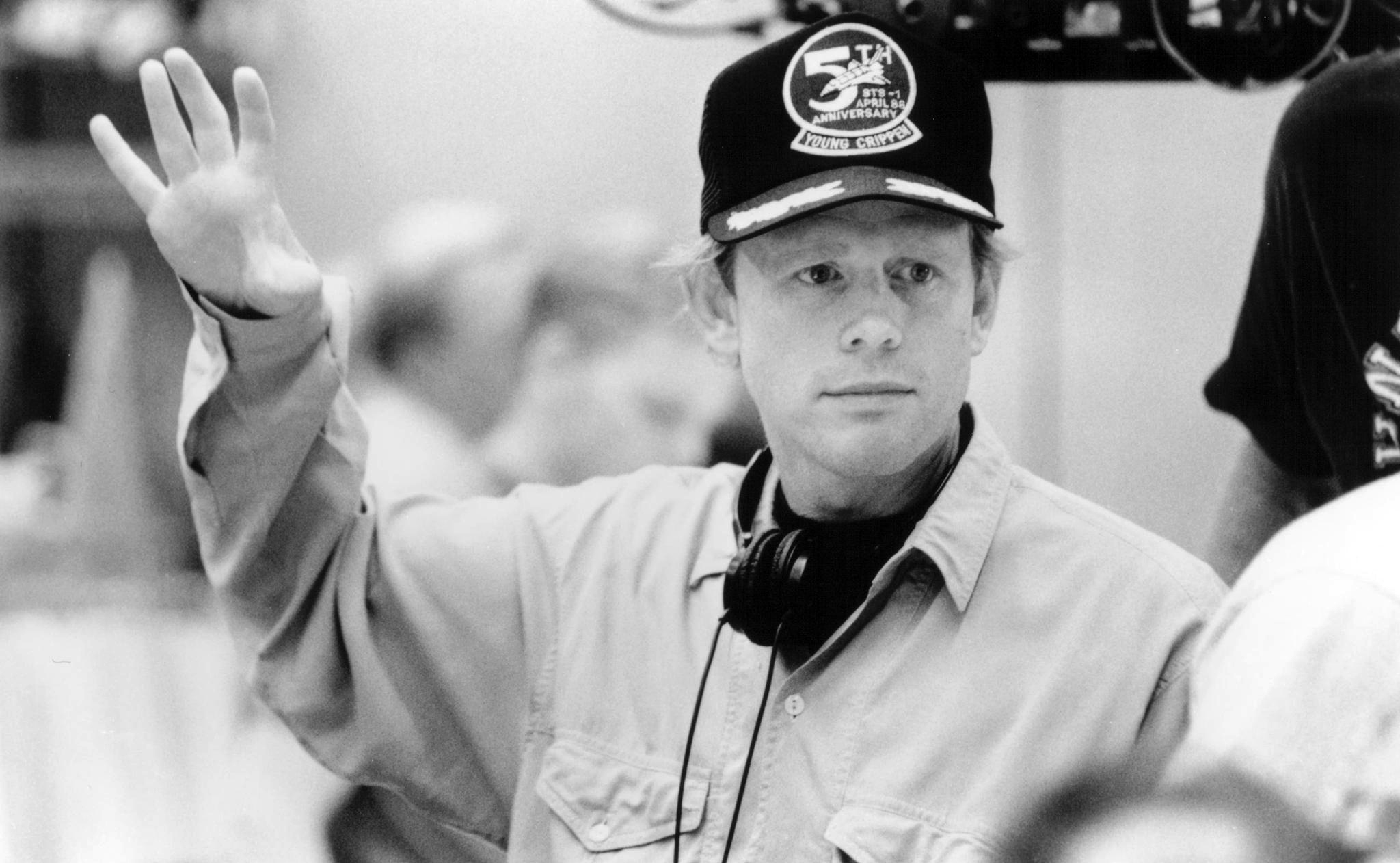
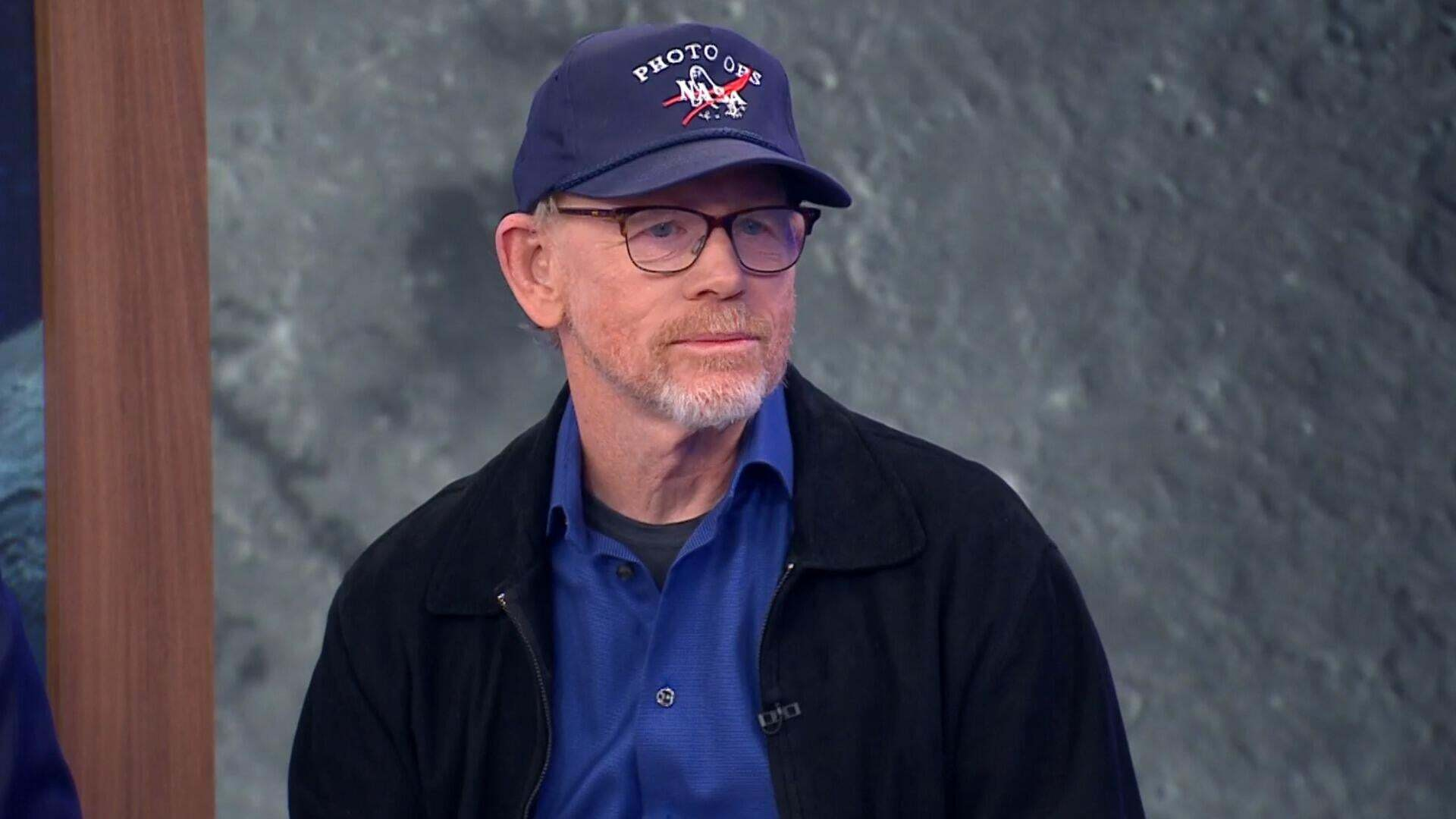
By the mid-1990s, Ron Howard had already established himself as a versatile director with hits like Splash, Cocoon, and Backdraft. However, Apollo 13 represented a significant pivot toward "prestige" filmmaking rooted in historical authenticity. Howard’s approach was driven by a commitment to realism that many Hollywood contemporaries found unnecessary. Rather than creating a sensationalized version of the 1970 lunar mission, Howard sought to capture the sterile, high-pressure environment of the Manned Spacecraft Center (now Johnson Space Center) and the claustrophobic reality of the Command Module Odyssey.
The project was based on the book Lost Moon by astronaut Jim Lovell and Jeffrey Kluger. Howard recognized that the inherent drama of the mission—a liquid oxygen tank explosion 200,000 miles from Earth—did not require "villainous" obstacles or fabricated subplots. Instead, he focused on the physics of the crisis and the collective intelligence of the ground crew and the astronauts. This decision to trust the audience’s interest in technical problem-solving was a gamble that paid off, cementing Howard’s reputation as a director capable of balancing massive production scales with intimate human drama.
In 2026, looking back across three decades, Howard’s work on Apollo 13 is often cited in film schools as the bridge between the practical effects era and the digital revolution. While modern films like Gravity (2013) or First Man (2018) have utilized more advanced visual effects, Howard’s reliance on physical sets and real physics gives the film a tangible, "lived-in" quality that remains unsurpassed.
Achieving Weightlessness: The Technical Triumph of the KC-135
The most significant technical achievement of Howard’s Apollo 13 was the decision to film the interior spacecraft scenes in actual weightlessness. Conventional filmmaking techniques at the time involved wires, slow-motion filming, or "teeter-totter" rigs to simulate zero gravity. Howard found these methods unconvincing for the level of immersion he desired.
After consulting with NASA, the production team secured the use of a KC-135 reduced-gravity aircraft, famously known as the "Vomit Comet." By flying in a series of parabolic arcs, the aircraft creates approximately 23 to 25 seconds of weightlessness at the apex of each curve.
The Logistics of Parabolic Filming
This method presented immense logistical challenges:
- Time Constraints: Each "take" could only last about 20 seconds before gravity returned. Howard and his crew had to be incredibly disciplined, often requiring hundreds of flights to capture just a few minutes of usable footage.
- Equipment Modification: Cameras and lighting rigs had to be bolted to the aircraft's frame, and the crew had to learn how to operate heavy equipment while floating.
- Physical Toll: The rapid transition between 2g (twice the force of Earth's gravity) and 0g caused significant physical strain and nausea for the cast and crew. Despite the nickname, the actors—Tom Hanks, Kevin Bacon, and Bill Paxton—adapted remarkably well, completing nearly 600 parabolas over the course of production.
This commitment to physical realism ensured that the movements of the actors, the floating of tools, and the behavior of liquids (like the infamous "constellation" of frozen urine) were perfectly accurate. It eliminated the "floaty" look of wirework, providing a subconscious level of authenticity that grounds the viewer in the reality of the spacecraft.
Historical Fidelity vs. Dramatic License: Analyzing the Narrative
While Ron Howard is celebrated for the film's accuracy, Apollo 13 is still a narrative feature, not a documentary. Howard and screenwriters William Broyles Jr. and Al Reinert made specific choices to consolidate characters and heighten tension for the screen.
The Swigert and Haise Conflict
One of the most notable departures from reality is the interpersonal friction between Jack Swigert (Kevin Bacon) and Fred Haise (Bill Paxton). In the film, Haise blames Swigert for the explosion, leading to a heated argument. In reality, the crew was composed of highly professional veterans who understood that the explosion was a mechanical failure, not pilot error. Swigert had been integrated into the crew seamlessly after Ken Mattingly was grounded due to measles exposure. Howard included this friction to externalize the internal stress the crew was feeling, providing a dramatic arc for Swigert’s character to prove his competence to his crewmates.
The "Failure is Not an Option" Mantra
The phrase "Failure is not an option," delivered by Ed Harris as Flight Director Gene Kranz, has become one of the most famous lines in cinema history. While Kranz never actually uttered those exact words during the mission, the sentiment was a core tenet of the Mission Control culture. The line was created by the screenwriters after interviewing flight controllers who described the mindset of the room. Kranz liked the line so much that he later used it as the title of his autobiography.
Production Design: Reconstructing the Apollo Infrastructure
To maintain the film’s "technically correct" aesthetic, Howard insisted on high-fidelity recreations of NASA’s hardware. The production design team, led by Michael Corenblith, did not just build sets; they built functional environments.
- The Command and Service Modules: The spacecraft interiors were built by Kansas Cosmosphere and Space Center's Max Ary and his team. They used original NASA blueprints to ensure every switch, dial, and circuit breaker was in the correct position. This allowed the actors to perform the actual checklists and procedures that would have been required in 1970.
- Mission Control: The Mission Control set was a 1:1 replica of the Houston facility. It was so accurate that even the "smoke" from the controllers' cigarettes (ubiquitous in 1970) was managed to match historical photos. More importantly, the consoles were functional; they were fed with data and displays that matched what the real controllers would have seen at specific timestamps during the mission.
- Costume Design: Rita Ryack meticulously recreated the suits, from the lunar EVA suits to the white short-sleeved shirts and "skinny" ties of the ground crew. The spacesuits were pressurized and functional for the actors, adding to the physical burden and realism of their performances.
The Ensemble Cast: Bringing Humanity to Technical Crisis
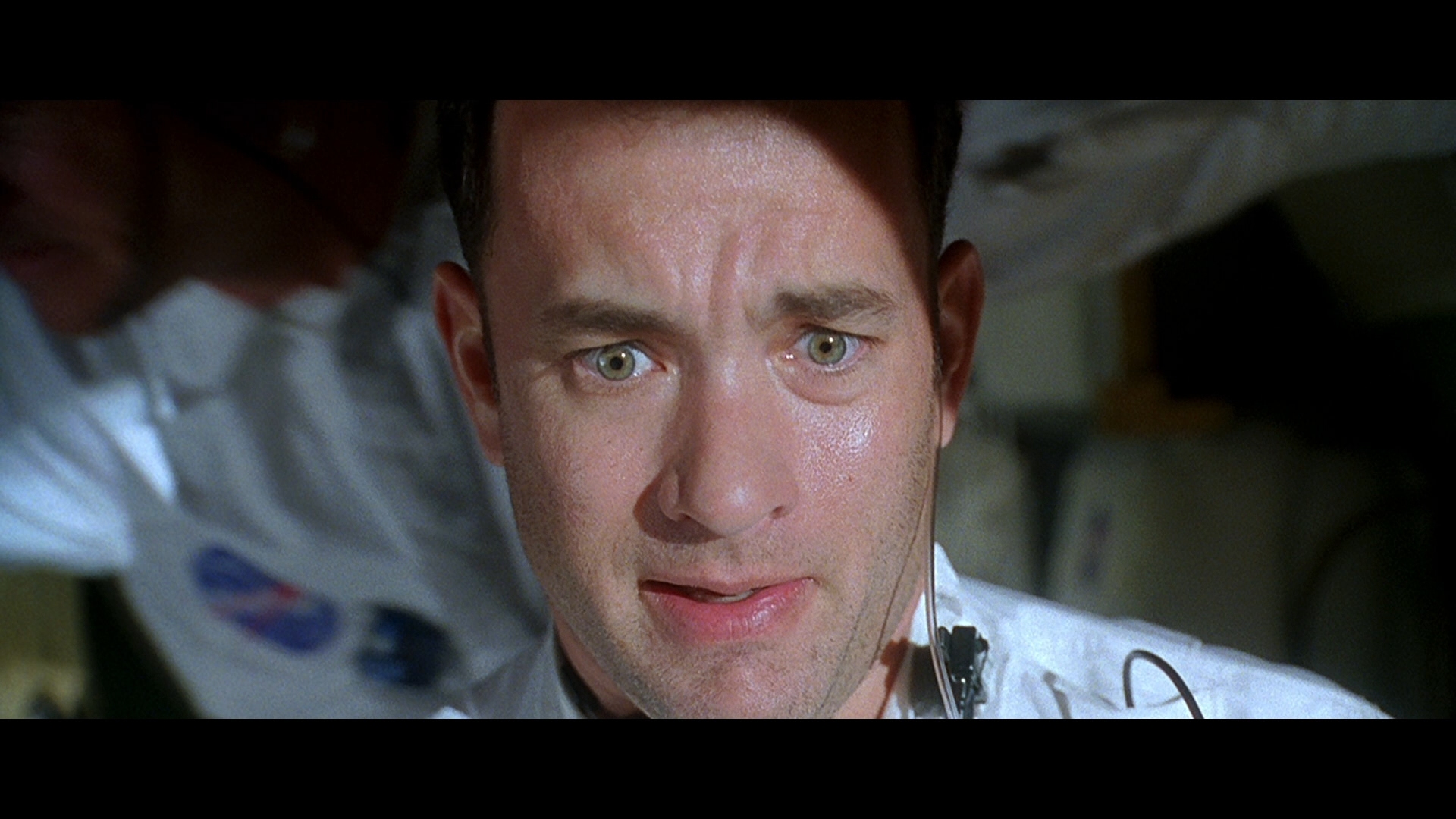
The success of Apollo 13 hinges on Howard’s ability to direct his cast to treat technical jargon as natural dialogue. Tom Hanks (Jim Lovell) anchored the film with a performance that balanced leadership with underlying anxiety. However, the supporting cast provided the necessary layers of the story.
The Ground Crew (The "Nerds" as Heroes): Ed Harris’s portrayal of Gene Kranz redefined the "leader" archetype in cinema. Instead of an action hero, Kranz is a manager of talent. The film highlights the brilliance of the engineering teams—the people who had to "fit a square peg in a round hole" using only the materials available on the spacecraft. This focus on intellectual heroism became a hallmark of the film and inspired a generation of viewers to pursue STEM careers.
The Left-Behind Perspective: Gary Sinise’s performance as Ken Mattingly provides the emotional stakes on Earth. Mattingly’s struggle with being bumped from the flight due to a medical technicality, only to become the person who eventually solves the power-up sequence in the simulator, serves as the film’s narrative bridge. It connects the danger in space to the desperate efforts of the people on the ground.
Comparative Analysis: Real Mission vs. Howard’s Adaptation
The following table highlights the key differences and similarities between the 1970 mission and Ron Howard’s 1995 film.
| Feature | Historical Fact (1970) | Howard’s Film (1995) |
|---|---|---|
| Cause of Explosion | Damaged wire insulation in Oxygen Tank 2. | Accurately depicted as a stir-induced short circuit. |
| The Famous Quote | "Houston, we've had a problem." | "Houston, we have a problem." (Changed for immediacy). |
| Crew Conflict | Highly professional; no recorded arguments. | Dramatized friction between Haise and Swigert. |
| Gene Kranz's Vest | His wife, Marta, made him a new white vest for every mission. | Accurately depicted as a "good luck" ritual. |
| The "Square Peg" | Engineers on the ground built the adapter first, then read instructions. | Accurately depicted as a frantic, improvised solution. |
| Re-entry Blackout | Lasted approximately 6 minutes (longer than expected). | Dramatized for tension, emphasizing the silence. |
| Jim Lovell's Cameo | The real Jim Lovell appears at the end. | Lovell plays the captain of the USS Iwo Jima. |
Frequently Asked Questions
Did the actors actually go into space?
No, the actors did not go into orbit. However, they did experience genuine weightlessness. Ron Howard filmed these scenes aboard a NASA KC-135 aircraft that flew parabolic arcs. Each arc provided about 25 seconds of zero gravity. The crew and cast performed over 600 of these arcs to gather the necessary footage for the film's interior spacecraft scenes.
How much input did NASA have on the film?
NASA provided significant support, which was unusual for a Hollywood production at the time. They allowed the production to film at the Johnson Space Center, gave the crew access to historical blueprints, and permitted the use of the KC-135 aircraft. Furthermore, many of the technical consultants were former Apollo-era flight controllers and astronauts, including Jim Lovell and David Scott.
Why did Ron Howard change the "Houston, we've had a problem" line?
The real Jack Swigert said, "Houston, we've had a problem here," followed by Jim Lovell repeating, "Houston, we've had a problem." Screenwriters and Howard felt that using the past tense ("we've had") sounded less urgent to a modern audience than the present tense ("we have"). The change was made to heighten the immediate sense of peril.
Is the "Square Peg in a Round Hole" scene accurate?
Yes, this is one of the most accurate parts of the film. The crew actually had to build a functional carbon dioxide scrubber using only the materials on board the Lunar Module, including plastic bags, cardboard, and duct tape. The engineers on the ground devised the "mailbox" device and read the instructions to the astronauts, just as shown in the movie.
What was the cultural impact of the film?
Apollo 13 was a massive commercial and critical success, earning nine Academy Award nominations and winning two. It is credited with reviving public interest in the Apollo program and is widely used in corporate and military leadership training to demonstrate crisis management, teamwork, and the importance of "staying on the problem."
Maintaining the Legacy: Recommended Viewing and Research
For those looking to deepen their understanding of Ron Howard’s work or the Apollo 13 mission, several next steps are recommended. First, viewing the 30th-anniversary remastered editions (released in 2025) provides unparalleled visual clarity, particularly in the dark, frozen sequences of the crippled Command Module.
Furthermore, comparing Howard's film with the documentary Apollo 11 (2019) or the miniseries From the Earth to the Moon (which Howard produced) provides a comprehensive view of the era. The latter, in particular, expands on the themes found in Apollo 13, showing the broader context of the space race. For a technical deep dive, reading the original mission transcripts available through the NASA History Office allows fans to see exactly where Howard’s dialogue was lifted directly from the historical record and where he chose to apply his directorial "polish."