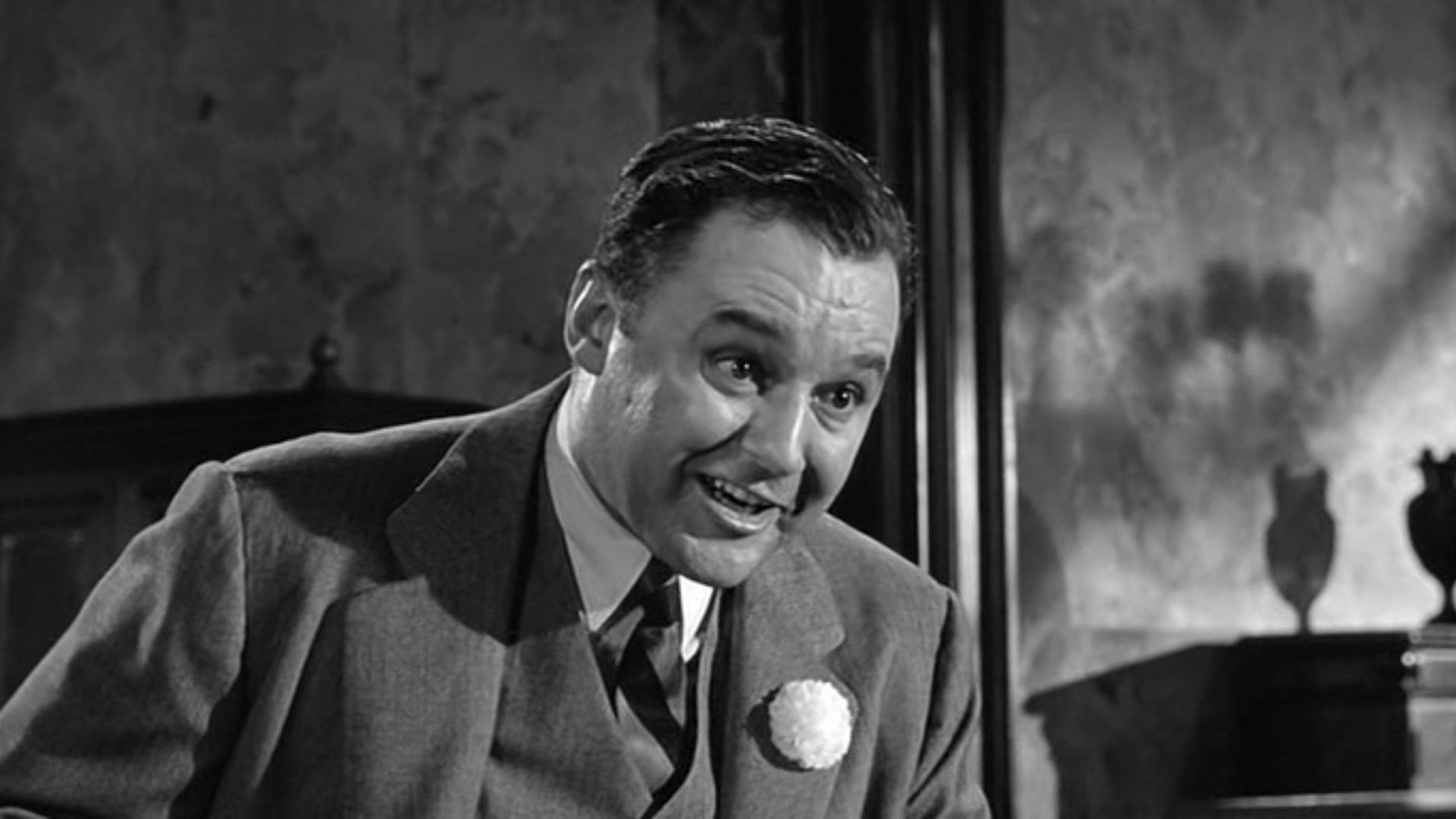
Rod Steiger (1925–2002) was a preeminent figure in the "Method" acting movement, a cinematic titan whose career spanned over five decades and earned him an Academy Award for Best Actor. Known for his intense psychological depth and versatility, Steiger transitioned seamlessly from the golden age of live television to iconic film roles such as Chief Bill Gillespie in In the Heat of the Night and Charley Malloy in On the Waterfront. At the time of his passing, his estate and historical net worth reflected a life dedicated to the craft rather than the commercial blockbusters of the modern era.
The Early Life and Artistic Foundations of Rod Steiger
Born Rodney Stephen Steiger on April 14, 1925, in Westhampton, New York, the future actor’s early life was marked by instability. Raised primarily by his mother, Lorraine, in a household often affected by her struggle with alcoholism, Steiger sought an escape early on. At the age of 16, he lied about his age to join the United States Navy during World War II, serving as a torpedo man on a destroyer in the Pacific. This military service would later provide the emotional grit and discipline that defined his screen presence.
Following the war, the G.I. Bill allowed Steiger to pursue an education in the arts. He initially worked in a civil service position but found his calling in theater. He enrolled at the New School for Social Research and later the Dramatic Workshop of Stella Adler. However, the most pivotal moment in his development was joining The Actors Studio, under the tutelage of Lee Strasberg. Alongside contemporaries like Marlon Brando and James Dean, Steiger became a pioneer of "The Method," an acting technique that required performers to draw upon their personal emotions and experiences to create a lived-in, psychological reality for their characters.
Steiger’s early career was rooted in the "Golden Age of Television" during the 1950s. He gained significant acclaim for the title role in the original television play Marty (1953). Although he famously turned down the film version—which later earned Ernest Borgnine an Oscar—the performance established Steiger as a leading dramatic force who could convey profound loneliness and humanity.
Career Highlights: Iconic Performances and Cinematic Impact
Rod Steiger's filmography is a masterclass in range, moving from quiet vulnerability to explosive volatility. His career is often categorized by his collaborations with legendary directors and his ability to inhabit complex, often flawed, men.
On the Waterfront (1954)
In Elia Kazan’s masterpiece, Steiger played Charley "The Gent" Malloy, the brother and betrayer of Marlon Brando’s Terry Malloy. The "I coulda been a contender" taxi scene remains one of the most famous sequences in film history. While Brando received the lion's share of the attention, Steiger’s restrained performance as the conflicted, doomed brother earned him his first Academy Award nomination for Best Supporting Actor.
The Pawnbroker (1964)
Perhaps his most critically revered performance, The Pawnbroker, directed by Sidney Lumet, featured Steiger as Sol Nazerman, a Holocaust survivor operating a pawnshop in Harlem. Steiger’s portrayal of emotional numbness and buried trauma was revolutionary for its time. His "silent scream" at the film's climax is cited by film historians as a pinnacle of screen acting. He received a BAFTA for Best Foreign Actor and an Academy Award nomination for Best Actor for this role.
In the Heat of the Night (1967)
Steiger finally secured the Academy Award for Best Actor for his role as Bill Gillespie, a bigoted Southern police chief forced to work with a Black detective (Sidney Poitier) to solve a murder. The chemistry between Steiger and Poitier is the engine of the film. Steiger’s ability to show the gradual cracking of Gillespie's prejudices through subtle facial expressions and his iconic gum-chewing mannerisms became a hallmark of his career.
Other Notable Works
- Oklahoma! (1955): Playing the menacing Jud Fry, Steiger proved he could handle musical drama.
- Doctor Zhivago (1965): As the villainous Victor Komarovsky, he provided the cynical core to David Lean’s sprawling epic.
- Waterloo (1970): Steiger’s portrayal of Napoleon Bonaparte remains a definitive historical performance, capturing the emperor’s fading brilliance and physical decline.
The Technical Artistry of the Steiger Method
Steiger was often criticized in his later years for being "hammy" or "over-the-top," but this was a byproduct of his commitment to the internal reality of a scene. He believed that if a character was experiencing extreme internal pressure, the external performance should reflect that pressure, even if it felt uncomfortable for the audience.
He was a "reactive" actor. Unlike many stars of his era who focused on their own delivery, Steiger was famous for listening to his scene partners. This is evident in In the Heat of the Night, where his performance shifts based on the shifting power dynamics with Poitier. Steiger’s use of props—such as the aforementioned chewing gum or the dark glasses in The Pawnbroker—was never accidental; these were "objects of focus" taught in the Actors Studio to help ground a performer in the physical world while exploring psychological depths.
His dedication often came at a personal cost. Steiger was open about his struggles with clinical depression throughout the 1970s and 1980s, which led to a lull in his career. His eventual return to the screen in the 1990s in films like The Specialist and Mars Attacks! was seen by many as a triumphant second act for a man who had weathered both professional and personal storms.
Rod Steiger's Net Worth and Estate Evaluation
Assessing the net worth of a classic Hollywood star in 2026 requires looking at both historical earnings and the enduring value of their estate. Unlike modern actors who benefit from massive backend points on global franchises, Steiger’s wealth was built through traditional salary contracts and residuals from a vast library of work.
At the time of his death in July 2002, Rod Steiger’s net worth was estimated to be between $2 million and $5 million. This figure was substantial for an actor of his generation who prioritized artistic merit over commercial "sell-out" roles.
Factors Influencing His Financial Status:
- Consistent Work: Steiger appeared in over 100 films and television programs. This sheer volume of work ensured a steady stream of income even during his periods of semi-retirement.
- Residual Income: As a member of the Screen Actors Guild (SAG), Steiger’s estate continued to receive residuals from his classic films being broadcast on television and sold on home media (DVD/Blu-ray).
- Real Estate: Steiger maintained properties in Malibu and Beverly Hills over the years. His primary residence at the time of his death reflected the lifestyle of a high-tier character actor.
- The Impact of Multiple Marriages: Steiger was married five times. Divorce settlements in the mid-20th century often significantly impacted the liquid net worth of Hollywood stars. His most notable marriage was to actress Claire Bloom, with whom he had a daughter, Anna Steiger, a celebrated opera singer.
In 2026, the "valuation" of Rod Steiger is primarily found in his cultural capital. His estate remains a beneficiary of the continued licensing of his image and his films' presence on digital streaming platforms, which have seen a resurgence in interest for classic cinema.
Comparison of Career Milestones and Awards
The following table summarizes Steiger's performance in major awards ceremonies for his most influential roles, illustrating the peak of his professional influence.
| Film Title | Year | Role | Primary Award Recognition | Result |
|---|---|---|---|---|
| On the Waterfront | 1954 | Charley Malloy | Academy Award: Best Supporting Actor | Nominated |
| The Pawnbroker | 1964 | Sol Nazerman | Academy Award: Best Actor | Nominated |
| The Pawnbroker | 1964 | Sol Nazerman | BAFTA: Best Foreign Actor | Won |
| In the Heat of the Night | 1967 | Bill Gillespie | Academy Award: Best Actor | Won |
| In the Heat of the Night | 1967 | Bill Gillespie | Golden Globe: Best Actor (Drama) | Won |
| Waterloo | 1970 | Napoleon | British Society of Cinematographers | Nominated |
Frequently Asked Questions
Did Rod Steiger ever regret turning down the movie "Marty"?
While the film version of Marty made Ernest Borgnine a star, Steiger maintained that he turned it down because he didn't want to be tied to a seven-year studio contract. He preferred the freedom to choose his roles and remain a freelance artist, even if it meant missing out on a specific Oscar opportunity.
How did Rod Steiger’s military service affect his acting?
Steiger often credited the Navy with teaching him about human nature under pressure. He noted that the "real fear" he experienced during the war gave him a baseline for authenticity when he had to portray high-stakes emotions on screen.
Who is the heir to Rod Steiger’s estate?
His daughter, Anna Steiger, is the primary beneficiary and keeper of his legacy. She is an accomplished lyric soprano. Steiger was also survived by his fifth wife, Joan Benedict Steiger.
What was Rod Steiger's acting style called?
His style is formally known as Method Acting. It involves "affective memory," where the actor recalls a personal emotion to match the character’s circumstances, a technique taught by Lee Strasberg at the Actors Studio.
Where can I watch Rod Steiger's best films in 2026?
Most of his definitive works, including In the Heat of the Night and On the Waterfront, are available on major streaming platforms such as Max, Amazon Prime Video, and the Criterion Channel. Physical media collections through companies like Kino Lorber also frequently release restored versions of his deep-catalog films.
Legacy and Next Steps for Cinema Enthusiasts
Rod Steiger’s contribution to cinema was his refusal to be a "movie star" in the traditional, polished sense. He was a character actor with the soul of a leading man, willing to be ugly, vulnerable, or terrifying to serve the truth of the script. For those looking to understand the evolution of modern acting—from the stiff presentational styles of the 1940s to the psychological realism of today—studying Steiger's filmography is essential.
To truly appreciate his range, viewers should watch The Pawnbroker followed immediately by In the Heat of the Night. The contrast between the silent, internalized grief of Sol Nazerman and the boisterous, gum-chewing authority of Bill Gillespie showcases the breadth of a man who was arguably the most dedicated craftsman of his generation. Aspiring actors and film historians should look toward the Academy of Motion Picture Arts and Sciences archives or the Actors Studio historical records for deeper insights into his technical processes.