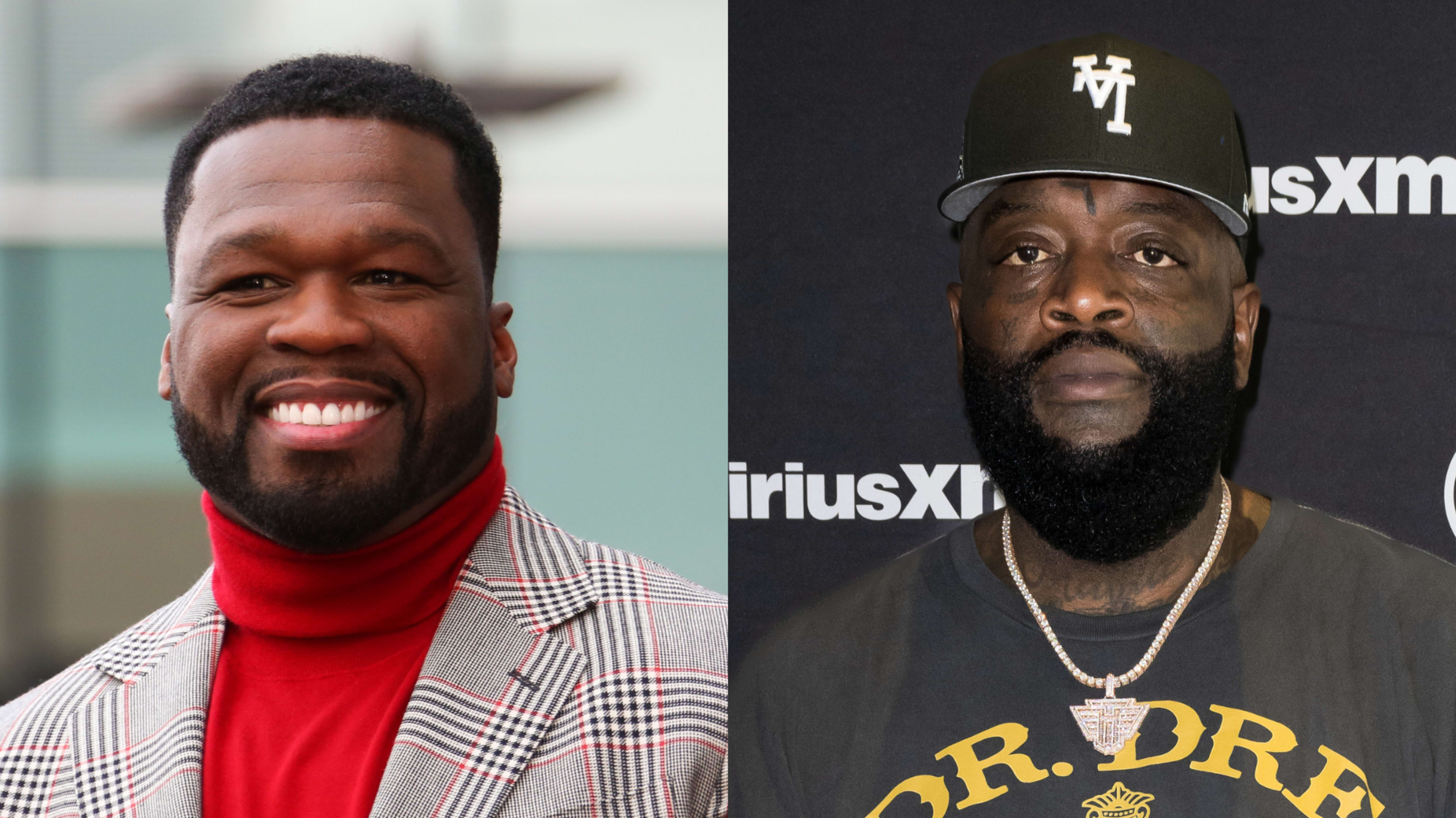
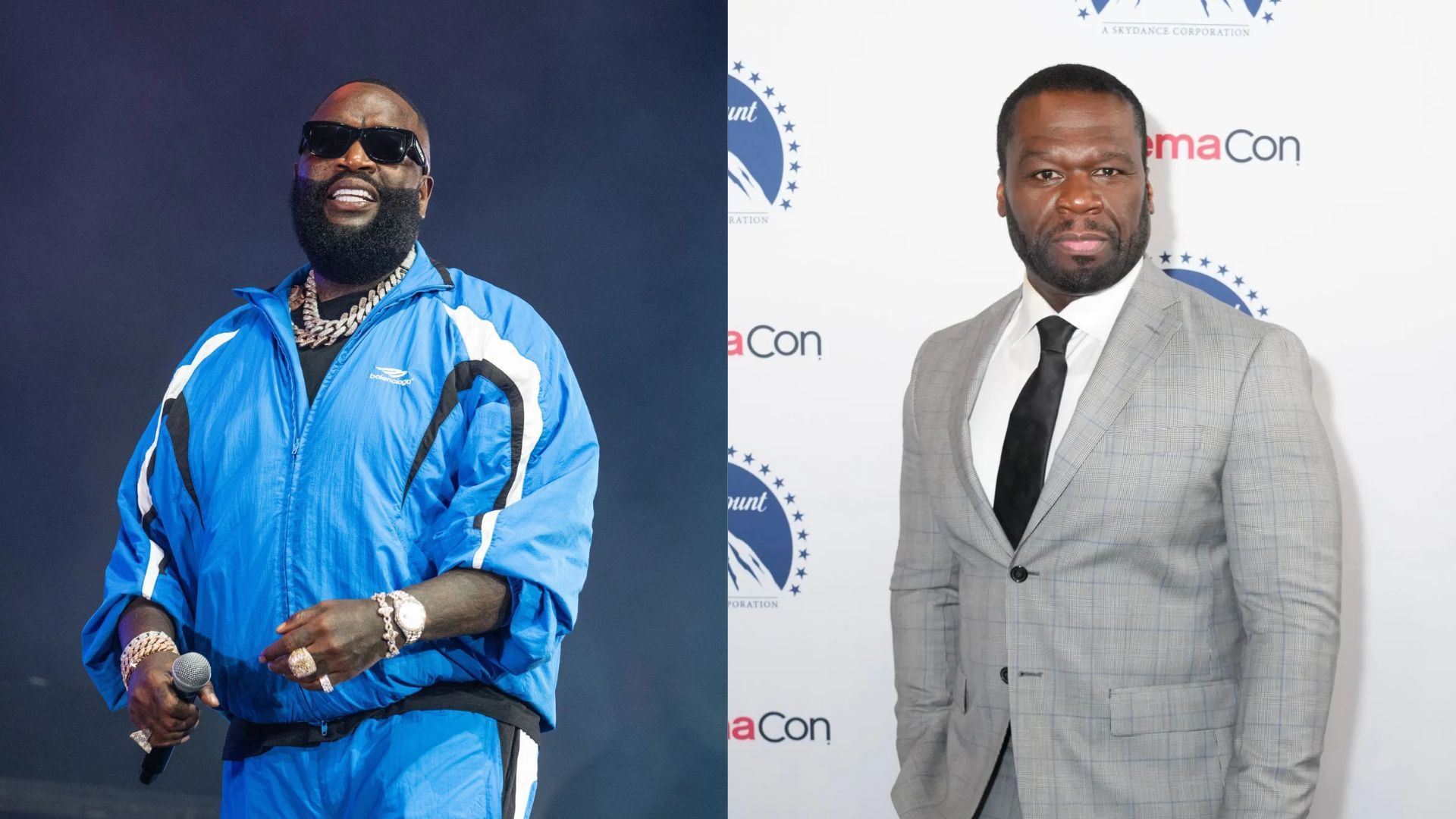
As of the close of 2025, 50 Cent (Curtis Jackson) maintains a higher estimated net worth than Rick Ross (William Leonard Roberts II). While both artists have successfully transitioned from music stardom to multifaceted entrepreneurship, 50 Cent’s aggressive diversification into television production, spirits, and multi-industry equity holdings has sustained a lead in overall valuation despite Rick Ross’s significant portfolio of real estate and franchise investments.
The Evolution of Hip-Hop Wealth
The modern music industry has shifted from a reliance on album sales and touring to a model dominated by equity ownership and corporate partnerships. Understanding the financial standing of Rick Ross and 50 Cent requires looking beyond their discographies. Both men utilized their initial fame as a springboard into high-level business, yet their strategies represent different schools of financial management.
For 50 Cent, the blueprint was defined early by his equity stake in Vitaminwater, a move that yielded a significant windfall upon its sale to Coca-Cola. This provided him with the liquid capital to explore various ventures, most notably G-Unit Film & Television. Conversely, Rick Ross has focused heavily on the acquisition of tangible assets, particularly commercial real estate and service-based franchises, alongside his lucrative partnership with Belaire and his record label, Maybach Music Group.
50 Cent: Diversification and Media Power
Curtis Jackson, known as 50 Cent, has built a financial framework that centers on content creation and high-margin product licensing. His most significant recent financial engine has been his production deal with Starz, which propelled the Power franchise into a massive multi-series universe. Even after his transition away from that specific network, the valuation of his production company remains a cornerstone of his portfolio.
Furthermore, his ventures in the spirits industry—specifically Sire Spirits—and his role as a producer and showrunner have allowed him to maintain a consistent cash flow. Unlike many artists who rely on liquid assets that fluctuate with market sentiment, 50 Cent’s wealth is bolstered by the ongoing intellectual property value of his television shows and his branding efforts. His financial history is marked by a willingness to pivot aggressively, a trait that has shielded him from the pitfalls often associated with volatile entertainment industry earnings.
Rick Ross: Real Estate and Franchise Expansion
Rick Ross has utilized a "land-first" philosophy to cement his financial standing. He is famously known for his massive real estate acquisitions, including his primary residence, a sprawling estate in Georgia that serves as both a home and a display of his long-term investment strategy. Ross views real estate as the bedrock of his wealth, preferring assets that appreciate over time and offer utility.
Beyond real estate, Ross has leaned into the franchise economy. He is a prominent owner of multiple Wingstop locations and has expanded into other fast-casual dining ventures. This strategy provides consistent, brick-and-mortar revenue that is largely independent of the cyclical nature of the music industry. His partnership with brands like Belaire Champagne has also proven to be a masterclass in celebrity-endorsed product integration, where his lifestyle is effectively marketed as a luxury standard.
Comparative Financial Frameworks
To understand why their valuations differ, it is necessary to contrast their approaches to asset allocation. 50 Cent prioritizes high-leverage intellectual property and corporate equity, while Rick Ross prioritizes physical infrastructure and localized business operations.
| Feature | 50 Cent | Rick Ross |
|---|---|---|
| Primary Wealth Driver | Intellectual Property / Media | Real Estate / Franchises |
| Industry Focus | Television, Spirits, Tech | Dining, Luxury Goods, Property |
| Business Strategy | High-Growth Corporate Equity | Tangible Asset Accumulation |
| Risk Profile | Growth-Oriented / Volatile | Stability-Oriented / Conservative |
The difference in their net worth as of 2025 is largely a result of the scale of 50 Cent’s corporate holdings versus the capital-intensive nature of Rick Ross’s property-heavy portfolio. While both have secured "wealth" in the traditional sense, their liquidity and debt-to-asset ratios differ significantly due to the nature of their respective holdings.
Addressing Market Volatility and Asset Valuation
A common misconception in celebrity finance is that net worth represents the cash in a bank account. For both 50 Cent and Rick Ross, "wealth" is tied up in complex structures: corporate shares, property equity, and licensing contracts.
In the case of 50 Cent, his valuation can shift based on the market performance of his production house and the general health of the entertainment sector. In the case of Rick Ross, his valuation is sensitive to commercial real estate trends and the stability of the food service industry. By 2025, the market’s valuation of intellectual property in the media space has remained consistently high, which has favored 50 Cent’s business model.
FAQ: Financial Standing and Business Strategies
Is 50 Cent’s net worth higher because of his music career?
No. While music provided the initial capital and public profile for both artists, their current wealth is derived almost exclusively from their secondary ventures. 50 Cent’s music career gave him the initial platform, but the bulk of his current valuation is attributed to his success as an executive producer and his previous business exits.
How does Rick Ross’s real estate impact his net worth?
Rick Ross’s real estate holdings contribute significantly to his net worth because they provide long-term appreciation and collateral for financing further business ventures. However, real estate is a less liquid asset compared to equity in a profitable television production company, which accounts for the valuation gap between him and 50 Cent.
Do these artists compete financially?
The public rivalry between the two is well-documented, but from a professional standpoint, they occupy different niches. Their financial "competition" is often performative, serving to build their respective brands. In reality, their paths to wealth have been distinct, with neither relying on the other's business model to succeed.
What are the main risks to their respective business models?
50 Cent faces risks related to market saturation in the television industry and the reliance on network partnerships. Rick Ross faces risks associated with the overhead costs of maintaining massive real estate assets and the operational margins inherent in the fast-food franchise sector.
Will these rankings change in the near future?
In the world of high-net-worth individuals, rankings are subject to rapid change based on acquisitions, stock market shifts, or new business ventures. Both 50 Cent and Rick Ross continue to expand their portfolios, meaning a new deal or asset sale could theoretically shift the balance of their financial standing at any point.
Strategic Next Steps for Wealth Management
For those looking at these figures as a study in wealth management, the lesson is not necessarily to choose one path over the other, but to identify the risk-to-reward ratio that fits one's own goals. 50 Cent’s approach demonstrates the power of scaling intellectual property, whereas Rick Ross’s model demonstrates the stability of owning physical infrastructure.
Readers should note that celebrity financial reporting is often based on estimates derived from public records and industry analysis, which may not account for private debt or undisclosed tax liabilities. Any individual looking to emulate these strategies should prioritize financial literacy, professional accounting, and a clear understanding of the tax implications involved in holding corporate equity versus real estate.