Richard Starkey, professionally known as Ringo Starr, is an English musician, singer, and songwriter who achieved worldwide fame as the drummer for the Beatles. Beyond his pivotal role in one of the most influential bands in history, he has maintained a prolific solo career, pioneered various drumming techniques, and served as a significant cultural figure throughout the late 20th and early 21st centuries.
Early Life and Formative Years
Born on July 7, 1940, in Liverpool, England, Richard Starkey grew up in the Dingle area. His childhood was marked by severe health complications, including peritonitis and tuberculosis, which resulted in prolonged hospitalizations and interrupted his formal schooling. It was during his recovery periods in hospital environments that Starkey first engaged with percussion instruments, a hobby that would eventually become his life’s work.
Starkey’s entry into the professional music circuit began in the late 1950s. He joined the Eddie Clayton Skiffle Group and later became a member of Rory Storm and the Hurricanes, a popular Liverpool beat group. This experience allowed him to hone his stagecraft and rhythm section precision. In August 1962, he was recruited by the Beatles to replace their former drummer, Pete Best, just as the band was poised to record their first major studio sessions.
The Beatles and Percussive Innovation
Starkey’s contribution to the Beatles was not merely functional; he provided a rhythmic foundation that enabled the band’s melodic experimentation. Critics and musicologists often point to his unique "left-handed" drumming style—he played on a right-handed kit—which resulted in a distinctive, idiosyncratic approach to fills and timing. His tendency to lead with his left hand often produced a "lazy" or "behind the beat" feel that became a hallmark of the Beatles' sound.
Throughout the band's tenure, from their early Merseybeat hits to the experimental recordings of the late 1960s, Starkey adapted to changing production demands. His work on tracks such as "Rain," "Come Together," and "Tomorrow Never Knows" displayed a sophisticated use of studio effects and unconventional rhythmic patterns. His ability to serve the song rather than showcase technical virtuosity influenced generations of rock drummers who followed.
Solo Career and Post-Beatles Endeavors
Following the dissolution of the Beatles in 1970, Starkey embarked on a varied career that encompassed music, film, and television. His solo output includes a string of successful albums, most notably Ringo (1973) and Goodnight Vienna (1974), both of which featured contributions from his former bandmates.
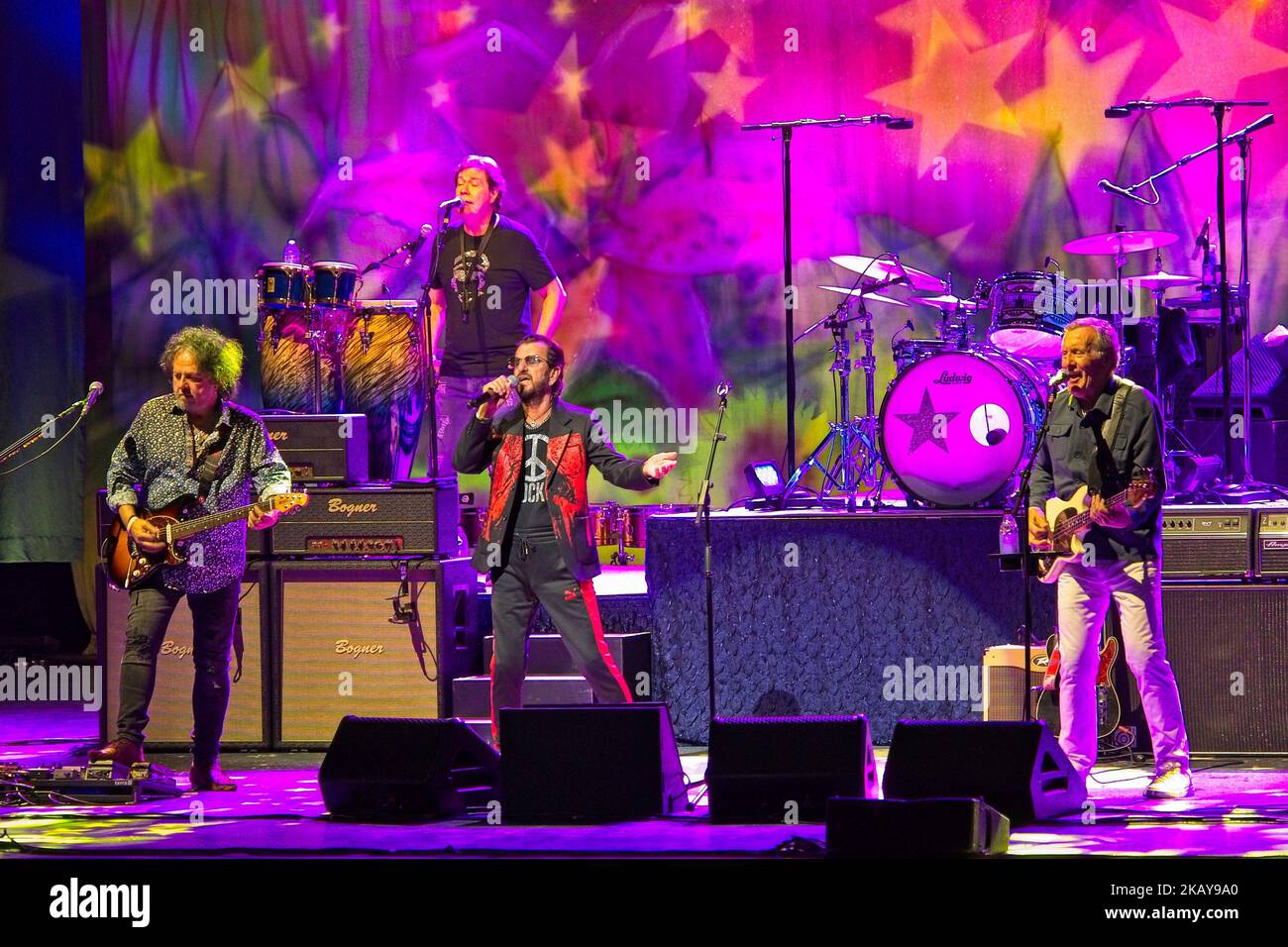
In 1989, he formed the first iteration of the All-Starr Band. This touring ensemble was designed as a rotating collective of established musicians, allowing Starkey to perform his own hits alongside the signature songs of his bandmates. As of 2026, the All-Starr Band remains an active entity, showcasing Starkey's enduring presence in the live performance industry and his commitment to collaborative music-making.
Notable Career Milestones and Achievements
Starkey’s professional trajectory has been recognized through numerous accolades and inductions. His career can be categorized by several distinct phases, each defined by different collaborative environments and artistic goals.
| Era | Primary Focus | Notable Accomplishments |
|---|---|---|
| 1962–1970 | The Beatles | Global commercial success, innovation in studio production. |
| 1970–1980 | Solo Studio Albums | Top-ten chart hits including "Photograph" and "You're Sixteen." |
| 1989–Present | All-Starr Band | Extensive global touring and multi-artist collaboration. |
| 2015 | Rock & Roll Hall of Fame | Induction as a solo artist. |
The transition from a band member to a bandleader required significant shifts in his professional responsibilities. While his role in the Beatles was to anchor a unit, his solo career required him to curate personnel, manage touring logistics, and act as the primary face of his own production house.
Cultural Impact and Legacy
Starkey’s influence extends beyond the drum kit. He was a central figure in the cultural shifts of the 1960s and has remained a consistent media presence. His work as a narrator for the children's television series Thomas & Friends introduced him to a younger generation, further solidifying his status as a versatile performer.
His approach to drumming is frequently cited in music education as an example of "economy of movement." Rather than relying on complex polyrhythms, he emphasized stability and the importance of the "pocket"—the rhythmic space between beats. This philosophy has arguably made his drumming patterns among the most studied and imitated in the history of rock music.
Navigating the Archive: Frequently Asked Questions
How did Richard Starkey develop his drumming style?
Starkey’s style was largely self-taught, influenced by the American jazz and R&B records he listened to in his youth. Because he played a right-handed drum kit but was naturally left-handed, he developed a unique approach to striking the snare and cymbals. This resulted in a rhythmic "swing" that became an essential element of the Beatles' recorded sound.
What is the All-Starr Band?
The All-Starr Band is a recurring touring project organized by Starkey that features a rotating lineup of famous musicians. Each member is invited to perform their own hits, while Starkey provides the rhythmic foundation. This format allows audiences to hear a "greatest hits" variety show that bridges multiple decades of popular music.
Is Richard Starkey still performing in 2026?
Yes, as of 2026, Richard Starkey remains an active musician. He continues to record new material and maintains a regular touring schedule with the All-Starr Band, participating in live concert events and international tours.
How many solo albums has Richard Starkey released?
Starkey has released over 20 studio albums throughout his career. While his most commercially significant work occurred in the 1970s, he has maintained a consistent output of new recordings, often collaborating with contemporary artists and frequent long-term contributors.
Where can one access official information about his current tours?
Official information regarding concert dates, ticket availability, and legacy projects is maintained through his verified digital portals and social media channels. Prospective attendees should verify tour schedules only through official artist websites or authorized ticket vendors to avoid third-party reseller premiums.
Next Steps for Enthusiasts and Researchers
For those interested in exploring the work of Richard Starkey in greater depth, the following actions are recommended:
- Audio Analysis: Listen to isolated drum tracks from the Beatles’ later studio albums to hear the nuances of his production choices and microphone placement.
- Performance Review: Evaluate archival footage of the All-Starr Band to observe the evolution of his leadership style and how he integrates different musical genres into his setlists.
- Biography Verification: Consult documented interviews and the official Beatles anthology for firsthand accounts of his early experiences in Liverpool, which provide context for his later creative decisions.
By focusing on the intersection of his technical contributions and his long-term career management, researchers can gain a comprehensive understanding of how Starkey maintained relevance in the music industry for over six decades.