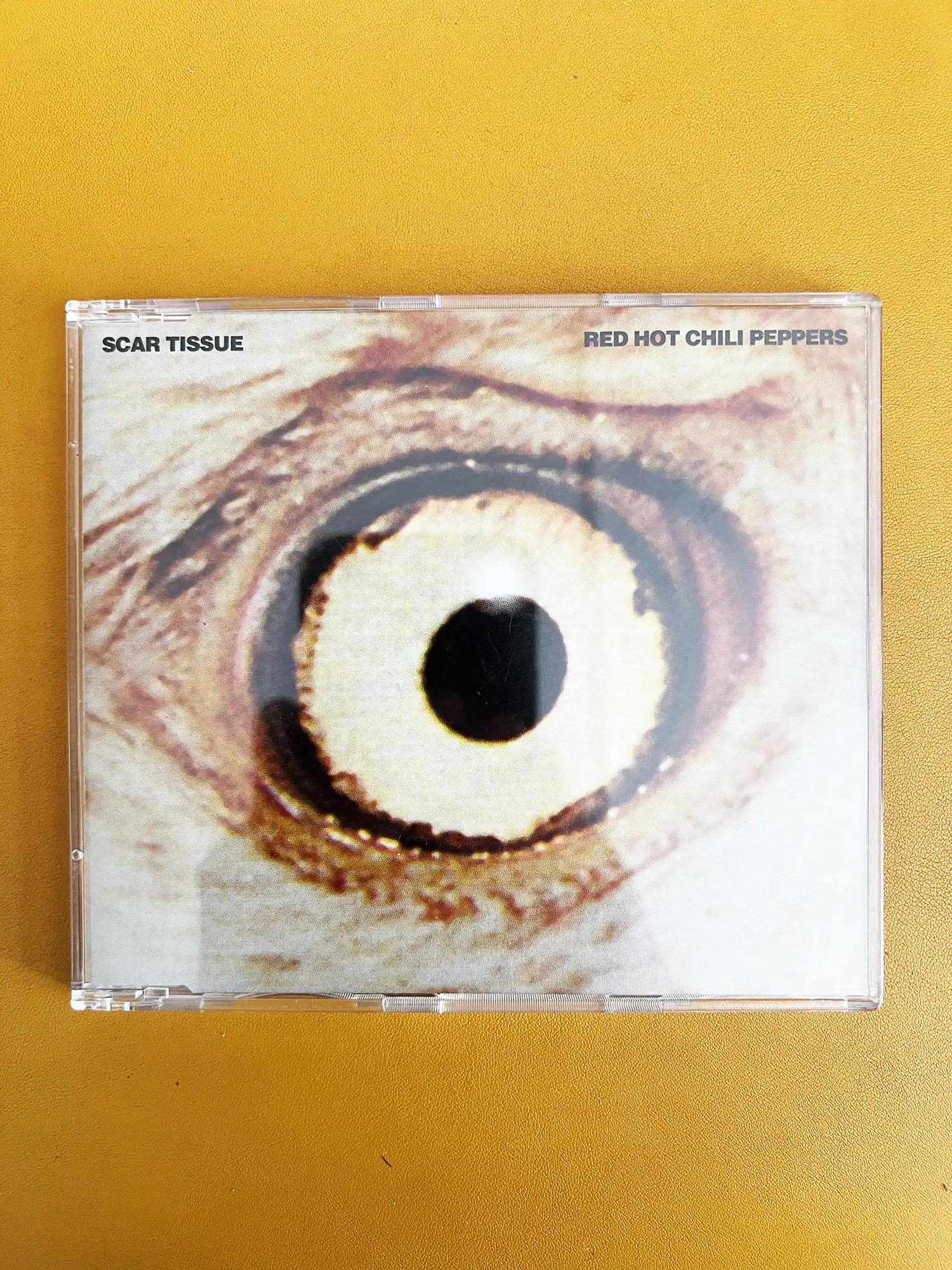
"Scar Tissue," released in 1999 as the lead single from the Red Hot Chili Peppers’ seventh studio album, Californication, serves as a defining moment in the band's transition toward a more melodic, introspective sound. The track navigates themes of personal recovery, the scars left by past substance abuse, and the resilience required to forge a new path. Commercially, it stands as one of the band’s most successful releases, solidifying their dominance in the alternative rock landscape of the late 90s and early 2000s.
Thematic Depth and Lyrical Interpretation
At its core, "Scar Tissue" is a reflection on the aftermath of addiction and the emotional topography of Los Angeles, a recurring muse for lead singer Anthony Kiedis. The lyrics serve as a metaphor for the physical and psychological marks left by years of high-intensity living. When Kiedis sings, "Scar tissue that I wish you saw / Sarcastic mister know-it-all," he is acknowledging the dichotomy of his public persona versus his internal struggle for vulnerability.
The phrase "scar tissue" itself functions as a symbol of healing. Just as biological scar tissue is tougher and less elastic than the skin it replaces, the emotional scar tissue described in the song represents the hardening that occurs after trauma. However, there is a sense of optimism woven into the verses. The line "With the birds I'll share this lonely view" suggests an acceptance of the past, marking a shift from the self-destructive hedonism of the band’s earlier works to a contemplative, mature outlook.
John Frusciante’s return to the band for the Californication sessions was instrumental in shaping the song’s atmosphere. His minimalist, melodic slide-guitar work provides a melancholic backdrop that elevates the lyrics. The song does not wallow in misery; rather, it documents the process of moving forward while carrying the weight of history. This blend of resignation and hope resonates with the listener because it mirrors the universal human experience of surviving difficult chapters and attempting to integrate those experiences into a new identity.
Recording and Compositional Style
The creation of "Scar Tissue" represented a significant shift in the Red Hot Chili Peppers' musical identity. During the writing process, the band opted for a less aggressive, funk-heavy approach, favoring atmospheric textures and melodic layering. This change was largely credited to the creative synergy between guitarist John Frusciante and bassist Flea.
The studio production, overseen by Rick Rubin, emphasized clarity and space. Unlike their previous efforts, which often relied on complex, high-energy interplay, "Scar Tissue" relies on a steady, driving rhythm section paired with Frusciante’s iconic, cascading guitar lines. The technical depth of the guitar work is deceptively simple; it focuses on tone, reverb, and phrasing rather than technical virtuosity. This stylistic choice allowed the song to cross over into mainstream radio, appealing to a wider demographic beyond the band's traditional alternative rock fanbase.
Chart Performance and Historical Context
"Scar Tissue" was a juggernaut upon its release in mid-1999. It reached number 8 on the Billboard Hot 100, a significant achievement for a band that had been active for nearly two decades at that point. More impressively, it dominated the rock charts, spending 16 consecutive weeks at number one on the Billboard Modern Rock Tracks chart. This remains one of the longest-running number-one singles in the history of that specific chart.
The success of the single was bolstered by an iconic music video directed by Stéphane Sednaoui, which depicted the band members battered and bruised, driving a dilapidated car through the California desert. The visual narrative reinforced the lyrical themes of resilience and surviving the "road" of life. The commercial impact of the song was not merely a momentary peak; it acted as the catalyst that propelled Californication to multi-platinum status, successfully reintroducing the Red Hot Chili Peppers to a new generation of listeners as the decade turned.
Statistical Overview of Impact
| Metric | Detail |
|---|---|
| Release Year | 1999 |
| Billboard Hot 100 Peak | #8 |
| Modern Rock Tracks Peak | #1 (16 Weeks) |
| Album Origin | Californication |
| Grammy Award Recognition | Best Rock Song (2000) |
| Songwriter(s) | Kiedis, Flea, Frusciante, Smith |
Critical Reception and Long-term Legacy
Upon its release, the song received widespread acclaim for its emotional maturity. Critics noted that it signaled a "coming of age" for the Red Hot Chili Peppers. While earlier hits like "Give It Away" were praised for their kinetic energy, "Scar Tissue" earned respect for its restraint and songwriting craft.
In the years since 1999, the song has maintained a consistent presence in rock radio and streaming playlists. It is often cited as a definitive example of late-90s alternative rock, balancing commercial appeal with genuine artistic expression. The song’s legacy is also tied to the band’s evolution; it provided the blueprint for the more introspective, ballad-heavy style that the band would continue to explore on later albums like By the Way and Stadium Arcadium.
Frequently Asked Questions
What do the lyrics "Scar tissue that I wish you saw" imply?
The lyric suggests a desire for genuine connection and understanding. By wanting someone to "see" the scar tissue, the narrator is expressing a need to be understood in his entirety, including his vulnerabilities and the marks left by his past, rather than being judged solely on his public persona.
How did John Frusciante influence the sound of this song?
Frusciante’s minimalist approach was central to the song's identity. His use of slide guitar and deliberate, sparse phrasing moved the band away from their earlier, more chaotic funk style and toward the cleaner, more melodic rock sound that defined the Californication era.
Why is "Scar Tissue" considered a turning point for the band?
It marked a definitive move toward melodic songwriting. Before this era, the band was often categorized by their aggressive funk-rock fusion. "Scar Tissue" demonstrated their ability to produce radio-friendly, introspective music without losing the core identity of their musical partnership.
What is the significance of the song's chart longevity?
The 16-week run at the top of the Modern Rock charts was unprecedented at the time. It proved that the band had deep, multi-generational appeal and that their shift in musical direction was embraced by both long-time fans and new listeners.
Recommendations for Further Listening and Study
For those interested in understanding the full context of this period in the band's history, the documentary Funky Monks provides a look into the band’s creative process, though it focuses on an earlier era, and the 2011 documentary Red Hot Chili Peppers: Behind the Music offers deeper insight into the band's internal dynamics and the era surrounding Californication. To appreciate the technical aspects of the song, analyzing the isolated guitar tracks—often available through authorized educational channels—can reveal the nuances of Frusciante’s playing style that are often buried in the full mix.
If you are looking to explore the band's evolution further, comparing "Scar Tissue" to earlier tracks like "Under the Bridge" or later compositions like "Dosed" provides a clear roadmap of how the band’s lyrical focus shifted from external, lifestyle-based observations to internal, reflective narratives.