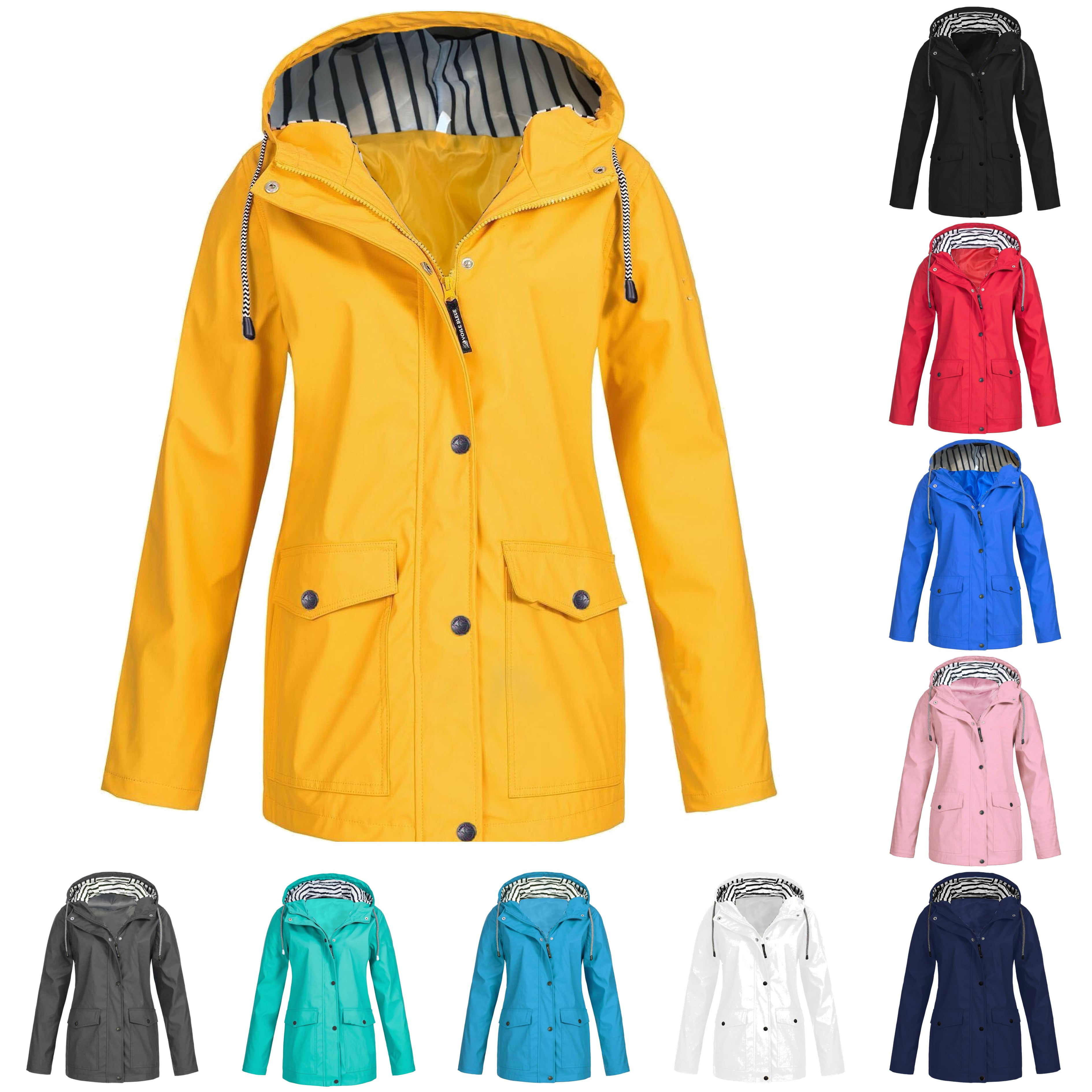
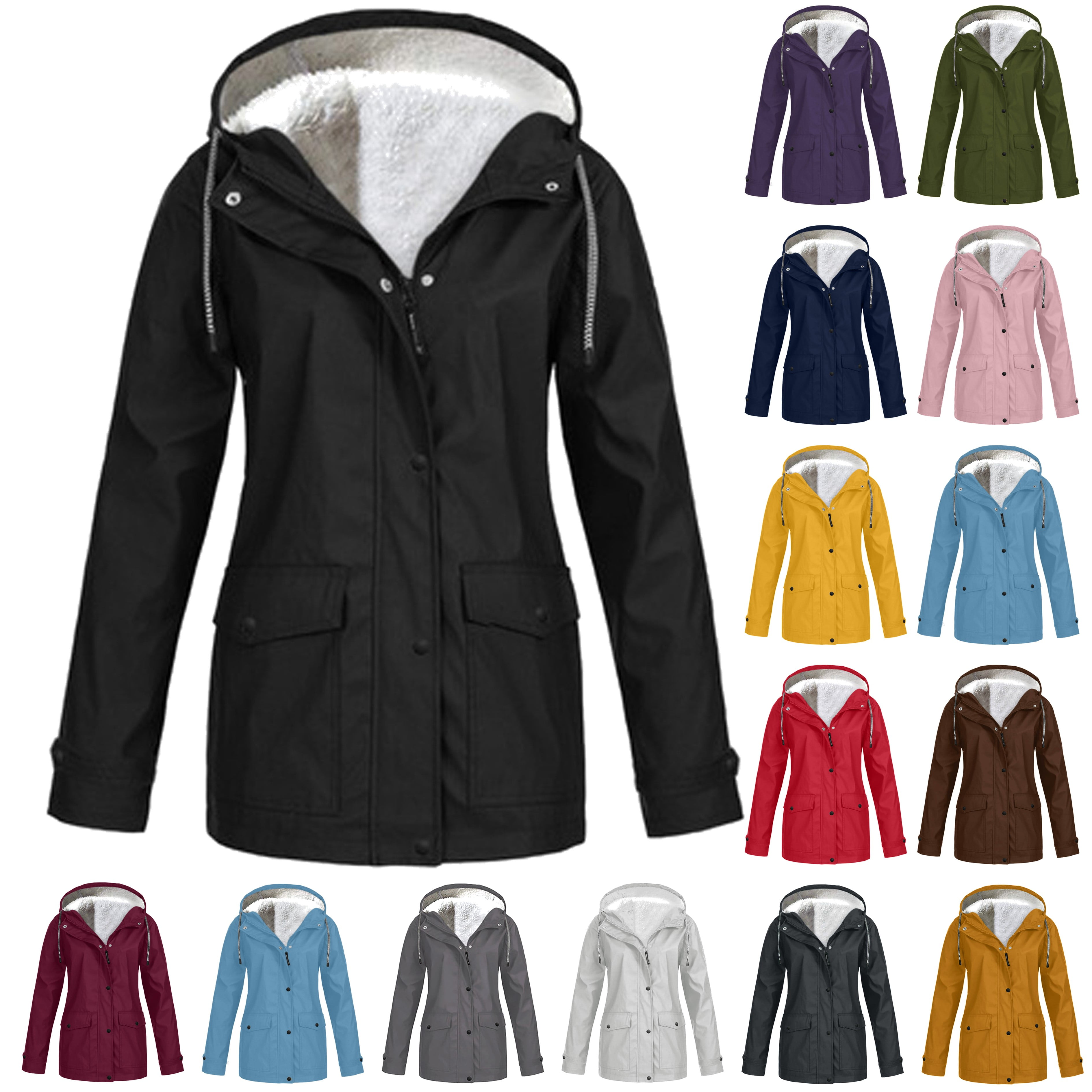
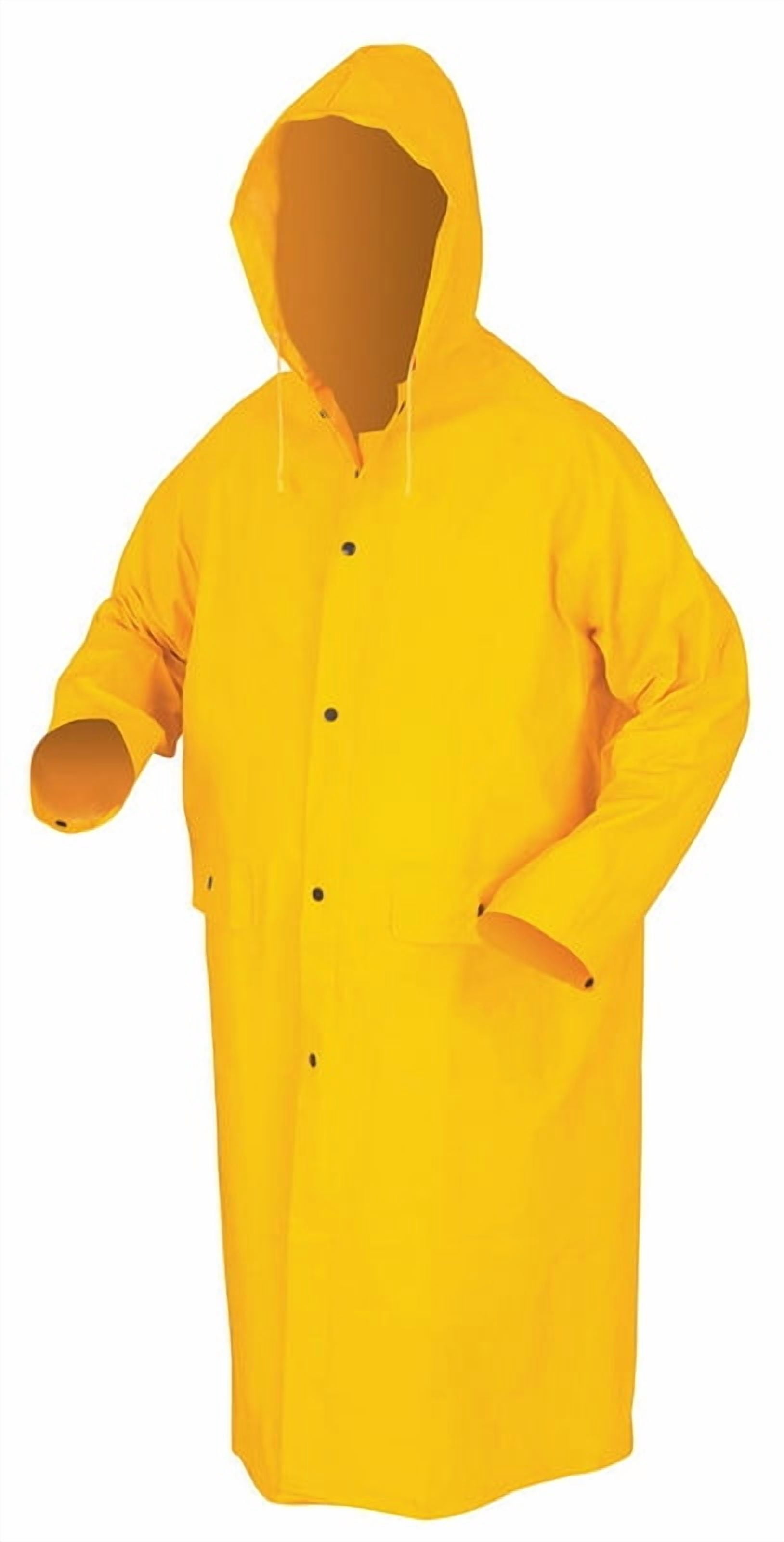
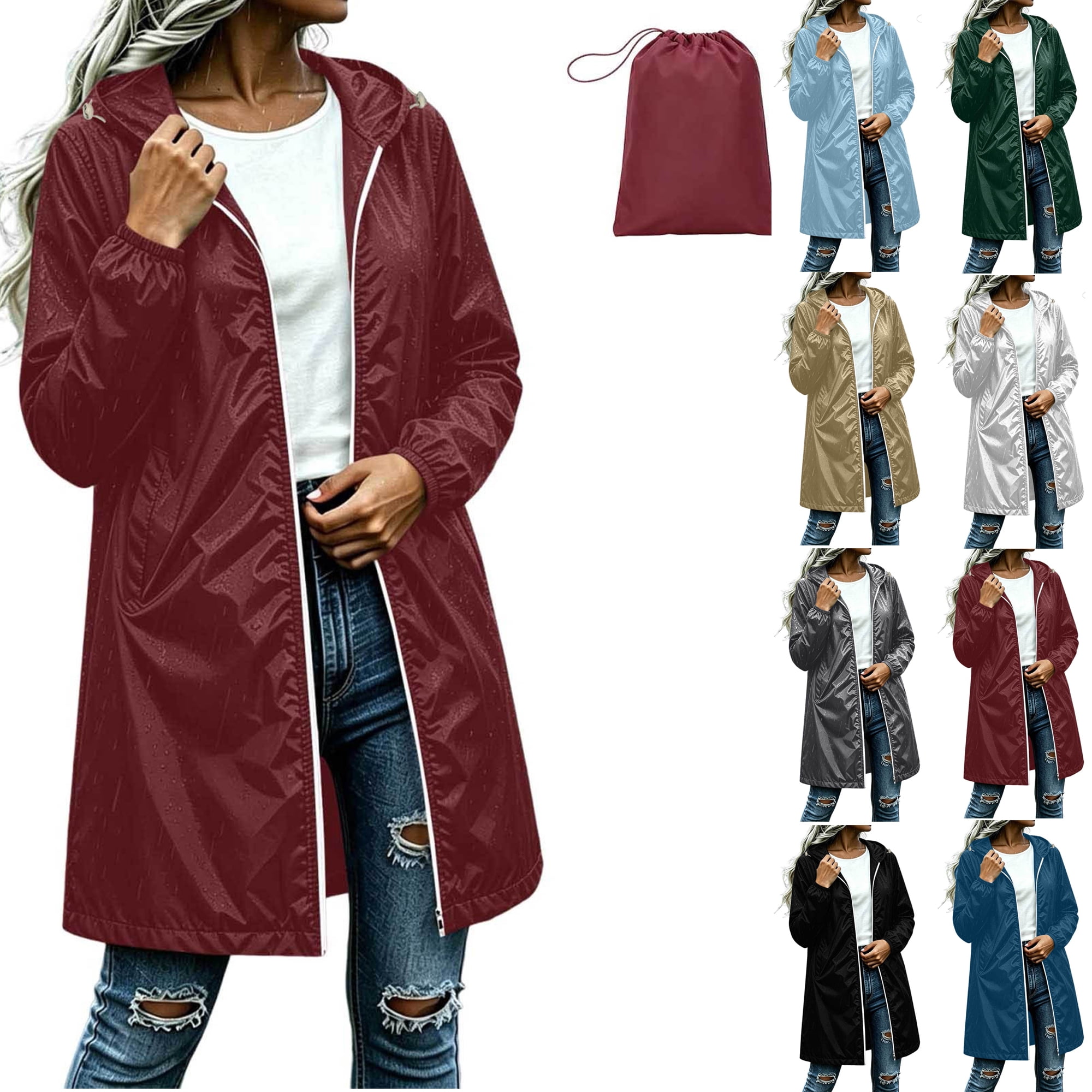
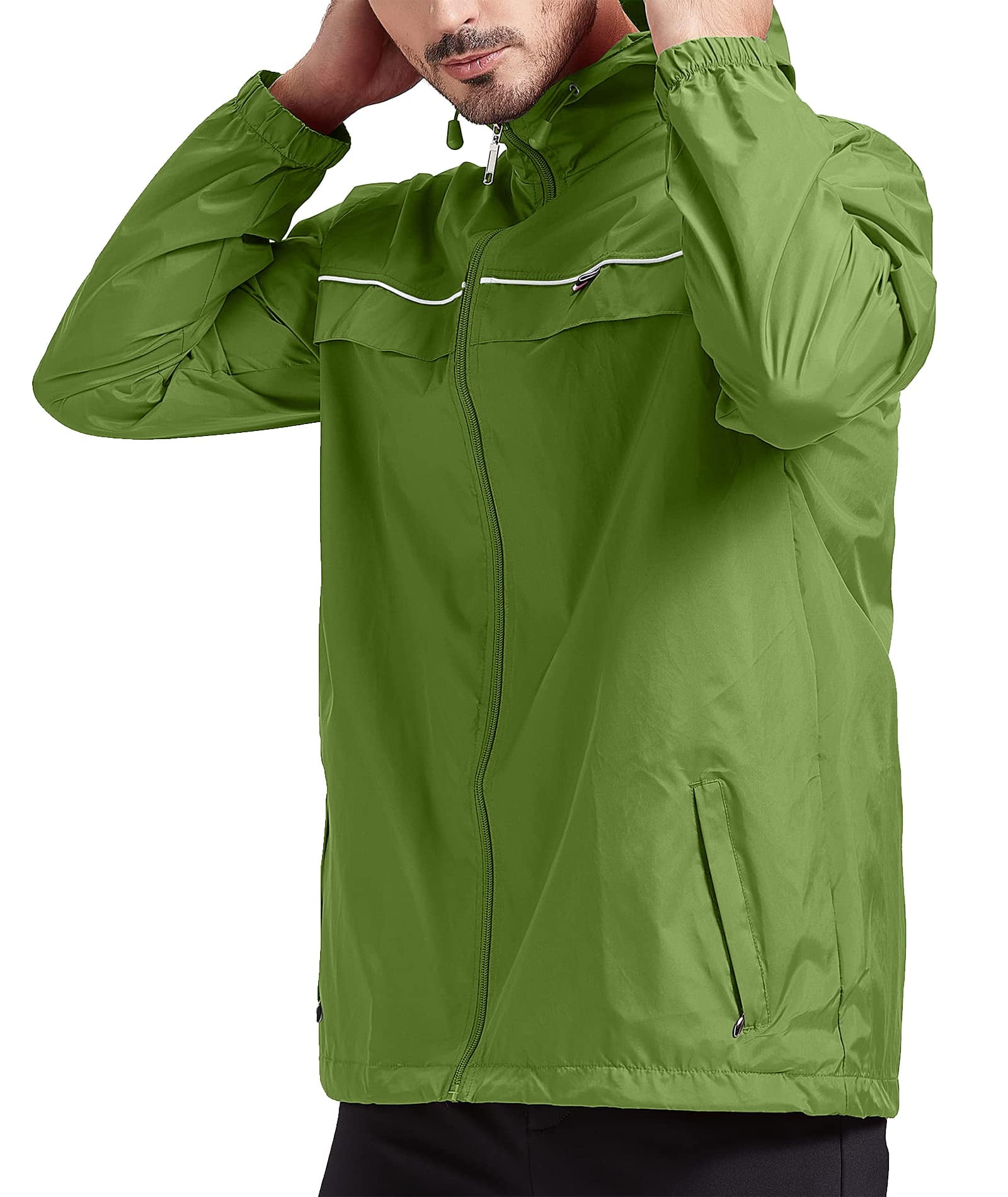
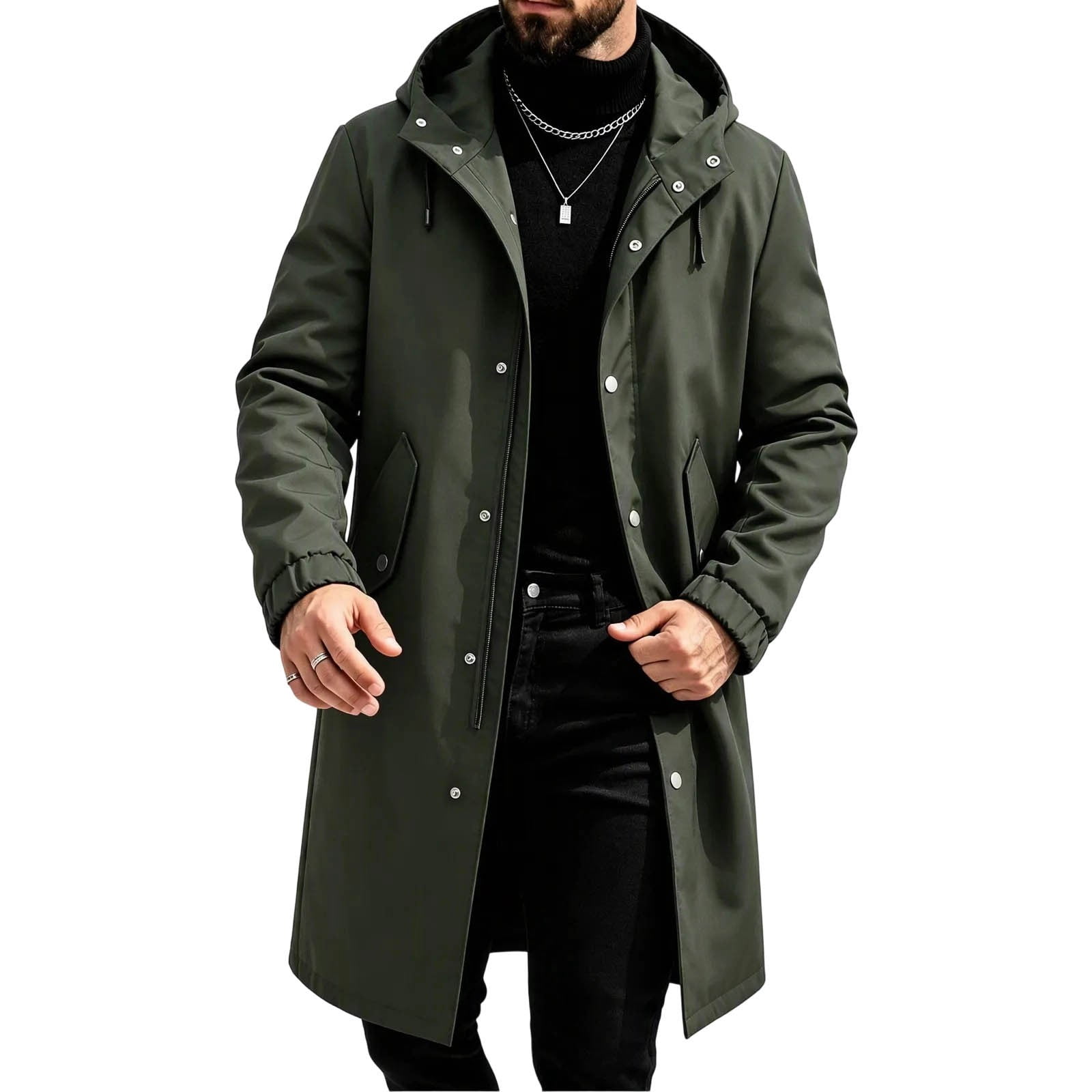
A high-quality rain jacket is a technical garment engineered to provide a barrier against precipitation while facilitating the escape of internal moisture vapor. Selecting the correct model requires evaluating its waterproof-breathability rating, construction method, and intended environmental use, ensuring the jacket functions effectively during prolonged exposure to inclement weather.
The Science of Waterproof-Breathability
The primary challenge in rain jacket design is balancing two contradictory requirements: keeping liquid water out and allowing body-generated water vapor to escape. If a jacket is completely impermeable, perspiration condenses on the interior, leaving the wearer damp despite the lack of external rain. This is mitigated through the use of advanced membranes and coatings.
Waterproof efficacy is measured by the ability of the fabric to withstand a column of water before leakage occurs, typically expressed in millimeters (mm). A jacket with a 10,000mm rating can hold a 10,000mm column of water over a square inch of fabric for 24 hours before saturation. For light, intermittent rain, 5,000mm to 10,000mm is often sufficient; however, for extended exposure or high-altitude alpine conditions, ratings of 20,000mm and above are the industry standard.
Breathability is measured by the Moisture Vapor Transmission Rate (MVTR), indicating how many grams of water vapor can pass through a square meter of fabric over 24 hours. A rating of 10,000g/m²/24h is considered a baseline for active use, while 20,000g/m²/24h or higher is preferred for high-exertion activities like hiking or climbing.
Construction and Layering Systems
Manufacturers use three primary construction methods to balance weight, durability, and performance. Understanding these structures is essential for determining the garment's lifecycle and intended application.
- 2-Layer (2L): This consists of an outer shell fabric bonded to a waterproof membrane, with a separate hanging liner added to protect the membrane from body oils and abrasion. These are generally heavier, softer, and quieter (less "crinkly") than other types, making them ideal for urban commuting or light casual use.
- 2.5-Layer (2.5L): These jackets feature a shell and a membrane, but instead of a full liner, they use a protective "half-layer"—a printed pattern of material—applied directly to the interior of the membrane. This creates a lightweight, compressible jacket that is highly packable but often less breathable and durable than 3-layer alternatives.
- 3-Layer (3L): The gold standard for technical performance, a 3L jacket sandwiches the waterproof-breathable membrane between a rugged outer face fabric and a solid inner lining. This construction maximizes durability and moisture management, making it the required choice for professional guides, mountaineers, and long-term backcountry travel.
Key Features for Functional Performance
Beyond the base fabric, the architecture of the jacket significantly impacts its utility in the field. Essential design elements include the type of seam sealing, zipper construction, and hood articulation.
Taped seams are non-negotiable for a true rain jacket. Even waterproof fabric will leak at the needle holes where panels are stitched together. Factory-taped seams use heat-applied adhesive strips to seal these gaps. When assessing a jacket, confirm the description explicitly states "fully taped seams" rather than just "critically taped," which only covers the shoulders and neck.
Zipper technology has evolved from standard coil zippers to water-resistant and waterproof varieties. While water-resistant zippers (often rubberized) reduce bulk and weight, they can be stiffer and more prone to wear. Underarm ventilation zippers, commonly called "pit zips," are a vital feature for high-exertion activities, allowing the wearer to dump excess heat without removing the jacket or exposing the torso to rain.
Comparative Overview of Rain Jacket Types
| Category | Typical Rating | Best Use Case | Weight |
|---|---|---|---|
| Emergency Shell | 5k–10k mm | Ultralight, short trips | Very Low |
| Active/Hiking | 15k–20k mm | Backpacking, cycling | Low to Medium |
| Alpine/Mountaineering | 20k+ mm | Severe, prolonged storms | High |
| Everyday/Commuter | 5k–10k mm | Urban, light showers | Medium |
Maintenance and Long-term Care
The performance of a rain jacket is heavily dependent on the Durable Water Repellent (DWR) coating applied to the outer face fabric. The DWR is not what makes the jacket waterproof; rather, it causes water to bead up and roll off the surface. If the DWR fails, the outer fabric "wets out" (soaks up water). While the internal membrane will still prevent water from reaching the skin, the saturated outer fabric inhibits breathability, causing moisture to accumulate on the inside.
To maintain DWR effectiveness, the jacket must be kept clean. Body oils, sunscreen, and trail grit can clog the membrane and degrade the coating. Users should wash their jackets using technical cleaners designed for outdoor gear, avoiding standard laundry detergents which contain surfactants that can leave residues behind. After washing, a short, low-heat cycle in a dryer or the application of an iron on a low, non-steam setting can help "re-activate" the DWR. If water no longer beads on the surface after cleaning, applying a spray-on or wash-in DWR treatment is necessary.
Common Selection Mistakes
Many consumers err by selecting a jacket solely based on aesthetic or casual criteria, ignoring the trade-offs between protection and ventilation. A frequent mistake is failing to account for the jacket's intended "fit" during the shopping process. A technical rain jacket should be sized to allow for "layering"—the ability to comfortably wear a base layer and an insulating mid-layer (like a fleece or down jacket) underneath.
Another common oversight is ignoring the hood design. A hood that cannot be adjusted, or one that lacks a stiffened brim, will collapse over the eyes or fail to turn with the wearer's head, significantly compromising peripheral vision during a storm. Adjustable drawstrings at the back of the head and around the face are essential for securing the hood in high-wind conditions.
Frequently Asked Questions
Is a waterproof jacket the same as a water-resistant jacket?
No. Water-resistant garments are typically treated with a DWR coating but lack a physical waterproof-breathable membrane or fully sealed seams, meaning they will eventually soak through in steady or heavy rain. A truly waterproof jacket must feature a membrane (such as ePTFE or PU) and taped seams.
Can I machine wash my rain jacket?
Yes, and you should. Most manufacturers recommend washing synthetic shells regularly to remove contaminants that degrade performance. Always follow the garment's specific care label, use a technical gear cleaner, and ensure all zippers and velcro tabs are closed before putting the jacket in the machine.
Do I need a three-layer jacket for light rain?
No. For light rain, urban settings, or short walks, a 2-layer or 2.5-layer jacket provides sufficient protection at a lower cost and weight. 3-layer jackets are specialized tools designed for high-stress environments where extreme weather protection and long-term durability are the priority.
How do I know if my DWR is failing?
If water starts to soak into the outer fabric—changing its color to a darker shade—instead of beading up into distinct droplets that roll off, the DWR has reached its limit. This "wetting out" is not a sign that the jacket is broken, but that the surface chemistry needs to be replenished.
Are heavier jackets always more waterproof?
No. Waterproofness is determined by the internal membrane and the tightness of the weave, not the thickness of the outer fabric. Heavier jackets generally offer higher abrasion resistance (durability against rock, thorns, or heavy backpacks), not necessarily superior protection against water itself.
Recommendations for Purchase
When selecting a rain jacket in 2026, prioritize the activity that represents 80% of your usage. If you are a casual user, focus on weight and comfort; look for 2-layer constructions that offer flexibility. If your plans involve technical mountain travel, prioritize a 3-layer model with high hydrostatic head ratings (20,000mm+) and full-length pit zips. Ensure the garment includes an adjustable, helmet-compatible hood if there is any chance you will be using a climbing or cycling helmet. Verify that the cut allows for a full range of arm movement without the hem of the jacket lifting above your waist, which is a common failure point for keeping the lower torso dry.