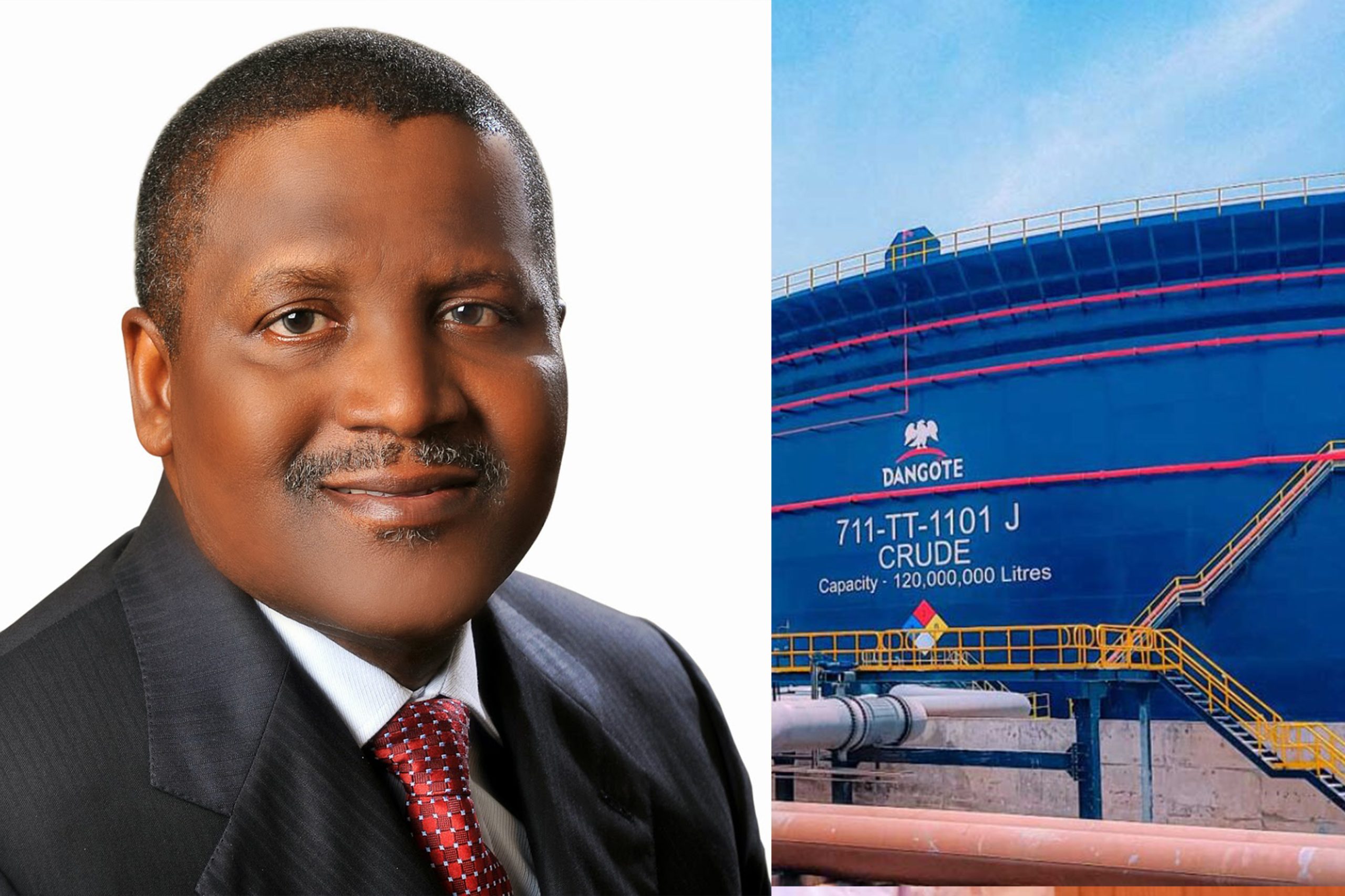
LAGOS — Operating at unprecedented scale, the raffinerie dangote has officially transitioned from a regional infrastructure gamble into a dominant force reshaping global petroleum trade routes, forcing international traders and state-backed monopolies to rapidly recalibrate their supply chains.
Observing the current market trend from key trading hubs in London and Lagos, industry insiders confirm that the massive facility is aggressively ramping up utilization rates, directly challenging traditional European refined product exporters. As West Africa’s energy landscape undergoes this seismic shift, regulatory authorities, domestic distributors, and international maritime brokers are monitoring every barrel leaving the Lekki Free Zone.
| Quick Facts | Details |
|---|---|
| Asset Name | raffinerie dangote |
| Location | Lekki Free Zone, Lagos, Nigeria |
| Design Capacity | 650,000 barrels per day (bpd) |
| Primary Output | Euro-V specification Gasoline, Diesel, Jet A-1, Kerosene |
| Strategic Impact | Reduction of West African fuel import reliance, shifting Atlantic Basin arbitrage |
The Catalyst: Why raffinerie dangote is Dominating Global Energy Discourse
The rapid scaling of the raffinerie dangote comes at a critical juncture for international commodity markets. Reports from the field indicate that the refinery's relentless push for domestic and regional crude feedstock allocation has effectively short-circuited traditional West-East gasoline and middle-distillate arbitrage loops.
European refiners, long accustomed to utilizing West Africa as a reliable dumping ground for surplus petroleum products, are now facing an existential demand contraction. By pivoting to local crude sourcing—predominantly orchestrated through agreements involving the Nigerian National Petroleum Company (NNPC) and international majors—the facility is bypassing traditional petrodollar结算 hurdles and slashing logistical overhead.
However, operational integration has not been entirely frictionless. Market observers note ongoing friction regarding crude supply pricing mechanisms, currency liquidity constraints, and infrastructural bottlenecks tied to coastal evacuation terminals. Despite these headwinds, the physical volume of refined products hitting the regional market is undeniably compressing margins for historical import-dependent marketers.
Expert Analysis & Implications
From a macroeconomic standpoint, the operational maturity of the raffinerie dangote offers a masterclass in import substitution at a continental scale. Financial analysts tracking the Nigerian macroeconomic climate point to potential foreign exchange preservation as the single most critical byproduct of the refinery's full capacity deployment.
- Current Account Relief: Substantial reduction in refined product import bills directly alleviates chronic pressure on Nigerian foreign exchange reserves.
- Logistics Deficit: Domestic distribution networks, particularly coastal vessels and inland trucking fleets, are experiencing severe strain due to the sheer volume of outbound product.
- Specification Upgrades: The mandatory regional shift toward cleaner, Euro-V compliant fuels is forcing legacy independent marketers to either modernize or risk regulatory obsolescence.
Geopolitically, the facility serves as a template for emerging economies seeking resource sovereignty. Rather than exporting crude only to re-import finished petrochemicals at inflated global market rates, the plant internalizes the value-add chain. This dynamic is already altering trade flows across the Economic Community of West African States (ECOWAS), positioning Nigeria as a net exporter of refined products rather than a perpetual consumer.
Consumer and Commercial Impact: Navigating the New Fuel Economy
For end-users, industrial manufacturers, and independent downstream operators, the maturation of the raffinerie dangote translates into a volatile yet evolving pricing environment. While pump prices remain subject to complex domestic subsidy removal policies and foreign exchange fluctuations, baseline product availability has noticeably stabilized across urban centers.
Commercial fleet operators and airlines are increasingly factoring direct off-take agreements from the Lekki complex into their long-term operational expenditure models. Security of supply has superseded pure spot-market price hunting, particularly given global geopolitical instabilities affecting traditional maritime chokepoints. Stakeholders across the supply chain must adapt procurement strategies to favor regional refinery output over volatile cargo imports arriving from Amsterdam-Rotterdam-Antwerp (ARA) hubs.
The Road Ahead
Looking forward, the long-term viability and global market integration of the raffinerie dangote hinge on sustained crude feedstock security and downstream infrastructure expansion. Industry insiders anticipate forthcoming announcements regarding secondary petrochemical unit scaling, including polypropylene and polyethylene production lines, which will further insulate the industrial complex from raw fuel price swings.
As international energy auditors assess the refinery's carbon intensity and compliance metrics, the facility must also navigate global energy transition pressures while maximizing fossil fuel output. One thing remains certain: the days of West Africa acting merely as an export-only pit stop for crude oil are drawing to a definitive close.