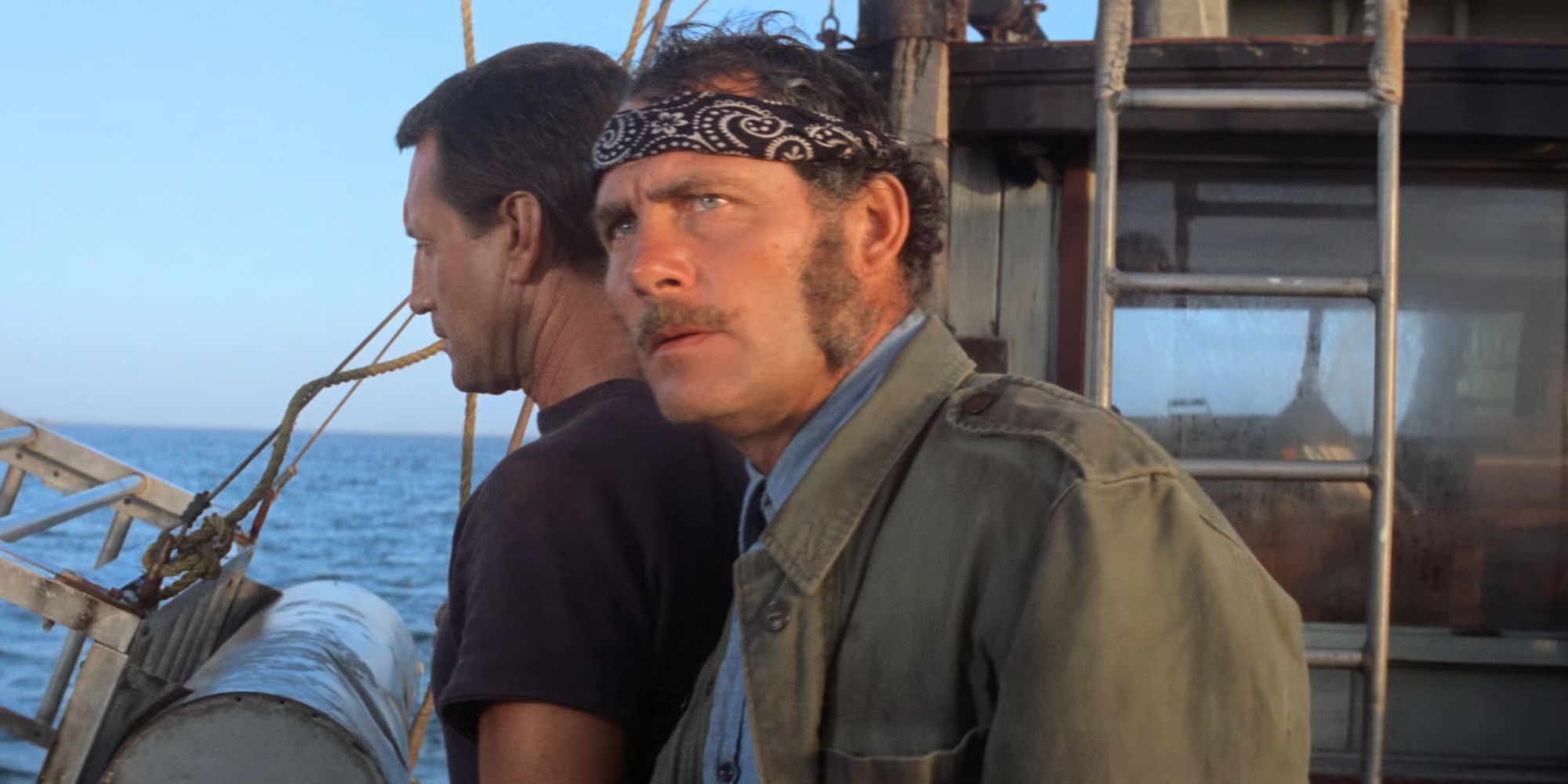
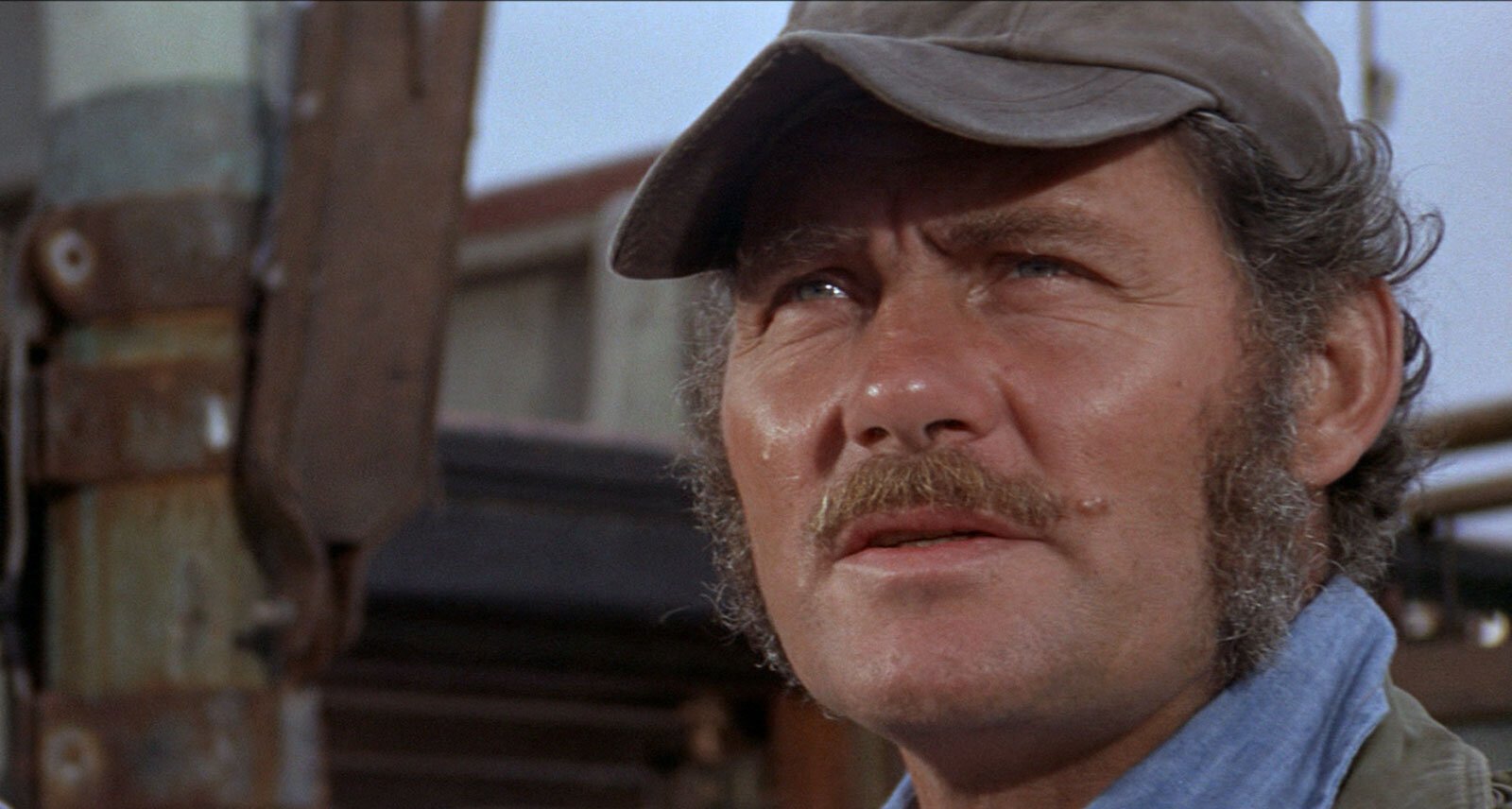
Quint dies in the 1975 film Jaws because the great white shark breaches the sinking Orca, causing the deck to tilt and Quint to slide into the predator's jaws. Narratively, his death is the result of his obsessive hubris and a lifelong trauma stemming from the USS Indianapolis disaster.
The death of Captain Quint remains one of the most visceral and debated moments in cinematic history. While the surface-level answer is a shark attack, the "real facts" behind his demise involve a complex blend of narrative foreshadowing, character psychology, production challenges, and a significant departure from the original source material. As of 2026, over half a century since the film’s release, film historians and fans continue to analyze why this specific character had to perish while others survived.
The Narrative Mechanics: How the Death Occurred
To understand why Quint died, one must first look at the literal sequence of events leading to the destruction of the Orca. Quint’s death was not a random accident; it was the culmination of a series of tactical errors driven by his personal vendetta against sharks.
The primary mechanical cause of his death was the failure of the Orca's engine. Quint, in a fit of rage and obsession, pushed the boat’s engine beyond its limits ("redlining") while trying to lure the shark into shallow water. This caused the engine to explode, leaving the vessel dead in the water and slowly sinking. This loss of mobility stripped Quint of his primary advantage.
When the shark made its final charge, it didn't just bite the boat; it leaped onto the transom. Because the boat was already low in the water due to the flooded engine room, the weight of the massive Great White caused the Orca to tilt violently. Quint, unable to find purchase on the wet, slanted deck, slid directly into the shark's mouth. Despite his attempts to fight back with a machete, the physical trauma and the force of the shark’s bite were unsurvivable.
The USS Indianapolis: A Predestined Fate
From a storytelling perspective, Quint’s death was functionally decided the moment he delivered his famous USS Indianapolis monologue. This speech, largely rewritten by actor Robert Shaw himself, established that Quint was a survivor of the worst shark attack in human history.
Quint describes the harrowing days spent in the water in 1945, watching his crewmates be systematically taken by sharks. He mentions that he will "never put on a lifejacket again." This decision is a crucial fact in his eventual death. By refusing to wear safety gear, Quint essentially signaled that he had already accepted his fate; he was living on borrowed time.
His death serves as a "closing of the circle." He survived the sharks of World War II only to be claimed by one decades later. This creates a sense of "poetic tragedy" that defines his character arc. He was a man who could never truly leave the water or the trauma of his past, making his death at the hands of his "white whale" an inevitability in the eyes of the screenwriters.
Novel vs. Movie: The Drastic Change in Quint’s End
One of the most significant "real facts" about Quint’s death is that it was completely changed from Peter Benchley’s 1974 novel. In the book, Quint does not die by being eaten. Instead, his death is much more reminiscent of Captain Ahab’s in Moby-Dick.
| Feature | 1974 Novel (Peter Benchley) | 1975 Film (Steven Spielberg) |
|---|---|---|
| Primary Cause of Death | Drowning / Entanglement | Massive Trauma / Consumption |
| Direct Action | Foot caught in a harpoon line | Sliding into the shark's mouth |
| Final Fate of Body | Dragged to the ocean floor | Remains on the sinking ship |
| Symbolic Meaning | Irony and accidental death | Tragic hubris and confrontation |
| Interaction with Shark | Professional/Detached | Deeply Personal/Obsessive |
Steven Spielberg felt that the novel’s ending—where Quint is simply dragged underwater by a rope—was too quiet for a summer blockbuster. He wanted a more visceral, "operatic" ending. By having the shark physically consume Quint, Spielberg turned the shark from a biological entity into a vengeful monster and Quint into a sacrificial figure. This change is why many fans who only know the movie are shocked when they read the original text.
Behind the Scenes: Filming the Death Scene
The production of Quint’s death was a technical nightmare that influenced the final product. The mechanical shark, nicknamed "Bruce," rarely functioned correctly in salt water. During the filming of the death scene, the crew had to deal with a sinking boat set that was genuinely dangerous.
- The Gimbal Set: To achieve the tilt of the boat, the production used a specialized gimbal. Robert Shaw had to slide down this deck repeatedly. To ensure the safety of the actor, the "teeth" of the mechanical shark were actually made of soft polyurethane, though they were painted to look like razor-sharp enamel.
- The Blood Effects: Spielberg used a significant amount of stage blood to emphasize the violence of the moment. However, because the scene was filmed in the actual ocean (Martha’s Vineyard), the blood dissipated quickly, requiring multiple takes to get the "cloud" of red just right.
- Shaw’s Performance: Robert Shaw was reportedly intoxicated during some parts of the production but was stone-cold sober for the Indianapolis speech and the death scene. His screams and the way he kicks his legs were improvised to show the sheer physical agony of the attack, moving away from a "clean" Hollywood death to something much more disturbing.
Hubris and the Ahab Parallel
Quint is frequently compared to Captain Ahab from Herman Melville’s Moby-Dick. Like Ahab, Quint is a master of his craft who is blinded by a singular obsession. This obsession is the true "killer" of the character.
Throughout the film, Quint dismisses the scientific advice of Matt Hooper (the "new world" of technology) and the cautious concerns of Chief Brody (the "civilian" world). Quint believes his old-school methods and raw strength are enough to conquer nature. His refusal to call for help when the engine begins to fail is the turning point.
In the world of Jaws, nature is an unstoppable force. Quint’s belief that he could dominate that force—and his refusal to respect the shark as anything other than a "garbage disposal"—is what leads to his downfall. In contrast, Brody survives because he is willing to adapt, eventually using the very technology (the pressurized air tank) that Quint mocked.
The Symbolism of the Old Guard vs. The New
Quint represents a bygone era of masculinity and rugged individualism. He is a relic of the post-WWII generation who feels out of place in the changing world of the 1970s. His boat, the Orca, is cluttered, smelling of rot and chum, representing the "old way" of doing things.
His death symbolizes the passing of this era. For the story to reach its resolution, the "expert" had to fail so that the "everyman" (Brody) could succeed. If Quint had killed the shark, the movie would have been a standard adventure tale. Because Quint dies, the movie becomes a survival horror where the stakes are raised to their absolute limit. His death strips away the safety net for Brody, forcing the Chief to face his fear of the water alone.
Frequently Asked Questions
Did Robert Shaw actually do his own stunts in the death scene?
Yes, Robert Shaw performed the majority of the sliding and struggling himself. While stunt coordinators were present, the close-up shots of Quint being gripped by the shark's mouth required Shaw to be physically inside the mechanical prop. The production used a safety harness that was hidden by his clothing to ensure he wasn't accidentally pulled too deep into the machinery of the shark.
Why didn't Quint wear a life jacket?
As established in his USS Indianapolis monologue, Quint developed a deep-seated psychological aversion to life jackets. He saw them as a symbol of the futility of his crewmates’ deaths in 1945, where many men stayed afloat only to be picked off by sharks over several days. For Quint, a life jacket represented a slow, agonizing death; he preferred the "honesty" of facing the water without one.
What were Quint's last words in the movie?
Unlike many cinematic heroes, Quint does not have a profound final line. His last moments are filled with guttural screams of pain and defiance as he attempts to stab the shark with a machete. This lack of dialogue was intentional, emphasizing the primal and non-intellectual nature of his death.
Was Quint's death foreshadowed earlier in the film?
Yes, several moments foreshadow his demise. The most notable is the drawing of a shark on a chalkboard that Quint uses to get the townspeople's attention—the shark in the drawing is shown consuming a man. Additionally, his obsession with the "Indianapolis" and his reckless destruction of the Orca's engine both serve as narrative "flags" that he will not survive the voyage.
Why did the shark target Quint specifically at the end?
While sharks in reality do not hold grudges, the shark in Jaws is often interpreted as a cinematic antagonist with a sense of purpose. Throughout the film, Quint is the one who inflicts the most pain on the shark with harpoons and barrels. In the final confrontation, the shark's breach onto the boat can be seen as a direct retaliation against its primary tormentor.
Analyzing the Legacy of Quint’s Final Stand
To truly understand why Quint died, one must look beyond the teeth and the blood. He died because his character was built to be a sacrifice. He was the "High Priest" of the sea who had to be consumed by his god for the "sins" of his obsession.
For viewers today, the facts of his death serve as a reminder of the film's mastery of character-driven stakes. Quint's death isn't just a jump scare; it is a heavy, meaningful event that changes the tone of the entire film. If you are revisiting Jaws, pay close attention to the way Quint interacts with the Orca in the hour leading up to his death. You will see a man who is systematically destroying his own means of survival, proving that while the shark may have been the weapon, Quint’s own choices were the cause.