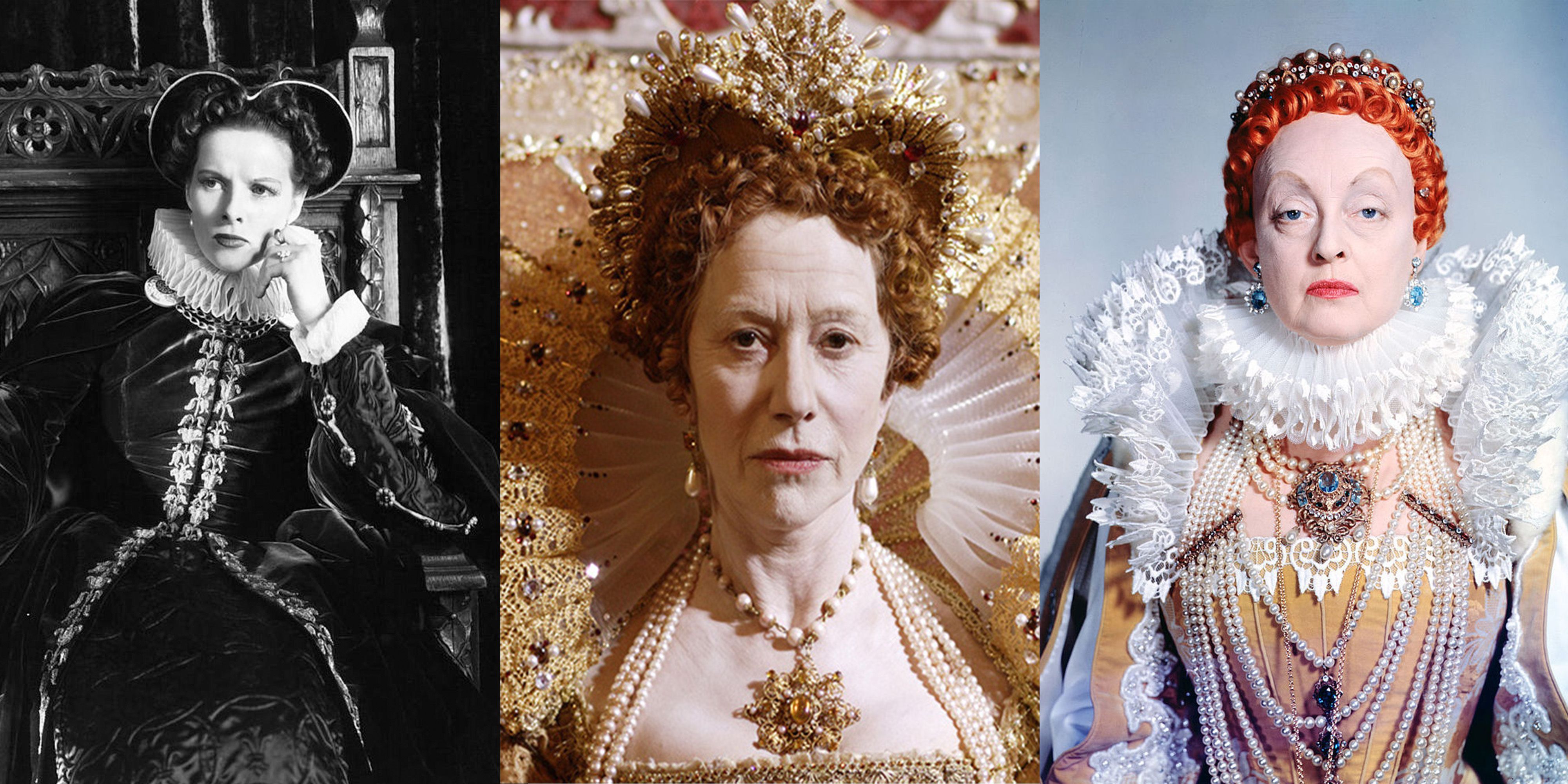
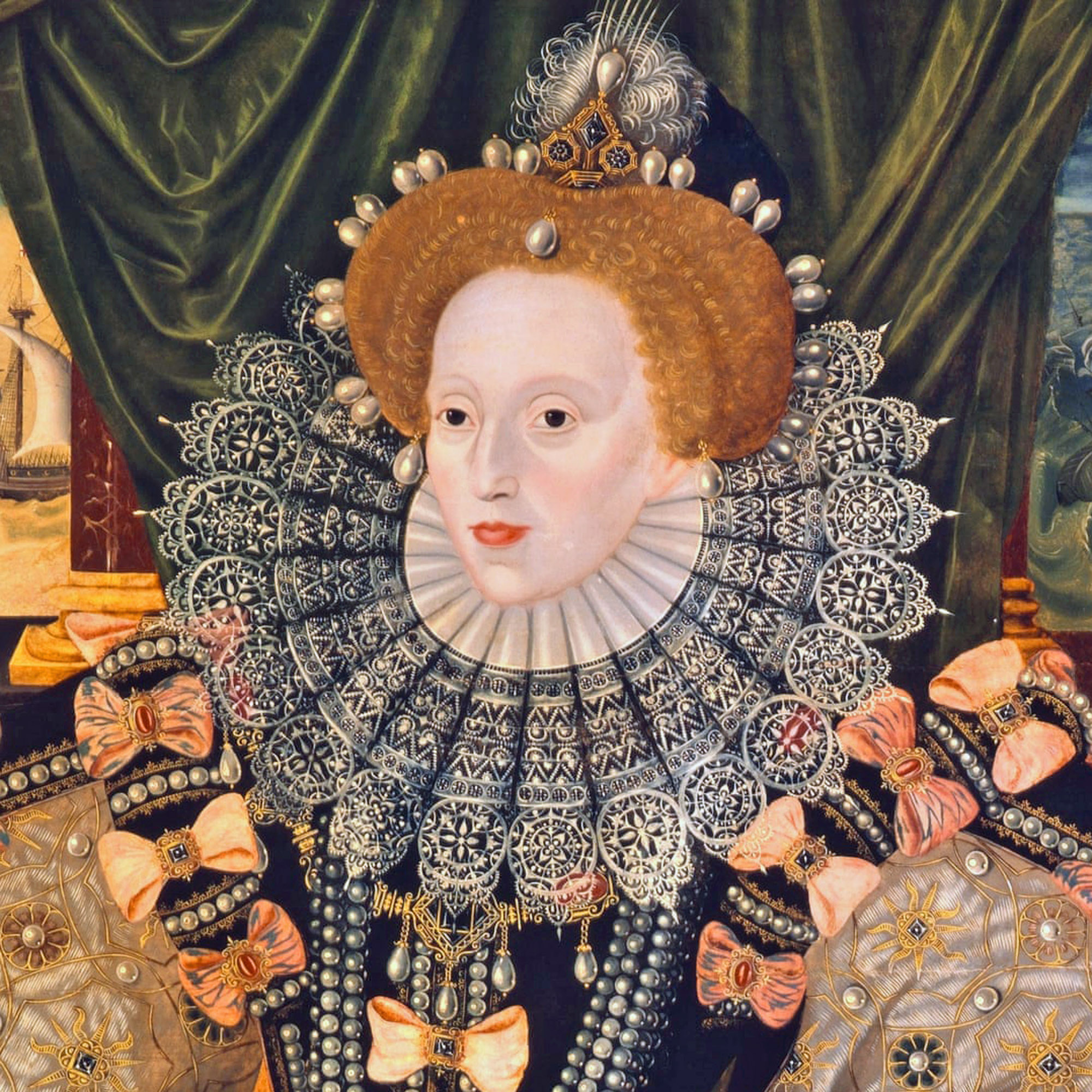
Queen Elizabeth I, who reigned from 1558 to 1603, was the final monarch of the House of Tudor, transforming England from a fractured, economically unstable nation into a significant European power. Her tenure, often termed the "Elizabethan Era," is characterized by the consolidation of the Protestant Church of England, the defeat of the Spanish Armada, and an unprecedented flourishing of literature, drama, and maritime exploration.
Accession and the Elizabethan Settlement
Elizabeth ascended the throne in November 1558 following the death of her half-sister, Mary I. The kingdom she inherited was deeply divided by religious strife and burdened by significant national debt. Her primary political challenge was to establish a governance structure that could provide stability while navigating the volatile landscape of the Reformation.
In 1559, Elizabeth initiated the Elizabethan Religious Settlement, which sought a "middle way" (via media) between radical Protestantism and Roman Catholicism. This included the Act of Supremacy, which designated her as the Supreme Governor of the Church of England, and the Act of Uniformity, which mandated the use of the revised Book of Common Prayer. By requiring outward conformity to the state church while allowing for a degree of flexibility in personal belief, she effectively reduced the likelihood of civil insurrection, although this balance remained a point of friction throughout her 44-year reign.
Managing the Tudor Court and Political Factionalism
The effectiveness of Elizabeth's administration relied heavily on her management of the Privy Council and her ability to balance competing factions. Unlike her predecessors, Elizabeth was adept at playing her advisors against one another to maintain ultimate authority. Key figures such as William Cecil, Lord Burghley, and later his son, Robert Cecil, provided the continuity necessary for long-term policy execution.
Elizabeth’s decision to remain unmarried—a choice that earned her the title of "The Virgin Queen"—was a sophisticated tool of diplomacy. By keeping her hand in marriage as a perpetual bargaining chip, she maintained influence over foreign powers, including France and Spain, who sought to leverage a royal marriage for political gain. Her court functioned as a center for patronage, where the promotion of poets, playwrights, and navigators served to project an image of a glorious, unified nation, fostering a distinct national identity that transcended local or religious loyalties.
Economic Challenges and Maritime Expansion
The Elizabethan economy was plagued by inflation, harvest failures, and the logistical challenges of shifting trade routes. To mitigate these issues, the Crown implemented policies aimed at restructuring trade, such as the support for chartered companies like the East India Company, established in 1600. These entities allowed the state to outsource the risks of international trade while generating tax revenue through customs duties.
Maritime exploration served both economic and strategic goals. Privateers—most notably Sir Francis Drake and Walter Raleigh—were encouraged to disrupt the Spanish monopoly on trade in the Americas. This state-sanctioned naval aggression provided the crown with significant financial returns while simultaneously training a generation of sailors and testing the capabilities of the English navy, which would eventually become the bedrock of England's global reach.
Comparison of Key Historical Dimensions
Understanding the impact of Elizabeth's policies requires a balanced look at the pressures she faced and the outcomes she achieved. The following table highlights the tension between her strategic goals and the realities of her reign.
| Policy Area | Primary Strategic Goal | Practical Outcome |
|---|---|---|
| Religion | National unity/conformity | Stabilized Church of England; lingering Catholic dissent |
| Marriage | Diplomatic leverage | Remained single; averted foreign control of the throne |
| Naval Defense | Trade protection/Disruption | Defeat of Spanish Armada; onset of global maritime reach |
| Economy | Debt reduction/Growth | Increased mercantilism; recurring inflation and poverty |
The Defeat of the Spanish Armada
The conflict with Spain reached its apex in 1588 with the launch of the Spanish Armada by King Philip II. The invasion force, intended to overthrow Elizabeth and restore Catholic rule, was ultimately defeated by a combination of English naval tactics—utilizing fire ships and superior maneuverability—and severe weather conditions that destroyed much of the Spanish fleet.
The victory was a seminal moment in English history, serving as a powerful propaganda tool that solidified the image of Elizabeth as a divinely favored monarch. Beyond the immediate military success, it signaled to Europe that England was a rising maritime power capable of challenging the established hegemony of the Iberian powers. This event bolstered national pride and provided the confidence necessary for the later expansionist endeavors of the Jacobean era.
Cultural Flourishing and Literary Legacy
The Elizabethan period is synonymous with a dramatic explosion in English literature, most notably in the works of William Shakespeare, Christopher Marlowe, and Ben Jonson. The stability of the later years of her reign provided the necessary environment for the theater to thrive, moving from itinerant troupes to established venues like the Globe Theatre in London.
This cultural production was not merely artistic; it served to codify the English language and create a mythological framework for the Tudor monarchy. The patronage of the arts by the Queen and her courtiers established a standard of excellence that defined the English Renaissance, leaving a literary legacy that remains the cornerstone of academic study in English literature to this day.
Frequently Asked Questions
Why did Queen Elizabeth I never marry?
Elizabeth’s unmarried status was a deliberate political maneuver. By keeping her suitors in suspense, she maintained diplomatic relations with major European powers without committing to an alliance that might subordinate English interests. Additionally, marrying a foreign prince risked dragging England into continental wars, while marrying an English subject risked inciting envy and factionalism among her nobility.
How did Elizabeth I manage religious tension in England?
She enforced a policy of outward conformity rather than inward conviction. By mandates like the Act of Uniformity, she ensured the Church of England remained the sole legal authority, but she generally avoided the "making of windows into men's souls," provided they did not engage in overt acts of rebellion or treason.
What was the significance of the "Virgin Queen" title?
The title served as an essential component of her cult of personality. It aligned her with the Virgin Mary, effectively creating a secularized, nationalistic icon that prioritized her loyalty to the state above all personal, domestic, or familial allegiances.
What caused the decline of the Elizabethan era toward the end of her life?
Her final years were marked by the exhaustion of the royal treasury, the prolonged and costly conflict in Ireland, and the aging of her inner circle. These factors led to a period of uncertainty as the political elite began maneuvering for influence over her eventual successor, James VI of Scotland.
How did the Elizabethan economy change by 1603?
The era saw a shift from a feudal, agrarian-based economy toward a more mercantile model. While the kingdom still faced chronic problems with poverty and vagrancy, the groundwork was laid for commercial expansion through the formation of state-sanctioned joint-stock companies, which would eventually define the British approach to empire.
Ensuring Accurate Historical Context
When studying the reign of Elizabeth I, it is critical to consult primary source material such as the Calendar of State Papers, Domestic, which contains the administrative correspondence of her administration. These records provide insight into the day-to-day operations of the Tudor government and help distinguish between the later romanticized myths of the era and the granular realities of 16th-century governance. Researchers should prioritize scholarly editions of state documents to avoid the biases often found in popular historical narratives that favor dramatization over forensic accuracy.