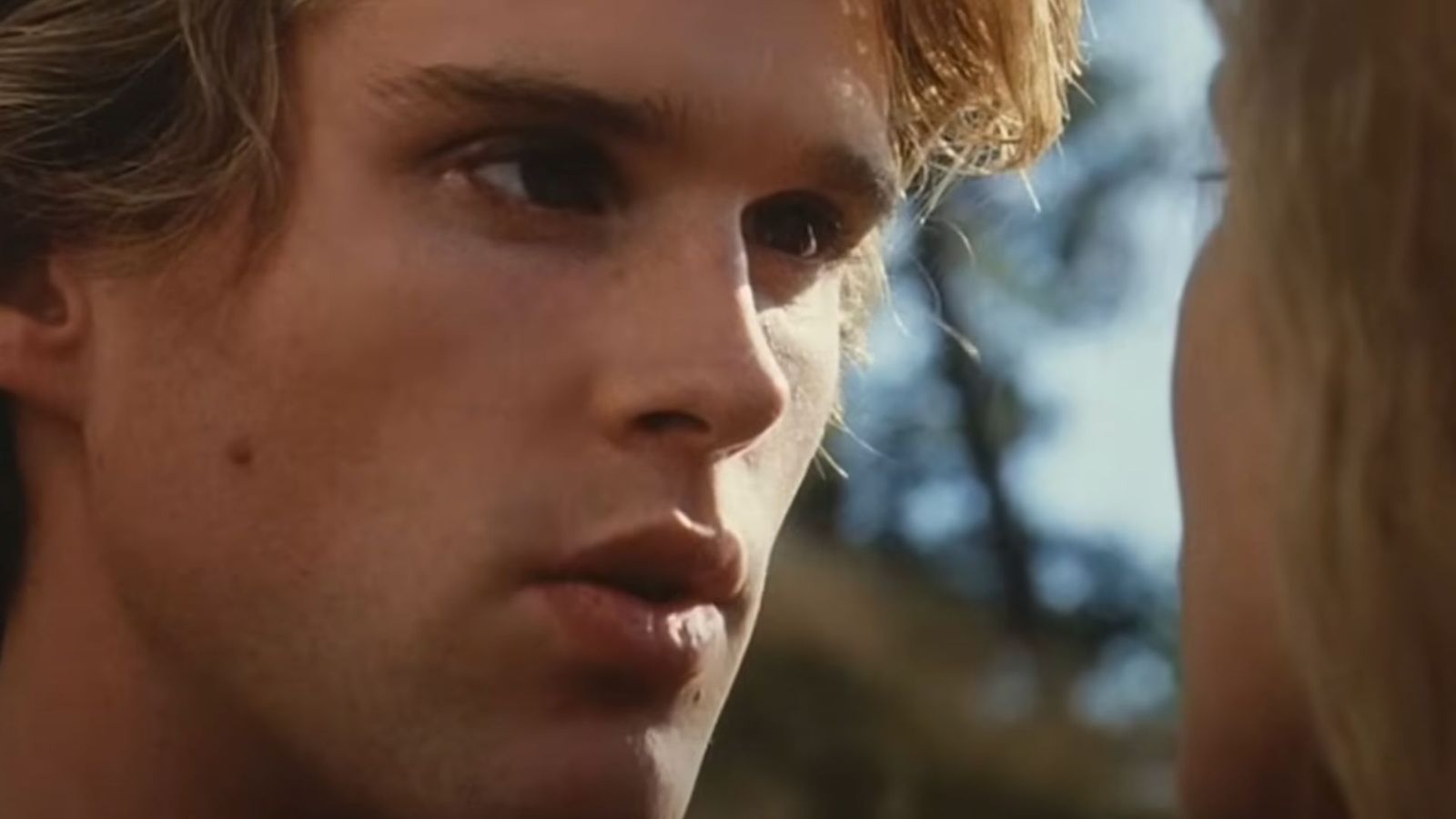
The correct pronunciation of Cary Elwes is "KARE-ee ELL-wiss." The first name, Cary, rhymes with "Carrie" or "Mary," while the surname, Elwes, is a two-syllable word where the first syllable "ELL" is emphasized, followed by a short "wiss" sound that rhymes with "miss."
For decades, fans of The Princess Bride, Robin Hood: Men in Tights, and the Saw franchise have found themselves occasionally stumbling over the specific cadence of Cary Elwes’ name. While the first name is relatively straightforward for English speakers, the surname presents a linguistic hurdle that often leads to "Elvis" or "El-ways." As of 2026, Elwes remains a prominent figure in the entertainment industry, making it more relevant than ever to master the proper articulation of his name for professional and social contexts.
Understanding the Phonetics of Cary Elwes
To truly master the pronunciation, one must break the name down into its component phonetic parts. Using the International Phonetic Alphabet (IPA), the name is transcribed as /ˈkæri ˈɛlwɪs/. This breakdown reveals the subtle nuances of the vowels and the specific placement of the tongue required to sound natural.
The First Name: Cary
The name "Cary" is a traditional English name that follows standard phonetic rules for its spelling. The initial "C" produces a hard "K" sound. The "a" is a short vowel sound, similar to the "a" in "cat" or "apple," leading into the liquid "r" and ending with a long "e" sound (like "bee").
In many American dialects, "Cary" is indistinguishable from "Carrie" or "Kerry." However, for those looking for absolute precision, it is important to avoid drawing out the "a" into a "c-air-y" sound too aggressively; keep it crisp and short.
The Surname: Elwes
The surname "Elwes" is where most confusion arises. It is an English surname with historical roots, and its pronunciation does not follow the more common "Elvis" pattern.
- The First Syllable (ELL): This begins with a short "e" as in "elephant" or "elbow." It is the stressed syllable of the surname.
- The Second Syllable (wiss): This is the part that most people get wrong. The "w" is fully articulated, followed by a short "i" sound (as in "it") and a soft "s." It should rhyme perfectly with "hiss" or "miss."
When combined, "ELL-wiss" should flow smoothly without a pause between the syllables. The transition from the "l" to the "w" is the most critical part of achieving the correct British-inflected pronunciation that the actor himself uses.
Common Mispronunciations and Why They Happen
Linguistic errors regarding celebrity names often stem from visual association. When we see a name written down, our brains search for the nearest familiar word. In the case of Elwes, several common pitfalls emerge.
The "Elvis" Trap
By far the most frequent mistake is pronouncing the name as "Elvis." This happens because "Elwes" and "Elvis" share the first three letters and a similar visual length. In "Elvis," the "v" sound is dominant, whereas in "Elwes," the "w" is distinct. There is no "v" sound in the actor's name. If you find yourself saying "Elvis," pause and consciously replace the "v" with a "w."
The "El-ways" Error
Some speakers, perhaps influenced by names like "Hemingway" or "Stathway," assume the "es" at the end of the name creates a long "a" sound. This results in "El-ways." However, the "e" in the final syllable of Elwes is not silent, nor does it modify the preceding vowel into a long sound. It contributes to the short "i" sound (/ɪ/) in the final syllable.
The "El-weez" Variation
Occasionally, people apply a French-style pronunciation to the name, resulting in "El-weez." This is incorrect. While the name does have distant continental roots, its pronunciation has been thoroughly Anglicized over centuries. The final "s" is a sibilant "s" sound, not a "z" sound.
The Cultural and Linguistic Roots of the Name Elwes
To understand why the name is pronounced the way it is, it helps to look at its history. Cary Elwes, born Ivan Simon Cary Elwes in 1962, comes from a family with deep roots in the British arts and aristocracy. The name Elwes is a recognized English surname, most notably associated with the Elwes family of Billing Hall, Northamptonshire.
Historically, the name is thought to be a patronymic or metronymic derivative of the Old German name Helewidis, which transitioned into the Middle English Helowis. Over centuries, the "H" was dropped, and the spelling standardized into "Elwes."
Knowing that the name is quintessentially English helps clarify the pronunciation. English surnames ending in "-es" or "-is" frequently utilize the short "i" sound in the final syllable (think of names like "Hollis" or "Ellis"). Recognizing this pattern makes "ELL-wiss" feel more intuitive than the "Elvis" or "El-ways" alternatives.
Pronunciation Breakdown at a Glance
The following table provides a quick reference for the various ways the name is articulated, compared against common errors.
| Name Component | Correct IPA | Rhymes With | Common Error | Correction Tip |
|---|---|---|---|---|
| Cary | /ˈkæri/ | Mary, Carrie | Cah-ree | Use a hard "K" and a short "a." |
| Elwes | /ˈɛlwɪs/ | ELL-wiss | Elvis | Replace the "v" sound with a "w." |
| Elwes (Syllable 2) | /wɪs/ | Miss, Kiss | Ways / Weez | Keep the "i" short and the "s" soft. |
Hearing it from the Source: How the Actor Pronounces His Own Name
One of the best ways to verify pronunciation in 2026 is through digital archives of interviews and public appearances. Throughout his career, Cary Elwes has been introduced on talk shows, at film festivals, and in behind-the-scenes features for his various projects.
In interviews for his 2014 memoir, As You Wish: Inconceivable Tales from the Making of The Princess Bride, Elwes frequently had to assist interviewers with his name. He consistently uses the "ELL-wiss" pronunciation. Furthermore, his delivery is characterized by the Received Pronunciation (RP) common among classically trained British actors, which emphasizes clear consonants and distinct syllable breaks.
If you listen to Elwes speak, you will notice that he does not rush the name. There is a crispness to the "w" in his surname that is often lost in rapid American speech. Emulating this deliberate speed can help non-native speakers or those with heavy regional accents achieve the correct sound.
Practical Tips for Perfecting the Pronunciation
If you are preparing for a professional meeting, a podcast recording, or a fan event where you need to say the name out loud, use these exercises to build muscle memory:
- The "L-W" Transition: Practice moving your tongue from the roof of your mouth (for the "L") to a rounded lip position (for the "W"). Say "Ell... Wiss... Ell... Wiss" slowly ten times.
- The Rhyme Association: Say the phrase "Carrie's miss" to yourself. Now, replace "Carrie" with "Cary" and "miss" with "wiss." This creates the correct vowel sequence.
- Recording and Playback: Record yourself saying "Cary Elwes" on your phone. Play it back and compare it to a clip of an interview with the actor. Pay close attention to the end of the surname; if you hear a "v" or a long "a," try again.
- The Name Chain: Since Cary Elwes often works with other famous actors, practice saying his name in sequence with his co-stars (e.g., "Robin Wright and Cary Elwes"). This helps integrate the name into natural, flowing speech.
Why Correct Pronunciation Matters in 2026
In an era of global connectivity and digital media, the correct pronunciation of names is increasingly viewed as a matter of professional respect and cultural literacy. Cary Elwes is not just an actor; he is a writer and producer with a legacy spanning over forty years.
Whether you are discussing his iconic role as Westley, his chilling performance in Saw, or his more recent work in major 2020s blockbusters, using his correct name demonstrates a level of detail and appreciation for the subject. In professional journalism, podcasting, and content creation, mispronouncing a subject's name can undermine the credibility of the speaker. By mastering "KARE-ee ELL-wiss," you ensure that your commentary remains focused on his talent and career rather than a preventable linguistic error.
FAQs About Cary Elwes' Name
Is Cary Elwes his real name or a stage name?
Cary Elwes is his real name. He was born Ivan Simon Cary Elwes. He chose to use "Cary" as his professional name, which is a family name on his father’s side. The Elwes family is a well-known English family with a long history in the arts, including his father, Dominic Elwes, who was a famous portrait painter.
How do you pronounce "Elwes" in a British accent versus an American accent?
The fundamental pronunciation "ELL-wiss" remains the same in both accents. However, a British accent (specifically Received Pronunciation) may feature a more "clipped" final "s" and a slightly different vowel resonance in the first syllable of "Cary." In an American accent, the "r" in "Cary" is often more rhotic (pronounced more strongly), but the "ELL-wiss" surname should remain consistent to avoid the "Elvis" mistake.
Is the "w" in Elwes silent?
No, the "w" in Elwes is not silent. It is a crucial part of the second syllable. Without the "w," the name would sound like "Ellis," which is a different surname entirely. The "w" must be voiced clearly to distinguish the name correctly.
Why do people often think his name is pronounced like "Elvis"?
The confusion is primarily visual. The names "Elwes" and "Elvis" share a very similar structure, and Elvis Presley is a much more globally recognized figure than the English Elwes family. This lead to a "mental autocorrect" where the brain substitutes the more familiar name for the less familiar one.
Is there a specific way to say the "a" in Cary?
The "a" in Cary is a short vowel. It is the same sound found in "carry" (as in to carry an object). It should not be a long "a" like in "cake" (Kay-ree) or a broad "a" like in "car" (Car-ee). Think of the word "carrot" and use that same initial "ca" sound.
Final Recommendation for Fans and Professionals
To ensure you always get it right, remember the simple mnemonic: "Cary rhymes with Mary, and Elwes rhymes with Tell-Miss." By focusing on the "wiss" ending and avoiding the "Elvis" trap, you will be able to speak about this legendary actor with confidence. If you are ever in doubt before a public speaking engagement, a quick search for a 2026 interview clip will provide the auditory confirmation needed to perfect your delivery.