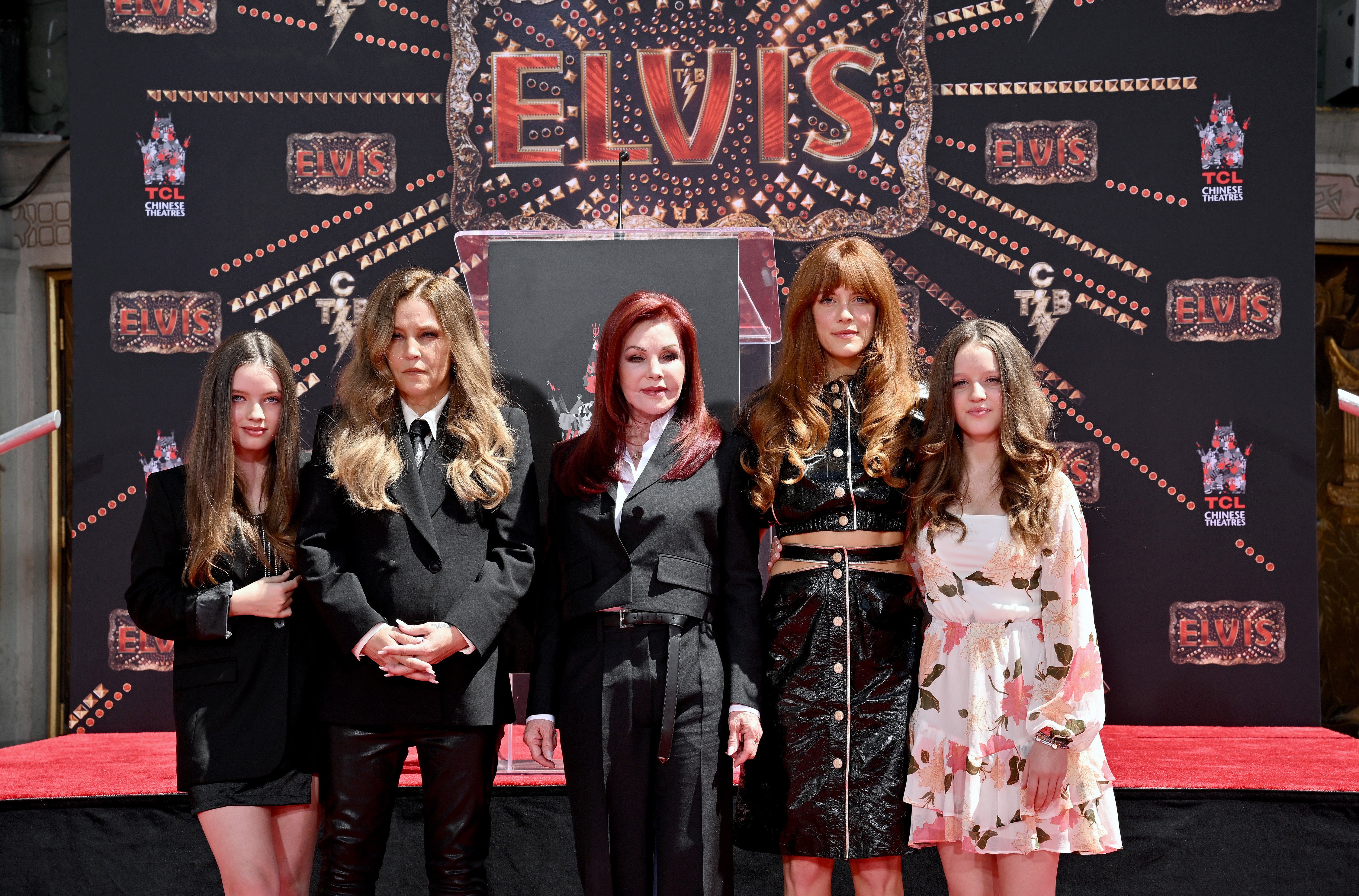
Priscilla Presley’s net worth reflects a lifetime of strategic brand management, high-profile media ventures, and the long-term stewardship of Elvis Presley Enterprises. Her financial standing is primarily anchored in the enduring commercial legacy of the Graceland estate, augmented by her career as an actress, producer, and entrepreneur. As of 2026, her financial portfolio remains tied to the ongoing monetization of the Elvis brand and her own independent professional endeavors.
The Foundation of Wealth: Elvis Presley Enterprises
The cornerstone of Priscilla Presley’s financial history is her role in the transformation of Elvis Presley’s estate into a global commercial juggernaut. Following the death of Elvis in 1977, the estate faced significant financial pressures, including mounting maintenance costs for Graceland and substantial tax liabilities. Priscilla’s pivotal decision to open Graceland to the public in 1982 served as the catalyst for the modern celebrity brand management model.
By establishing Elvis Presley Enterprises (EPE), she moved the estate from a precarious financial position toward sustained profitability. This entity managed licensing, music rights, and merchandising. Although she eventually sold a significant majority interest in EPE to CKX, Inc. in 2005 for a reported $100 million, the move allowed her to diversify her personal holdings while retaining a role in the preservation of the legacy. This transition was a critical inflection point in her financial trajectory, shifting her status from a manager of a singular estate to a diversified private investor.
Career Diversification and Professional Income
While the Elvis estate provides a baseline of financial stability, Priscilla Presley’s individual career has generated significant independent income. Her transition into professional acting in the 1980s served as a diversification strategy that distanced her personal earnings from the estate’s volatility.
Her portrayal of Jenna Wade on the long-running television series Dallas provided a steady stream of high-level professional income for several years. Following this, her role in the Naked Gun film trilogy expanded her commercial appeal and established her as a bankable talent in the entertainment industry. Beyond acting, her forays into the fragrance and fashion industries—most notably through licensing deals for lines bearing her name—have contributed recurring revenue streams that are not reliant on the Presley name alone.
Real Estate Portfolio and Asset Management
Priscilla Presley’s net worth is also heavily concentrated in high-value real estate. Over the decades, she has maintained a portfolio of luxury properties that serve both as primary residences and long-term investment vehicles. Her movement within the California real estate market, particularly in affluent areas like Beverly Hills, Brentwood, and the Hollywood Hills, reflects a sophisticated approach to asset management.
Real estate serves as a hedge against inflation and a primary mechanism for wealth preservation. By consistently purchasing properties in high-demand zip codes, she has benefited from significant market appreciation. These properties represent liquidable assets that maintain or grow in value, providing a safety net that complements the more volatile revenue streams associated with media and entertainment intellectual property.
Key Financial Components
The following table outlines the primary categories that contribute to the current financial profile of the Presley estate and associated assets.
| Income Source | Description | Impact on Net Worth |
|---|---|---|
| Legacy Licensing | Revenue from ongoing Elvis-related intellectual property and image rights. | High (Recurring) |
| Real Estate Holdings | Capital appreciation from luxury residential properties in California. | High (Appreciation) |
| Media Ventures | Royalties and fees from film, television, and documentary appearances. | Moderate (Variable) |
| Business Investments | Private equity and diverse portfolios managed through family offices. | Moderate (Growth) |
The Role of Intellectual Property (IP) Rights
The value of Priscilla Presley’s financial footprint is inextricably linked to the management of intellectual property. Modern celebrity wealth is increasingly derived from the licensing of likeness, voice, and historical archives. Since the mid-2000s, the evolution of digital distribution and the globalization of the Elvis brand have continued to generate royalties from film biopics, streaming services, and international brand partnerships.
Because these IP rights are often structured through complex corporate entities, the financial benefits are distributed over time rather than as one-time windfalls. This structure allows for tax-efficient estate planning and ensures that the asset—the image and likeness of Elvis Presley—continues to produce revenue even as ownership interests shift between entities and beneficiaries.
Financial Risk Management and Oversight
Managing a fortune of this scale requires rigorous oversight, particularly regarding tax obligations and legal disputes. Throughout her career, Priscilla has been subject to various legal and financial challenges, including audits and litigation regarding estate management. Successfully navigating these hurdles has been essential to maintaining her net worth.
Financial stability in this bracket is rarely static. It involves the use of trusts, limited liability companies, and professional fiduciary oversight to protect assets from litigation and market fluctuations. Her long-term financial management has prioritized the mitigation of risks associated with high-profile public assets, ensuring that her private wealth remains shielded from the potential liabilities of the entertainment sector.
Frequently Asked Questions
What represents the primary source of Priscilla Presley’s long-term income?
The primary source of income for many years was the development and management of Elvis Presley Enterprises. While she sold her majority stake in 2005, the capital generated from that sale, combined with the appreciation of her personal real estate portfolio and ongoing professional royalties, forms the core of her current financial standing.
How do real estate holdings contribute to her net worth?
Real estate serves as a primary asset class in her portfolio. By investing in luxury properties in high-demand California markets, she has utilized real estate as a wealth-preservation tool, benefiting from long-term market appreciation that provides a stable foundation independent of the entertainment industry.
Are her earnings strictly linked to the Elvis Presley estate?
No. While the Presley name is the most visible element of her public profile, Priscilla Presley has maintained an independent career as an actress, producer, and entrepreneur. Her earnings from television roles, film appearances, and business licensing deals have functioned as a separate, diversified income stream that has expanded her financial profile significantly over the past four decades.
How did the sale of EPE influence her financial outlook?
The 2005 sale of her majority interest in Elvis Presley Enterprises to CKX, Inc. was a defining financial event. It converted long-term, operationally intensive assets into a large cash infusion, allowing for the diversification of her portfolio into liquid investments, real estate, and other private business ventures, thereby reducing her exposure to the daily operational risks of the estate.
Does she continue to receive royalties from media projects?
Yes. As a producer and a key stakeholder in various archival and media projects related to the Presley estate, she continues to receive residual income. These earnings are typically derived from contractual agreements concerning film, television, and commercial music licensing, which provide a variable but consistent supplement to her broader investment income.
Strategic Next Actions
For those monitoring or analyzing the financial trajectory of high-net-worth individuals in the entertainment sector, the most relevant area for further observation is the shift toward digital asset management. As legacy media estates increasingly transition into the digital and metaverse spaces, the valuation of likeness and image rights is becoming more complex. Observing how such estates structure these digital assets through licensing and blockchain-based authentication provides a clear picture of how wealth is being modernized in the 2026 financial climate. For professional investors, the focus remains on the efficacy of the trust structures used to pass these assets to future generations, as this is the most critical hurdle in maintaining long-term generational wealth.