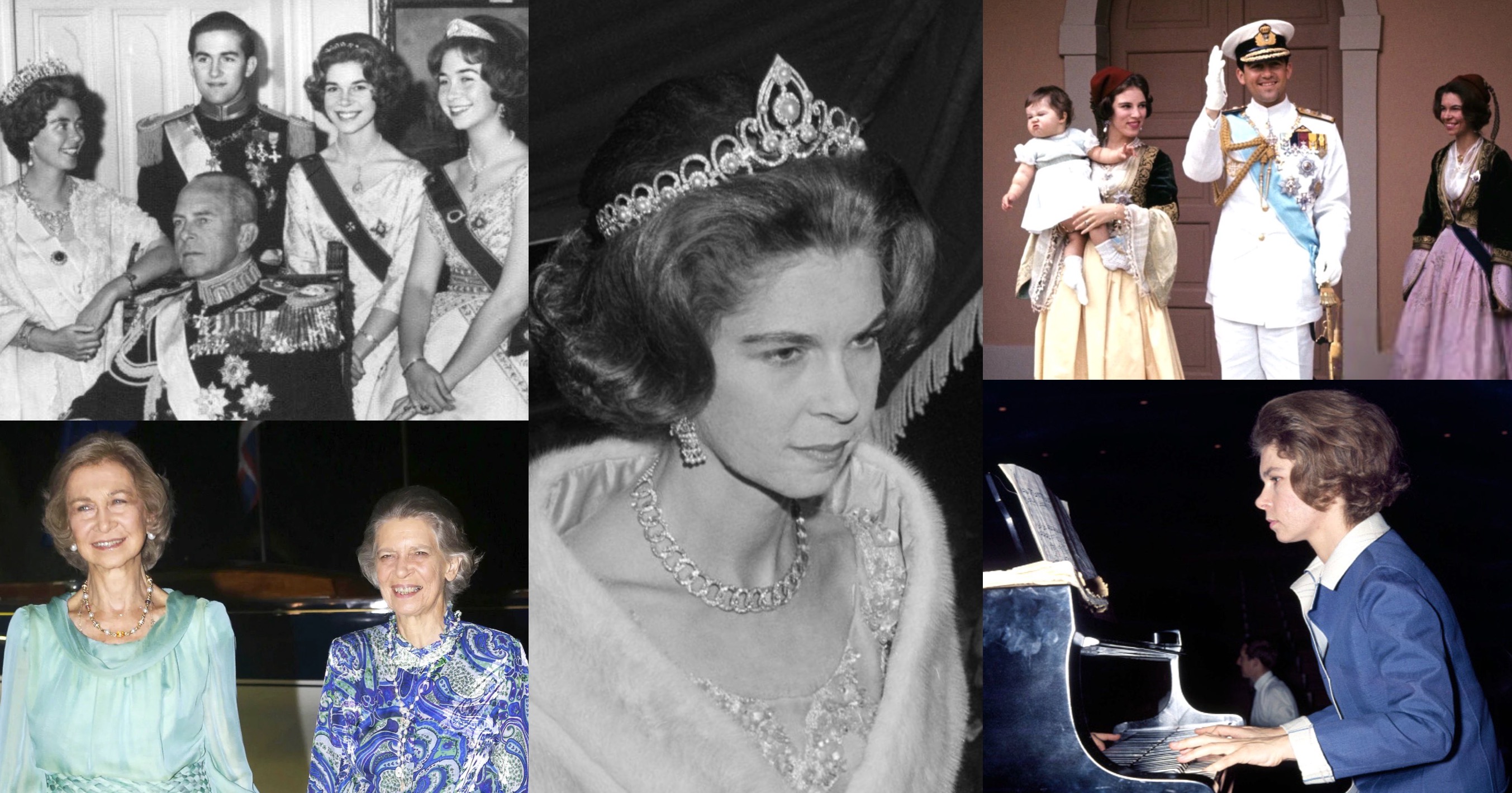
Princess Irene of Greece and Denmark remained unmarried primarily due to her deep commitment to her family, her pursuit of spiritual and philosophical enlightenment, and her career as a concert-level pianist. While several royal matches were considered in her youth, she ultimately chose a life of independence, philanthropy, and supportive companionship to her sister, Queen Sofía of Spain.
As of 2026, Princess Irene of Greece remains one of the most intriguing figures in European royalty. Unlike her siblings—the late King Constantine II of Greece and Queen Sofía of Spain—who entered high-profile dynastic marriages, Irene carved out a path that defied traditional royal expectations. To understand why she never married, one must look beyond simple romantic speculation and examine the cultural, personal, and historical forces that shaped her life.
The Weight of Dynastic Expectations and Early Suitors
Born in 1942 during the Greek royal family's exile in South Africa, Princess Irene returned to Greece as a young girl when the monarchy was restored. Like all royal women of her era, she was expected to marry into another European royal house to strengthen diplomatic ties. In the 1950s and 1960s, the "marriage market" for royalty was still quite active, and Irene was considered a prime candidate due to her lineage and refined upbringing.
In her late teens and early twenties, several names were linked to her in the press and within court circles. The most notable potential suitor was Prince Harald of Norway (now King Harald V). During the early 1960s, there was significant interest in a match between the Greek and Norwegian houses. However, Harald was already deeply in love with a commoner, Sonja Haraldsen. While the establishment pressured him to choose a royal bride like Irene, Harald’s steadfastness eventually led to his marriage to Sonja, closing that chapter for Irene.
Another name frequently mentioned was Prince Michel of Orléans, Count of Évreux. While these associations were documented by contemporary society columnists, none of them progressed to a formal engagement. The failure of these early potential matches may have been a matter of timing, but for Irene, it appeared to signal a shift away from the traditional domestic role expected of a princess.
A Life Defined by Music and the Arts
One of the most significant reasons Princess Irene did not pursue a traditional marriage was her intense dedication to music. She was not merely an amateur royal hobbyist; she was a highly disciplined and talented pianist. Under the tutelage of the legendary Greek pianist Gina Bachauer, Irene reached a professional standard that required hours of daily practice and a level of focus often incompatible with the social demands of a reigning royal consort.
Irene eventually performed as a concert pianist, often playing for charitable causes. Her commitment to the piano provided her with an identity independent of her family’s political status. In many ways, the "marriage" in her life was to her art. Those close to her have often remarked that her artistic sensitivity and the solitude required for musical mastery made the prospect of a high-pressure dynastic marriage less appealing. This dedication to music was not a phase but a lifelong pursuit that provided her with emotional fulfillment during the family’s subsequent years of upheaval.
The Impact of Exile and the Search for Meaning
The trajectory of Princess Irene’s life was forever altered by the 1967 military coup in Greece. Following the failed counter-coup by her brother, King Constantine II, the entire royal family fled into exile. This period of instability disrupted the traditional social structures that usually facilitated royal marriages. Living first in Rome and later in other parts of Europe, the family was no longer a "reigning" house in the same capacity, which naturally changed the landscape of potential suitors.
It was during these years of exile that Irene, along with her mother, Queen Frederica, began a profound spiritual journey. The two spent a significant amount of time in India, specifically at the Ramakrishna Mission, where they studied Advaita Vedanta and Eastern philosophy. This was not a superficial interest; Irene became deeply immersed in Indian culture and spiritual practices.
The shift toward asceticism and philosophical inquiry often leads individuals away from traditional societal structures like marriage. For Irene, the quest for "inner peace" and an understanding of the universe became more compelling than the search for a husband. Her spiritual evolution fostered a sense of detachment from the material expectations of royalty, contributing to her decision to remain single and focus on her internal growth.
The Role of Constant Companion and Support System
Throughout her life, Princess Irene has been characterized by her unwavering loyalty to her immediate family. After the death of King Paul in 1964, she became the primary companion to her mother, Queen Frederica. The two were nearly inseparable until Frederica’s death in 1981. In royal circles, the role of the "unmarried daughter" who cares for the widowed matriarch is a long-standing tradition, and Irene fulfilled this role with grace.
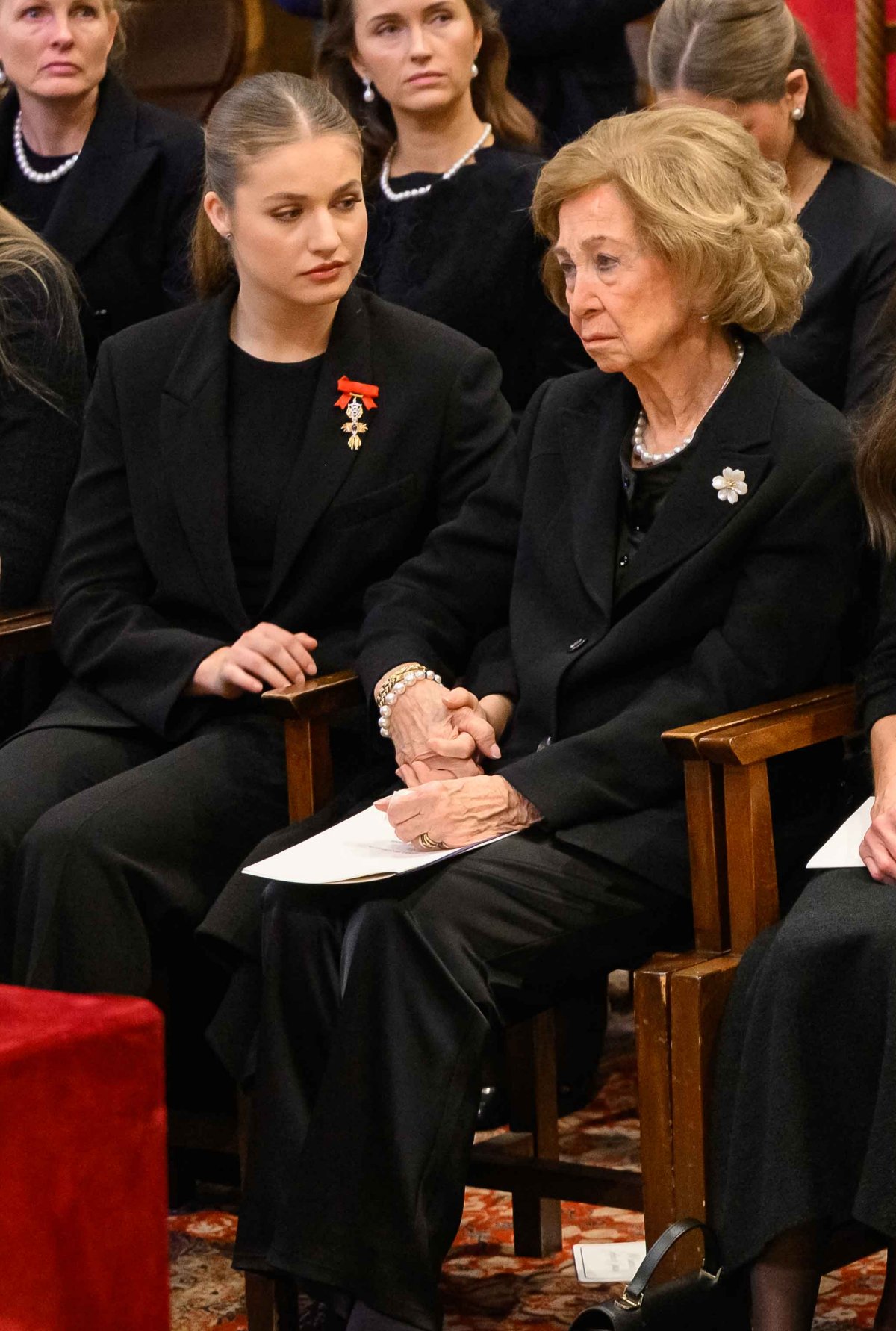
Following her mother’s passing, Irene moved to the Zarzuela Palace in Madrid to be with her sister, Queen Sofía. Since the 1980s, she has been a fixture of the Spanish royal household. Her presence provided Queen Sofía with a trusted confidante and an emotional anchor, especially during the various challenges faced by the Spanish monarchy.
By remaining unmarried, Irene was able to offer a level of availability and support to her siblings and their children that would have been impossible had she been managing her own household and matrimonial duties. In Spain, she is affectionately known as "Peca" by her nieces and nephews, reflecting her integrated and vital role within the family unit.
Comparison of the Siblings' Paths
The following table highlights the divergent paths taken by the children of King Paul and Queen Frederica, illustrating how Princess Irene’s choices differed from the traditional royal trajectory.
| Royal Member | Marriage Status | Primary Residence | Main Life Focus |
|---|---|---|---|
| King Constantine II | Married (Anne-Marie of Denmark) | Greece / UK (Exile) | Monarchy, Sailing, Family |
| Queen Sofía | Married (Juan Carlos I) | Spain | Queenship, Philanthropy, Arts |
| Princess Irene | Unmarried | Spain / India | Music, Vedanta, Humanitarianism |
Humanitarianism and "World in Harmony"
Rather than focusing on a traditional family of her own, Princess Irene redirected her energy toward global humanitarian efforts. In 1986, she founded the organization Mundo en Armonía (World in Harmony), a non-profit dedicated to providing aid to those in need regardless of religion or politics.
Her work with this foundation has been extensive, including:
- Agricultural Support: Sending thousands of cows to India and other countries to help local farmers establish sustainable livelihoods.
- Emergency Relief: Providing medical supplies and food to war-torn regions and disaster zones.
- Cultural Preservation: Funding projects that protect heritage and promote artistic education.
This philanthropic drive suggests that Irene found a sense of "motherhood" through her service to the global community. Her independence allowed her to travel extensively and oversee these projects personally, a degree of freedom that might have been curtailed by the responsibilities of a royal marriage.
Frequently Asked Questions
Did Princess Irene ever have a fiancé?
No, Princess Irene was never officially engaged. While there were rumors involving several European princes, particularly in the early 1960s, no formal announcements were ever made. She consistently maintained a private personal life, focusing on her studies and her role within the royal family.
Where does Princess Irene live now?
As of 2026, Princess Irene continues to live primarily at the Zarzuela Palace in Madrid. She has a dedicated suite there and remains the closest companion to her sister, Queen Sofía. She also spends time in Greece and visits India for spiritual retreats.
Is Princess Irene still a concert pianist?
While she no longer performs frequent public concerts, music remains a central part of her life. She has occasionally performed for charity and continues to support the arts through her foundation. Her training under Gina Bachauer remains a defining aspect of her public identity.
What is Princess Irene's foundation, World in Harmony?
"Mundo en Armonía" (World in Harmony) is a non-governmental organization founded by Princess Irene in Madrid. It focuses on humanitarian aid, environmental protection, and promoting peace through various international projects. It is her primary professional legacy outside of her royal duties.
Did she remain unmarried for religious reasons?
While she was raised in the Greek Orthodox Church, her deep involvement with Indian philosophy and Vedanta influenced her lifestyle. While not a religious vow of celibacy in the traditional sense, her spiritual focus prioritized a contemplative and service-oriented life over the traditional domestic structure of marriage.
Understanding the Legacy of an Independent Princess
Princess Irene’s decision to remain unmarried should be viewed as a proactive choice rather than a lack of opportunity. In a century where the role of women in royalty underwent massive transformations, she transitioned from a traditional princess to a modern humanitarian and intellectual. By choosing not to marry, she avoided the constraints of dynastic politics and was able to devote herself fully to her family, her music, and her spiritual journey.
For those interested in the history of the Greek or Spanish royal families, Princess Irene serves as a reminder that "success" for a royal woman does not always have to be defined by a wedding. Her life demonstrates that independence can lead to a rich, multifaceted existence dedicated to the service of others and the pursuit of personal passion.
If you wish to learn more about her philanthropic work, visiting the official archives of Mundo en Armonía provides detailed insights into the projects she has spearheaded over the last four decades.