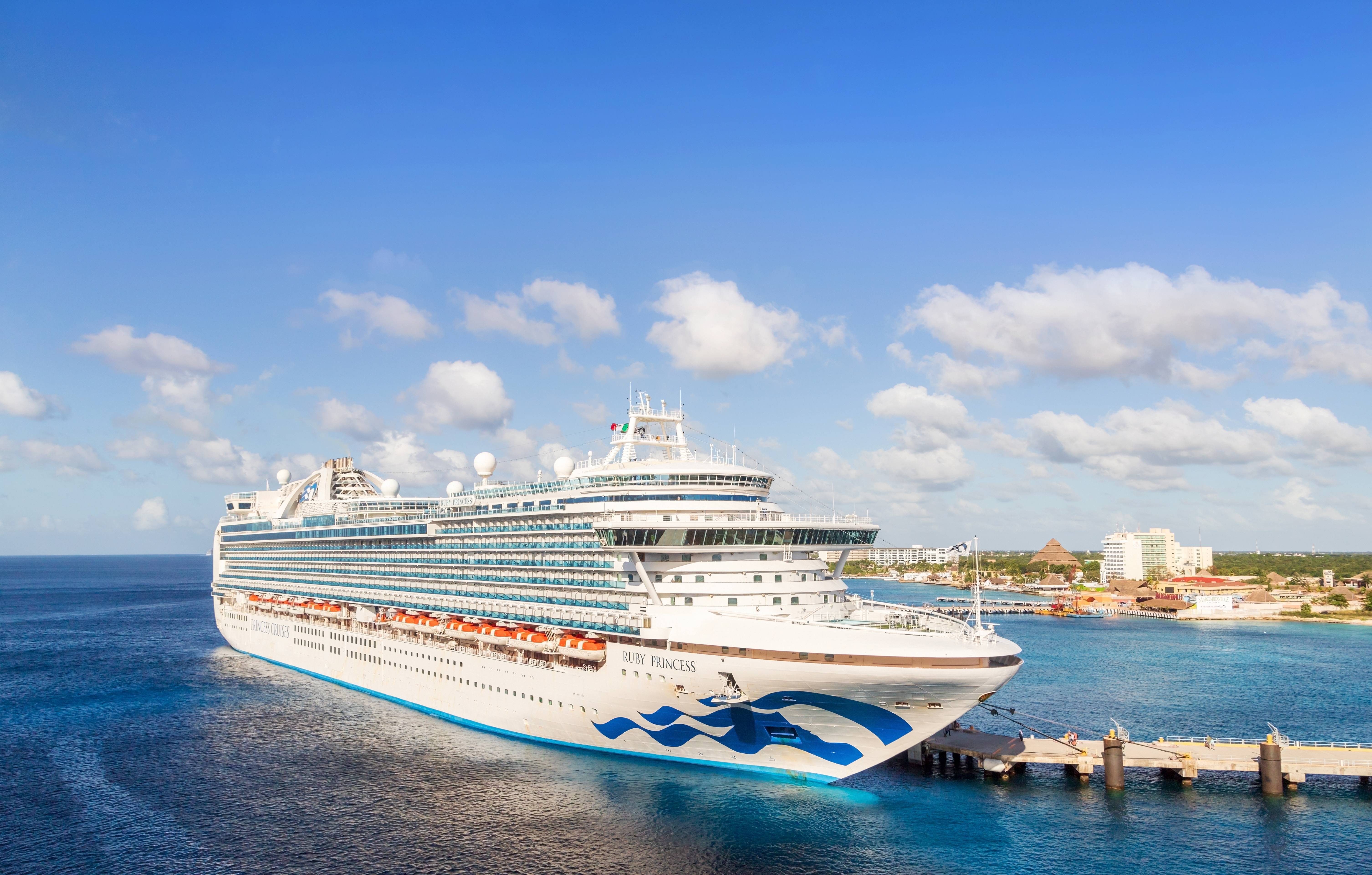
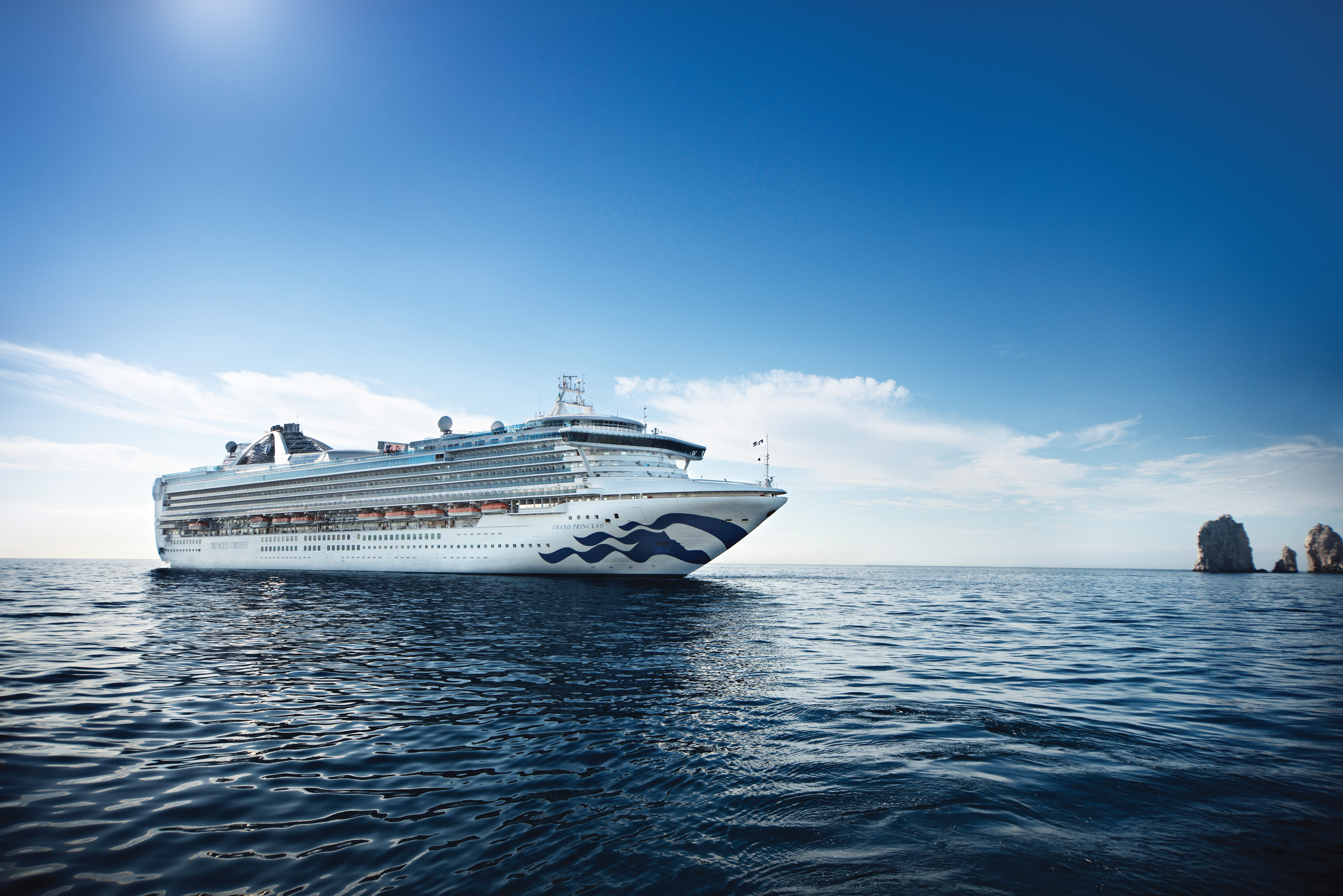
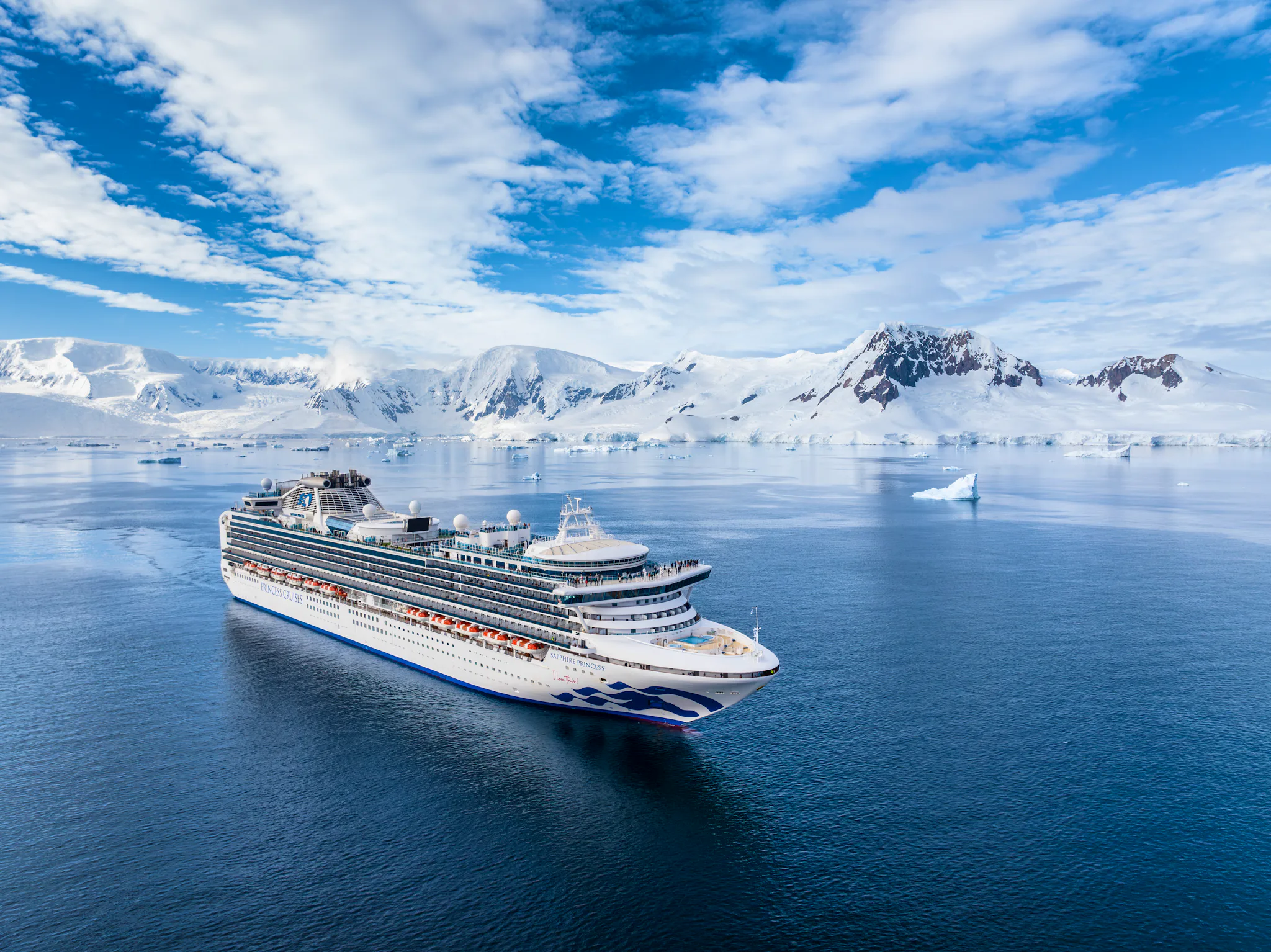
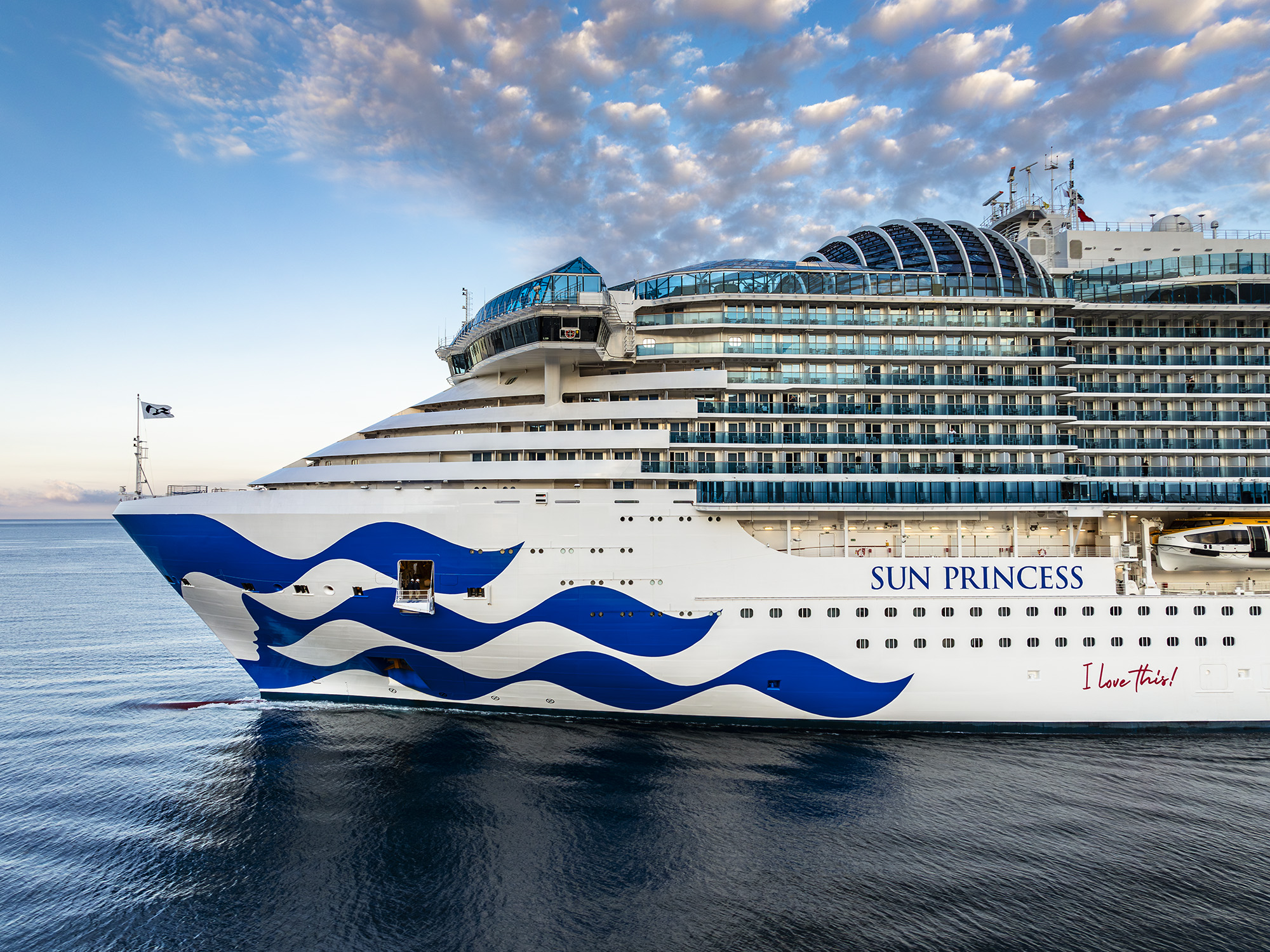
Princess Cruises is navigating a high-stakes operational pivot this week, rolling out aggressive fleet modernization strategies and adjusting global itineraries to meet shifting post-pandemic luxury demands. Observing the current market trend, industry insiders note that the Carnival Corporation subsidiary is aggressively leaning into next-generation connectivity and sustainability protocols to retain its dominance in the premium cruise sector.
| Quick Facts | Princess Cruises 2026 Strategic Overview |
|---|---|
| Parent Company | Carnival Corporation & plc |
| Primary Focus | Fleet-wide Starlink integration, expanded Alaska/Europe deployment |
| Current Challenge | Balancing supply chain pressures with surging global booking demand |
| Key Technological Edge | MedallionClass wearable tech ecosystem |
The Catalyst: Why Princess Cruises is Surging Now
The sudden urgency in the cruise sector stems from a convergence of surging consumer demand and stringent environmental regulations taking effect across North American and European ports. Reports from the field indicate that travelers are prioritizing experiential, long-haul voyages over short regional getaways, forcing Princess Cruises to reallocate its premier Spire-class and Royal-class vessels.
Simultaneously, competitors are pushing hard into the experiential luxury market, leaving Princess to accelerate its technological differentiation. The rollout of enhanced OceanMedallion capabilities across the fleet has become a critical battleground for guest satisfaction scores.
Expert Analysis & Implications
From a financial and logistical standpoint, these maneuvers represent a calculated risk for the cruise line. Maritime logistics analysts point out that retrofitting older ships while simultaneously taking delivery of liquefied natural gas (LNG)-powered vessels strains capital expenditure timelines.
However, the payoff for customer acquisition could be substantial. By capturing the lucrative remote-work and multi-generational demographic, Princess Cruises is successfully insulating itself against traditional seasonal booking slumps.
"The modern cruise consumer does not just want a floating hotel; they demand seamless digital integration coupled with eco-conscious navigation," notes a senior maritime shipping consultant tracking the sector. "Princess is spending heavily now to ensure they capture high-yield passengers who expect terrestrial-grade internet speeds at sea."
Consumer/Reader Guide: What Travelers Need to Know
For passengers planning a voyage with Princess Cruises, these operational shifts introduce both opportunities and adjustments to the booking process.
- Booking Windows: High-demand itineraries for Alaska and the Mediterranean are selling out up to 14 months in advance, requiring immediate action for peak season dates.
- Connectivity Upgrades: Starlink high-speed internet is now operational across the vast majority of the active fleet, though tiered pricing packages continue to evolve.
- Port Protocols: Travelers should verify updated digital check-in requirements via the MedallionClass app at least 72 hours prior to embarkation to avoid terminal delays.
- Sustainability Surcharges: Expect nominal adjustments to onboard fare structures as newer environmental compliance fees take effect in sensitive marine ecosystems like Glacier Bay and the Norwegian fjords.
The Road Ahead
As the year progresses, the true test for Princess Cruises will lie in its execution of scheduled dry-dock overhauls without disrupting peak revenue windows. Industry observers will be closely monitoring quarterly yield reports from Carnival Corporation to gauge whether increased capital expenditure translates into sustained margin expansion. If the current high-demand trajectory holds, the brand is well-positioned to set new benchmark metrics for premium ocean travel by the close of the fiscal year.