Beauty articles are structured media pieces that cover skincare, cosmetics, haircare, personal wellness, and dermatological science. They range from clinical ingredient breakdowns and product roundups to instructional tutorials and industry trend analyses, aiming to inform consumer purchasing decisions, offer actionable application techniques, and explain complex formulation science in accessible terms.
Core Formats of Beauty Journalism and Digital Content
The landscape of beauty writing encompasses distinct sub-genres, each designed to fulfill specific reader needs and search intents. Understanding these formats allows readers to critically digest information and helps content creators structure their work effectively.
| Format Category | Key Focus Areas |
|---|---|
| Clinical & Ingredient Deep-Dives | - Scientific studies & active %- Dermatological sourcing |
| Product Reviews & Roundups | - Hands-on field testing- Comparative benchmarks |
| Instructional Tutorials | - Step-by-step application- Safety & skin-type nuances |
| Industry & Cultural Trends | - Market shifts & macro trends- Regulatory & eco updates |
Scientific Ingredient Deep-Dives
Ingredient-focused articles unpack the chemical compounds, active concentrations, and physiological mechanisms behind skincare and haircare products. These pieces examine ingredients such as L-ascorbic acid, retinoids, niacinamide, hyaluronic acid, and alpha-hydroxy acids (AHAs).
A high-quality ingredient deep-dive explains how a molecule interacts with the skin barrier or hair shaft, the optimal pH levels required for efficacy, potential instabilities (such as oxidation upon exposure to light and air), and contraindications. For instance, an article analyzing retinoids should distinguish between over-the-counter retinol, retinaldehyde, and prescription-strength tretinoin, highlighting differences in conversion steps within the skin.
Product Reviews and Comparative Roundups
Product roundups evaluate multiple items within a single category, such as mineral sunscreens, hydrating serums, or restorative hair masks. The objective of a practical review is to compare items based on standardized criteria:
- Formulation attributes: Texture, fragrance, finish, and key active ingredients.
- Performance metrics: Wear time, hydration levels, absorption rate, and visible outcomes.
- Packaging and stability: Airless pumps versus open jars, opaque containers versus clear glass.
- Value proposition: Price per fluid ounce or gram relative to formula performance.
Legitimate reviews state the testing methodology, including the duration of trial, environmental conditions, and the tester's skin or hair type, preventing generalized assumptions from misleading readers.
Practical How-To Guides and Instructional Tutorials
Tutorial-focused beauty articles teach readers how to execute specific techniques or build functional routines. Common subjects include building a morning versus evening skincare regimen, masterclass-style makeup application (such as color correcting or graphic liner), and heatless hair styling methods.
Effective tutorials utilize sequential steps, explicit safety precautions (such as patch testing and gradual active introduction), and clear troubleshooting recommendations for common application errors.
Industry Trends and Cultural Commentary
Trend pieces examine shifts in consumer behavior, manufacturing innovations, regulatory updates, and cultural beauty standards. Topics frequently include the evolution of sustainable packaging, biotechnology in bio-fermented ingredients, and analysis of aesthetic trends popularized on social platforms. These articles contextualize trends within broader economic, environmental, and technological frameworks rather than presenting them as universally necessary habits.
Key Structural and Editorial Components
Rigorous beauty journalism relies on foundational structural elements that separate objective analysis from marketing copy. Readers and editors evaluate articles based on several key operational standards.
Expert Sourcing and Medical Verification
Because beauty products directly impact cutaneous physiology, authoritative articles cite qualified domain experts. The gold standard for sourcing in skincare content includes board-certified dermatologists, cosmetic chemists, trichologists, and licensed estheticians.
When discussing clinical efficacy, claims should ideally reference peer-reviewed research published in recognized medical journals, such as the Journal of the American Academy of Dermatology or the Journal of Cosmetic Dermatology. Quotes from experts must clarify why an ingredient works rather than simply endorsing a brand or product line.
Commercial Disclosures and Affiliate Integrity
Modern beauty publishing frequently intersects with digital affiliate marketing and brand sponsorships. Editorial integrity requires absolute transparency regarding commercial relationships:
- Affiliate Links: Articles containing monetized links must prominently display a disclosure stating that the publisher may earn a commission on qualifying purchases.
- Press Samples: Reviews must explicitly state whether products were purchased independently or provided by a brand's public relations agency for consideration.
- Sponsored Content: Paid brand partnerships require clear labeling at the top of the article in accordance with consumer protection standards.
Formulation and Application Context
A practical beauty article does not treat products as universally effective solutions. It incorporates contextual nuance, recognizing that human skin and hair vary based on genetic, environmental, and physiological factors.
A comprehensive review or guide explicitly identifies the target audience by detailing:
- Skin Type and State: Oily, dry, combination, sensitive, acne-prone, or compromised barrier.
- Fitzpatrick Skin Type: Particularly crucial when discussing sun care, hyperpigmentation treatments, and chemical peels to account for risks of post-inflammatory hyperpigmentation (PIH).
- Hair Texture and Porosity: Fine, medium, coarse, straight, wavy, curly, coily, high porosity, or low porosity.
Comparing Beauty Article Formats
The following matrix outlines the core attributes, essential data points, and primary evaluation criteria across major beauty content formats.
| Article Format | Primary Search Intent | Essential Data Points | Key Reliability Criteria |
|---|---|---|---|
| Ingredient Deep-Dive | Educational / Informational | Active concentration %, pH range, chemical stability, contraindications | Direct citations of peer-reviewed studies and cosmetic chemist commentary |
| Product Roundup | Commercial / Investigative | Price per oz/mL, key actives, finish, packaging type, skin/hair suitability | Explicit testing protocol, standardized criteria, and clear affiliate disclosures |
| Instructional Tutorial | Operational / Practical | Step-by-step sequence, tool requirements, timing, potential mistakes | Clear troubleshooting tips and explicit safety warnings (e.g., patch testing) |
| Clinical Overview | Medical / Health | Physiological mechanisms, side effects, recovery timeline, professional fees | Sourcing limited to board-certified dermatologists and peer-reviewed literature |
| Trend Analysis | Informational / Cultural | Market data, manufacturing changes, environmental impacts, regulatory updates | Objective commentary separating marketing claims from verifiable safety data |
Regulatory and Safety Standards in Beauty Writing
Beauty writers and editors operate within established regulatory guidelines designed to protect consumers from misleading health claims and deceptive marketing practices.
| Cosmetic Claims (Permissible) | Drug Claims (Restricted) |
|---|---|
| - Cleansing, beautifying | - Treating or curing disease |
| - Altering surface appearance | - Altering biological structure |
| - Hydrating top layer of skin | - Permanent physiological change |
Navigating Cosmetic vs. Drug Claims
In the United States, beauty products are primarily regulated by the Food and Drug Administration (FDA) under the Federal Food, Drug, and Cosmetic Act (FD&C Act) and updated framework provisions under the Modernization of Cosmetics Regulation Act of 2022 (MoCRA). Responsible beauty articles maintain strict linguistic distinctions between cosmetics and drugs:
- Cosmetic Claims: Focus on beautifying, cleansing, promoting attractiveness, or altering the appearance (e.g., "reduces the appearance of fine lines," "temporarily brightens skin," "smooths hair cuticles").
- Drug/Therapeutic Claims: Focus on diagnosing, curing, mitigating, treating, or preventing disease, or affecting the structure or function of the body (e.g., "cures eczema," "treats acne," "eliminates hyperpigmentation at a cellular level").
Articles that attribute drug-level therapeutic outcomes to over-the-counter cosmetic products without appropriate FDA approval background spread inaccurate information and violate basic regulatory writing standards.
FTC Disclosure Compliance
The Federal Trade Commission (FTC) enforces strict guidelines regarding endorsements and testimonials in digital media. According to the FTC Endorsement Guides, disclosures must be:
- Clear and Conspicuous: Located before the reader encounters affiliate links or sponsored claims, not buried in footers or fine print.
- Unambiguous: Using plain language such as "Earns Commission" or "Sponsored," rather than vague abbreviations like "#sp" or "#collab."
Identifying Red Flags and Misinformation in Beauty Articles
Evaluating beauty media requires critical thinking to spot common editorial failures, pseudo-scientific claims, and hidden biases.
Chemophobia and the "Clean Beauty" Narrative
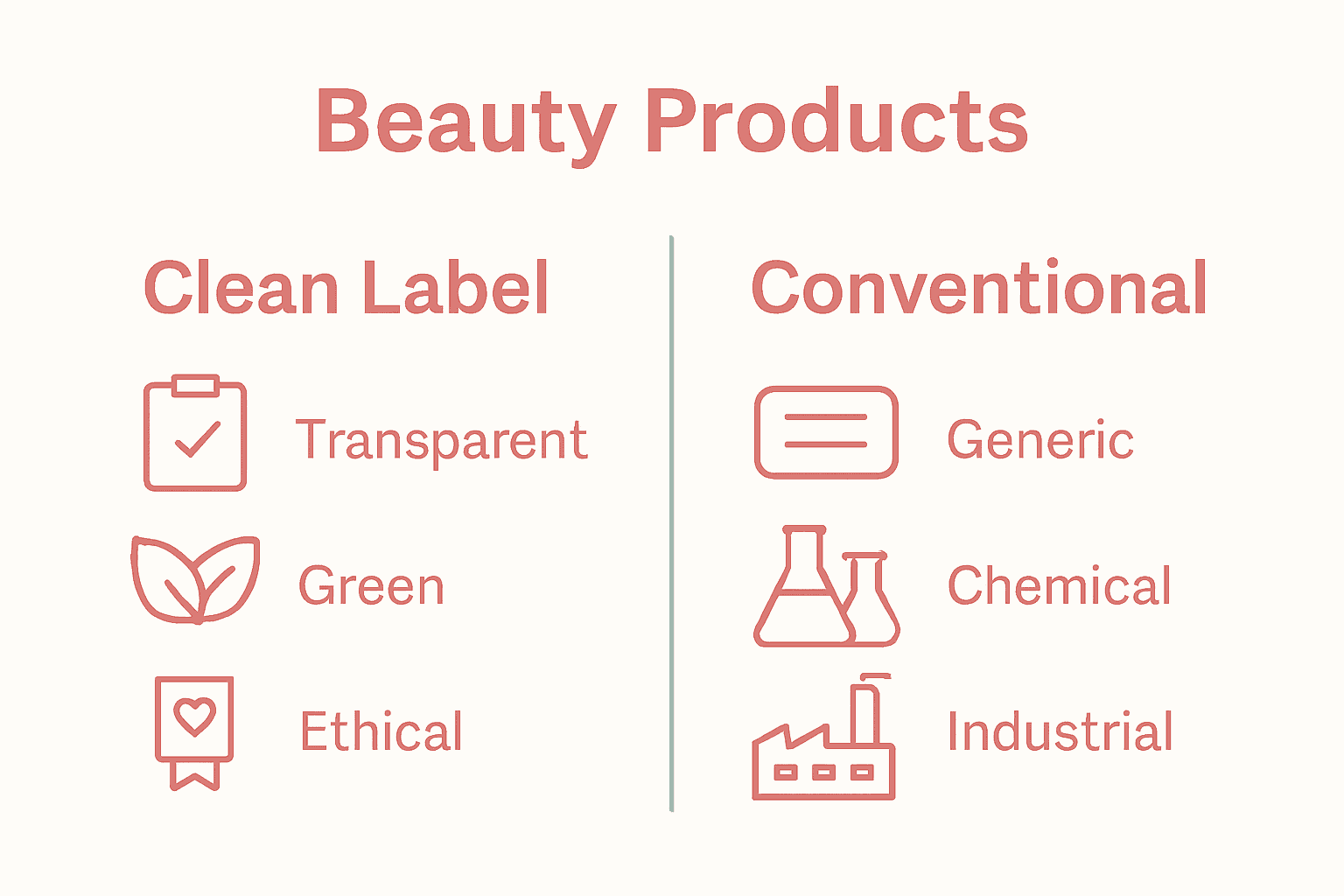
One of the most widespread issues in contemporary beauty journalism is chemophobia—the irrational fear of synthetic chemical compounds. Articles that label entire classes of safe, regulated ingredients (such as parabens, sulfates, silicones, and synthetic preservatives) as "toxic" or "hazardous" without toxicological context rely on sensationalism rather than science.
A scientifically sound article evaluates ingredient safety based on dosage, concentration, exposure method, and clinical safety thresholds, rather than binary "clean vs. chemical" categories. Preservatives, for example, play a vital safety role by preventing bacterial and fungal contamination in water-based cosmetic formulas.
Evaluating Ingredient Claims
- Claim: "Product Contains Chemical X"
- Is toxicological context provided?
- NO: RED FLAG: Binary label ("toxic/clean") sensationalism.
- YES: ACCURATE SCIENCE: Evaluates dose, exposure route, and safe limits.
Miracle Claims and Unrealistic Timelines
Skin turnover typically takes between 28 to 40 days, depending on age and individual physiology. Hair growth occurs at an average rate of approximately half an inch per month. Articles that promise "overnight transformations," "instant wrinkle deletion," or "permanent pore erasure" ignore human biology:
- Pores: Pores do not have muscles and cannot physically "open" or "close," nor can they be permanently shrunk, though their visual appearance can be minimized by clearing debris and reducing sebum backup.
- Structural Changes: Collagen synthesis and hyperpigmentation reduction require consistent, long-term application of active ingredients over weeks or months, not immediate fixes.
Undisclosed Conflicts of Interest
Articles that lack clear author bios, editorial guidelines, or disclosure statements present a significant reliability risk. Content produced purely to push specific product sales without acknowledging alternative remedies or potential side effects functions as marketing copy rather than journalistic review.
Frequently Asked Questions
How can readers verify the credibility of a beauty article?
Look for transparent author credentials, clear editorial guidelines, explicit commercial disclosures, and direct quotes or citations from verified experts such as board-certified dermatologists or cosmetic chemists. Credible articles also detail testing methodologies, mention potential side effects or contraindications, and avoid sensationalized claims.
What is the difference between cosmetic claims and therapeutic claims in beauty content?
Cosmetic claims describe surface-level aesthetic improvements, such as enhancing appearance, cleansing, or hydrating the outer skin layer. Therapeutic claims assert that a product can treat, cure, or prevent a medical condition (such as acne or rosacea) or alter biological structures, which legally categorizes the product as a drug under regulatory frameworks like the FDA.
Why do beauty articles often contain conflicting skincare advice?
Conflicting advice usually arises from variations in individual skin types, environmental factors, formulation differences, and evolving scientific consensus. Additionally, content driven by short-term trends or unverified personal anecdotes often contradicts clinically validated dermatological practices.
How do affiliate links impact the editorial objectivity of beauty reviews?
Affiliate links generate revenue when readers purchase products through specific links in an article. While affiliate monetization is a standard digital publishing model, reputable outlets separate their editorial selection process from commercial teams, ensuring products are recommended based on merit and performance rather than commission rates.
What should be included in a standard beauty product testing protocol?
A reliable testing protocol defines the duration of the trial (typically several weeks for skincare), environmental controls, application frequency, standardized evaluation metrics (such as texture, scent, and wear time), and details about the tester's specific skin or hair baseline.
Practical Checklist for Evaluating and Writing Beauty Articles
Whether analyzing beauty journalism as a consumer or drafting content as an editor, applying a structured checklist ensures rigor, compliance, and clinical accuracy.
For Content Creators and Editors
- Verify Expert Sources: Are quotes attributed to credentialed professionals (e.g., MD dermatologists, PhD chemists, licensed trichologists)?
- Include Dosage and Context: Are active ingredient percentages, optimal pH levels, and skin-type suitability clearly stated?
- Check Regulatory Compliance: Ensure cosmetic claims do not cross into unauthorized therapeutic or drug claims.
- Publish Disclosures: Place clear, conspicuous FTC disclosures above affiliate links and explicitly state press sample origins.
- Highlight Safety Precautions: Include patch-testing instructions, sunscreen recommendations alongside photosensitizing ingredients (like AHAs and retinoids), and explicit warning flags for potential irritants.
For Readers Evaluating Content
- Cross-reference ingredient claims with independent dermatological resources or scientific literature.
- Ignore articles promising instant, overnight structural skin changes or permanent physical alterations.
- Confirm that product reviews account for your specific skin type, hair porosity, or sensitivity level.
- Look for explicit disclosures regarding affiliate links, free product samples, or paid sponsorships.