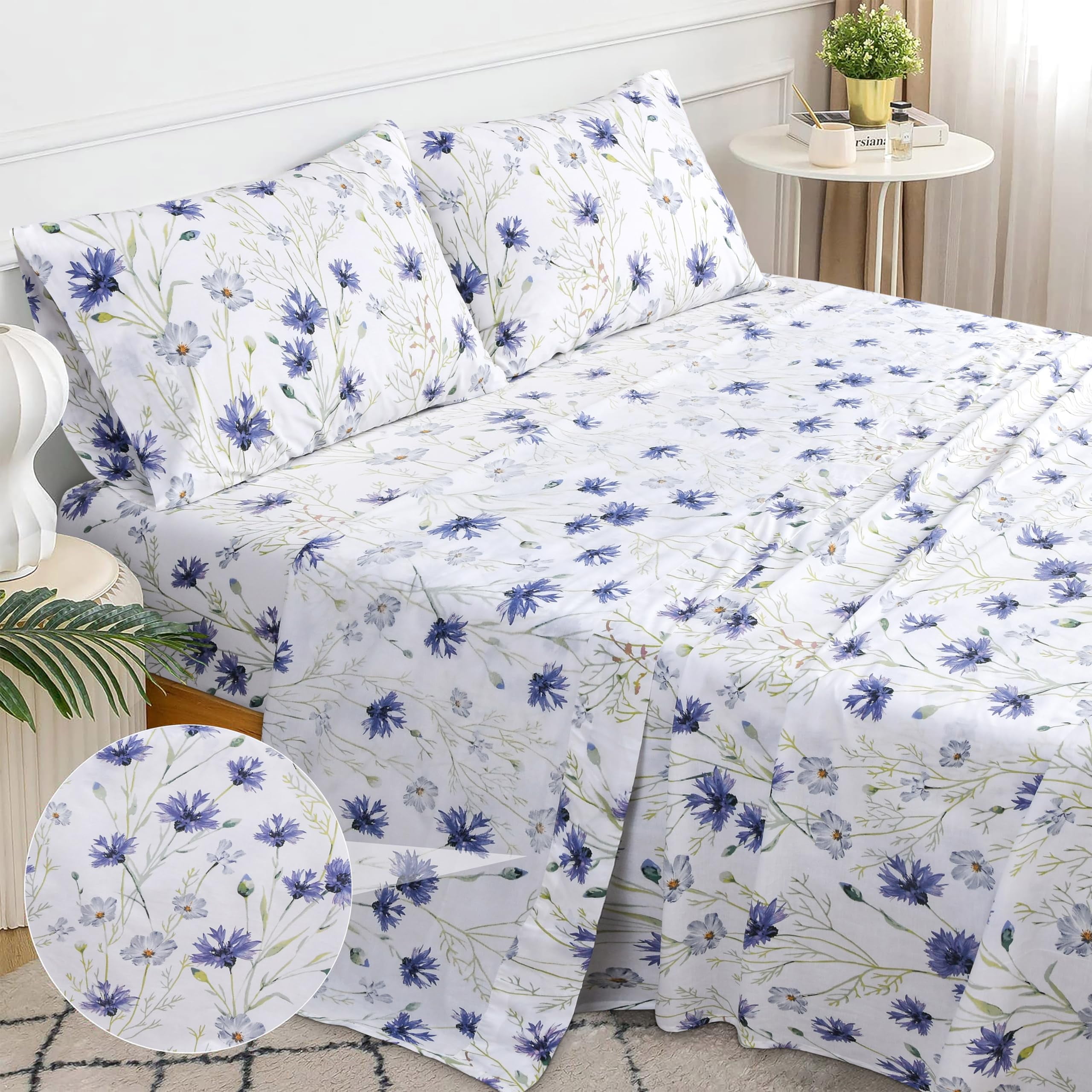
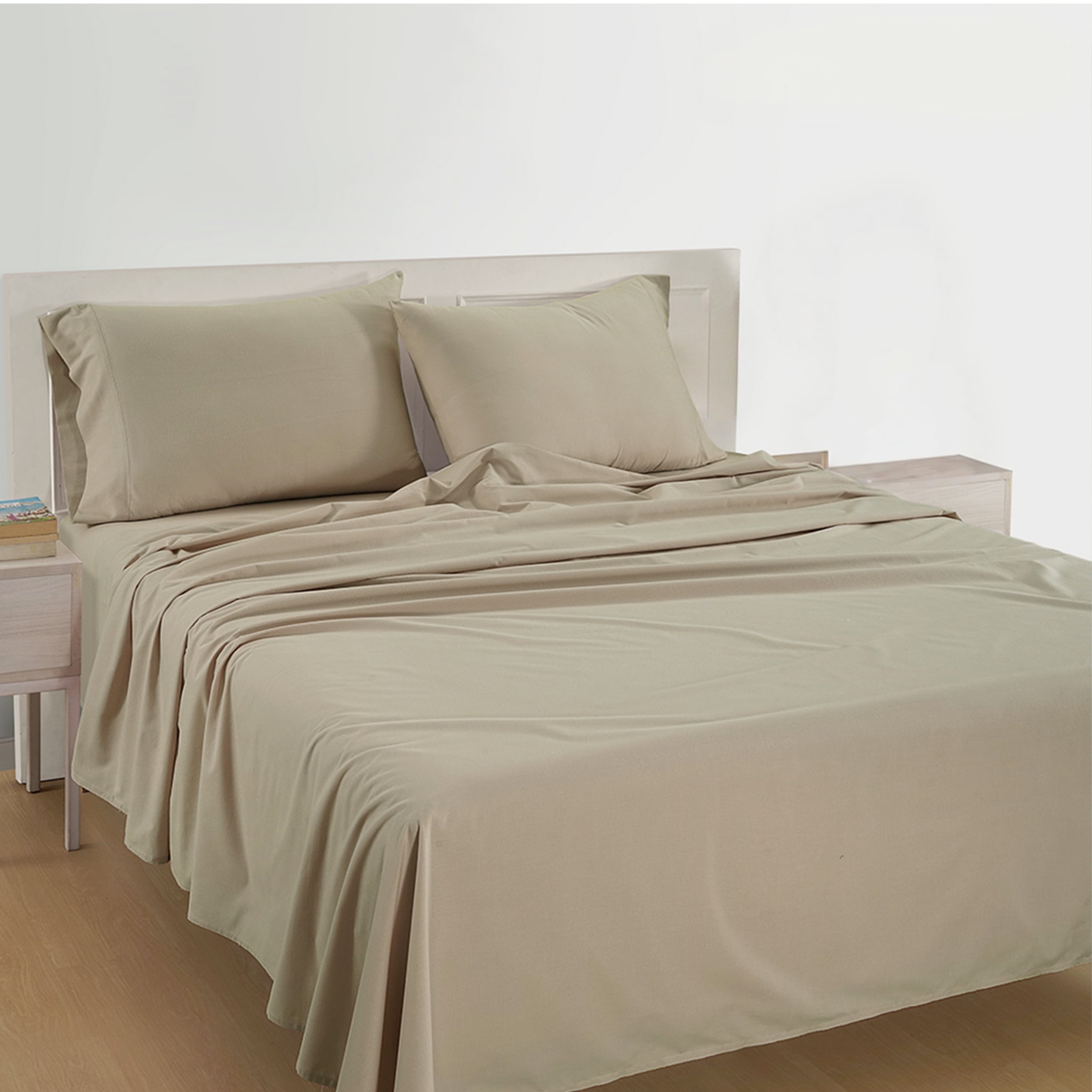
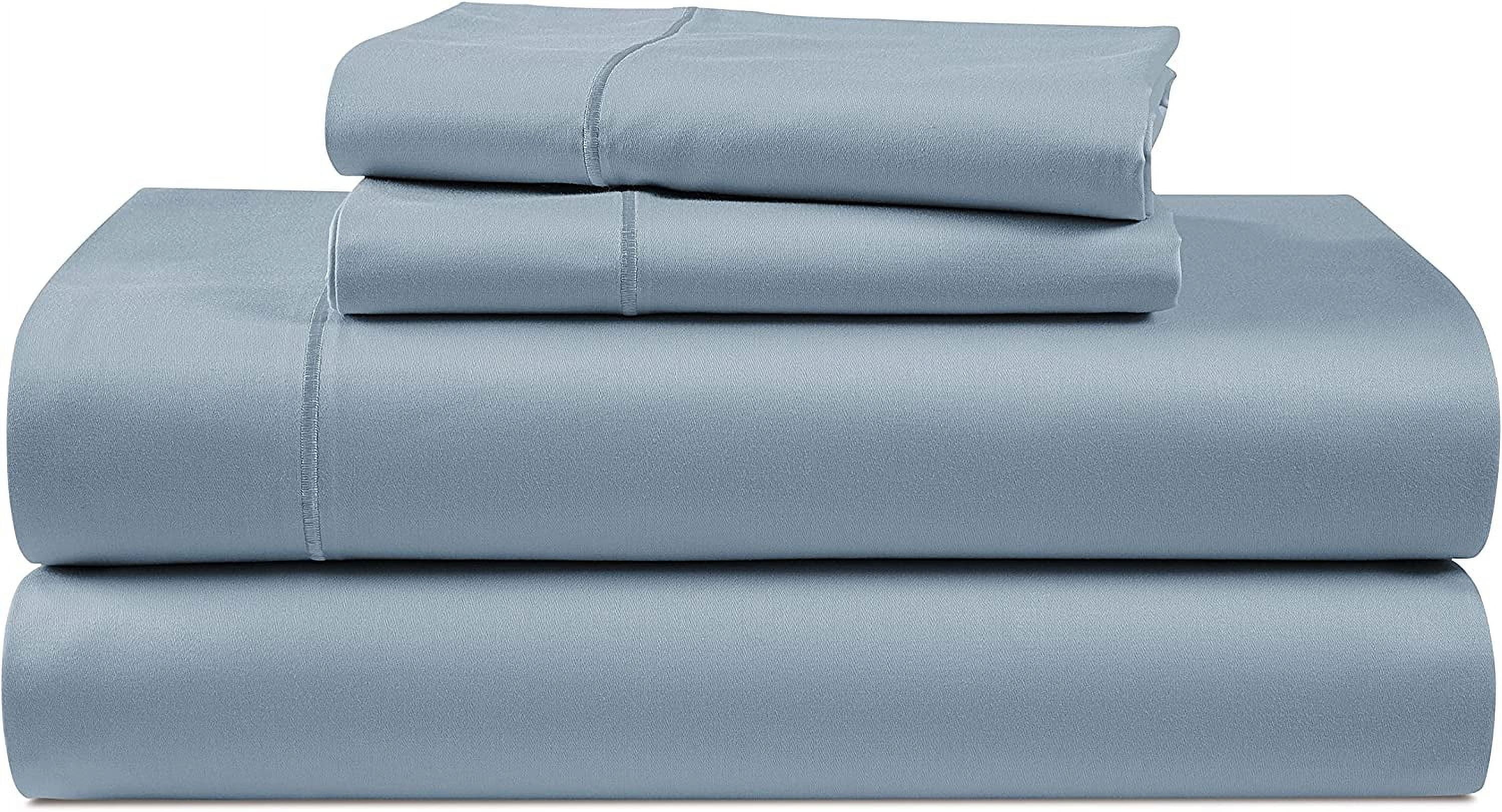
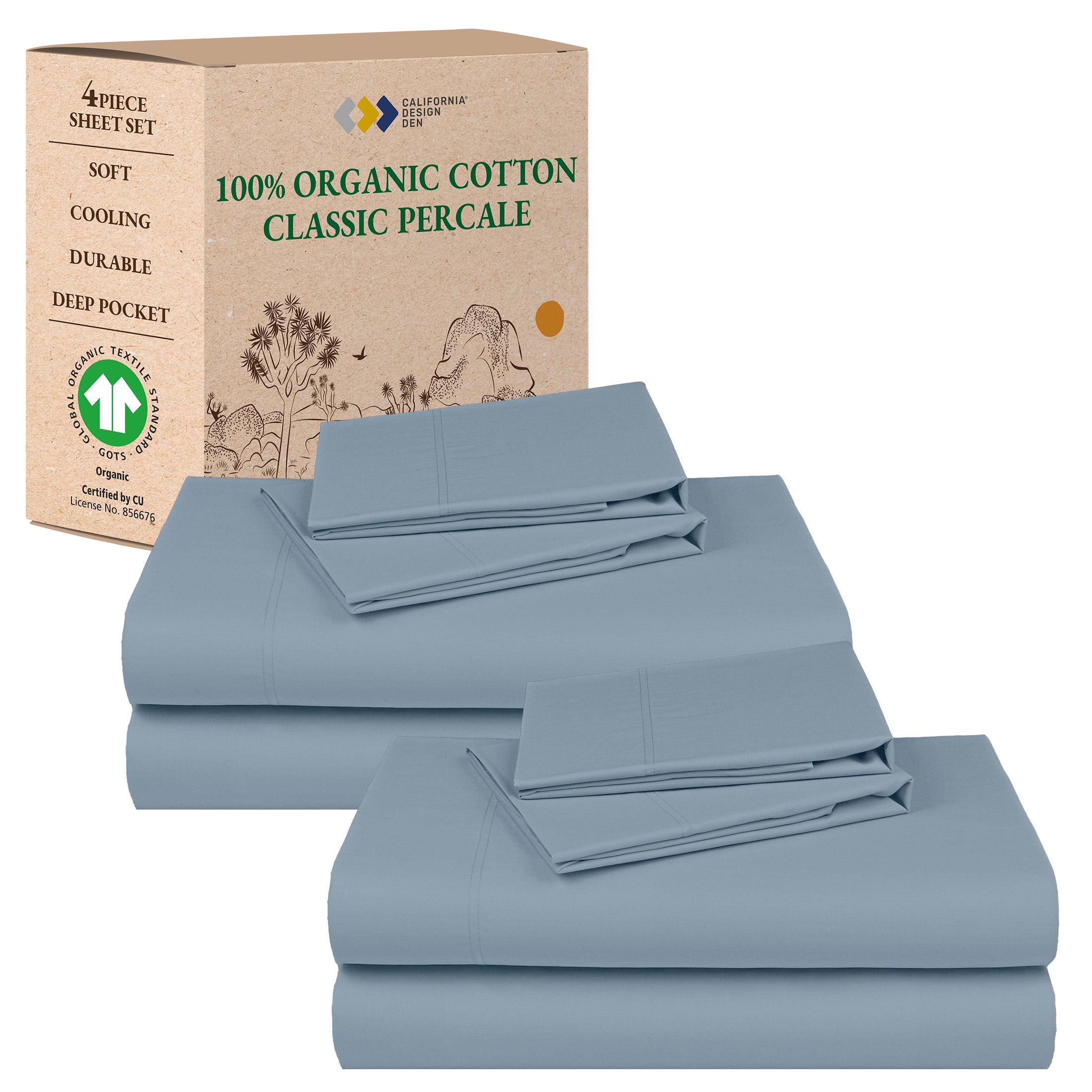
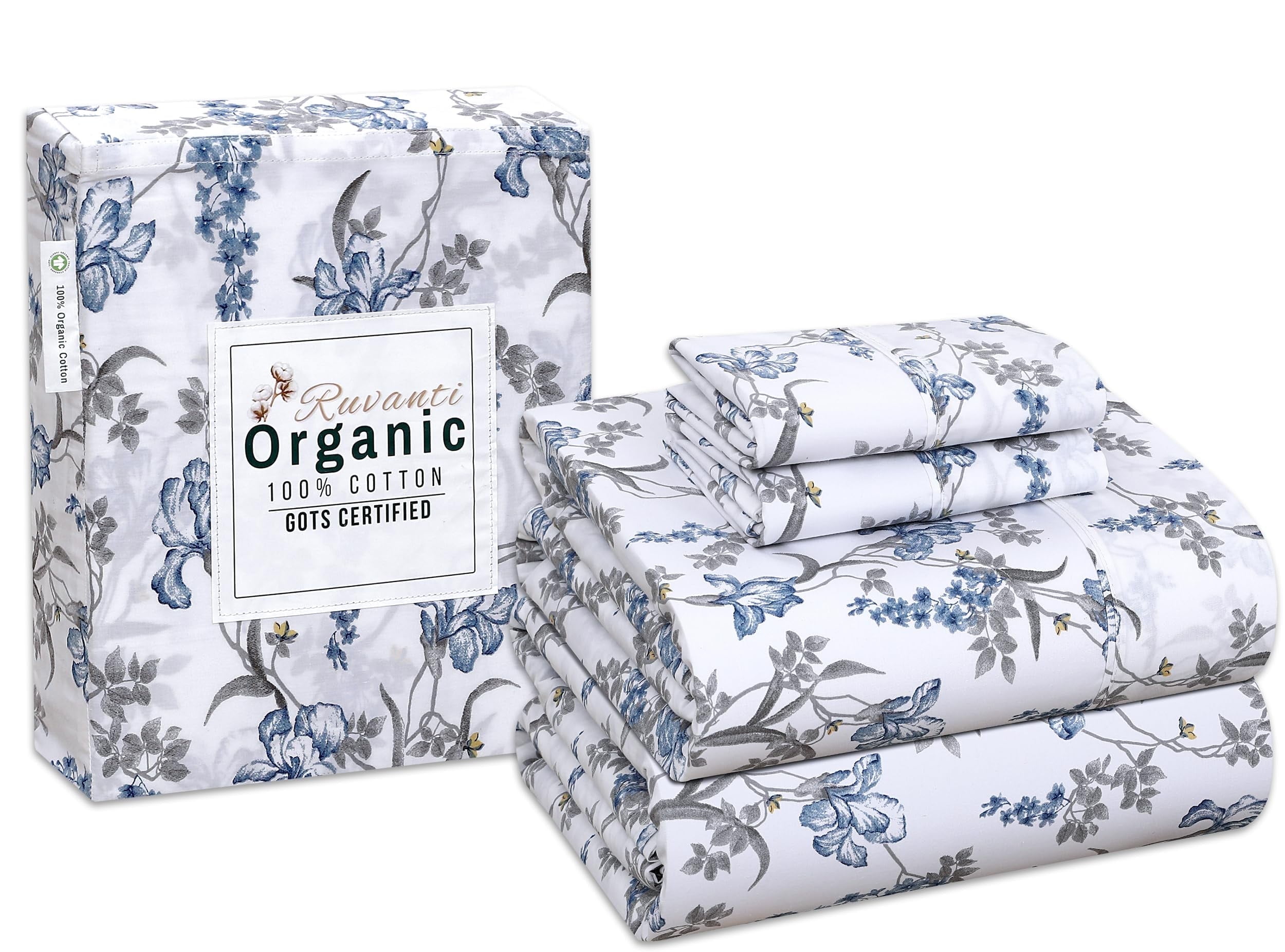
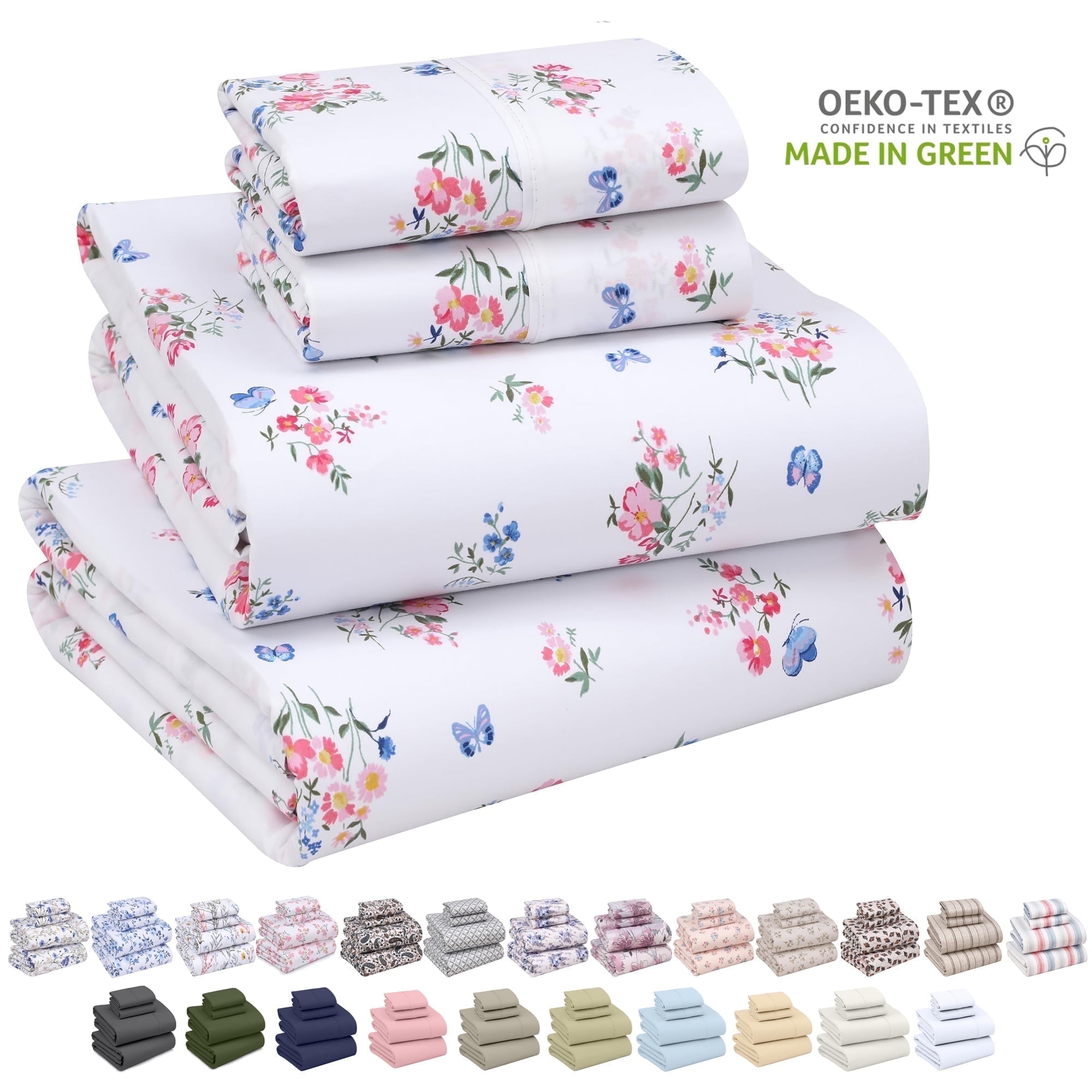
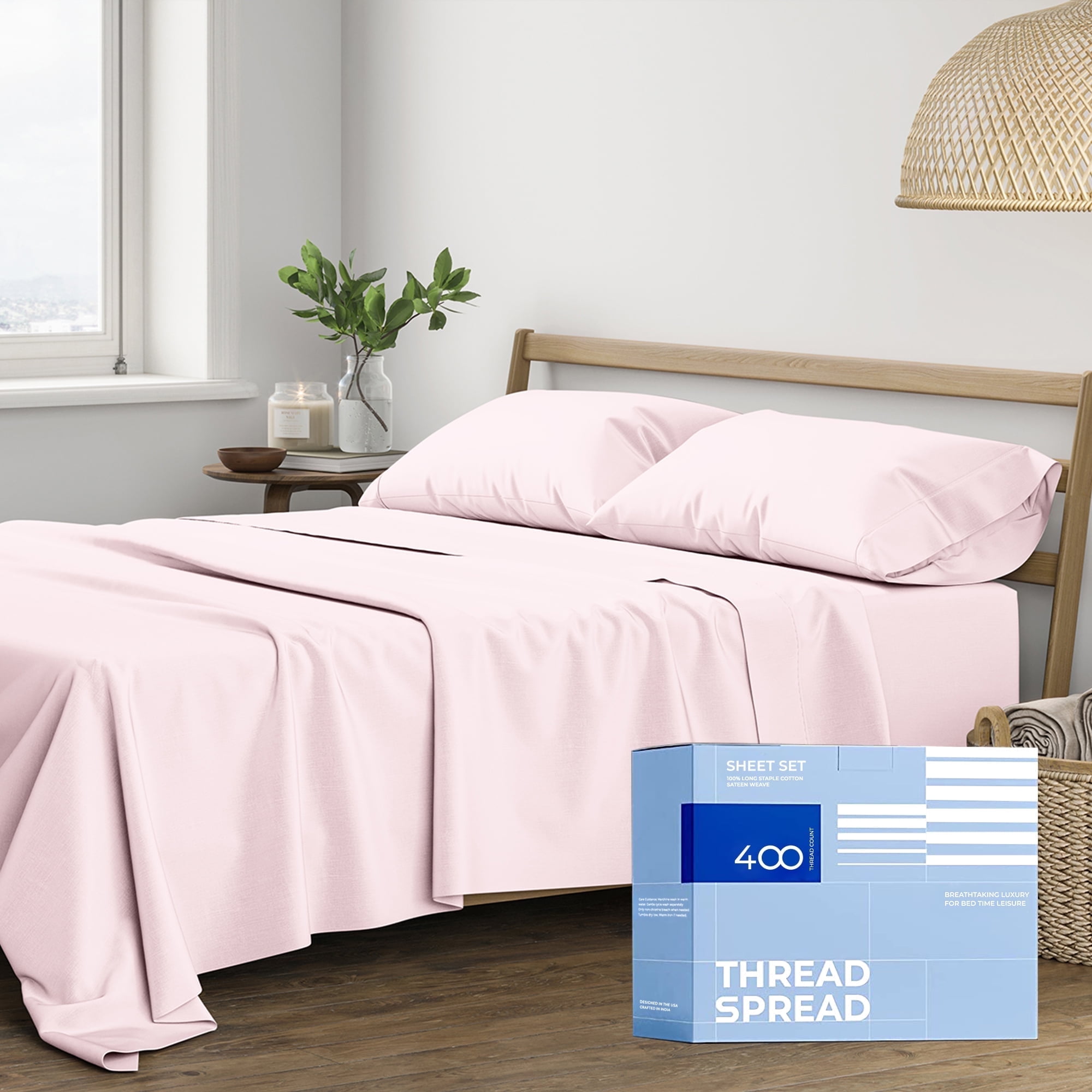
A standard queen cotton bed sheet set includes one fitted sheet (60 × 80 inches), one flat sheet (typically 90 × 102 inches to 96 × 108 inches), and two standard or queen pillowcases (20 × 30 inches). Selecting the right set requires balancing cotton staple length, weave construction, mattress pocket depth, and realistic thread count ratings between 200 and 600.
Understanding Queen Sheet Set Dimensions and Pocket Depths
Selecting a cotton sheet set that fits properly begins with understanding the physical specifications of a queen mattress. The standard dimensions of a queen mattress in North America are 60 inches wide by 80 inches long (152 cm × 203 cm). While width and length remain consistent across standard queen bedding, mattress depth (height) varies significantly depending on construction, internal coil systems, memory foam layers, and added mattress toppers.
- Standard Fit: Mattress 9" to 12" thick: Fitted Sheet Pocket 12" to 14"
- Deep Pocket: Mattress 13" to 17" thick: Fitted Sheet Pocket 15" to 18"
- Extra Deep Pocket: Mattress 18"+ thick: Fitted Sheet Pocket 20" to 24"
A properly fitted sheet must cover the top surface of the mattress and tuck under all four corners without slipping during sleep. To achieve a secure fit, the pocket depth of the fitted sheet should exceed the total mattress height by 2 to 3 inches.
- Standard Pockets: Designed for mattresses between 9 and 12 inches thick. Standard fitted sheets generally feature pockets measuring 12 to 14 inches.
- Deep Pockets: Suitable for modern hybrid, pillow-top, or memory foam mattresses ranging from 13 to 17 inches in height. Deep-pocket fitted sheets typically measure 15 to 18 inches.
- Extra Deep Pockets: Built for thick luxury mattresses or beds with heavy mattress toppers measuring 18 inches or more. These pockets range from 20 to 24 inches.
Flat (top) sheets in a queen set generally range from 90 × 102 inches to 96 × 108 inches. The extra width allows for an adequate drape of 15 to 18 inches on each side of the mattress, ensuring sufficient fabric for side-sleepers and bed-making tucks. Standard pillowcases included in queen sets measure 20 × 30 inches, accommodating both Standard (20 × 26 inch) and Queen (20 × 30 inch) pillows comfortably.
Fiber Quality: Staple Lengths and Cotton Varieties
The raw material used to spin cotton yarn is the primary factor determining a sheet set's softness, tensile strength, and longevity. Cotton quality is categorized primarily by staple length—the individual length of the raw cotton fibers before spinning.
| Category | Description |
|---|---|
| Short-Staple (< 1.125 in) | Economical, prone to pilling and quick wear |
| Long-Staple (1.125 - 1.25 in) | Soft, durable, minimal fraying/pilling |
| Extra-Long Staple (> 1.25 in) | Ultra-smooth, high strength, luxury grade |
Short-Staple Cotton (Under 1.125 Inches)
Short-staple fibers, common in conventional Upland cotton (Gossypium hirsutum), produce yarns with many visible fiber ends. When woven into sheets, short-staple cotton feels slightly rougher out of the wash and is prone to pilling—the formation of tiny balls of loose fiber on the fabric surface after repeated abrasion and laundering.
Long-Staple Cotton (1.125 to 1.25 Inches)
Long-staple cotton produces smooth, continuous strands of yarn with fewer exposed fiber ends. Sheets made from long-staple cotton are noticeably softer, exhibit higher sheen, and resist fraying over years of use. This category includes quality varieties grown globally, offering a balanced mix of durability and tactile comfort.
Extra-Long Staple (ELS) Cotton (Over 1.25 Inches)
Extra-long staple cotton represents the highest tier of raw cotton fiber, characterized by fine strands exceeding 1.25 inches in length. Key ELS varieties include:
- Supima Cotton: A licensed trademark designating 100% American-grown Extra-Long Staple Pima cotton (Gossypium barbadense). It offers superior strength, color retention, and pill resistance.
- Egyptian Cotton: Authentic Egyptian cotton is harvested in the humid Nile River valley, yielding long, fine ELS fibers. However, consumers must verify certification through organizations such as the Cotton Council of Egypt, as many non-certified products blend low-grade cotton while retaining the regional name.
Organic Certification Standards
Environmentally conscious shoppers often look for certified organic cotton. The Global Organic Textile Standard (GOTS) ensures that raw cotton is grown without synthetic pesticides or chemical fertilizers and processed under strict social and environmental criteria. Additionally, the OEKO-TEX Standard 100 certification verifies that the finished sheet set is free from harmful levels of toxic chemicals and heavy metals.
Weave Construction: Percale vs. Sateen vs. Alternative Knits
The manner in which cotton yarns are woven together alters the physical properties of the sheet set, including breathability, weight, texture, and visual finish. The two dominant woven constructions for cotton bed sheets are percale and sateen.
- Percale Weave (1-Over, 1-Under): Crisp, Matte, Breathable
- Sateen Weave (3 or 4-Over, 1-Under): Silky, Heavy, Lustrous Drape
Cotton Percale
Percale utilizes a classical one-over, one-under grid weave structure (also known as a plain weave). This structure produces a balanced fabric density that allows air to pass freely between threads.
- Feel and Appearance: Crisp, matte finish reminiscent of a fresh button-down dress shirt.
- Thermal Performance: Highly breathable and cool to the touch. Ideal for hot sleepers, warm climates, or summer months.
- Maintenance: Tends to wrinkle naturally after washing. Wrinkling decreases as the fibers soften with age.
Cotton Sateen
Sateen uses a three-over-one or four-over-one floating weave pattern. By exposing more yarn threads on the fabric surface, sateen maximizes surface area contact.
- Feel and Appearance: Silky, smooth hand-feel with a subtle lustrous sheen and a heavier, substantial drape.
- Thermal Performance: Slightly thicker and less air-permeable than percale, making it warmer and ideal for cold sleepers or cooler seasons.
- Maintenance: Resists wrinkles far better than percale straight out of the laundry, though it can be slightly more susceptible to snagging on rough objects.
Jersey and Flannel Alternatives
- Cotton Jersey: Jersey is a single-knit fabric rather than a woven texturing method. It stretches easily and offers the soft, relaxed feel of a vintage T-shirt, though it lacks the structural integrity and durability of woven percale or sateen.
- Brushed Cotton Flannel: Flannel sheets are woven, then mechanically brushed on one or both sides to raise microscopic fiber ends. This creates tiny air pockets that trap body heat, providing high warmth during winter months.
Demystifying Thread Count and Quality Indicators
Thread count measures the total number of vertical threads (warp) and horizontal threads (weft) woven into one square inch of fabric. While historically considered the primary benchmark of sheet quality, thread count can be artificially manipulated by manufacturers.
- Single-Ply Construction (True Quality):
- Single thick, long-staple thread
- Yields: 300 Clean Thread Count
- Multi-Ply Construction (Inflated):
- Twisted short, low-grade fibers
- Yields: 600+ Inflated Count
The Multi-Ply Thread Count Myth
To market low-grade sheet sets at premium price points, some manufacturers twist two, three, or four thin, short-staple cotton fibers together into a single composite thread. They then multiply the physical weave count by the number of individual fiber plies. Under this calculation:
$$\text{Actual Weave (200 threads)} \times \text{3-Ply Yarn} = \text{Advertised "600 Thread Count"}$$
These multi-ply, high-count fabrics are heavier, far less breathable, and prone to rapid pilling and tearing.
Realistic Thread Count Benchmarks
When evaluating 100% single-ply cotton sheet sets, optimal thread count ranges vary by weave:
- Cotton Percale: 200 to 400 thread count. Counts above 400 often reduce breathability by packing yarns too tightly.
- Cotton Sateen: 300 to 600 thread count. The floating weave structure accommodates a slightly higher density without suffocating air movement.
Prioritize single-ply construction, verified fiber origin (such as long-staple or ELS), and reputable finish certifications over thread count numbers above 600.
Comparing Cotton Sheet Set Types and Technical Specifications
The following table summarizes key technical attributes across common queen cotton bed sheet set variations:
| Sheet Set Category | Primary Weave / Structure | Target Sleep Temperature | Recommended Thread Count | Pocket Depth Range | Key Functional Advantage |
|---|---|---|---|---|---|
| Long-Staple Percale | Plain 1-over, 1-under | Warm / Hot Sleepers | 200 – 400 | 14" – 18" | Maximum breathability; stays crisp and cool |
| Long-Staple Sateen | Satin 4-over, 1-under | Neutral / Cold Sleepers | 300 – 600 | 14" – 18" | Silky smoothness; rich sheen and elegant drape |
| Supima / ELS Cotton | Percale or Sateen | All Sleep Types | 300 – 500 | 15" – 20" | Exceptional tensile strength and pill resistance |
| GOTS Organic Cotton | Plain or Twill | Hot to Neutral | 200 – 400 | 12" – 16" | Zero synthetic pesticides; hypoallergenic profile |
| Brushed Flannel | Plain (Brushed surface) | Cold Winter Climates | Measured by weight (150–200 GSM) | 12" – 16" | Excellent thermal insulation and soft touch |
| Cotton Jersey Knit | Single Interlock Knit | Neutral Climates | N/A (Knitted) | 12" – 15" | High elasticity; soft, jersey T-shirt texture |
Laundering and Fabric Care for Maximum Longevity
Proper care preserves the natural strength of cotton fibers, prevents premature shrinkage, and keeps sheet sets soft over hundreds of wash cycles.
- WASH: Cool/Warm Water (30°C - 40°C)
- DRY: Low Heat Cycle, Remove Promptly
- CARE: Skip Softener, Use Wool Balls
Washing Guidelines
- Water Temperature: Wash cotton sheets in cool or warm water (30°C to 40°C / 85°F to 104°F). Hot water weakens cotton fibers over time and accelerates color fading.
- Detergent Selection: Use a mild, pH-neutral liquid laundry detergent. Avoid detergents containing harsh optical brighteners, chlorine bleach, or heavy synthetic perfumes, which break down long-staple yarns.
- Load Size: Wash sheet sets independently from rough textiles like towels, jeans, or items with exposed zippers to prevent surface friction and pilling.
Drying Guidelines
- Heat Settings: Tumble dry on low heat or delicate cycles. High heat dehydrates cotton fibers, making them brittle and prone to breakage.
- Prompt Removal: Remove sheets from the dryer while they are slightly damp (around 95% dry) and smooth them flat over the bed immediately to reduce natural wrinkling without ironing.
Avoiding Fabric Softeners
Liquid fabric softeners deposit a thin layer of chemical silicone over cotton fibers. Over time, this buildup clogs the porous structure of natural cotton, significantly reducing its inherent breathability and moisture-wicking properties. Replace commercial liquid softeners with 1/4 cup of distilled white vinegar in the rinse cycle to naturally loosen detergent buildup and soften fibers.
Common Pitfalls to Avoid When Buying Queen Cotton Sheets
- Selecting Sheets Based Solely on Thread Count: Higher numbers (800–1200+) often signal multi-ply short-staple yarns that trap heat and pill quickly. Focus on fiber staple length and single-ply fabric construction instead.
- Ignoring Total Mattress Height: Standard 12-inch pocket fitted sheets will snap off 15-inch hybrid mattresses or beds with added toppers. Always measure total height from top to bottom edge before purchasing.
- Falling for Vague Labeling: Terms like "Egyptian Quality," "Cotton Rich," or "Micro-Cotton" are often marketing labels. Check the fabric tag to verify 100% Cotton (or 100% Supima/Organic Cotton) rather than polyester blends.
- Over-Drying on High Heat: High dryer temperatures cause permanent fiber damage, extreme shrinkage, and structural weakening around the elastic corners of fitted sheets.
Practical Checklist for Choosing Your Queen Cotton Sheet Set
Follow this step-by-step selection workflow before purchasing:
- Measure Your Mattress: Use a ruler or tape measure to find the exact vertical profile of your queen mattress (width: 60", length: 80", depth: variable). Add 2–3 inches to determine the required fitted pocket depth.
- Identify Sleep Profile:
- Choose Percale if you tend to run hot or live in warm, humid regions.
- Choose Sateen if you prefer a silky hand-feel, heavier weight, or added warmth.
- Verify Fiber Integrity: Look for explicitly labeled Long-Staple or Extra-Long Staple (ELS) cotton, such as certified Supima or GOTS Organic.
- Check Elastic Construction: Ensure the fitted sheet features a full-perimeter elastic band (running completely around the bottom edge) rather than cheap elastic sewn only into the four corners. Full elastic prevents the sheet from shifting overnight.
- Review Care Requirements: Confirm your laundry routine aligns with cool/warm wash cycles and low-heat drying requirements.
Frequently Asked Questions
What is the standard size of a queen cotton fitted sheet?
A standard queen cotton fitted sheet measures 60 inches wide by 80 inches long (152 × 203 cm). Pocket depths vary across products, typically ranging from 12 inches for standard mattresses to 18 inches or more for deep-pocket models.
Does a higher thread count mean better quality cotton sheets?
Not necessarily. Thread counts above 500 often rely on multi-ply short-staple yarns twisted together to artificially inflate numbers. High-quality single-ply cotton percale (200–400 count) or sateen (300–600 count) offers better breathability and long-term durability than multi-ply sheets claiming 1,000 thread count.
How deep should the pockets be on a queen fitted sheet?
The pocket depth of your queen fitted sheet should be 2 to 3 inches deeper than your total mattress thickness. If your queen mattress measures 14 inches tall including its top cushion, purchase a deep-pocket sheet set rated for at least 16 to 17 inches to prevent corner pop-offs.
What is the primary difference between percale and sateen cotton sheets?
Percale uses a traditional one-over, one-under plain weave yielding a crisp, matte, and highly breathable surface ideal for hot sleepers. Sateen uses a four-over, one-under weave structure that creates a smoother, lustrous, heavier fabric that retains slightly more warmth.
How often should you wash and replace cotton queen sheets?
Cotton queen bed sheets should be washed every 1 to 2 weeks under normal use to clear away shed skin cells, body oils, and dust mites. High-quality long-staple cotton sheet sets typically last 3 to 5 years when laundered in cool water and dried on low heat.
Optimized Care and Selection Protocol for Queen Cotton Sheets
To maximize sleep comfort and sheet longevity, align your purchasing choices with your personal sleep temperature and precise mattress depth. Select 100% single-ply long-staple or extra-long staple cotton in percale (for hot sleepers) or sateen (for cooler sleepers). Wash the set every two weeks using mild liquid detergent without fabric softeners, tumble dry on low heat, and store sheets in a cool, well-ventilated closet to maintain fresh cotton fibers year-round.