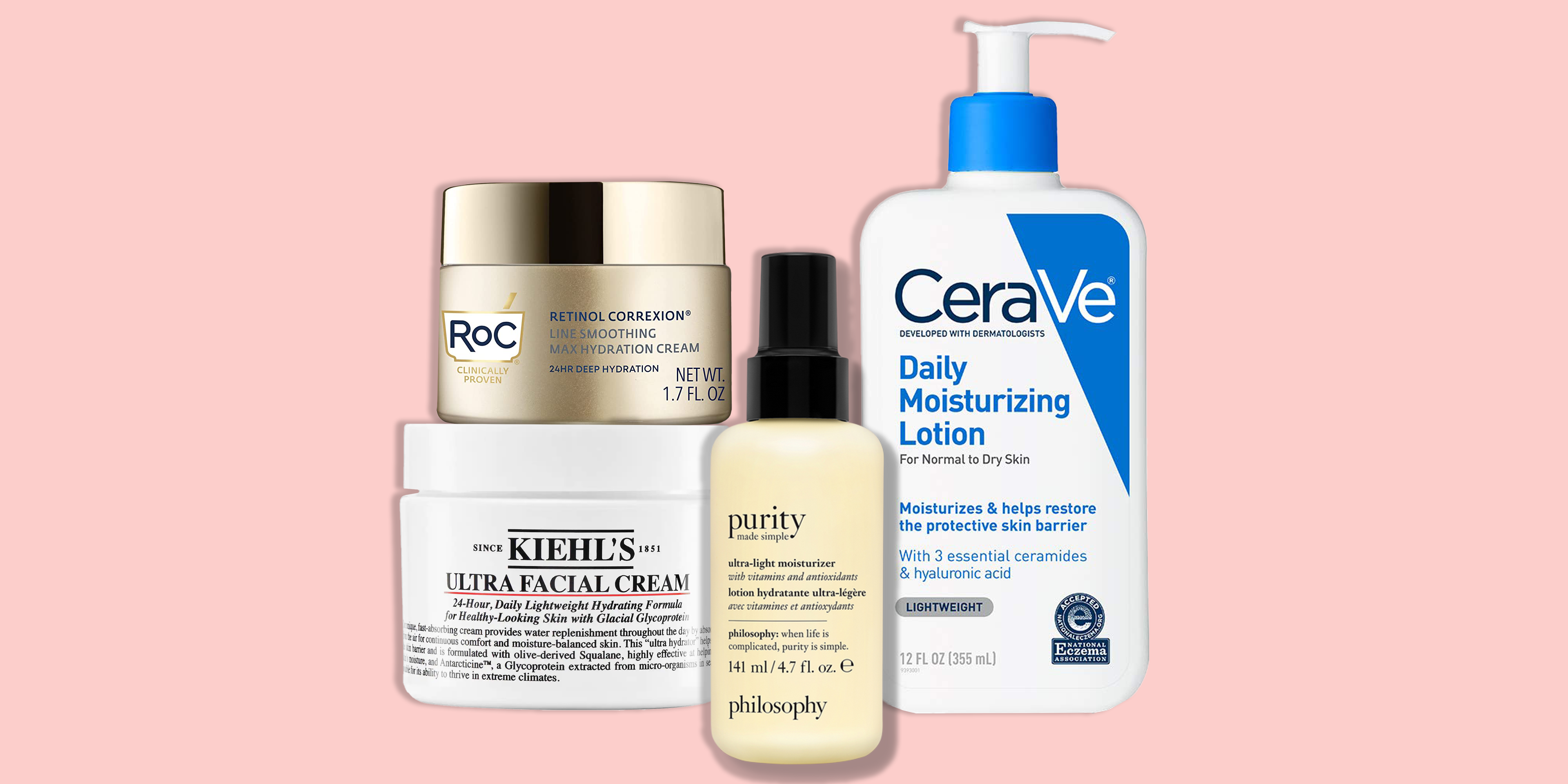
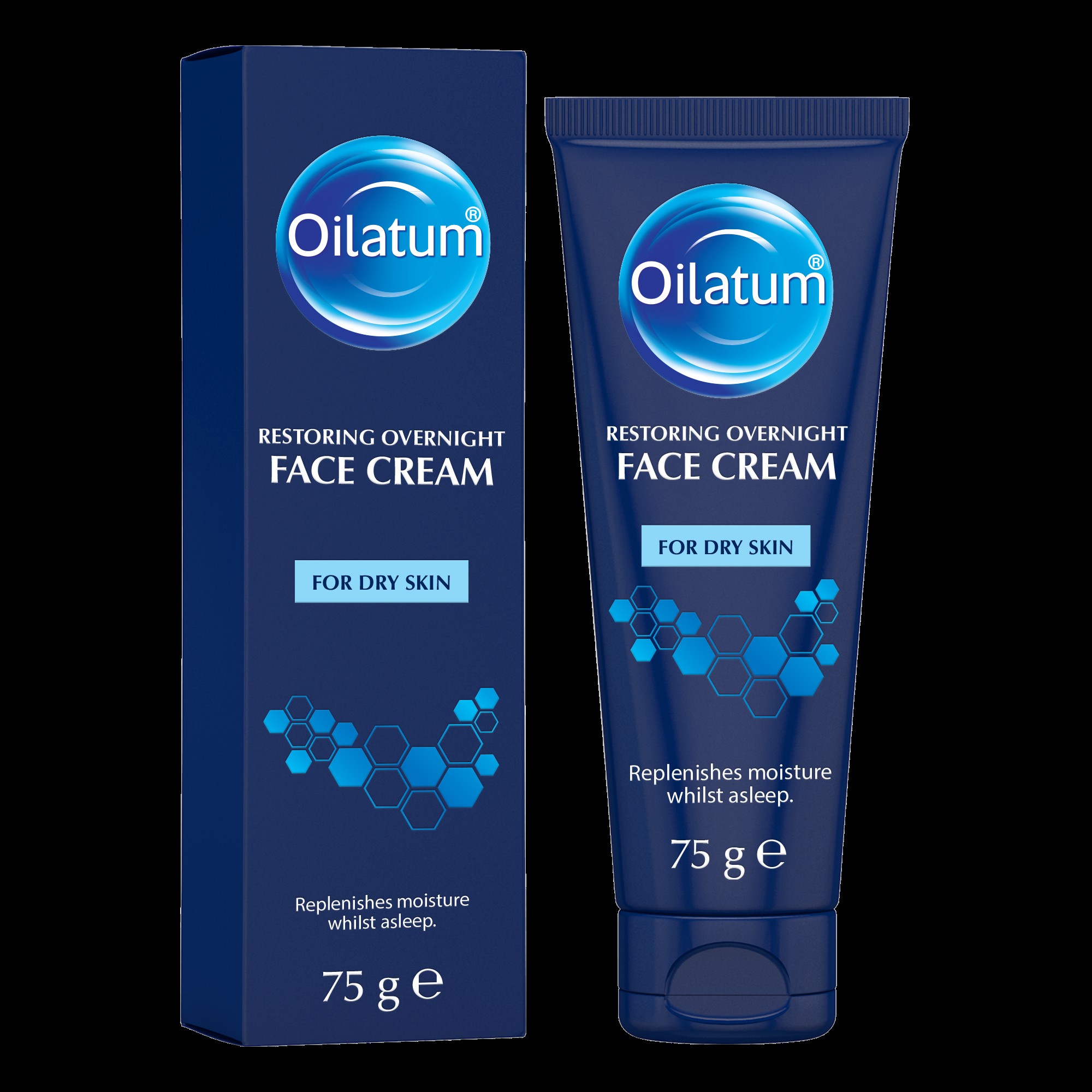
Nourishing face creams for dry skin work by replenishing lost stratum corneum lipids and restoring the skin's natural protective barrier. Unlike basic lightweight moisturizers, these formulations blend humectants to pull water into skin cells, emollients to smooth rough surface texture, and occlusives to lock in moisture, effectively preventing transepidermal water loss and persistent flakiness.
Understanding Dry Skin and Barrier Mechanics
To choose an effective nourishing face cream, it is essential to understand the biological difference between dry skin and dehydrated skin. Dry skin (alipidic skin) is a specific skin type characterized by an underproduction of natural sebum and structural lipids. Dehydrated skin, by contrast, is a temporary condition marked by a lack of water within the epidermal layers, which can affect oily, combination, and dry skin types alike.
The outermost layer of the epidermis, known as the stratum corneum, functions as a protective brick-and-mortar structure. Skin cells (corneocytes) serve as the bricks, while intercellular lipids—primarily ceramides, cholesterol, and free fatty acids—act as the mortar. When this lipid lipid matrix is compromised due to genetics, aging, harsh environmental conditions, or over-exfoliation, the barrier weakens.
- Stratum Corneum
- Corneocyte (Lipid Matrix: Ceramides, Fatty Acids)
- Corneocyte, Corneocyte, Corneocyte
- Transepidermal Water Loss (TEWL)
- Dryness, Irritation, and Flaking
This structural breakdown leads to accelerated transepidermal water loss (TEWL), permitting moisture to evaporate rapidly into the surrounding air. Consequently, dry skin often manifests as:
- Persistent tightness, particularly after cleansing.
- Rough, uneven texture and visible micro-flaking.
- Increased susceptibility to redness, stinging, and environmental irritants.
- Fine lines caused by reduced epidermal turgor and volume.
Standard lightweight lotions or gel moisturizers often rely primarily on water and simple humectants. While they provide instant surface hydration, they lack the high lipid concentration required to rebuild a depleted lipid barrier. A dedicated nourishing face cream addresses xerosis (dry skin) by supplying structural lipids alongside deep hydration, effectively sealing micro-cracks in the stratum corneum.
The Core Triad of Barrier-Nourishing Ingredients
Formulating or selecting a truly restorative face cream requires an optimal balance of three distinct ingredient categories: humectants, emollients, and occlusives. A superior nourishing cream integrates all three to mimic the skin's natural physiological makeup.
- THE THREE-PILLAR MATRIX
- HUMECTANTS : Attract Water
- EMOLLIENTS : Rebuild Intercellular Lipid
- OCCLUSIVES : Lock In Moisture
1. Humectants: Water-Binding Agents
Humectants draw moisture from the deeper dermis layer and, when humidity permits, from the surrounding atmosphere into the stratum corneum.
- Glycerin: A classic, highly effective polyol that hydrates skin cells, stabilizes barrier function, and aids in desquamation (natural shedding of dead skin cells).
- Hyaluronic Acid & Sodium Hyaluronate: Capable of holding up to 1,000 times their weight in water across varying molecular weights for multi-depth penetration.
- Urea: A component of the skin's Natural Moisturizing Factor (NMF) that hydrates while offering mild keratolytic (smoothing) benefits at low concentrations (2–5%).
- Sodium PCA & Amino Acids: Key NMF elements that maintain cellular elasticity and hydration equilibrium.
2. Emollients: Barrier Restorers and Softeners
Emollients fill the microscopic gaps between shedding corneocytes, smoothing the skin surface and replenishing lipid deficits.
- Physiological Lipids (Ceramides 1, 3, 6-II): Essential lipid components that match the natural composition of healthy skin to repair structural barrier gaps.
- Squalane: A stable, non-comedogenic hydrogenated derivative of squalene that offers exceptional biocompatibility and softening properties without feel heavy.
- Plant-Derived Oils: Oils rich in linoleic and oleic acids—such as jojoba oil, rosehip seed oil, and argan oil—that condition and replenish nutrient-depleted skin.
- Phytosphingosine & Cholesterol: Essential companion lipids that work synergistically with ceramides in an ideal 3:1:1 ratio to accelerate barrier recovery.
3. Occlusives: Moisture Seals
Occlusives create a physical barrier on the surface of the skin to block moisture evaporation and drastically reduce TEWL.
- Petrolatum: The gold standard in occlusivity, capable of reducing TEWL by up to 98%.
- Shea Butter (Butyrospermum Parkii): A rich plant butter packed with fatty acids and vitamins A and E, delivering heavy-duty protection with anti-inflammatory benefits.
- Dimethicone: A breathable silicone polymer that forms a silky protective coating without clogging pores.
- Plant Waxes (Beeswax, Candelilla Wax): Provide structured, long-lasting surface shielding against cold air and low humidity.
Formulation Matrix: Matching Cream Types to Skin Needs
Selecting the correct cream density depends on the severity of dryness, underlying sensitivity, and environmental exposure. The table below outlines formulation characteristics across varying dry skin profiles.
| Dry Skin Profile | Primary Symptoms | Key Ingredient Focus | Ideal Cream Texture | Application Frequency |
|---|---|---|---|---|
| Mildly Dry / Dehydrated | Occasional tightness, mild dullness, slight roughness | Glycerin, Squalane, Hyaluronic Acid, Niacinamide | Medium-weight emulsion (Oil-in-Water) | Twice daily (Morning & Evening) |
| Severely Dry / Flaky | Persistent scaling, tightness, visible peeling, dull complexion | Ceramides (1, 3, 6-II), Shea Butter, Petrolatum, Urea | Heavy lipid-rich cream (Water-in-Oil) | Twice daily + spot application as needed |
| Sensitive / Barrier-Compromised | Redness, stinging on product application, micro-reactivity | Colloidal Oatmeal, Allantoin, Ceramides, Centella Asiatica | Fragrance-free, minimalist lipid cream | Morning & Evening (gentle layering) |
| Mature Dry Skin | Thin skin texture, loss of elasticity, deep dryness | Peptides, Fatty Acids, Cholesterol, Squalane, Phytosterols | Rich nutrient balm or dense whipped cream | Twice daily + nocturnal occlusive seal |
How to Integrate a Nourishing Cream into Your Daily Routine
Maximizing the efficacy of a rich face cream requires thoughtful routine design. Applying high-performance ingredients over improperly prepared skin can diminish absorption and reduce barrier-repair benefits.
Morning Routine: Defense and Hydration
- Gentle Cleansing: Avoid harsh foaming cleansers containing sulfates. Wash with lukewarm water or a non-foaming cream cleanser that leaves skin feeling soft rather than squeaky clean.
- Hydrating Essence or Serum: Apply a lightweight humectant layer containing glycerin or hyaluronic acid onto damp skin.
- Nourishing Cream: Warm a pea-to-dime-sized amount of cream between fingertips and press evenly across the face, neck, and décolletage.
- Broad-Spectrum Sunscreen: Finish with a moisturizing broad-spectrum SPF (30 or higher). Look for sunscreens containing hydrating agents like squalane or zinc oxide paired with soothing lipids.
Evening Routine: Intensive Barrier Repair
- Double Cleansing: Remove sunscreen and environmental debris using a nourishing cleansing balm or oil, followed by a mild hydrating cleanser.
- Targeted Treatments (Optional): If using active ingredients (such as retinoids or exfoliating acids), introduce them cautiously. Consider the "sandwich method"—applying cream, then retinoid, followed by another layer of cream—to reduce irritation.
- Generous Cream Layer: Apply a liberal layer of your nourishing face cream to lock in moisture overnight while cellular repair peak rates occur.
- Occlusive Sealing ("Slugging" for extreme dryness): On ultra-dry areas or severely compromised patches, apply a thin layer of pure petrolatum or dense ointment over your nourishing cream before sleeping.
Application Techniques for Optimal Absorption
How you apply skin products significantly impacts performance. Rough rubbing or application to dry skin can irritate sensitive tissue and waste active ingredients.
- APPLICATION STEPS
- Step 1: Cleanse with lukewarm water (preserve natural oils)
- Step 2: Leave skin slightly damp (hydrated stratum corneum)
- Step 3: Warm cream between fingertips (softens lipids)
- Step 4: Press into skin gentle upwards motions (minimizes drag)
- Apply to Damp Skin: Always apply your humectant-rich cream within 60 seconds of cleansing or misting. Humectants require water to bind effectively; applying them to dry skin can pull moisture out of deeper epidermal layers.
- The Thermal Pressing Method: Rather than rubbing energetically, dot the cream across your forehead, cheeks, chin, and neck. Warm your palms together and press the product gently into the skin. The warmth of your hands helps dense emollients melt into the intercellular matrix.
- Micro-Layering: If your skin feels severely dehydrated, apply two thin layers of cream, allowing 60 seconds between coats, rather than applying one thick layer. This technique encourages uniform distribution without heavy surface buildup.
Common Pitfalls and Ingredients to Avoid
When treating dry skin, preventing barrier damage is just as critical as rebuilding it. Certain common skincare practices and formulation additives can active undercut your moisturizing efforts.
Ingredients to Avoid in Dry Skincare Formulations
- Denatured Alcohol (Alcohol Denat. / Ethanol): Often used to create quick-drying formulas, volatile alcohols strip surface lipids and worsen TEWL over time.
- Synthetic Fragrances and Essential Oils: Fragrance components (such as linalool, limonene, and eugenol) are common triggers for contact dermatitis and micro-inflammation in dry, compromised skin.
- Harsh Surfactants: Sodium Lauryl Sulfate (SLS) strips natural ceramides and disrupts the stratum corneum balance. Opt for non-ionic or amphoteric cleansers (e.g., Coco-Glucoside, Sodium Cocoyl Isethionate).
- High Concentrations of Astringents: Ingredients like witch hazel, tea tree oil, and high-proof botanicals cause excess drying and surface tightness.
Habits to Correct
- Washing with Hot Water: Excessively hot water melts protective skin lipids and increases facial redness. Always stick to lukewarm water.
- Over-Exfoliation: Using physical scrubs or high-percentage alpha/beta hydroxy acids (AHAs/BHAs) more than once or twice a week damages nascent epidermal cells and disrupts barrier recovery.
- Neglecting Climate Adjustments: Dry skin needs vary by season. A medium-weight emulsion suited for humid summer air is often insufficient during cold winter months when indoor heating drastically drops relative humidity.
Frequently Asked Questions
How does a nourishing face cream differ from a standard daily moisturizer?
A nourishing face cream contains a significantly higher ratio of structural lipids, emollients, and occlusives compared to standard moisturizers. While basic lotions primarily supply light surface hydration using water and humectants, a nourishing cream actively reconstructs the stratum corneum's lipid barrier to prevent water evaporation and soothe structural dryness.
Can rich, nourishing creams cause breakouts on dry skin?
Yes, if the cream contains pore-clogging occlusives or oils unsuited to your specific pore structure. However, dryness itself can trigger micro-acne when barrier dysfunction leads to inflammation. To avoid breakouts, look for creams labeled non-comedogenic that utilize light, non-pore-clogging lipids such as squalane, jojoba oil, and ceramides.
Should face cream be applied to wet or completely dry skin?
Nourishing face creams should be applied to damp skin. Applying cream immediately after cleansing or misting allows humectants like glycerin and hyaluronic acid to trap surface moisture directly into the stratum corneum, substantially boosting overall hydration efficiency.
How long does it take for a barrier-repairing cream to show noticeable results?
Immediate relief from tightness and flakiness often occurs upon the first application. However, structural repair of the stratum corneum lipid matrix generally takes between 14 to 28 days—matching the natural physiological cell turnover cycle of mature skin cells.
Is petrolatum safe for daily use on dry facial skin?
Yes, highly refined petrolatum is non-comedogenic, hypo-allergenic, and widely recognized by dermatologists as one of the safest, most effective occlusives available. Because its molecule size is too large to enter pores, it sits cleanly on top of the skin to block moisture loss without causing blackheads when applied to clean skin.
Long-Term Barrier Maintenance Strategy
Achieving resilient, comfortable skin requires a consistent, long-term barrier maintenance strategy. A nourishing face cream serves as your primary defense against moisture loss, but its performance depends on consistent daily care and smart adjustments.
Monitor how your skin responds across seasonal shifts. Increase cream density during winter months or dry travel, and scale back to lighter lipid emulsions when environmental humidity rises. Focus on gentle, non-stripping cleansing, avoid excessive physical or chemical exfoliation, and prioritize formulas rich in ceramides, squalane, and skin-identical fatty acids.
Disclaimer: For chronic or painful skin conditions, such as severe eczema, psoriasis, or suspected contact dermatitis, consult a board-certified dermatologist for tailored medical diagnostics and treatment.