Crafting an exceptional sandwich relies on structural architecture, precise moisture control, and balanced flavor profiles. By pairing bread density to ingredient weight, applying hydrophobic fat barriers like butter or mayonnaise to protect crumb integrity, layering ingredients to prevent structural slipping, and balancing fat, acid, and crunch, home cooks can elevate basic ingredients into restaurant-quality culinary creations.
The Foundations of Sandwich Architecture
A great sandwich is far more than disparate ingredients placed between two slices of bread; it is an engineered culinary balance. At its core, sandwich architecture requires balancing mechanical stability, texture, and flavor. When a sandwich fails, it is rarely because an individual ingredient tastes bad. Instead, failure usually stems from structural collapse, soggy bread, or an unbalanced ratio where one overpowering element masks the rest.
Understanding mechanical stability starts with matching the structural integrity of your bread to your fillings. Hard, chewy breads like naturally leavened sourdough or crusty baguettes require firmer fillings or sliced meats that can yield to a bite without squeezing liquid or slippery ingredients out the sides. Conversely, soft breads like brioche, Pullman white, or potato bread suit delicate fillings such as egg salad, tender roasted poultry, or soft cheeses.
Moisture management is the second pillar of sandwich architecture. Bread acts as a sponge, readily absorbing free water from fresh produce, sauces, and cooked meats. To preserve structural integrity, food science dictates the use of a hydrophobic (fat-based) barrier applied edge-to-edge on the bread crumb. Spreadable fats such as softened butter, full-fat mayonnaise, pesto, or cream cheese seal the porous surface of the bread, blocking water molecules from migrating into the starch matrix and causing sogginess.
- TOP BREAD SLICE
- FAT BARRIER (Mayonnaise / Butter / Spread)
- GREENS & PRODUCE (Seasoned, patted dry)
- CHEESE SLICES (Anchors loose produce)
- SLICED MEATS / PROTEINS (Folded or ribboned)
- FAT BARRIER (Mayonnaise / Butter / Spread)
- BOTTOM BREAD SLICE
Ingredient Selection: Evaluating the Components
Every layer in a sandwich plays a distinct role in constructing taste, moisture, and structural integrity. Selecting ingredients thoughtfully involves examining how components interact mechanically and chemically.
Bread Selection and Preparation
Bread provides both the shell and the baseline flavor profile. When choosing bread, evaluate four key parameters:
- Crumb Density: Tight crumbs (e.g., sandwich loaf, rye) contain spreads effectively, while open crumbs (e.g., ciabatta) trap oils and melted cheese.
- Crust Toughness: Tough crusts require high bite pressure, which can cause soft fillings to spill out if not properly sliced or pressed.
- Flavor Profile: Sour, sweet, nut-like, or neutral notes should complement, not conflict with, the internal components.
- Moisture Content: Fresh, high-hydration breads require minimal extra fat barriers, whereas drier, toasted breads demand rich spreads to prevent a dry mouthfeel.
Proteins: Slicing, Shaving, and Layering
Proteins serve as the main filling for non-vegetarian sandwiches. Rather than laying thick, flat slabs of deli meat on top of each other, fold or ribbon thinly sliced meats into loose waves. Layering creates air pockets, increasing surface area and allowing flavor compounds to release quickly on the tongue. It also yields a tender bite without forcing the diner to tear through dense protein blocks.
Cheeses: Melting vs. Fresh
Cheese serves two primary functions: flavor contribution and structural binding. Melted cheeses (such as Swiss, cheddar, provolone, or Gruyère) act as an edible adhesive that binds proteins to bread. Cold or fresh cheeses (such as fresh mozzarella, feta, or goat cheese) provide creamy or tart contrast against salty proteins and crisp vegetables.
Produce: Moisture Extraction and Seasoning
Fresh vegetables add crispness and brightness, but they are also the primary cause of soggy sandwiches. High-water produce—particularly tomatoes and cucumbers—should be sliced and placed on paper towels to drain excess moisture before assembly. Lightly salting tomato slices 5 to 10 minutes prior to construction draws out excess water via osmosis and concentrates natural tomato flavors.
Condiments and Acid Balance
Condiments balance fat and protein through acidity and spice. Mustard, pickles, pickled red onions, vinegar-based hot sauces, and citrus dressings break up heavy fats from cheeses and cured meats. Apply wet condiments between protective layers (such as between meat and cheese) rather than directly onto bare bread, unless protected by a fat barrier.
Essential Heat and Toasting Techniques
Applying heat fundamentally alters a sandwich's texture, aroma, and stability. Toasting dextrinizes starches and caramelizes sugars on the bread's surface (the Maillard reaction), adding crispness and deep, nutty flavor notes.
| LIGHT TOAST | PANINI / PRESSED | GRIDDLED / MELT |
|---|---|---|
| Dry, crisp surface | Compacted density | Golden fat crust |
| Soft inner crumb | Fused inner layers | Fully melted binder |
| Best for: Clubs | Best for: Cubanos | Best for: Reubens |
Dry Toasting
Dry toasting in a toaster or under a broiler hardens the exterior while leaving the interior crumb relatively soft. This technique works best for cold-cut sandwiches, club sandwiches, and BLTs, providing structural support without making the bread excessively greasy.
Griddling with Cooking Fats
Griddling involves applying fat directly to the outer surface of the bread before searing it in a skillet or on a flat-top griddle. While butter is traditional, applying a thin layer of mayonnaise to the outside of the bread yields an exceptionally even, golden-brown crust. Mayonnaise—an emulsion of oil, egg yolk, and acid—has a higher smoke point than butter and browns uniformly without burning as easily.
Pressing (Panini Style)
Pressing applies simultaneous heat and physical pressure, compacting loose ingredients and melting internal cheeses to fuse the sandwich into a cohesive unit. This technique benefits dense breads like ciabatta or Cuban loaves, breaking down tough crusts and infusing fats directly into the crumb matrix.
Comparative Breakdown of Classic Sandwich Styles
The following comparison details the core structural mechanics, traditional ingredients, and technical assembly requirements for classic sandwich styles.
| Style | Traditional Bread | Core Proteins & Cheeses | Primary Condiments & Greens | Structural Key & Heating Method |
|---|---|---|---|---|
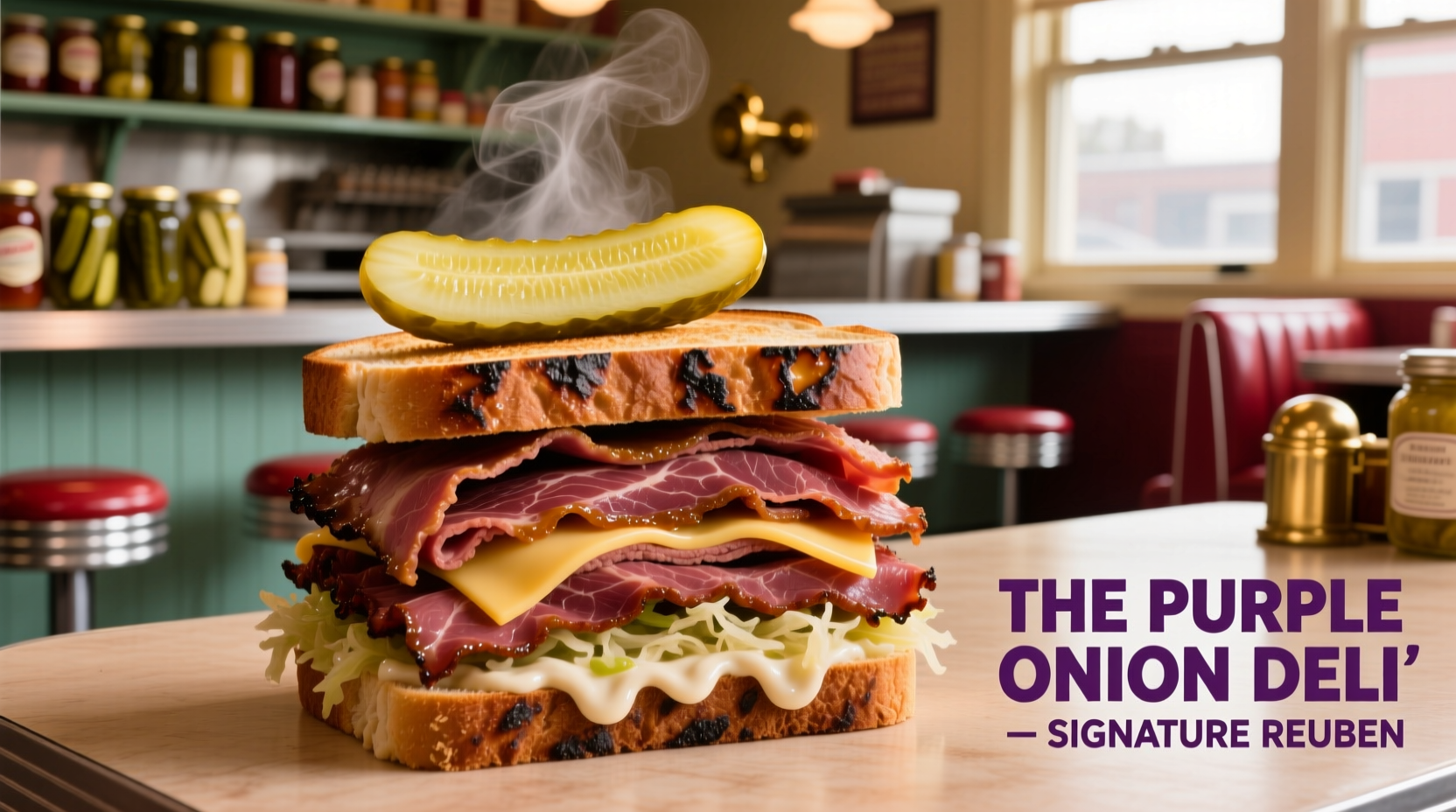
| The Reuben | Sliced Rye (Caraway) | Corned Beef, Swiss Cheese | Sauerkraut (drained), Russian Dressing | Griddled in butter; sauerkraut must be thoroughly squeezed dry to avoid soggy bread. |
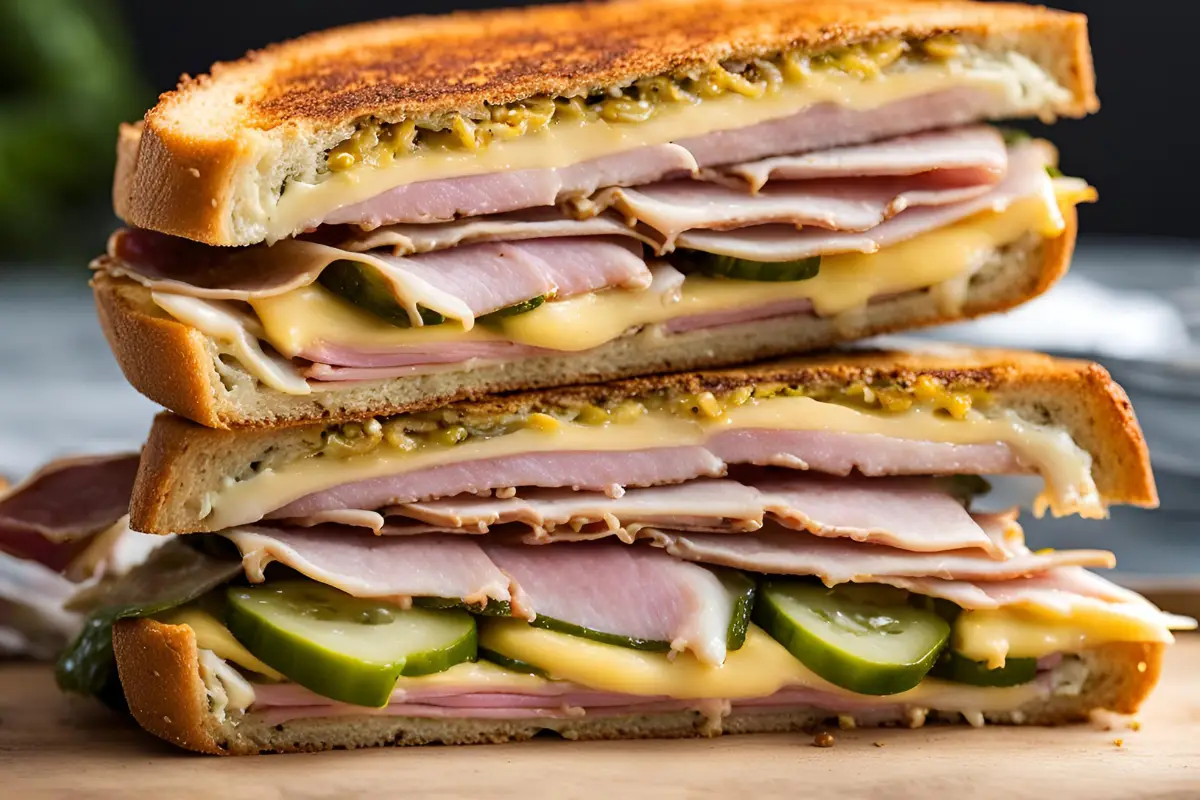
| The Cubano | Cuban Bread (Lard-based soft loaf) | Roast Pork (Mojo marinated), Ham, Swiss Cheese | Yellow Mustard, Dill Pickles | Heavy heat-pressing (Planquetaro); flattens bread and melts cheese to bind meats. |
| Bánh Mì | Soft Baguette (Rice/Wheat flour blend) | Pork Liver Pâté, Chả Lụa (Pork Sausage), Thịt Nướng | Pickled Daikon & Carrot, Cucumber, Cilantro, Jalapeño, Mayo, Maggi Seasoning | Light crispy crust with airy interior; airy crumb holds wet pickled vegetables cleanly. |
| The Club | 3 Slices White Sandwich Bread | Roasted Turkey Breast, Crispy Bacon, Swiss/Cheddar | Iceberg Lettuce, Tomato, Mayonnaise | Triple-decker build; middle slice acts as a moisture divider; anchored with picks and quartered. |
| Caprese Panini | Ciabatta or Focaccia | Fresh Mozzarella | Fresh Basil, Sliced Tomato, Extra Virgin Olive Oil, Balsamic Glaze | Pressed hot; oil coats bread interior to resist moisture from fresh mozzarella and tomato. |
Deconstructing and Building Four Iconic Sandwiches
1. The Classic Reuben
The Reuben relies on balancing rich, fatty proteins against sharp, acidic components without letting the bread fall apart.
- TOP BREAD: Rye (Butter-griddled)
- Swiss Cheese (Melted)
- Drained Sauerkraut
- Russian Dressing
- Folded Corned Beef (Warm)
- Swiss Cheese (Melted)
- BOTTOM BREAD: Rye (Butter-griddled)
- Prepare the Sauerkraut: Place sauerkraut in a fine-mesh strainer and press firmly to extract all excess brine. Damp sauerkraut will ruin the bottom rye slice.
- Warm the Meat: Gently heat sliced corned beef on a griddle or in a pan before assembly. Cold meat prevents internal cheeses from melting properly.
- Layer the Cheese: Place a slice of Swiss cheese on both pieces of bread. The melted cheese acts as an upper and lower moisture barrier for the dressing and sauerkraut.
- Assemble and Griddle: Layer warm corned beef, Russian dressing, and drained sauerkraut between the cheese slices. Butter the exterior bread slices and cook over medium-low heat in a cast-iron skillet until golden brown and the cheese is completely melted.
2. The Traditional Club Sandwich
The Club sandwich solves the structural challenge of high-volume ingredients through a double-decker architecture.
- TOP SLICE: Toasted White
- Mayonnaise Barrier
- Crispy Bacon Strands
- Sliced Tomatoes & Lettuce
- MIDDLE SLICE: Toasted White
- Mayonnaise Barrier
- Slices of Turkey Breast
- BOTTOM SLICE: Toasted White
- Toast Three Slices: Lightly dry-toast three slices of white sandwich bread.
- Build Layer One: Spread mayonnaise over the bottom slice. Add folded roasted turkey breast. Top with the middle toasted bread slice.
- Build Layer Two: Spread mayonnaise on top of the middle slice. Add crisp iceberg lettuce, seasoned tomato slices, and criss-crossed bacon strips.
- Cap and Secure: Spread mayonnaise on the top slice, place it soft-side down, press gently, and secure the sandwich with four cocktail picks placed in each quadrant. Slice diagonally into four triangular quarters.
3. The Vietnamese Bánh Mì
The Bánh Mì showcases contrast: warm, light bread paired with savory meats, rich spreads, cold crisp herbs, and tart pickled vegetables.
- CRUSTY AIRY BAGUETTE
- Spreadable Fat: Pork Liver Pâté & Mayo
- Savory Meats: Chả Lụa / Roasted Pork
- Acidic Crunch: Pickled Daikon & Carrot
- Aromatics & Heat: Cilantro sprigs, Cucumber spears, Jalapeño
- CRUSTY AIRY BAGUETTE
- Prepare the Roll: Split a soft-crumb baguette lengthwise without cutting completely through the back crust. Slice out a small portion of the interior crumb if necessary to create a deep channel.
- Apply Spreads: Generously coat one side of the interior bread with pork liver pâté and the other side with rich mayonnaise.
- Layer Proteins: Lay sliced chả lụa (Vietnamese pork sausage) and seasoned pork slices flat inside the roll.
- Add Fresh Elements: Top with long cucumber spears, pickled daikon and carrots (drained), fresh cilantro sprigs, sliced jalapeños, and a light dash of Maggi seasoning or soy sauce.
4. The Classic Cubano
The Cubano depends on heat pressing to transform distinct cold ingredients into a unified, hot, crispy sandwich.
- TOP CUBAN BREAD: Butter-brushed exterior
- Yellow Mustard
- Sliced Dill Pickles (Lengthwise)
- Swiss Cheese
- Roast Pork (Mojo) & Sweet Ham
- Swiss Cheese
- BOTTOM CUBAN BREAD: Butter-brushed exterior
- Slice and Spread: Slice a length of Cuban bread horizontally. Coat the top half generously with yellow mustard.
- Layer systematically: Lay down Swiss cheese on the bottom half, followed by Mojo-marinated roast pork, sweet sliced ham, and thinly sliced dill pickles. Add another layer of Swiss cheese directly beneath the top bread.
- Press under Heat: Lightly butter the outer top and bottom crusts. Place in a griddle press or cast-iron skillet, applying heavy downward pressure with a second weighted skillet. Cook slowly until the overall thickness is reduced by about one-third and the crust turns crisp and golden.
Common Sandwich-Making Mistakes and How to Avoid Them
Even with premium ingredients, simple technical errors can compromise a sandwich's texture and structural integrity.
1. Placing Wet Ingredients Directly Against Unprotected Bread
- The Issue: Sliced tomatoes, wet pickles, or watery dressings melt the interior bread crumb, causing the structural shell to dissolve.
- The Solution: Apply a fat layer (butter, mayonnaise, or oil) edge-to-edge on the bread crumb. Place wet produce in the center of the sandwich, shielded between layers of meat, cheese, or dry leafy greens.
2. Failing to Season Produce
- The Issue: Raw tomatoes, avocado slices, and lettuce can make a sandwich taste bland, even when paired with salty cured meats.
- The Solution: Season sliced produce with a pinch of fine salt and cracked black pepper before building the sandwich. Salt extracts excess moisture while heightening the natural vegetable flavors.
3. Unbalanced Ingredient Ratios
- The Issue: Stacking proteins several inches thick overpowers subtle spreads and produces a rubbery, unpleasant bite.
- The Solution: Follow balanced proportions. A classic, high-performance ratio is roughly 40% bread, 40% primary proteins and cheeses, and 20% fresh produce and spreads by volume.
4. Incorrect Assembly Order Leading to Ingredient Slippage
- The Issue: Placing slippery sliced tomatoes directly against smooth melted cheese or round, intact avocado slices causes the sandwich contents to slide out when bitten.
- The Solution: Anchor slippery items using textured components. Place sliced tomatoes between rough folded meats or wrap them inside textured lettuce leaves.
Frequently Asked Questions
Why does mayonnaise make a better exterior coating for griddled sandwiches than butter?
Mayonnaise is a stable emulsion of oil, egg yolks, and acid. Because pure oil has a higher smoke point than the butterfat and milk solids found in dairy butter, mayonnaise browns more evenly across griddle surfaces without scorching. Additionally, the protein content from egg yolks aids in forming a crispy, golden crust via the Maillard reaction.
How do you keep cold sandwiches fresh when packing them in advance?
To pack cold sandwiches without them becoming soggy, ensure all washed greens and sliced vegetables are thoroughly dried with paper towels. Apply a thin, edge-to-edge layer of spreadable fat (like softened butter) to both slices of bread to create a moisture barrier. Alternatively, pack wet ingredients like sliced tomatoes separately and add them to the sandwich immediately before eating.
What is the best way to slice a dense sandwich cleanly without crushing it?
Use a long, sharp serrated bread knife. Allow the teeth of the knife to cut through the crust using a gentle sawing motion rather than pressing straight down. For dense or tall sandwiches, secure the structure with sandwich picks on either side of your intended cut line before slicing.
Can you make a dry-crust sandwich softer without altering its flavor?
Yes. Storing crispy-crusted bread in a sealed paper bag for a few hours softens the crust slightly by redistributing internal moisture. Alternatively, wrapping a built, firm-crusted sandwich tightly in butcher paper or foil for 5 to 10 minutes prior to eating allows internal steam to gently soften the crust for an easier bite.
What causes a grilled cheese sandwich to burn on the outside while the inside remains unmelted?
This occurs when the griddle heat is set too high. Thermal energy quickly browns the outer bread sugars before heat can travel through the bread to melt the cold interior cheese. To fix this, use lower heat, shredded cheese (which melts faster than thick slices), cover the pan briefly with a lid to trap steam, or bring your cheese to room temperature before cooking.
Elevating Your Home Sandwich Practice
Building better sandwiches requires shifting your focus from simply gathering ingredients to executing smart structural techniques. Start by re-evaluating your basic prep routine: pat high-moisture produce dry, season sliced vegetables before building, and use full-fat spreads to protect your bread.
For your next sandwich, experiment with ingredient layering and heat application. Try swapping softened butter for mayonnaise on the outside of your griddled sandwiches, or ribbon your deli meats instead of layering them flat. By mastering moisture barriers, flavor balance, and component architecture, you can consistently convert everyday kitchen staples into exceptional, restaurant-quality meals.