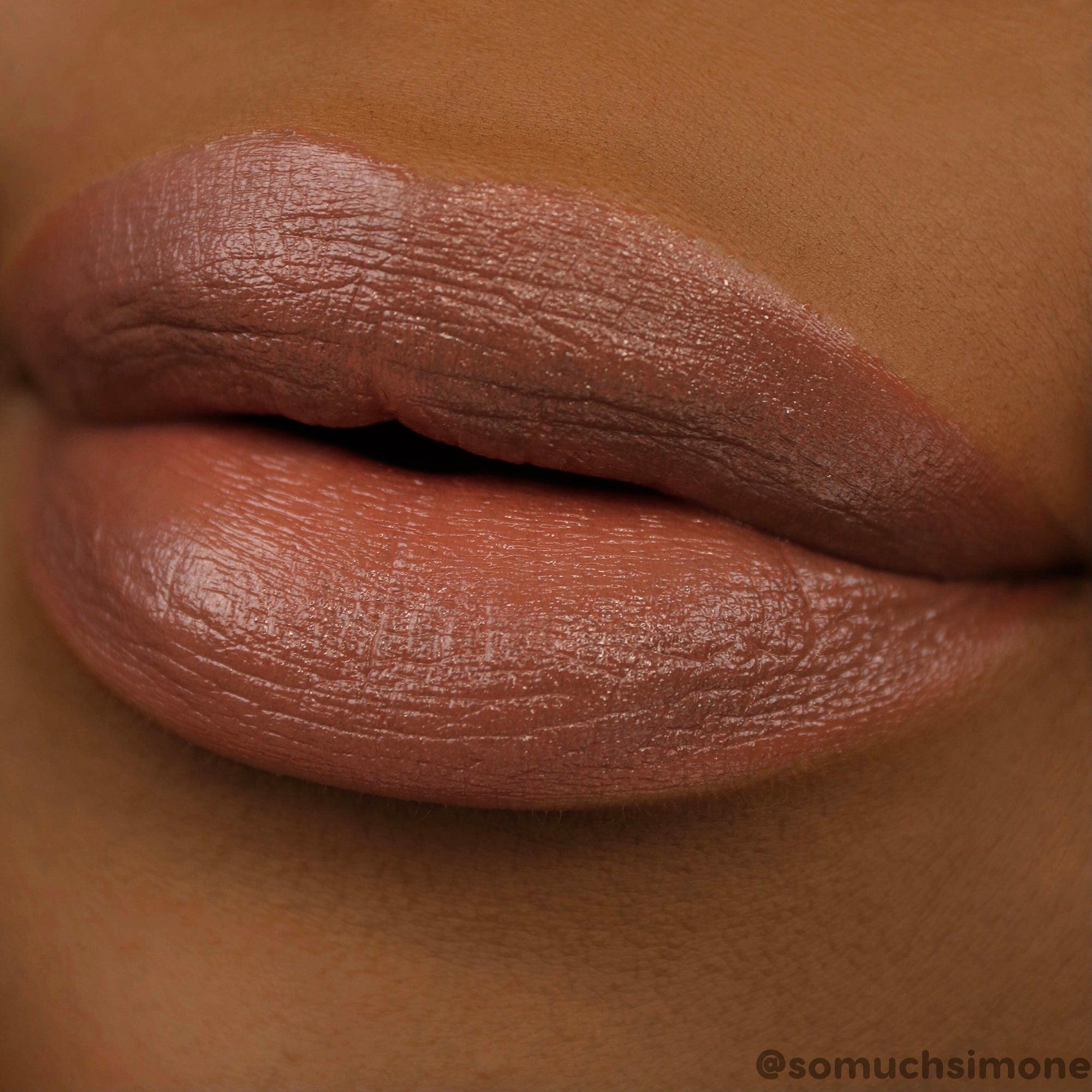
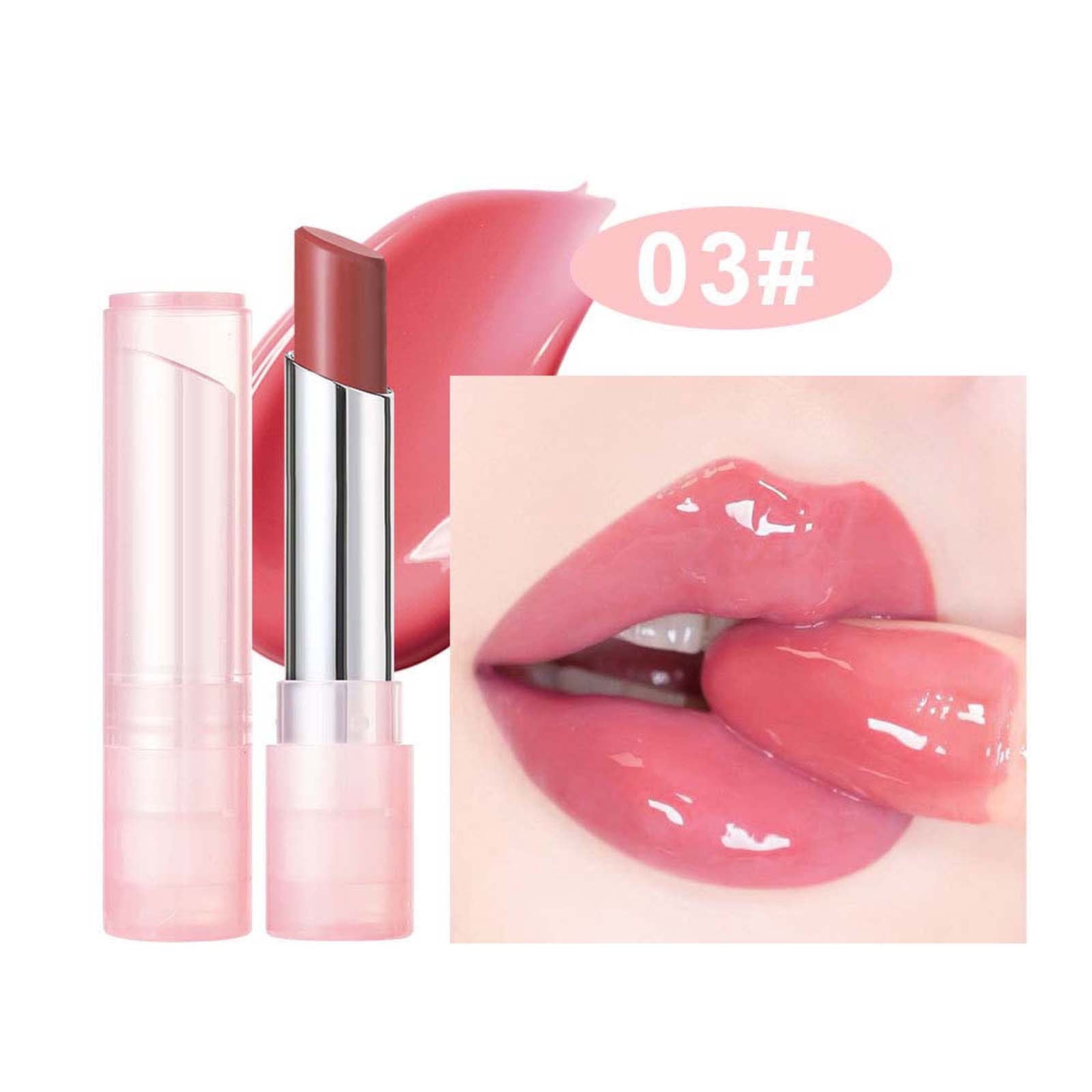
Achieving vibrant, long-lasting lipstick without sacrificing moisture requires balancing hydrating ingredients with targeted application techniques. Traditional long-wear formulas rely on drying film-formers, while moisturising lipsticks often transfer easily. By selecting hybrid formulations rich in humectants and emollients, combined with proper lip preparation and thin layering techniques, you can enjoy rich color and comfortable hydration all day.
The Science of Lip Hydration vs. Color Longevity
Understanding why lipsticks feel drying requires examining the unique biology of the lips. The skin on the lips—specifically the vermilion border and surface—is structurally distinct from the rest of the facial skin. The lip epidermis features an exceptionally thin stratum corneum, typically only three to five cell layers thick compared to 15 to 20 layers on the face. Furthermore, lips contain no sebaceous (oil) glands or sweat glands. Without a natural hydrolipid film, the lips rely entirely on external moisture and internal hydration to maintain elasticity, making them exceptionally prone to transepidermal water loss (TEWL) and environmental desiccation.
Traditional long-wearing liquid lipsticks achieve extended wear through volatile silicone solvents, such as isododecane or cyclopentasiloxane, paired with rigid film-forming polymers like trimethylsiloxysilicate. As these volatile solvents evaporate upon application, the flexible liquid transforms into a tight, cross-linked polymer matrix. This matrix locks high concentrations of dry powder pigments against the skin. While this structure resists mechanical transfer and water, it creates an impermeable barrier that traps dry pigment directly against delicate tissue, drawing away surface lipids and preventing natural atmospheric moisture absorption.
Modern cosmetic formulation chemistry has bridged this gap through hybrid formulation technologies. Today’s hydrating long-wear lipsticks utilize flexible, silicone-resin networks interspersed with micro-encapsulated humectants and plant-derived emollients. Rather than forming a rigid, drying shell, these formulations build a dynamic matrix that flexes with facial expressions while continuously releasing conditioning agents into the upper layers of the lip tissue.
Critical Ingredients in Long-Wearing Hydrating Formulas
When evaluating a lipstick for both staying power and moisture retention, reviewing the ingredient deck reveals how the formula will perform over six to eight hours of wear. A successful hybrid formula balances structure, pigment fixation, and barrier restoration.
Humectants and Moisture Spheres
- Sodium Hyaluronate Spheres: Dehydrated micro-spheres of hyaluronic acid are suspended in the oil phase of the lipstick. Upon application, they absorb moisture evaporating from the skin (TEWL) and swell, plumping fine lip lines while retaining moisture beneath the pigment layer.
- Glycerin: A classic low-molecular-weight humectant that attracts water from the air and deeper epidermal layers to keep the lip surface supple.
Emollients and Lip-Barrier Restorers
- Squalane: A hydrogenated, highly stable derivative of squalene that mimics the natural lipids found in human skin. Squalane provides lightweight moisturization without breaking down film-forming polymers.
- Jojoba Esters and Shea Butter: Rich in essential fatty acids, these botanical lipids smooth rough keratinocytes on dry lips, creating a soft surface that prevents pigment from settling into cracks.
- Ceramide Complex: Ceramides help repair and maintain the intercellular matrix of the thin lip stratum corneum, reducing long-term moisture loss caused by daily wear.
Flexible Polymers and Fixatives
- Polypropylsilsesquioxane and Trimethylsiloxysilicate (TMS): Advanced polymer blends engineered to provide long-wear stability without extreme rigidity. When balanced with plant waxes, they prevent color transfer while allowing comfortable movement.
- Hydrogenated Polyisobutene: A synthetic oil that offers a glossy or satin finish, high cushion, and water-resistant longevity without the sticky residue of traditional heavy oils.
Step-by-Step Application Method for All-Day Wear
Maximizing the performance of a hydrating, long-lasting lipstick depends heavily on application technique. Applying even the most advanced formula over unprepared or oily lips leads to premature flaking, feathering, or uneven fading.
- Gentle Prep: Exfoliate with a damp cloth or mild PHA.
- Balm Hydration: Apply ceramide balm; allow 5-10 min to sink.
- Oil Blotting: Press tissue firmly to remove lipids.
- Definition: Line lips with a wax-based liner.
- Thin Layering: Apply lipstick, blot, translucent powder, reapply thin second layer.
Step 1: Gentle Preparation
Physical friction from harsh sugar scrubs can cause micro-tears in the delicate lip membrane, leading to inflammation and increased dryness. Instead, gently massage the lips using a warm, damp microfiber cloth or use a mild polyhydroxy acid (PHA) pad. PHAs feature larger molecular structures that exfoliate surface flakes gently without irritating sensitive tissue.
Step 2: Hydration and Complete Absorption
Apply a lightweight, ceramide- or panthenol-infused lip balm immediately after cleansing. Crucial Timing: Allow five to ten minutes for the balm to fully absorb into the tissue. Applying lipstick directly over wet balm dilutes the pigment and prevents long-wear polymers from forming a uniform film.
Step 3: Complete Oil Removal (Blotting)
Before applying any color, take a clean single-ply tissue and press it firmly between the lips. This step removes residual unabsorbed surface oils, waxes, and lipids while leaving the deep hydration intact. Eliminating free oils creates an optimal surface for pigment adhesion.
Step 4: Precision Lining and Barrier Creation
Outline and fill in the lips slightly using a lip liner rich in microcrystalline wax or synthetic beeswax. The liner serves two purposes: it creates a structural barrier that prevents fluid lipstick pigments from bleeding into perioral lines around the mouth, and it acts as an adhesive base coat that ensures uniform color as the lipstick wears down.
Step 5: Micro-Layering and Powder Setting
Rather than applying one thick coat, apply the lipstick in thin layers from the center of the mouth outward.
- Apply the first thin layer and let it set for 30 seconds.
- Gently blot with a tissue.
- Hold a single ply of tissue over the lips and lightly dust a fine, silica-based translucent setting powder through the tissue using a fluffy brush.
- Apply a second thin coat of lipstick. This creates a sandwiched structure that significantly extends wear time while maintaining lip comfort.
Lip Formula Comparison: Performance, Longevity, and Comfort
Selecting the right product format requires understanding how different vehicle formulations balance hydration against transfer resistance.
| Formula Type | Key Hydrating Ingredients | Average Wear Time | Transfer Resistance | Moisture Level | Best Application Scenario |
|---|---|---|---|---|---|
| Traditional Liquid Matte | Low concentrations of silicones, minimal oils | 8–12 hours | High (Minimal transfer) | Low (Can dry skin over time) | Long events, high-impact color requirement |
| Hybrid Long-Wear Cream | Squalane, Hyaluronic Spheres, Flexible Polymers | 6–8 hours | Medium-High (Minimal transfer) | High | Daily professional wear, dry-to-normal skin |
| Satin Hydrating Bullet | Shea Butter, Castor Seed Oil, Jojoba Esters | 4–6 hours | Moderate (Requires touch-ups) | Very High | Office environments, sensitive or dry lips |
| Tinted Lip Stain / Oil | Glycerin, Water-soluble dyes, Plant Oils | 4–6 hours (Stain outlasts gloss) | High (Once oil phase wears off) | High (Initial phase) | Low-maintenance, casual daily wear |
Rehydrating and Maintaining Color Throughout the Day
Even the best-formulated moisturising lipsticks require thoughtful maintenance during extended wear, particularly after meals or exposure to dry climate conditions.
Managing Mid-Day Desiccation
If your lips begin to feel tight or dry four to five hours into wear, avoid applying a heavy, oil-based lip balm directly over the existing pigment. Oils act as solvents that break down synthetic resins and polymers, turning long-wear lipstick into a patchy, clumping slurry.
Instead, pat a tiny droplet of lightweight facial serum containing hyaluronic acid or glycerin directly onto the center of the lips, pressing them together softly. Once absorbed, apply a minute amount of a flexible, non-greasy lip oil or specialized lipstick topcoat to restore shine and comfort without lifting the base pigment.
Handling Meals and Refreshing Color
Dietary fats and oils (such as olive oil, butter, and salad dressings) naturally dissolve lipstick polymers. Follow this protocol after eating:
- Gently blot away any dissolved pigment using a napkin; do not rub violently across the lip line.
- If the center of the mouth has worn away, apply a light touch of lip balm to the bare patch only and wait 60 seconds.
- Reapply the lipstick exclusively to the faded inner area, gently dabbing outward to blend with the existing outer layer.
For detailed guidelines on protecting skin barriers and managing skin dryness, consult resources provided by the American Academy of Dermatology.
Common Application Mistakes That Cause Dryness and Cracking
Achieving optimal results requires avoiding common pitfalls that compromise both pigment longevity and skin health.
- Applying Over Un-Blotted Balm: Leaving a slippery layer of balm under your lipstick prevents setting agents from bonding with the skin. This leads to immediate smudging, bleeding into fine lines, and uneven patches within the first hour.
- Over-Exfoliating Prior to Application: Using aggressive walnut or coarse sugar scrubs daily strips away healthy skin cells prematurely. This creates micro-abrasions, increases transepidermal water loss, and causes lipstick pigments to catch on raw, healing skin edges.
- Thick Layering: Applying heavy, thick coats of liquid or cream formulas creates a dense film that cracks upon smiling or talking. Thin, built-up layers remain flexible and adapt to continuous facial movement.
- Ignoring Environmental Factors: Central heating, air conditioning, and low ambient humidity accelerate water evaporation from the lips. In cold or dry climates, prioritize formulas enriched with occlusive agents like phytosterols and hydrogenated lecithin over lightweight stain formulations.
Frequently Asked Questions
Why does long-lasting lipstick make my lips feel tight and dry?
Traditional long-wearing lipsticks use volatile solvents that evaporate quickly, leaving behind a rigid film of polymers and dry powder pigments. This tight polymer matrix binds closely to the lip surface and restricts movement, while preventing natural moisture retention. Modern hybrid formulas mitigate this issue by incorporating flexible resins and micro-encapsulated humectants like hyaluronic acid.
Can I apply regular lip balm directly over long-wear lipstick?
Applying a standard oil- or petrolatum-based lip balm directly over long-wear lipstick breaks down the film-forming polymers and causes the pigment to clump, dissolve, and smudge. To rehydrate without ruining your color, use a lightweight hyaluronic acid serum or a topcoat specifically formulated for long-wear lipsticks.
What is the best way to stop lipstick from bleeding into fine lines around the mouth?
Bleeding occurs when liquid pigments migrate along fine lines around the mouth. Prevent this by lining the lips with a wax-based clear or matching lip liner, which creates a physical hydrophobic barrier. Additionally, avoid applying excess lipstick directly onto the outer edges of the lip margin; keep the heaviest color application toward the center.
How long can a truly moisturising lipstick realistically last?
A high-performance hybrid lipstick that balances hydration and longevity typically lasts between six and eight hours before requiring minor touch-ups, particularly after eating oil-based foods. Formulations claiming 16 to 24 hours of zero-transfer wear usually rely on higher polymer concentrations that compromise hydration.
Are lip stains less drying than liquid matte lipsticks?
Water-based or hybrid lip stains are generally less drying than traditional liquid matte lipsticks because they deposit color pigments into the upper layers of the skin rather than creating a heavy surface film. However, stains do not provide occlusive hydration on their own. Pairing a lip stain with a hydrating lip oil yields long-lasting color with continuous comfort.
Refining Your Daily Lip Care and Application Routine
Establishing a sustainable routine for wearing long-lasting moisturising lipstick requires combining nighttime restorative care with deliberate daytime application choices.
At night, focus on barrier repair. The skin cell turnover rate peaks during sleep, making it the ideal window to apply concentrated, un-pigmented treatments containing ceramides, cholesterol, free fatty acids, and petrolatum. Restoring lipid levels overnight prepares a smooth, hydrated canvas for color application the following morning.
During the daytime, choose your formula based on your environment and planned activities. For high-humidity conditions or short events, lightweight satin bullets offer immediate moisture and simple reapplication. For long workdays or events involving dining, select a hybrid long-wear formula featuring sodium hyaluronate spheres and flexible silicone polymers. By prepping the tissue, removing excess surface oils, and building color through thin layers, you can enjoy rich, fade-resistant color while maintaining soft, comfortable lips.