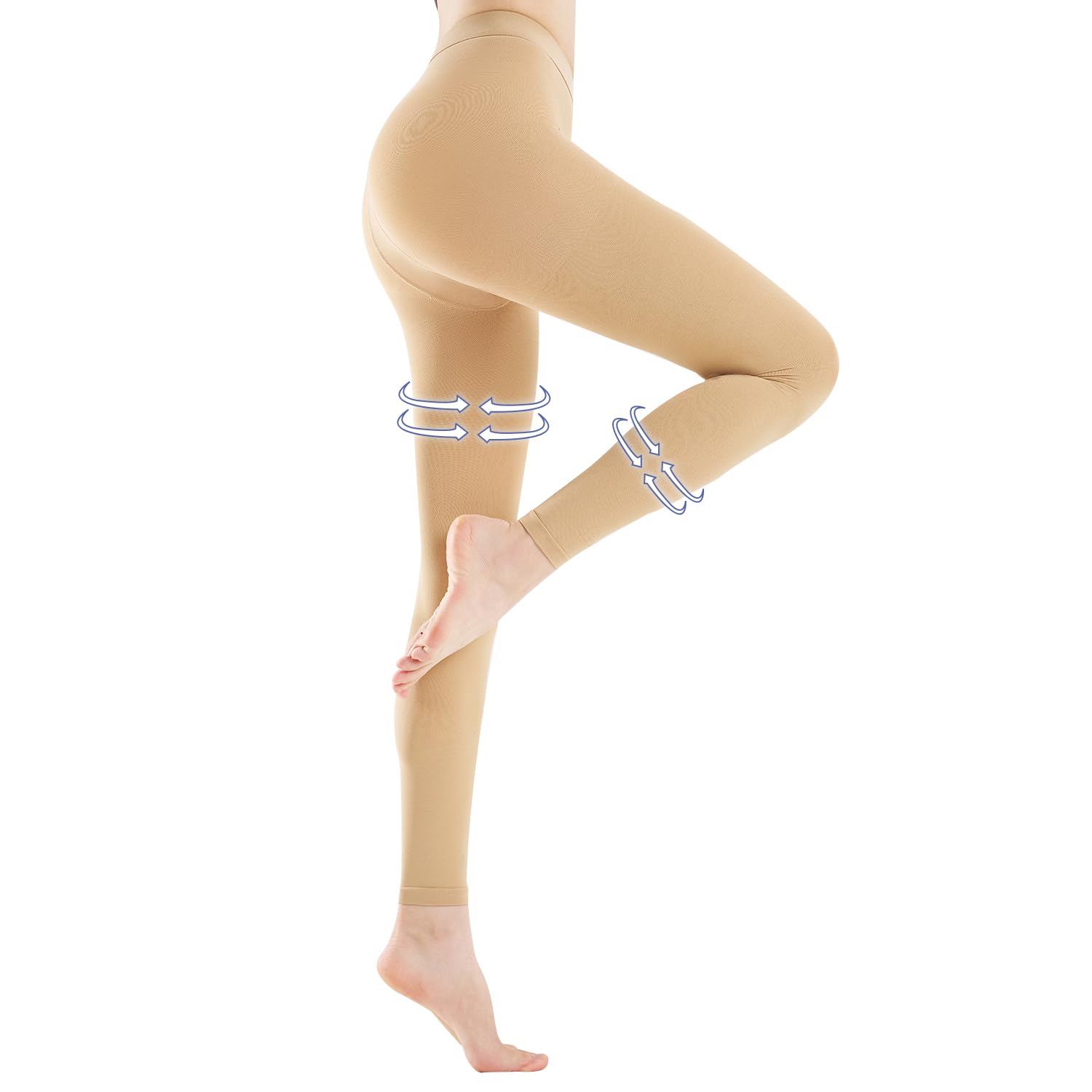
Light compression shapewear delivers gentle contouring, fabric smoothing, and light abdominal support without the restrictive tightness of high-firmness foundation garments. Designed for daily wear, it uses breathable elastane-blend fabrics to smooth seam lines, prevent thigh chafing, and enhance natural silhouettes while allowing full mobility and unrestricted breathing throughout the day.
Understanding Light Compression: Fabric Mechanics and Pressure Levels
Light compression shapewear, often designated as Level 1 or "smoothing" control, occupies the essential space between standard intimate apparel and heavy-duty sculpting garments. Unlike high-compression pieces engineered to alter body measurements significantly, light compression focuses on tension control, fabric draping, and continuous comfort. It applies gentle, uniform surface pressure across the targeted muscle groups and soft tissue, flattening minor bulges without shifting internal mass or causing uncomfortable boundary lines.
At a structural level, the performance of light compression relies on precise textile engineering. Most garments utilize circular knitting or seamless weave techniques that eliminate bulky side seams. The fabric blend is the critical factor governing how the garment behaves against the skin:
- Elastane (Spandex/Lycra) Content: Light compression garments typically feature an elastane concentration between 8% and 15%. This creates a high-stretch matrix with low-to-moderate modulus (the force required to stretch the fabric), providing elastic recovery without high compressive force.
- Nylon and Microfiber Bases: Polyamide (nylon) fibers form the structural backbone, offering softness, durability, and moisture-wicking properties. High-gauge microfiber construction ensures the outer surface remains slick so outer clothing glides smoothly without catching.
- Zoned Tension Weaving: Modern manufacturing uses variable-density knitting. This allows a single piece of fabric to feature slightly higher elastane density over the abdomen while transitioning to a sheer, low-tension weave across the buttocks or chest to avoid flattening natural contours.
The tactile experience of light compression is defined by its low-resistance stretch. When wearing a properly engineered Level 1 garment, the wearer experiences mild mechanical feedback—similar to a supportive athletic base layer—rather than the rigid structural cage associated with steel-boned or high-denier firm shapewear. This balance makes light compression suitable for extended periods, including full workdays and travel.
Primary Types of Light Compression Garments and Their Uses
Selecting the correct silhouette depends on the specific clothing outer layer and the anatomical areas requiring smoothing or anti-chafing protection.
- Light Compression Garments
- Camisoles & Tanks
- Midsection smooth
- Bra-layering
- High-Waisted Shorts
- Anti-thigh chafe
- No waist roll
- Light Bodysuits
- All-in-one fit
- No waistband gap
- Shaping Briefs
- Lower stomach
- Panty-line free
- Slip Dresses
- Clingy dresses
- Full body flow
- Camisoles & Tanks
Light Compression Camisoles and Tanks
Light shaping tanks provide 360-degree smoothing across the stomach, waist, and lower back. They are particularly effective under button-down shirts, thin knits, and semi-sheer blouses.
- Bust Construction: Many feature an "open-bust" or "wear-your-own-bra" (WYOB) design, eliminating chest compression and allowing individuals to pair the garment with their preferred supportive bra.
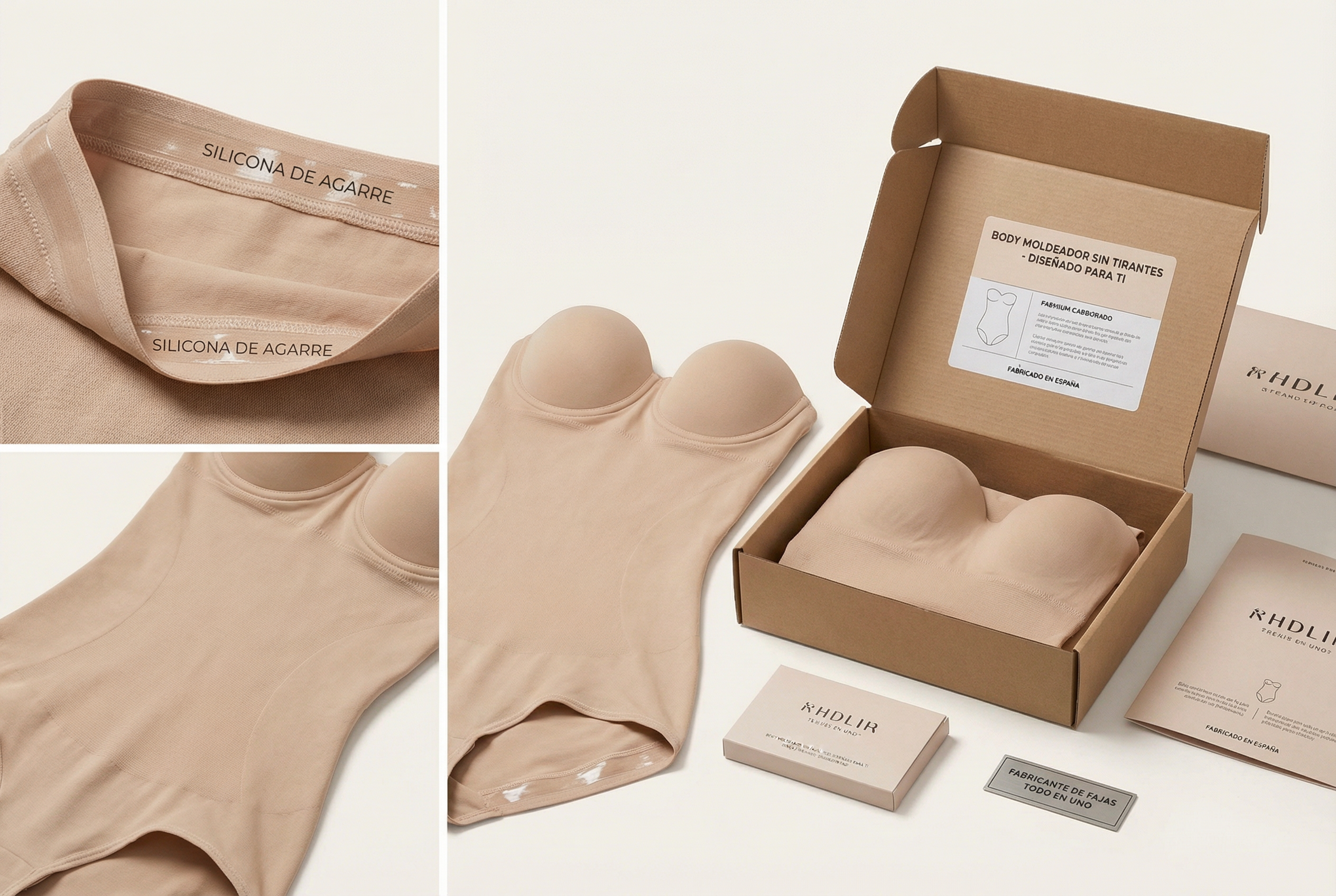
- Hem Stability: High-quality tanks feature knitted ribbing or bonded silicone strips at the lower hem to prevent the fabric from riding up over the hips during sitting or walking.
High-Waisted Light Smoothing Shorts
Designed to extend from the mid-to-upper torso down to mid-thigh, these shorts serve a dual purpose: midsection smoothing and thigh chafing prevention.
- Thigh Protection: The smooth, low-friction synthetic barrier eliminates skin-on-skin friction, making them essential under summer dresses and wide-leg trousers.
- Targeted Waistbands: High-waisted variations utilize wide, non-binding waistband zones that distribute tension evenly across the ribcage, reducing the likelihood of top-rolling.
All-in-One Light Bodysuits
Bodysuits offer a continuous, unbroken line from the bust or shoulder down to the hip or leg. Because the garment is anchored at the crotch, it guarantees that the fabric stays taut over the stomach and lower back without shifting, gathering, or rolling down.
- Gusset Design: Practical bodysuits feature hook-and-eye closures or split-gusset construction to facilitate restroom access without requiring full garment removal.
- Back Smoothing: The full-coverage back design minimizes visible lines beneath tight knits or fine jersey fabrics.
Everyday Shaping Briefs and Panties
Shaping briefs offer minimal coverage focused strictly on the lower abdomen and hips. They replace conventional underwear under mid-rise skirts and pants, providing clean lines without added bulk around the legs.
Key Benefits of Choosing Light Compression for Daily Wear
While firm shapewear is reserved for formal events or specific aesthetic needs, light compression offers distinct physical and functional advantages for daily life.
| Ergonomic & Health Benefits | Practical & Wardrobe Benefits |
|---|---|
| • Unrestricted diaphragm movement | • Invisible finish under thin/clingy knits |
| • Normal digestion & acid balance | • Total elimination of visible panty lines |
| • Gentle proprioceptive posture | • Effective barrier against thigh chafing |
| • Safe for 8 to 12+ hour wear | • Prevents static cling in layered dresses |
All-Day Physical Comfort and Normal Mobility
Unlike firm control garments that restrict deep diaphragmatic breathing and compress the abdominal cavity, light compression allows full expansion of the lung and abdominal areas. This makes it safe and comfortable for 8 to 12 hours of continuous wear, including sedentary desk work or active walking.
Invisible Smoothing Without Flatness
High compression can sometimes over-flatten natural curves, resulting in an unnatural silhouette or unwanted bulge displacement at the garment borders (the "spillover" effect). Light compression works with the body's natural contours, softening texture, concealing underwear seams, and dampening tissue movement without flattening the buttocks or bust.
Friction Mitigation and Moisture Management
By employing high-performance microfibers, light compression garments actively pull sweat away from the skin and reduce friction points. Under garments made of delicate silks, knits, or thin cottons, a light compression layer acts as a protective buffer, keeping outer garments cleaner and preventing static cling.
Subtle Posture Awareness
While not a medical orthotic, the uniform tactile contact of a light compression tank or bodysuit provides sensory feedback to the core muscles. This continuous contact encourages subtle engagement of the abdominal wall and back extensors, helping wearers maintain posture awareness throughout the day.
How to Choose the Right Size, Fabric, and Construction Features
The most common mistake when purchasing shapewear is buying a size smaller than required under the false assumption that it will provide tighter control. In reality, undersized shapewear causes fabric rolling, discomfort, skin irritation, and pronounced spillovers at the hems.
- Proper Fitting Checklist
- Waistband lies flat without digging
- No rolling up at thighs or down at ribs
- Full breath capacity without tightness
- No skin bulging over garment edges
- Fabric stretches evenly without sheer spots
Accurate Body Measurement Protocols
To select the correct size, measure using a soft fabric tape measure held taut against bare skin, keeping the tape parallel to the floor:
- Bust: Measure around the fullest part of the chest across the shoulder blades.
- Natural Waist: Measure around the narrowest part of the torso, typically located an inch above the belly button.
- Hips: Stand with feet together and measure around the widest point of the hips and gluteal muscles.
Always match measurements directly to the manufacturer's specific size chart rather than relying on standard dress sizes. If your measurements fall between two sizes on a light compression chart, select the larger size to maintain optimal comfort and seamless transitions.
Critical Edge and Seam Technologies
- Laser-Cut / Raw-Cut Hems: These edges feature no folded stitching or elastic bands. They lie flat against the skin, rendering the hem invisible even under thin silk bias-cut skirts or stretch denim.
- Bonded Silicone Grippers: Found on waistbands and thigh hems, thin stripes of medical-grade silicone keep the fabric anchored against skin without pulling hair or irritating skin.
- Cotton-Lined Gussets: For briefs, shorts, and bodysuits intended to be worn without secondary underwear, an integrated 100% cotton gusset is essential for breathability and hygiene.
Compression Levels Compared: Light vs. Medium vs. Firm
Understanding where light compression fits within the broader shapewear landscape helps clarify performance expectations and usage scenarios.
| Feature / Metric | Light Compression (Level 1) | Medium Compression (Level 2) | Firm / Extra-Firm (Level 3) |
|---|---|---|---|
| Primary Objective | Smoothing, panty-line prevention, anti-chafing | Moderate shaping, tummy control, waist definition | Significant contour reshaping, posture hold |
| Typical Elastane Content | 8% – 15% | 15% – 25% | 25% – 40%+ (or boning/panels) |
| Max Recommended Wear | 8 to 14 hours (Everyday) | 4 to 8 hours | 2 to 6 hours (Events) |
| Sensation on Body | Second-skin feel, highly flexible | Firm hug, noticeable structure | Very tight, restricted flexibility |
| Diaphragmatic Impact | None; full breathing capacity | Minimal to moderate restriction | Noticeable depth restriction |
| Ideal Outerwear | T-shirts, daily dresses, work slacks | Fitted dresses, evening wear | Formal gowns, bridal, structured attire |
| Edge Finish Options | Laser-cut, raw edges, micro-stitching | Bonded bands, silicone tape | Heavy elastic folds, reinforced hems |
Styling Light Shapewear for Outfits and Occasions
Integrating light compression into your daily wardrobe enhances the drape and fit of off-the-rack clothing while eliminating common fit issues.
| Outfit Type | Recommended Light Garment |
|---|---|
| Lightweight Knits | Open-Bust Camisole or Tank |
| Fitted Dresses | Full-Body Slip or Mid-Thigh Bodysuit |
| Wide-Leg Trousers | High-Waisted Shaping Brief |
| Summer Skirts | Mid-Thigh Anti-Chafing Shorts |
Casual and Workplace Daily Wear
Under everyday office attire—such as tailored trousers, pencil skirts, and button-down shirts—light compression smoothing shorts prevent trousers from catching on undergarments and create a clean waist line beneath tucked shirts. An open-bust tank keeps lightweight knit sweaters hanging smoothly across the torso without clinging to bra straps or back lines.
Lightweight and Form-Fitting Dresses
Dresses made of thin jersey, silk crepe, or rayon reveal subtle texture variations beneath.
- Full Slips: A light compression slip dress acts as a smooth foundation, eliminating static cling while ensuring that double-knit or bias-cut fabric flows evenly over the body.
- Mid-Thigh Bodysuits: Under bodycon or wrap dresses, a mid-thigh bodysuit prevents seam visibility and eliminates thigh friction during movement.
Warm-Weather and Summer Styling
During hot weather, layering clothing can seem impractical. However, a light compression short made from ultra-thin, moisture-wicking polyamide cools the skin by preventing direct thigh friction and drawing sweat away from body folds. Look for garments with open mesh panels or lower denier ratings (20–40 denier) for optimal heat regulation.
Care, Maintenance, and Longevity of Light Compression Fabrics
Because light compression garments rely on fine elastane filaments to maintain elastic recovery, improper washing and drying will degrade the material prematurely, resulting in lost stretch, stretched-out hems, and fabric pilling.
- Step 1: Place in a mesh laundry bag
- Step 2: Wash in cold water on gentle cycle
- Step 3: Use gentle, bleach-free detergent
- Step 4: Skip fabric softeners (degrades elastane)
- Step 5: Line dry or lay flat in shadow
Washing Protocols
- Machine Washing: Always place garments inside a mesh lingerie bag to prevent straps and fine fabrics from tangling around the washing machine agitator or catching on zippers. Use a delicate cycle with cold water (30°C / 86°F or lower).
- Detergent Selection: Use a mild, free-and-clear liquid detergent. Avoid laundry detergents containing chlorine bleach, optical brighteners, or heavy enzymes, which weaken elastane strands.
- Skip Fabric Softeners: Never use liquid fabric softeners or dryer sheets. Softeners coat the synthetic elastane fibers with a hydrophobic silicone film, destroying their elastic memory and clogging moisture-wicking pores.
Drying and Storage Guidance
- Air Dry Only: Heat is the primary cause of shapewear degradation. High temperatures from tumble dryers cause micro-ruptures in the elastane core, causing the fabric to lose stretch and warp. Lay garments flat on a drying rack away from direct sunlight.
- Storage: Store garments flat or gently rolled in a drawer. Avoid hanging light compression tanks by their shoulder straps, as continuous gravity pull can stretch the shoulder seams over time.
Knowing When to Replace Garments
With proper care, a light compression garment worn twice weekly lasts between 6 to 12 months. Indicators that a garment needs replacement include:
- Visible tiny white elastic threads popping out from the fabric surface (elastane breakage).
- Wavy, warped edges along raw-cut hems or waistbands.
- A noticeable decrease in fabric recovery strength when stretched by hand.
- Persistent rolling down or riding up during normal wear.
Frequently Asked Questions
Can you wear light compression shapewear every day?
Yes. Light compression garments apply minimal pressure, making them safe for healthy individuals to wear throughout standard daily routines. They do not impair internal circulation, restrict diaphragmatic breathing, or squeeze internal organs. However, you should remove any compression garment before sleeping to allow your skin and body to rest fully.
Does light compression shapewear help with post-meal bloating?
Light compression provides gentle abdominal support that can minimize the visual outward appearance of temporary post-meal bloating. Because the fabric possesses high elasticity, it flexes naturally to accommodate digestion without causing the sharp stomach pain or pressure reflux that often occurs when wearing rigid, firm-control shapewear after eating.
How do I stop the waistband on light shapewear from rolling down?
Waistband rolling usually occurs for two reasons: selecting a size too small or choosing an height silhouette that ends at a bending point on the torso. To prevent rolling, select your exact size based on current measurements and opt for high-waisted styles that end directly underneath the bra band. The bra anchor keeps the waistband flat. Look for garments equipped with interior bonded silicone grip strips.
Can light compression shapewear replace standard underwear?
Yes. Many light shaping briefs, shorts, and bodysuits feature built-in 100% cotton gussets designed specifically for skin contact. Wearing extra underwear beneath light shapewear often introduces unnecessary seam lines, defeating the primary goal of creating a smooth, invisible base line.
Is light compression suitable for postpartum recovery?
Light compression garments are often recommended for early postpartum support following standard vaginally delivered childbirth, providing mild abdominal support and stabilizing loose tissue. However, individuals recovering from a Cesarean section or experiencing postpartum complications should consult their physician before wearing any supportive garment to ensure hems do not rub against incision sites.
Building an Effective Light Shapewear Capsule
To construct a practical daily foundation wardrobe using light compression, focus on versatility, breathability, and ease of care rather than owning numerous specialized pieces. A well-rounded collection requires only three essential garments to handle nearly all everyday styling scenarios:
- One Neutral High-Waisted Mid-Thigh Short: Serves as your primary solution for summer dresses, pencil skirts, and pants, offering anti-chafing protection along with waist and thigh smoothing.
- One Open-Bust Light Camisole: Provides torso smoothing and posture awareness under work shirts, thin sweaters, and button-downs while allowing you to wear your primary supportive bra.
- One Seamless Shaping Bodysuit or Brief: Delivers an unbroken line under formal wear, evening dresses, or fitted jumpsuits where waistband lines must be completely eliminated.
Prioritize garments featuring raw-cut laser edges, high polyamide content, and neutral tones that match your skin shade rather than outer clothing colors. By focusing on correct sizing and proper cold-water maintenance, a light compression wardrobe offers long-lasting, invisible support that keeps you comfortable throughout the day.