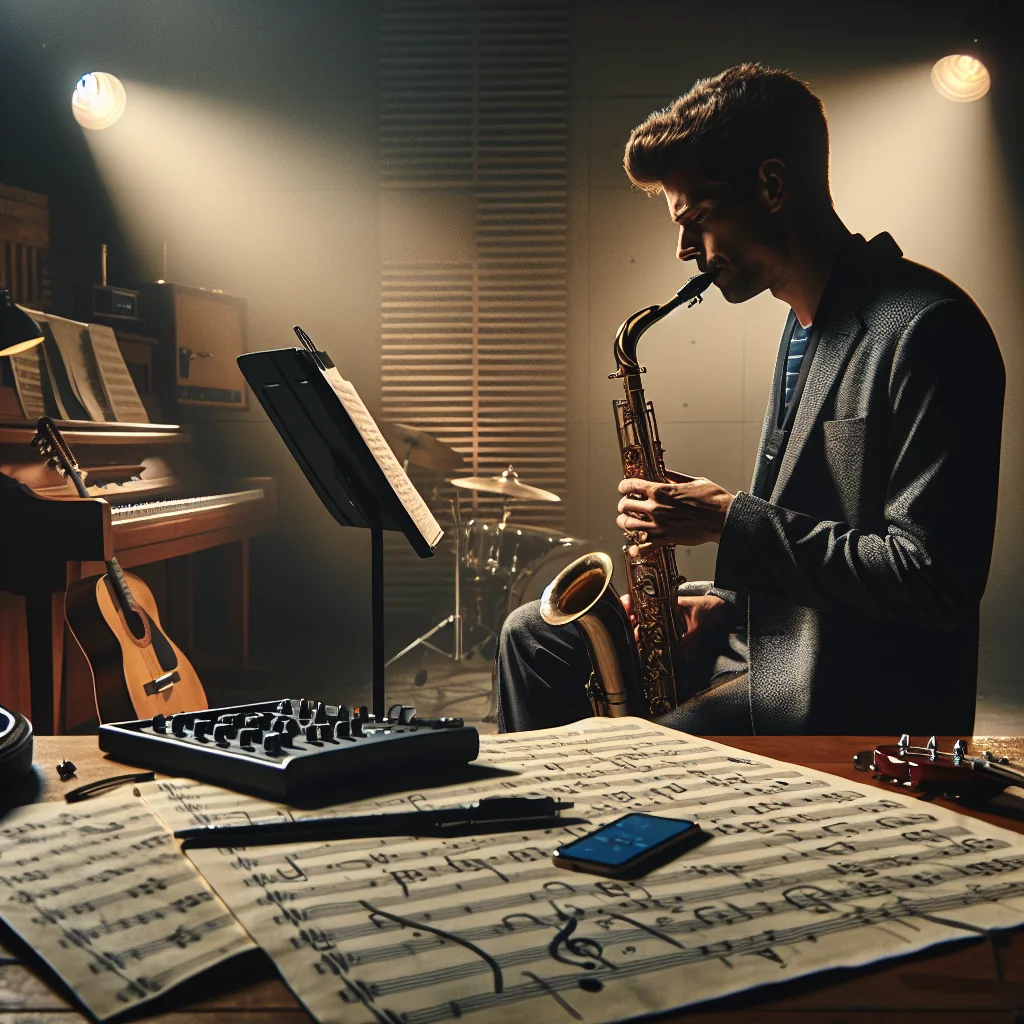
Jazz dating blends the immersive atmosphere of live performance with the core musical principles of jazz—active listening, improvisation, and call-and-response dynamics—to build meaningful romantic connections. By treating dates as dynamic jam sessions rather than scripted interviews, individuals can cultivate authentic vulnerability, emotional resonance, and effortless conversational flow.
The Psychology of Music and Interpersonal Chemistry
Music acts as a powerful catalyst for human connection, triggering neurochemical responses that heighten empathy and lower social inhibitions. When two people listen to complex musical structures together, their brainwaves tend to mirror one another, a phenomenon known as neural coupling. Jazz, with its intricate harmonies, unpredictable syncopation, and rich emotional spectrum, amplifies this shared cognitive experience.
Unlike passive background pop music or loud club environments, jazz creates an acoustic environment that demands engagement while leaving room for dialogue. The low-frequency acoustic bass grounds the atmosphere, while brass and piano melodies evoke nuanced moods ranging from melancholy to exuberance. This shift in auditory stimulation moves participants out of their analytical routine and into a sensory-focused state.
In romantic settings, sharing a musical experience provides a neutral canvas for vulnerability. Discussing how a particular saxophone solo or rhythm section transition feels shifts the conversation from mundane factual exchanges—such as job titles and commuting times—to emotional expressions. This transition allows dating partners to evaluate mutual compatibility through emotional intelligence, taste, and responsiveness rather than superficial checklists.
Core Jazz Principles Applied to Dating Dynamics
The foundational elements that make a jazz ensemble successful are identical to the qualities required for healthy romantic communication. By understanding how musicians interact on stage, daters can apply these framework principles to improve their real-world interactions.
- Active Listening
- Call and Response
- Creative Improvisation
- Emotional Resonance
1. Active Listening (Holding the Groove)
In a jazz quartet, the rhythm section—bass and drums—holds down the tempo so the soloist can explore. If the bassist stops paying attention, the entire piece unravels. In dating, active listening serves as your rhythm section. It requires full presence, focusing on your partner's words, tone, and body language without mentally preparing your next statement while they speak.
2. Call and Response
Originating in traditional African music and foundational to blues and jazz, call-and-response involves one musician playing a phrase and another answering it. In conversation, this translates to validating what your partner says before offering your own perspective. Instead of hijacking a story, a strong response acknowledges the feeling, adds a complementary thought, and hands the narrative back to the partner.
3. Improvisation Over Scripting
Rigid dating scripts create awkward, transactional dynamics. Jazz musicians master scales and chords so they can play freely within a structural framework. Similarly, prepared open-ended questions act as your underlying chord progression, but the date's success depends on your ability to improvise when the conversation takes an unexpected detour.
4. Respecting the Rests
Musician Miles Davis famously emphasized that the notes you do not play are just as important as the ones you do. Comfort with brief pauses and natural silences indicates confidence and emotional security. Forcing non-stop dialogue prevents genuine absorption of the mood and can make an environment feel frantic rather than intimate.
Designing the Ideal Jazz Date Environment
Choosing the right venue shapes the boundary conditions of your date. Different jazz settings support distinct levels of interaction, noise, and emotional intimacy. Selecting the wrong environment can impair conversation or disrespect the performing artists.
| Venue Type | Best Suited For | Interaction Level |
|---|---|---|
| Intimate Listening Rooms & Speakeasies | Second or third dates; deep music lovers | Low during sets; high during intermissions |
| Jazz Supper Clubs & Lounge Bars | First dates; dinner & drink pairings | Moderate; light conversation supported |
| Vinyl Hi-Fi Bars & Jazz Cafes | Casual initial meetings; low-pressure environments | High; consistent background volume control |
| Outdoor Jazz Festivals | Group dates; relaxed seasonal outings | Very High; flexible movement and casual seating |
Listening Rooms and Underground Clubs
Dedicated jazz rooms enforce quiet policies during sets. These spaces are ideal when your goal is focused, shared appreciation of high-level artistry. Plan to arrive early to converse before the show, or schedule a post-performance drink nearby so you can debrief the performance together.
Hi-Fi Vinyl Bars and Listening Lounges
Japanese-style jazz kissa and modern hi-fi vinyl bars use custom audiophile sound systems to play classic jazz records at balanced volumes. These venues present a lower barrier to entry than live shows, providing an warm acoustic backdrop where sustained conversation flows naturally alongside high-quality audio playback.
Supper Clubs and Dining Venues
Supper clubs feature live trios or vocalists performing while full dinner service is conducted. These settings offer a traditional romantic atmosphere, though seating arrangements can occasionally complicate eye contact if both partners are facing a stage. Request a table angled toward both the music and each other.
Practical Protocols for Jazz Date Etiquette
Navigating a music-focused date requires balancing attentiveness to your date with respect for the performers and surrounding audience members. Violating venue etiquette can create friction and signal a lack of social awareness.
- Observe Performance Silence: In strictly focused jazz venues, continuous talking during a solo is considered poor etiquette. Save extended conversations for set breaks or intermissions.
- Acknowledge Solos Appropriately: Soft applause following an exceptional instrumental solo is customary in live jazz settings. Participating in these shared audience responses creates a sense of collective excitement between you and your date.
- Pace Your Drinks and Meals: Coordinate orders to match the show's set structure. Ordering food during a quiet acoustic ballad can interrupt the atmosphere for your table and those adjacent to you.
- Manage Digital Distractions: Keep phones off the table. Checking notifications during a live performance breaks the shared immersion and communicates disinterest to both your partner and the musicians.
Navigating Conversation Through Musical Framing
When transitioning from listening to talking, using musical frameworks offers a natural bridge into deeper topics. Instead of generic check-ins, focus open questions on shared sensory experiences.
- Shared Auditory Experience
- Sensory-Based Question
- Personal Value Disclosure
- Focusing on Emotion over Technicality: Avoid testing your date’s technical knowledge of music theory. Ask how a piece made them feel rather than requesting an analysis of the chord structure.
- Exploring Nostalgia: Music is strongly tied to memory. Asking questions like * "What album played constantly in your house growing up?"* opens doors to personal background stories and family history.
- Comparing Interpretations: Jazz standards are regularly reinterpreted by different artists. Discussing which version of a song you prefer reveals personal values, such as a preference for tradition versus experimentation.
Common Pitfalls in Jazz Dating
While music enhances connection, missteps can stall dynamic romantic chemistry.
Gatekeeping and Elitism
Demonstrating expertise can easily cross into condescension. Correcting a date on historical facts, subgenre classifications, or musician lineages creates an imbalance of authority, shifting the dynamic from mutual connection to an unwanted lecture.
Neglecting Venue Research
Arriving at a venue without checking performance schedules, cover charges, or seating policies can disrupt an evening. A quiet lounge can quickly transform into a high-volume bebop show that prevents conversation if the schedule is not verified in advance.
Over-focusing on the Stage
Spending an entire evening staring at the band without checking in with your date turns a joint activity into isolated solo listening. Balance your gaze between the performers and your partner to maintain emotional engagement.
Frequently Asked Questions
What is jazz dating?
Jazz dating is an intentional approach to romantic outings that leverages live jazz performance, hi-fi listening settings, and the improvisational principles of jazz music to build deeper emotional connection, active listening habits, and spontaneous conversation.
Do I need prior jazz knowledge to enjoy a jazz date?
No prior musical training or historic knowledge is required. The primary goal of a jazz date is shared sensory presence and open communication; genuine curiosity and willingness to experience the atmosphere are far more valuable than technical expertise.
How do you talk on a date if the live music is loud?
Choose your venue based on the stage of your relationship. For early dates, select hi-fi vinyl bars or jazz supper clubs where sound levels permit conversation. In traditional listening rooms, limit conversation to intermissions, set breaks, or post-show drinks.
What makes jazz better for dates than other genres?
Jazz offers a dynamic mix of acoustic complexity, varied dynamics, and intimate performance spaces. Unlike high-decibel concert halls or ambient background pop, jazz engages the listener's emotions while preserving a sophisticated, interactive social atmosphere.
How should I dress for a live jazz venue date?
Aim for smart casual to elevated lounge attire. Darker tones, tailored layers, and polished footwear suit the low-lit, intimate aesthetic typical of classic jazz clubs and vinyl lounges.
Next Steps for Planning Your Jazz Date
To execute a well-paced jazz date, follow this practical checklist:
- Select the Venue Type: Match the setting to your date's comfort level and your relationship stage (e.g., a vinyl bar for a first date, an underground club for a third date).
- Review the Performance Schedule: Verify set times, cover charges, reservation requirements, and volume expectations before making plans.
- Establish a Two-Part Itinerary: Pair a quiet performance block with a nearby venue suitable for conversation, ensuring you have time dedicated to uninhibited dialogue.
- Focus on the Interaction: Apply active listening and call-and-response principles to your conversation, using the music as an open-ended catalyst for shared stories.