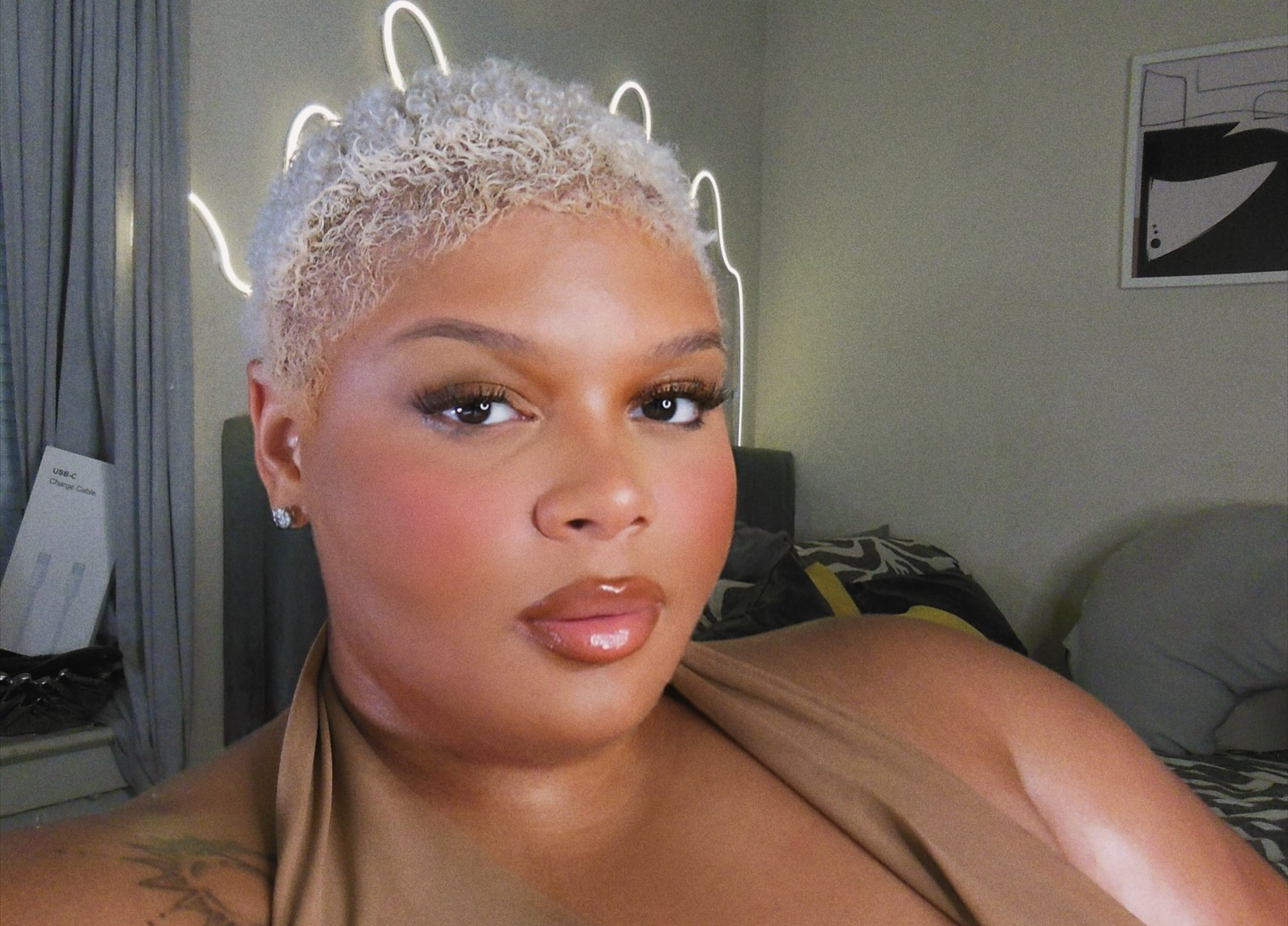
Using Instagram to shop for plus-size lingerie requires leveraging real-body creators, video try-ons, and targeted hashtag searches to see how garments perform outside professional studio lighting. By combining authentic social proof with accurate personal measurements, structural garment knowledge, and store return policies, shoppers can confidently transition from visual inspiration to perfectly fitted purchases.
Navigating Plus-Size Lingerie Sizing: Beyond the Standard Tape Measure
Achieving an exceptional fit in plus-size lingerie starts with understanding how bras and structured garments are engineered. Traditional retail fitting methods frequently rely on the outdated "+4 method," where fitters add four inches to the underbust measurement. This practice routinely forces plus-size shoppers into bands that are too loose and cups that are too small, transferring garment weight onto shoulder straps rather than anchoring it around the torso.
To calculate your accurate starting size, take three distinct measurements using a flexible fabric tape measure held snug but not constricting:
- Underbust (Band): Measure directly under the breast root. Pull the tape firmly, reflecting how a supportive band must fit against your ribcage.
- Bust (Standing): Measure across the fullest part of your bust while wearing an unpadded bra.
- Bust (Leaning): Bend forward at a 90-degree angle and measure around the fullest part of your bust. This measurement accounts for breast tissue projection that flattens out when standing.
Average the standing and leaning bust measurements, then subtract your underbust measurement. Every one-inch difference represents one cup size (e.g., a 40-inch underbust and a 48-inch average bust yields an 8-inch difference, corresponding to a US 40H or UK 40FF).
Cup Difference Scale (Bust minus Underbust): 1" = A | 2" = B | 3" = C | 4" = D | 5" = DD (UK DD) | 6" = DDD (UK E) | 7" = G (UK F) | 8" = H (UK FF) | 9" = I (UK G) | 10" = J (UK GG)
Understanding sizing conversions is critical when shopping online. UK brands (such as Elomi, Sculptresse, and Curvy Kate) follow a standardized progression (D, DD, E, F, FF, G, GG, H, HH, J). US brands (such as Goddess and Lane Bryant) typically follow a different scale (D, DD, DDD/F, G, H, I, J, K). Always check which country's sizing scale a manufacturer uses before selecting your size.
Harnessing Instagram for Authentic Fit and Style Discovery
Instagram has evolved into an interactive fitting room, offering realistic previews of how plus-size lingerie fits diverse body shapes across soft tissue types, hip-to-waist ratios, and torso lengths.
- Targeted Hashtags
- Creator Video Analysis
- Fit Verification
- Confident Checkout
To build a curated, high-value feed for lingerie inspiration, utilize these search strategies:
- Search by Specific Alpha-Numeric Size: Look up hashtags corresponding to your exact size (e.g.,
#40GG,#38H,#42F). Creators posting under these tags frequently share detailed fit descriptions and brand comparisons. - Prioritize Movement Over Static Poses: Focus on Instagram Reels and video content. Static photos can hide poor support through strategically arched backs or high-angle camera tricks. Video demonstrates how a bra band stays anchored when arms are raised, whether cups overflow during movement, and how fabric breathes.
- Identify Tissue Distribution Matches: Pay attention to creators whose bust shape mirrors yours. Breasts can be center-full, top-full, bottom-full, shallow, or highly projected. A cup style that fits a bottom-full shape perfectly may gap on a top-full shape of the same size.
- Evaluate Transparency Signals: Distinguish between paid promotional campaigns and unbiased reviews. Creators who discuss minor fit flaws—such as wire height under the armpits or lace itchiness—provide more reliable guidance than those offering purely praise-filled content.
Evaluating Lingerie Construction: Structural Features That Deliver Support
Visual appeal on a screen does not always translate to structural integrity. When evaluating plus-size lingerie online, examine product photos and video close-ups for specific technical design elements.
Underband and Wing Stability
The band provides roughly 80% of a bra's overall support. Look for wide side wings constructed from powernet mesh—a high-density stretch fabric engineered to resist stretching out over time. Plus-size bands should feature at least three to four rows of hook-and-eye closures to distribute pressure evenly across the back.
Cup Architecture: Seamed vs. Molded
Molded foam cups present a smooth silhouette under T-shirts, but their rigid shape forces your breast tissue to conform to the cup. If your shape differs from the mold, you will experience gapping or cup spillover. Seamed cut-and-sew cups, constructed from three or four distinct fabric panels, offer superior uplift, projection, and shape customization for full busts.
Hardware and Straps
Ensure shoulder straps are fully adjustable and scaled to the garment size. For cup sizes above an E, straps should measure at least 18mm to 25mm in width to prevent shoulder dig-in. Metallic rings and sliders offer greater durability under tension than plastic alternatives.
Lingerie Styles, Support Levels, and Fit Considerations
Use this matrix to evaluate different lingerie cuts against your body shape and outfit requirements:
| Lingerie Style | Ideal Body & Bust Shape | Key Structural Features | Potential Fit Challenges | Shopping & Fit Strategy |
|---|---|---|---|---|
| Balconette Bra | Top-full, broad-root, or projected bust types | Horizontal top cup cut, wide-set straps, rigid vertical seams | Strap slippage on narrow shoulders; digging at outer wire | Select styles with center-pull straps; verify cup height matches torso length. |
| Full-Coverage Underwire | Center-full, soft tissue, or asymmetric busts | High center gore, deep cup side-panels, wide powernet wings | High gore may poke narrow or close-set breast roots | Check gore height specs; confirm wires lie flat against the sternum without overlapping tissue. |
| Plunge Bra | Close-set breasts, deep V-neckline preferences | Low center gore, angled side cups, push-up side slings | Tissue spilling toward center ("quad-boobing") if cup is small | Size up one cup if transitioning from a full-coverage style to a deep plunge. |
| Wireless Bralette | Casual wear, sensitive skin, low-impact support | Wide elastic underband, multi-way stretch lace, double-lined cups | Reduced lift; potential uniboob effect without internal sling | Look for zoned compression, internal side slings, and hook-and-eye closures over pull-on styles. |
| Bustier / Corset | Hourglass, long-torso, or special occasion wear | Full-length flexible boning, extended multi-hook backs, waist tape | Midsection rolling up on shorter torsos or sitting hips | Measure seated waist-to-underbust length; choose styles with spiral steel boning for flexibility. |
Step-by-Step Framework for Instagram-to-Checkout Shopping Confidence
To avoid sizing disappointments and tedious return cycles, follow this structured purchasing process:
- Step 1: Measure & Establish Baseline Size
- Step 2: Cross-Reference Instagram Try-On Videos
- Step 3: Match Brand Sizing Tables (US/UK/EU)
- Step 4: Inspect Return & Exchange Terms
- Step 5: Perform Home Fit & Movement Test
Step 1: Establish Baseline Size Range
Determine your target size and sister sizes (one band size up, one cup size down; or one band size down, one cup size up). For example, if your baseline size is 38G, your primary sister sizes are 40F and 36H.
Step 2: Cross-Reference Instagram Try-On Videos
Search for video reviews of the specific model you intend to buy. Watch how the stretch lace responds when the creator moves. Pay close attention to whether the center gore remains flush against the chest bone during natural motion.
Step 3: Match Brand Sizing Tables
Never select a size based solely on your habitual shirt size. Open the brand’s official sizing chart and convert your raw measurements according to their specific system (e.g., French, British, American, or European).
Step 4: Inspect Return and Exchange Terms
Review merchant policies before placing an order:
- Are lingerie items returnable, or final sale?
- Does the merchant require hygiene strips to remain intact?
- Are return shipping fees deducted from refunds?
- Is store credit the only option for returned garments?
Step 5: Perform the Home Fit Protocol
Upon arrival, test the garment indoors with tags attached:
- Put the garment on by fastening the hooks on the loosest setting (reserving tighter hooks for when the band stretches over time).
- Perform the Scoop and Swoop: Reach into each cup, lean forward slightly, and gently sweep all breast tissue from under the armpits forward into the cup.
- Check the gore: The fabric or metal piece between the cups must sit completely flat against your sternum without resting on top of breast tissue.
- Test movement: Raise your arms overhead, sit down, and bend forward. If the band rides up your back, the band is too large; if tissue overflows the cup edges, the cup is too small.
Troubleshooting Common Plus-Size Fit Issues
Even with careful research, specific fit imbalances can occur. Use these solutions to address standard structural issues:
Tissue Overflow (Quad-Boobing)
- Symptom: Breast tissue creates a visible ridge over the top edge or sides of the cups.
- Root Cause: Cup volume is too small, or the cup silhouette is too shallow for your natural projection.
- Solution: Keep your current band size and increase your cup size by one to two letters. If overflow persists across sizes, switch from a molded cup to a seamed, stretch-lace balconette cut.
Floating or Digging Center Gore
- Symptom: The center front of the bra sits off your chest, or the wire ends dig into sensitive breast tissue.
- Root Cause: A floating gore indicates insufficient cup depth or a loose band. A digging gore suggests wires that are too tall or set too close together for your breast root spacing.
- Solution: If floating, keep the band size firm and increase cup volume. If digging, opt for plunge styles with lower gores or brands featuring wider wire tracks.
Band Creeping Up the Back
- Symptom: The back band arches upward toward your shoulder blades instead of sitting parallel to the floor.
- Root Cause: The band is too large, forcing the shoulder straps to carry the bust's weight.
- Solution: Decrease your band size by one step (e.g., from 40FF to 38G) to maintain correct cup volume while tightening the anchored circumference.
Slipping or Digging Shoulder Straps
- Symptom: Straps leave deep red indentations in shoulder muscles or continuously slide off your arms.
- Root Cause: Digging indicates an oversized band transferring support responsibility upward. Slipping suggests straps are set too wide for your shoulders or have lost elastic tension.
- Solution: Fix band anchor firmness first. If slippage continues on narrow shoulders, select bras with center-pull straps or built-in J-hooks that convert the bra into a racerback design.
Caring for Plus-Size Lingerie to Retain Fit and Shape
High-quality plus-size lingerie relies on elastane, powernet mesh, and precision underwires. Extending the lifespan of these specialized garments protects your financial investment and maintains proper support over time.
- Rotate Garments Daily: Never wear the same bra two days in a row. Elastane fibers require 24 hours of rest to snap back into their original structure after absorbing body heat and tension.
- Hand Wash with Cold Water: Machine agitation weakens fine wires and degrades delicate lace seams. Submerge items in cold water with an alcohol-free liquid detergent formulated for delicate fabrics. Soak for 10–15 minutes without wringing.
- Avoid Heat Drying: High temperatures destroy elastic polymer bonds, causing bands to stretch out permanently and foam cups to warp. Gently press excess water out using a clean towel and lay garments flat to air-dry.
- Store Unfolded: Avoid folding underwired or molded cups inside-out into each other. Store bras flat in a dedicated drawer, stacking them behind one another to retain cup structure.
Establishing Your Lingerie Shopping Strategy
To transition these insights into a effortless shopping process, organize your workflow before your next purchase:
- Audit Your Current Drawer: Identify which garments fit correctly and discard worn-out pieces whose bands no longer offer elastic resistance.
- Document Baseline Measurements: Re-measure your underbust and bust dimensions every six months, as subtle weight shifts alter cup volume and band comfort.
- Curate Your Instagram Feed: Follow 5–10 body-diverse creators sharing your exact size range, saving informative video reviews into dedicated collection folders for easy shopping reference.
- Order Strategically: When trying a new brand, order your baseline size along with one sister size to compare fits side-by-side at home before committing to a single size long-term.
Frequently Asked Questions
How do I convert UK plus-size lingerie sizes to US sizes when shopping online?
Look at the cup progression after the DD mark. UK sizing moves through single and double letters (DD, E, F, FF, G, GG, H, HH, J), while US sizing typically drops double letters after DD and progresses alphabetically (DD, DDD/F, G, H, I, J, K). Band numbers remain identical between both systems (e.g., a 38 band is the same in the US and UK).
Why does a lingerie style look different on Instagram creators who have my exact measurements?
Body composition, ribcage shape, torso height, and breast tissue density vary significantly between individuals with identical measurement numbers. Soft breast tissue molds easily into shallow cups, whereas self-supporting or dense tissue requires deeper cups with rigid seaming to avoid spillover.
Should plus-size individuals always choose underwires over wireless styles for support?
No, structural support can be achieved in wireless designs through wide, multi-layered powernet bands, engineered seaming, high-density fabrics, and targeted compression zones. Underwires offer optimal separation and maximum uplift, but modern wireless plus-size bras provide substantial daily support when sized correctly.
How can I tell if an Instagram lingerie review is genuine or purely sponsored?
Look for mandatory disclosure tags like #ad, #sponsored, or "Paid partnership with..." near the beginning of the caption. Beyond disclosures, authentic reviews show real movement in unedited video footage, discuss practical wearability factors (such as strap stretch and wire height), and candidly detail any minor fit drawbacks.
What is the "scoop and swoop" method and why is it essential for plus-size fitting?
The scoop and swoop is a fitting technique where you reach inside the bra cup to pull all side breast tissue from under your armpit forward into the cup envelope. This ensures all tissue sits within the underwire boundary, preventing side-wire pinching and revealing whether your chosen cup size truly accommodates your full bust volume.