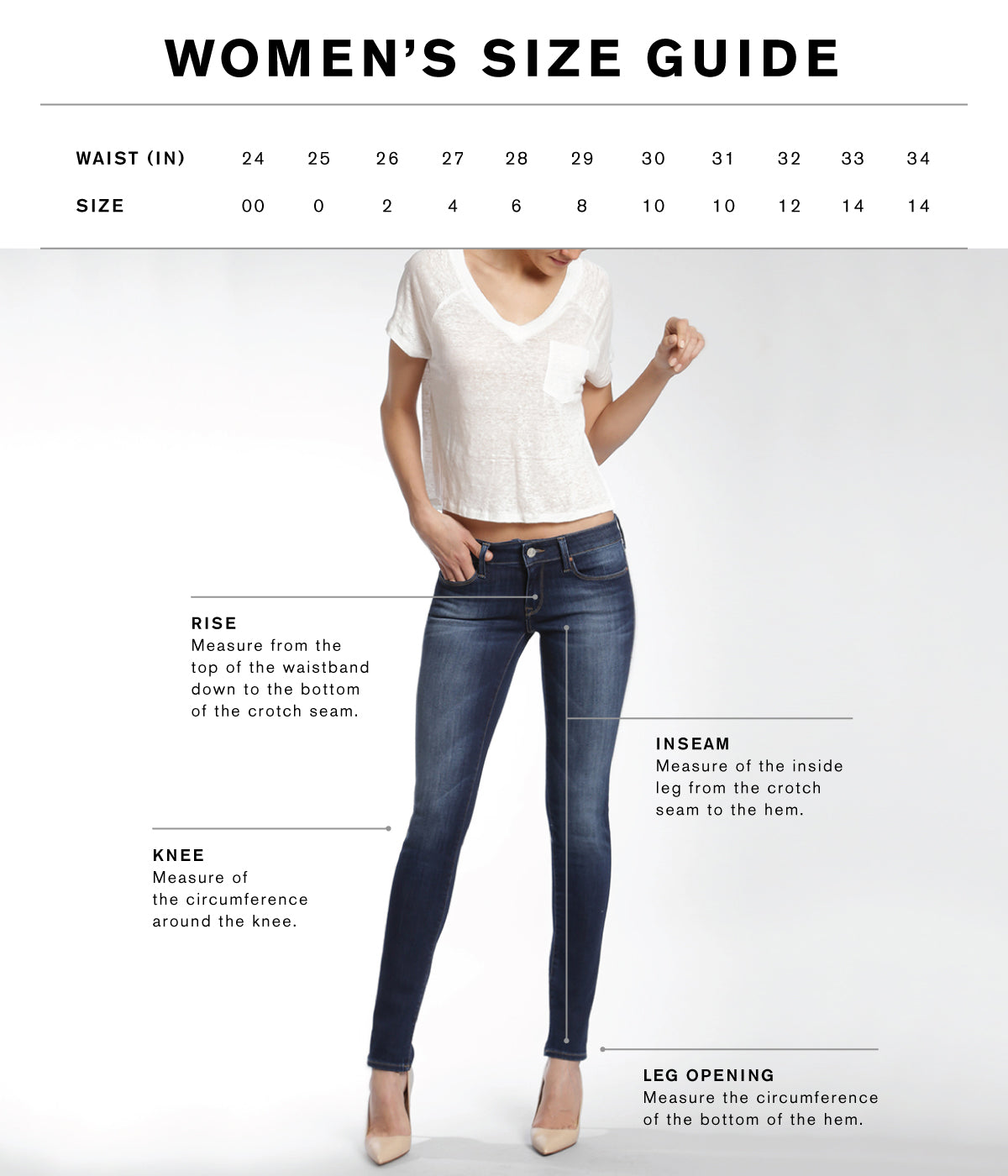
Finding good fitting jeans requires understanding three critical structural elements: rise, inseam, and fabric composition. By accurately measuring your natural waist, hips, and inseam while evaluating denim stretch recovery, you can select silhouettes that flatter your proportions, eliminate common fit issues like waist gapping, and ensure lasting everyday comfort.
The Structural Essentials of Fit: Rise, Inseam, and Waist
Achieving a precise fit starts with understanding how garment dimensions interact with your body’s bone structure and natural proportions. Sizing labels vary drastically across brands, making physical measurements far more reliable than tagged numeric sizes.
- NATURAL WAIST (Narrowest point of torso)
- FRONT RISE DEPTH
- HIGH HIPS (Across hip bones)
- FULL HIPS & GLUTES (Widest seat area)
- INSEAM LENGTH
- ANKLE BONE (Standard hem termination)
Measuring Natural Waist vs. High Hip
Your natural waist is the narrowest part of your torso, typically located an inch or two above the belly button. Bend sideways to locate the natural crease. Wrap a soft tape measure comfortably around this area, keeping it level and snug without digging into the skin.
In contrast, the low waist or high hip sits around the top of the hip bones, where low-rise and mid-rise jeans rest. Measuring both points allows you to choose the correct waistband size depending on the rise depth of the jeans you purchase.
Understanding Rise Measurements
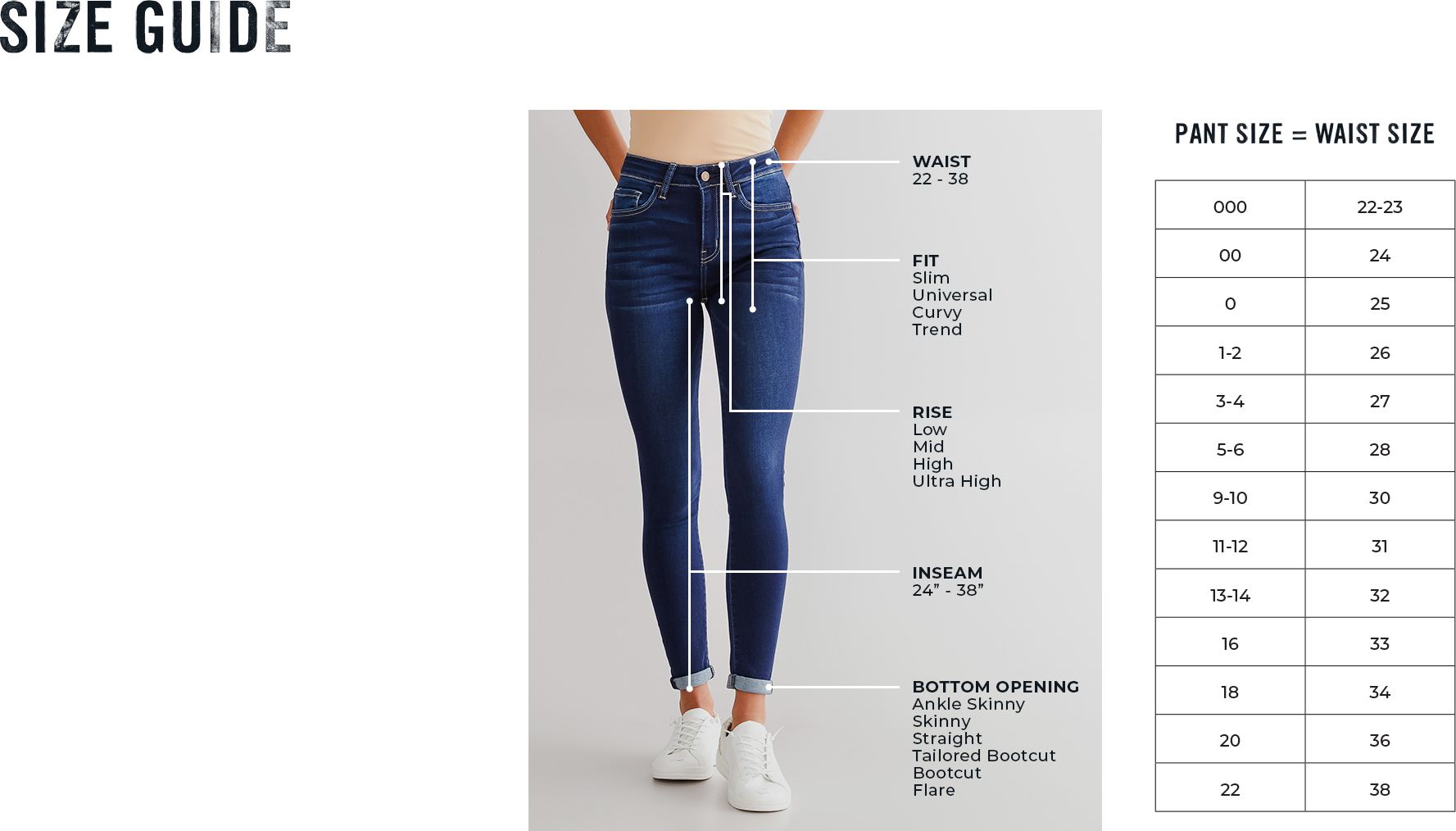
The rise determines where the waistband sits on your torso and dictates the visual proportions of your upper and lower body. Rise is measured from the center crotch seam straight up to the top of the waistband:
- Low Rise (7–8 inches): Sits below the hip bones. Best suited for shorter torsos or long-legged proportions where minimal midsection coverage is preferred.
- Mid Rise (9–10 inches): Sits between the hip bone and belly button. This is the most versatile rise depth, accommodating varying torso lengths while providing consistent core support.
- High Rise (10–12 inches): Rest at or slightly above the belly button. High-rise styles anchor the waist, elongate the appearance of the legs, and prevent slipping during movement.
- Ultra High Rise (12+ inches): Extends fully to the narrowest part of the natural waist, ideal for long torsos or specific retro-inspired tailoring.
Accurately Charting Inseam and Full Hip
The full hip measurement captures the widest area across your gluteal muscles and upper thighs, usually 7 to 9 inches below your natural waist. Keep your feet together when measuring the hip to ensure you capture maximum volume.
The inseam measures the interior leg seam from the crotch point down to the bottom of the ankle or shoe line. To determine your ideal inseam:
- Measure an existing pair of well-fitting pants flat on a table, stretching from crotch seam to hem along the inner edge.
- Account for footwear. Flat shoes, sneakers, and boots require different inseam lengths to prevent dragging or unsightly bunching around the ankle.
Fabric Mechanics: Fiber Composition and Stretch Recovery
Denim performance depends entirely on its textile construction. The ratio of cotton to synthetic fibers influences how a pair of jeans holds its shape throughout the day, stretches over time, and withstands routine washing.
Rigid Denim (100% Cotton)
Traditional 100% cotton denim contains no elastane. Rigid denim is structured, heavyweight, and durable. While it can feel tight during the initial wear, cotton fibers relax under heat and body pressure, molding custom-fit contours across your hips and seat. Rigid styles maintain clean, sharp structural lines that do not sag at the knees or waistband, though they require precise sizing at the waist since there is no synthetic give.
Comfort Stretch Denim (98–99% Cotton, 1–2% Elastane)
Comfort stretch offers the visual texture of traditional denim alongside immediate mobility. A 1% to 2% inclusion of elastane (Spandex or Lycra) provides just enough elasticity for comfortable sitting while preserving the structured drape of heavy cotton. This blend holds its shape well across multiple wears without requiring constant laundering to shrink back down.
High Stretch Denim (Under 95% Cotton, 3%+ Elastane Blends)
Jeans with high elastane content or added polyester and viscose offer maximum softness and flexibility. They adapt easily to fluctuating body shapes and require minimal break-in time. However, high-stretch denim is susceptible to fabric fatigue. Without high-tensile technical fibers like Lycra DualFX or elastomultiester (T400), high-stretch jeans often lose elasticity, resulting in sagging rear pockets and bagged-out knees after a few hours of wear.
Navigating Cut and Silhouette for Your Body Proportions
Selecting the right leg profile balances your natural shoulder, waist, and hip proportions. Every silhouette creates a distinct visual line from the hip downward.
- Straight (Parallel Fall)
- Wide-Leg (Flared from Hip)
- Bootcut (Flared from Knee)
- Skinny (Form-Fitting)
- Straight-Leg: Maintains a consistent width from the knee down to the hem. This classic profile balances wider hip hips or broader shoulders by creating a clean vertical column.
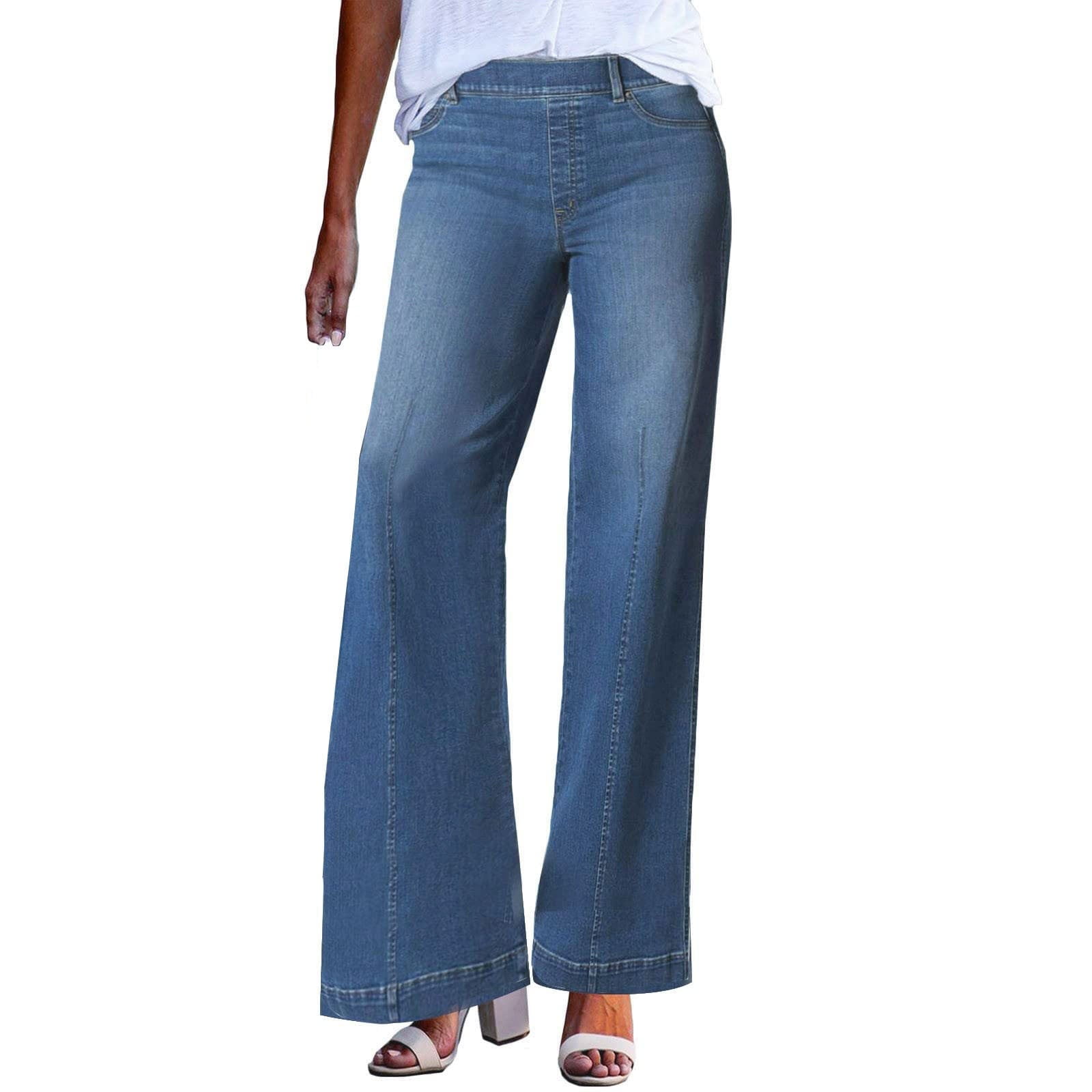
- Wide-Leg: Drops straight out from the widest point of the hip down to a wide foot opening. Wide-leg cuts create visual symmetry for pear-shaped or hourglass frames by neutralizing dramatic hip curves.
- Bootcut and Flare: Fitted through the thigh and expanding outward from the knee to the hem. Bootcut styles balance prominent hips or broad shoulders by adding volume to the lower leg, accommodating footwear with heels or substantial soles.
- Skinny and Tapered: Follows the natural line of the leg from hip to ankle. Tapered fits narrow slightly toward the bottom, emphasizing natural leg curves, while true skinny fits cling closely across the calf and ankle.
- Curvy Fit: Specifically designed for individuals whose waist measurement is 10 to 13 inches smaller than their hip measurement. Curvy cuts incorporate deeper seat curves, smaller waistbands, and extra room through the thigh to prevent back-waist gapping.
Technical Comparison of Denim Fits and Silhouettes
The following matrix contrasts key structural properties, fabric behavior, and design features across core denim styles:
| Silhouette Style | Typical Rise Range | Optimal Fabric Blend | Fit Target & Proportion | Primary Structural Advantage |
|---|---|---|---|---|
| Rigid Straight-Leg | Mid to High (10"–11.5") | 100% Cotton | Rectangular, inverted triangle, long torsos | Retains tailored shape; smooths hip region naturally |
| Curvy High-Rise | High to Ultra (11"–12.5") | 98% Cotton, 2% Elastane | Hourglass, pear shapes with >10" waist-to-hip delta | Eliminates waist gap; prevents mid-day waistband slip |
| Comfort Wide-Leg | High-Rise (10.5"–12") | 99% Cotton, 1% Spandex | Hourglass, athletic, inverted triangle frames | Balances shoulder breadth; creates long vertical lines |
| Classic Bootcut | Mid-Rise (9"–10") | 98% Cotton, 2% Elastane | Pear, hourglass, athletic builds | Balances prominent hips; covers elevated heel footwear |
| Tapered Mom Fit | High-Rise (11"–12") | 100% Cotton or 99/1 Blend | Oval, rectangular, or petite frames | Provides thigh room while maintaining neat ankle taper |
| Flex Skinny | Mid to High (9.5"–11") | 92% Cotton, 6% Polyester, 2% Elastane | Petite, narrow-hip, slender frames | Contours closely; fits neatly into knee-high boots |
Diagnosing and Fixing Common Denim Fit Issues
Even when selecting your typical numeric size, structural mismatch between garment patterns and your anatomy can cause specific fitting errors. Knowing how to identify these problems ensures better purchasing choices and targeted alterations.
| Fit Issue | Root Cause | Best Solution / Fix |
|---|---|---|
| Waist Gap (Back Spacing) | Flat pattern cut for straight hips | Choose Curvy Fit line or take in waist |
| Front Crotch Whiskering | Insufficient front rise depth | Size up or seek deeper front rise cut |
| Diagonal Rear Creasing | Seat depth too short for glutes | Increase rise length or choose stretch |
| Knee Bagging / Sagging | Poor elastane recovery / low cotton | Opt for 98%+ cotton or T400 blends |
Eliminating the Waist Gap
A prominent gap at the rear waistband occurs when jeans are sized up to accommodate the hips or thighs, leaving excess fabric around a narrower natural waist.
- Immediate Fix: Seek out designated "curvy" sizing lines that use a higher back-rise ratio and a smaller waist-to-hip pattern.
- Tailoring Fix: A tailor can insert two vertical darts above the back pockets or remove the waistband entirely, trim the excess denim, and reattach the band for a seamless custom finish.
Fixing Crotch Whiskering and Drag Lines
Horizontal drag lines across the front fly mean the jeans are too tight across the hips or the front rise is too short. Diagonal lines radiating downward from the crotch point indicate that the crotch curve does not offer enough room for your thigh depth.
- Solution: Size up to clear the hips and thighs comfortably, then have the waist altered downward. Never buy jeans that pull uncomfortably across the front fly, as this area cannot be expanded by a tailor.
Evaluating Rear Pocket Placement
Pocket size, spacing, and height alter the visual geometry of your seat:
- Height: Pockets positioned too low make the seat look flat or elongated. Pockets set high on the gluteal curve create a lifted, balanced appearance.
- Spacing: Pockets set too far apart visually widen the hips. Pockets set too close together compress the rear silhouette.
- Scale: Small pockets on a larger frame accentuate volume disproportionately; mid-to-large pockets scale proportionally across most body sizes.
Practical Fitting Room Protocols and Tailoring Rules
Before removing tags or committing to a purchase, test denim under realistic conditions using simple movement diagnostics.
- SITTING TEST: Check waistband pressure & fly strain while seated
- FINGER CHECK: Insert two fingers at back to gauge comfort ease
- RISE ANCHOR: Verify waistband stays fixed during movement
The Three-Step Fitting Check
- The Sit and Squat Test: Sit down in a chair and hold a deep squat for ten seconds. Ensure the waistband does not dig painfully into your ribs or slip dramatically down your lower back.
- The Two-Finger Ease Rule: Slide two fingers comfortably flat into the back waistband. If you can fit an entire fist, the waist is too loose. If you cannot slip two fingers under the band, the waist will pinch comfortably during digestion or sitting.
- The Seam Alignment Verification: Check that the side seams drop straight down the sides of your legs. If the side seams twist inward toward the shins or top of the foot, the denim was cut off-grain during manufacturing and will never hang correctly.
Strategic Tailoring Limits
While alterations can refine a pair of jeans, certain structural dimensions cannot be altered cost-effectively:
- Tailor-Friendly Alterations:
- Shortening the hem (with or without preserving the original hem edge).
- Taking in the rear waistband by up to 2 inches.
- Tapering the leg width from the knee down to the ankle.
- Unfixable Fit Errors:
- Lengthening an inseam that is too short.
- Lowering or raising the factory-set rise depth.
- Fixing horizontal strain across the hip and fly area.
Frequently Asked Questions About Denim Fit
How tightly should new jeans fit when trying them on for the first time?
New jeans made of 100% cotton should feel uncomfortably snug across the waist and hips without causing sharp pain. Cotton relaxes by approximately half a size after 5 to 10 hours of wear. Stretch denim (containing 1% to 2% elastane) should fit comfortably from the start, as it will flex but not permanently stretch out to the same degree as raw cotton.
What is the precise difference between classic fit and curvy fit jeans?
Classic fit jeans are patterned for a standard waist-to-hip ratio, typically maintaining a 7 to 9-inch difference between waist and hip measurements. Curvy fit jeans are engineered with a 10 to 13-inch difference, incorporating extra volume through the hip and seat while keeping the waistband significantly smaller to prevent gapping.
Should you size down when buying high-stretch denim?
Size down only if the high-stretch denim lacks structural synthetic fibers like elastomultiester or Lycra DualFX. Cheap high-stretch denim bags out quickly, so buying a snug size compensates for initial fabric relaxed elasticity. However, if the jeans contain quality technical stretch fibers, buy your actual measured size to avoid over-stretching the fabric weave.
How do you prevent jeans from shrinking or losing their fit in the wash?
Wash denim inside out using cold water and a mild liquid detergent. Never use fabric softeners, as they degrade elastane fibers and cause stretch denim to sag. Air-dry your jeans flat or hang them by the waistband; avoid heat drying in a machine, which breaks down synthetic stretch filaments and shrinks cotton fibers prematurely.
How do you choose the right inseam for different shoe types?
Select your inseam based on your most frequent footwear choice. For flat sneakers, sandals, or loafers, the hem should rest 0.5 inches above the floor or lightly touch the top of your foot without breaking heavily. For heels or ankle boots, choose an inseam that is 1.5 to 2 inches longer so the hem falls cleanly over the midpoint of your footwear.
Building a Consistent Denim Wardrobe Strategy
Building a reliable denim collection requires focusing on structural fit, precise body measurements, and intentional fabric selection rather than relying on inconsistent brand sizing tag numbers.
Start by taking precise waist, high-hip, full-hip, and inseam measurements using a soft tape measure. Select fabric compositions aligned with how you intend to wear each pair: 100% cotton for durable, structured straight-leg profiles, or 98% cotton blends for everyday stretch and flexibility. Prioritize proper fit at the rise and hips first, utilizing targeted tailoring for small waistband adjustments.
By prioritizing correct rise depth, proper fabric recovery, and accurate leg proportions, you can establish a versatile denim selection that maintains its shape, comfort, and appearance over years of regular wear.