Finding the most comfortable men's slides requires matching your foot architecture and primary use case to the right footwear construction. Prioritize contoured arch support, deep heel cups, and impact-absorbing materials like compression-molded EVA, structured polyurethane, or natural cork. Considering water resistance, strap adjustability, and footbed firmness ensures long-term orthopedic relief and daily practical comfort.
The Biomechanics of Comfort: Key Features in Men's Slides
Many traditional slides feature flat, unyielding foam slabs that offer little more than protection from cold floors. True footwear comfort relies on proper anatomical alignment and biomechanical support. When evaluating slides, look beyond initial softness to examine how the footbed interacts with the natural motion of your feet.
- Deep Heel Cup: Neutralizes calcaneus motion & realigns ankle
- Contoured Arch: Distributes plantar pressure; reduces heel strain
- Metatarsal Crest: Keeps toes relaxed; prevents digit clawing
Anatomical Arch Contour
The human foot contains three distinct arches: the medial longitudinal, lateral longitudinal, and transverse arches. Flat slides collapse these natural structures, transferring strain directly up the plantar fascia, Achilles tendon, and kinetic chain toward the knees and lower back. A supportive slide features a pre-molded medial arch contour that fills the space under your midfoot. This distributes plantarly distributed body weight evenly across the entire footprint rather than concentrating force exclusively on the heel and ball of the foot.
Deep Heel Cups
A flat footbed allows the heel's fat pad—the body's natural shock absorber—to spread outward upon impact, diminishing its effectiveness. A deep heel cup holds the calcaneus (heel bone) securely in place. This stabilizes the rearfoot, neutralizes overpronation (inward rolling of the ankle), and keeps the natural cushioning tissue directly underneath the heel.
Metatarsal Crests and Toe Grips
Subtle ridges located beneath the toe joints—known as toe grips or metatarsal crests—allow the digits to sit in a relaxed, natural position. Without a subtle metatarsal crest or secure upper strap, wearers instinctively "claw" their toes with every step to keep the slide attached to the foot. This unnecessary muscular tension causes forefoot fatigue, metatarsalgia, and calf tightness over extended walking.
Cushioning Density: Softness vs. Structural Support
A common mistake when shopping for comfortable slides is selecting the softest, most pillowy foam available. While ultra-soft foams feel comfortable during a brief initial wear, excessive cushion without structural integrity leads to instability. Excessively plush footbeds cause the foot to sink unevenly, forcing stabilizing muscles in the ankles and lower legs to work harder. Optimal comfort comes from dual-density design: a moderately cushioned top layer paired with a firmer, supportive midsole that maintains anatomical structure under load.
Material Breakdown: Comparing EVA, Polyurethane, Cork, and Memory Foam
The materials used in the upper strap, footbed, and outsole dictate a slide's weight, durability, weather resistance, and supportive characteristics.
- SLIDE MATERIAL PROFILE
- Molded EVA: Hydrophobic, Lightweight
- Polyurethane: Dense & Durable, High Shock Absorption
- Natural Cork: Custom Molding, Breathable/Dry
- Memory Foam: Plush Cushioning, Indoor Use Only
Compression-Molded EVA (Ethylene-Vinyl Acetate)
Compression-molded EVA is the industry standard for modern active and recovery slides. EVA is a lightweight, closed-cell polymer that provides excellent impact absorption while remaining completely waterproof (hydrophobic). High-grade EVA can be engineered to varying firmness levels. Closed-cell EVA does not absorb sweat or water, making it easy to wash and quick to dry. However, lower-density EVA can compress permanently over time, losing its cushion and arch height after months of heavy use.
Polyurethane (PU)
Polyurethane is denser and heavier than EVA, offering superior long-term durability and compression resistance. While EVA may flatten out after sustained walking, a PU footbed maintains its shape, height, and supportive contours for years. Polyurethane provides exceptional shock absorption, making it an excellent material for heavier wearers or individuals requiring solid, rigid support underfoot. The trade-off is higher overall weight and a stiffer initial feel.
Cork Footbeds
Natural cork, often combined with latex and lined with suede, offers a self-molding footbed. Over time, heat and weight compress the cork to form a custom anatomical mold of the wearer's specific foot footprint. Cork is inherently shock-absorbent, breathable, and temperature-regulating. However, cork slides require a break-in period, are sensitive to excessive moisture, and require occasional maintenance to prevent the natural binder from drying out and cracking.
Memory Foam and Textile Cushioning
Memory foam footbeds feature open-cell polyurethane foam wrapped in plush fabric or microfiber. They offer instant step-in comfort by conforming immediately to the bottom of the foot. However, memory foam lacks structural arch support and collapses completely under body weight. Additionally, open-cell foam acts like a sponge, retaining moisture, sweat, and bacteria, which leads to odor. Memory foam slides are strictly suited for indoor house use rather than outdoor walking or wet environments.
Selecting Men's Slides by Primary Use Case
Matching your slides to your lifestyle prevents premature wear and ensures you receive the correct performance features.
Post-Workout and Active Recovery
Recovery slides are specifically engineered to relieve joint stress and muscle fatigue after running, weightlifting, or sport participation. These models feature high stack heights (thick midsoles), exaggerated arch profiles, and a "rocker bottom" geometry. The rockered sole tapers upward at the toe and heel, guiding the foot through a smooth heel-to-toe stride transition with minimal flex required from the plantar fascia or toe joints.
- Key features to look for: Dual-density EVA, deep heel recess, rockered outsole profile, non-marking rubber tread.
All-Day Casual and Urban Wear
For casual outings, errands, or travel, slides need to balance orthopedic support with versatile styling. Industrial athletic slides can look out of place with tailored casual clothing. Leather or suede-strapped slides with cork or contoured PU footbeds provide a refined appearance without sacrificing midfoot structure.
- Key features to look for: Full-grain leather or adjustable suede uppers, durable rubber outer treads, neutral tone footbeds, rigid midsole shank stability.
Beach, Pool, and Wet Environments
Waterfront activities require slides constructed entirely from non-porous, hydrophobic materials. Organic materials like leather, suede, or natural cork degrade rapidly when submerged, while open-cell fabrics hold water and mildew. Water-ready slides should feature molded traction grooves across the footbed to prevent your foot from slipping forward inside the shoe when wet, along with channeled outsoles that push water away to maintain ground grip.
- Key features to look for: Single-piece molded EVA construction, textured footbed patterns, water drainage ports, non-slip rubber outsoles.
House Shoes and Indoor Wear
Walking barefoot on hard indoor surfaces like hardwood, tile, or polished concrete places continuous impact stress on the heel calcaneus and plantar fascia. Wearing dedicated indoor slides reduces ambient lower-body fatigue. Indoor slides can feature softer fabric linings or open-back suede designs, provided the footbed retains structured arch contours.
- Key features to look for: Non-marking outsoles, soft textile lining, easy slip-on geometry, moderate arch support.
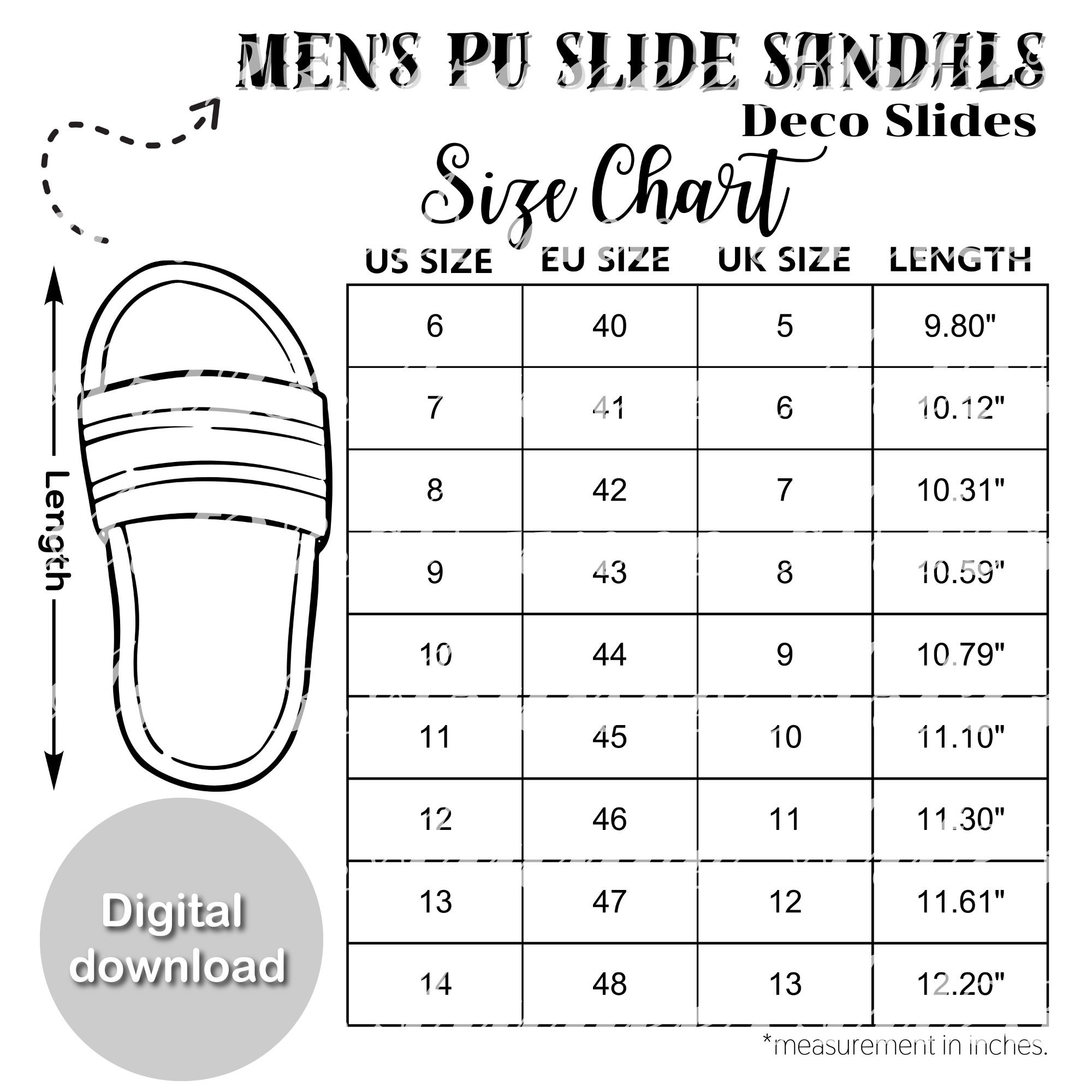
Fit, Sizing, and Strap Adjustability
Even the best-designed slide will cause discomfort if the sizing or upper strap fit is incorrect.
- PROPER SLIDE FIT MARGINS
- Front Rim: 1/4 inch gap between toes and edge
- Footbed: Arch profile aligns directly under midfoot arch
- Heel Cup: 1/4 inch gap behind calcaneus; no overflowing edges
The Perimeter Perimeter Rim Rule
Unlike closed-toe shoes where toes can rest close to the front upper, slides require a small protective margin around the perimeter of the footbed. Your foot should sit entirely inside the raised rim or edge border of the footbed.
- The 1/4-inch standard: There should be approximately 1/4 inch (6–7 mm) of space between your longest toe and the front edge of the slide, as well as behind your heel.
- If your heel rests on top of the raised back lip or your toes hang over the front, the slide is too small. This creates localized pressure points and damages the footbed edge.
Managing Half Sizes
Most slide manufacturers produce footwear in whole sizes only. If you normally wear a half size:
- For contoured recovery or cork slides: Size up to the next whole size. Contoured footbeds feature fixed arch and heel placement; sizing down forces your heel onto the rear rim or places the arch contour under the wrong part of your midfoot.
- For un-contoured or flat slides: Size down if the upper strap is non-adjustable and your foot is narrow to prevent excess slippage.
Strap Adjustability and Foot Volume
Foot volume (the vertical space your foot occupies) varies widely between individuals. Men with high insteps or wide feet often experience painful rubbing on top of the foot from fixed-strap slides. Conversely, men with shallow insteps or narrow feet slide forward too far, causing toes to overhang.
Adjustable upper straps utilizing heavy-duty hook-and-loop (Velcro) closures or metal buckle systems allow you to customize the upper volume. This ensures the footbed stays pulled against your sole during swing phase without forcing your toes to curl and grip.
Specifications and Material Comparison
The following matrix compares common upper and footbed materials across key performance indicators to help narrow your choice:
| Material Combination | Arch & Structural Support | Water & Moisture Resistance | Durability & Compression Life | Ideal Primary Use | Relative Weight |
|---|---|---|---|---|---|
| Single-Density Injection EVA | Moderate | Excellent (100% Waterproof) | Moderate (Compresses over time) | Beach, Pool, Locker Room | Ultra-Light |
| Dual-Density EVA / PU Midsole | High to Very High | High (Hydrophobic upper/sole) | High (Resists flat-out compression) | Post-Workout Recovery, Long Walking | Lightweight |
| Natural Cork with Suede Lining | High (Custom molds to foot) | Low (Sufers from saturation) | High (Requires cork sealant care) | Daily Casual, Urban Summer Wear | Moderate |
| Leather Upper with PU Footbed | High | Low-to-Moderate (Suede/Leather) | Very High (Long-lasting structure) | Work-from-home, Casual Errands | Moderate to Heavy |
| Memory Foam with Fabric Upper | Very Low | Poor (Absorbs water and sweat) | Low to Moderate | House Slipper / Indoor Only | Light to Moderate |
Care, Maintenance, and Extending Slide Lifespan
Proper maintenance preserves footbed hygiene, traction, and structural integrity.
Cleaning Synthetic (EVA and Rubber) Slides
Synthetics are low-maintenance but accumulate foot oils, dead skin cells, and dirt in the footbed texturing.
- Mix warm water with a few drops of mild liquid dish soap or detergent.
- Scrub the footbed and outsole using a soft-bristle brush to clear debris from micro-grooves.
- Rinse thoroughly with clean water.
- Towel dry or allow them to air-dry in a shaded, well-ventilated indoor space.
Caring for Cork and Leather Slides
- Cork Protection: Exposed cork edges can dry out and crumble over time. Apply a thin layer of clear cork sealant whenever the cork loses its natural shine or looks chalky.
- Leather Conditioning: Clean leather straps with a damp microfiber cloth and apply a quality leather conditioner every few months to prevent cracking.
- Moisture Control: If suede or cork footbeds become damp, allow them to air dry away from direct heat sources. Never submerge suede footbeds in water.
Avoiding Heat-Induced Shrinkage
Closed-cell EVA and thermoplastic foams are sensitive to high heat. Never leave synthetic EVA slides in direct sun on a hot deck, near heat vents, or inside a hot car trunk. High heat alters the polymer structure, causing EVA slides to warp or shrink by up to two full shoe sizes permanently.
Recognizing Wear and Replacement Signals
Slides should be replaced when they no longer provide proper alignment or traction. Inspect your slides for these signs of wear:
SMOOTH OUTSOLE TREAD: Risk of slipping on wet tile
PERMANENT FOOTBED FLATTENING: Loss of arch support height
UNEVEN HEEL WEAR: Exacerbates pronation / joint misalignment
Footbed Bottoming-Out: If the arch support profile feels noticeably flat or your heels sink to the floor, the internal foam cell matrix has collapsed.
Tread Depletion: When the outsole tread pattern wears smooth, grip on wet or polished surfaces drops significantly, creating a slip hazard.
Asymmetrical Heel Wear: If the lateral or medial edge of the heel counter wears down unevenly, the slide will actively tilt your foot, placing improper strain on your ankle and knee joints.
Frequently Asked Questions
Are slides good for men with flat feet or plantar fasciitis?
Yes, provided you choose slides with firm, anatomically contoured arch support and a recessed heel cup rather than flat, cushion-only models. Slides with exaggerated medial arch support and structured midsoles relieve tension on the plantar fascia tissue by preventing foot overpronation during indoor walking and short outdoor trips.
How tightly should the upper strap fit across the top of the foot?
The strap should fit snug against the instep without pinching, binding, or restricting circulation. You should be able to slide one finger easily between the top of your foot and the upper strap. If the strap is too loose, your foot will slide forward or twist; if it is too tight, it will restrict natural foot expansion during impact.
Can you un-shrink or resize EVA slides that have warped in the heat?
Once EVA foam shrinks from high heat exposure, its molecular matrix undergoes thermal compression that cannot be reliably undone. While heating the foam with a hairdryer or warm water can occasionally make the polymer pliable enough to stretch slightly, it usually degrades the material's structural integrity and cushioning density.
What is the primary functional difference between flip-flops and slides?
Flip-flops rely on a toe post clamped between the first and second digits, which forces toes to grip actively during toe-off and can cause friction irritation between the toes. Slides distribute holding force over a broad upper strap across the instep, eliminating toe-post irritation and reducing toe-clawing mechanics while walking.
Is it acceptable or functional to wear socks with men's slides?
Wearing socks with slides is functional and beneficial in specific contexts. Wearing moisture-wicking athletic socks with slides prevents friction blisters during post-workout recovery, keeps feet warm in cool weather, and prevents sweat and body oils from transferring directly into porous footbed materials.
Making the Right Selection for Your Daily Foot Health
To choose the optimal pair of comfortable men's slides, match the construction directly to your primary environment and foot geometry. If you require footwear for post-workout recovery or waterfront activity, choose a fully hydrophobic, compression-molded EVA slide featuring an integrated rocker sole and pronounced arch contouring. For daily casual wear, urban walking, or working from home, select a structured polyurethane or natural cork footbed paired with an adjustable leather or synthetic strap.
Avoid selecting footwear based solely on initial plush softness. Look for structured midfoot support, deep heel stabilization, and a protective 1/4-inch edge margin around your foot. Investing in proper footbed geometry protects your kinetic chain, minimizes lower-body fatigue, and delivers long-term comfort across every environment.