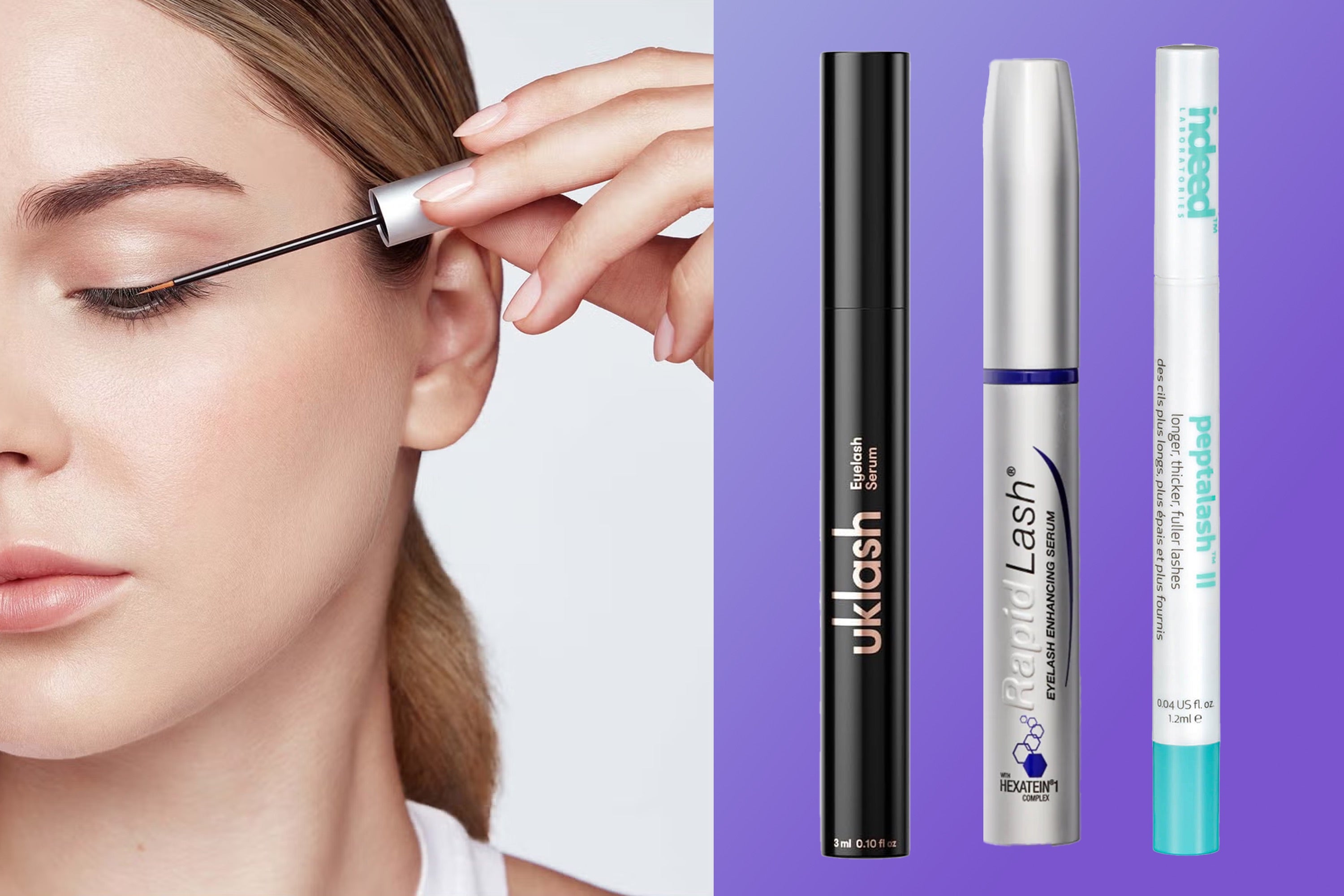
Clean eyelash growth serums are non-prescription topical treatments formulated without synthetic prostaglandin analogs, parabens, phthalates, sulfates, or artificial fragrances. Designed to nourish hair follicles and strengthen lash shafts, these serums utilize signal peptides, amino acids, and botanical extracts to encourage denser, longer-looking lashes without triggering iris discoloration, orbital fat atrophy, or ocular surface inflammation.
Understanding Clean Eyelash Serums vs. Conventional Formulations
The cosmetic lash enhancement market historically relied heavily on synthetic prostaglandin analogs (PGAs)—lipid compounds originally developed for treating glaucoma. While PGAs extend the anagen (growth) phase of hair follicles to produce significant lash lengthening, they carry documented risks of localized and systemic adverse effects. Clean eyelash serums emerged as a dedicated alternative, shifting the formulation philosophy from pharmacological follicular manipulation to structural conditioning and cellular support.
Conventional lash serums frequently combine synthetic active ingredients with aggressive preservatives to maximize shelf stability. In contrast, a clean lash serum prioritizes non-irritating, bio-compatible ingredients. The primary goal of a clean serum is twofold: to fortify existing lashes against premature breakage and to cultivate a healthy microenvironment along the eyelid margin for optimal natural growth.
To qualify as a truly clean formulation, a product must meet strict toxicity and irritation benchmarks. This includes passing third-party safety screenings, maintaining a pH balanced specifically for the ocular area (around 7.0 to 7.4), and omitting ingredients known to disrupt hormone function or irritate delicate periocular skin.
| Conventional Serums | Clean Lash Serums |
|---|---|
| • Prostaglandin Analogs (PGAs) | • Bio-mimetic Signal Peptides |
| • Parabens & Formaldehyde Donors | • Plant-Derived Anti-oxidants |
| • Synthetic Fragrances & Dyes | • Hydrating Humectants (HA) |
| • Alcohol-Based Solvents | • Ocular-Balanced pH (~7.0-7.4) |
The Science of Hair Growth: How Clean Serums Work
Understanding how clean serums enhance eyelash appearance requires an examination of the ciliary hair cycle. Human eyelashes undergo three distinct growth phases:
- Anagen Phase (Active Growth): Lasts between 30 and 45 days. Approximately 35% to 40% of upper eyelashes are in this phase at any given time.
- Catagen Phase (Transition): Lasts 2 to 3 weeks. The follicle shrinks, and lash growth stops as the hair bulb detached from its blood supply.
- Telogen Phase (Resting/Shedding): Lasts 4 to 9 months before the lash falls out naturally to allow a new hair shaft to emerge.
Clean lash serums do not forcefully alter hormone receptors to extend the anagen phase indefinitely. Instead, they operate through hair shaft reinforcement, microvascular nourishment, and follicular protection.
Peptides serve as cell-signaling messengers that instruct hair follicle cells to synthesize keratin, the structural protein responsible for lash integrity. Humectants draw moisture into the lash shaft, rendering it flexible and resistant to snapping during mechanical stress, such as mechanical curling or makeup removal. Botanical antioxidants protect delicate follicle cells from free radical damage caused by environmental pollutants and ultraviolet exposure, preventing premature shedding due to cellular stress.
Essential Ingredients in Effective Clean Lash Serums
Formulating an effective clean lash serum requires selecting ingredients supported by cosmetic chemistry and dermatological research. High-performing clean formulations generally draw from four main ingredient categories:
Bio-mimetic Signal Peptides
Peptides are short chains of amino acids that penetrate the upper epidermis of the eyelid margin to support keratin production.
- Myristoyl Pentapeptide-17: A lipo-peptide that specifically stimulates keratin genes, increasing lash density and thickness at the root.
- Biotinoyl Tripeptide-1: A combination of biotin and three amino acid residues that strengthens hair anchoring within the dermal papilla, preventing premature lash fall out.
- Acetyl Tetrapeptide-3: Often combined with red clover extract, this peptide encourages tissue remodeling around the follicle to support larger, stronger hair roots.
Conditioning Humectants and Vitamins
Lash flexibility is essential to prevent breakage along the mid-shaft. Clean formulas rely on deep-hydrating agents:
- Panthenol (Pro-Vitamin B5): Penetrates the hair cuticle, coating the shaft to lock in moisture, smooth surface irregularities, and add visible shine.
- Sodium Hyaluronate: Attracts up to 1,000 times its weight in water, hydrating the skin of the eyelid margin and preventing dryness around the follicle base.
- Biotin (Vitamin B7): Enhances the keratin structure of the hair shaft, improving overall strength and resilience.
Botanical and Plant Extracts
Clean serums utilize plant extracts processed without harsh solvent residues:
- Trifolium Pratense (Red Clover) Flower Extract: Rich in biochanin A, an isoflavone that combats environmental oxidative stress along the lash line.
- Camellia Sinensis (Green Tea) Leaf Extract: Contains high levels of epigallocatechin gallate (EGCG), providing antioxidant defense and soothing delicate eyelid tissue.
- Glycerin & Aloe Vera Leaf Juice: Provide a calm, non-stinging base liquid that mitigates localized redness.
Ingredients to Avoid: Identifying Prostaglandin Analogs and Irritants
Identifying a clean serum requires careful review of ingredient lists (INCI names). Synthetic prostaglandin analogs often appear under obscure chemical designations. Consumers seeking to avoid PGAs must look out for specific chemical suffixes and names.
Common Synthetic Prostaglandin Analogs
- Isopropyl Cloprostenate (the most widely used PGA in cosmetic lash serums)
- Dechloro Dihydroxy Difluoro Ethylcloprostenolamide
- Bimatoprost (prescription-strength active, found in Latisse)
- Norbimatoprost
- Trifluoromethyl Dechloro Ethylprostenolamide
- Methylamido Dihydro Noralfaprostal
Documented Side Effects of Prostaglandin Analogs
The concern over PGAs stems from published ophthalmic literature. The American Academy of Ophthalmology highlights several risks associated with chronic periocular PGA exposure:
- Prostaglandin-Associated Periorbitopathy (PAP): Loss of orbital fat surrounding the eye socket, causing a hollowed, aged appearance around the eyelids.
- Iris Hyperpigmentation: Permanent darkening of the iris, particularly in individuals with hazel, green, or light brown eyes.
- Hyperpigmentation of Periocular Skin: Reversible or semi-permanent darkening of the eyelid skin along the application zone.
- Meibomian Gland Dysfunction (MGD): Inflammation or blockage of the oil-producing glands along the eyelid margin, leading to severe dry eye syndrome.
Additional Non-Clean Additives to Avoid
Beyond PGAs, clean lash standards exclude common cosmetic irritants that can destabilize the tear film:
- Parabens (Methylparaben, Propylparaben): Preservatives linked to endocrine disruption and skin sensitization.
- Formaldehyde Donors (DMDM Hydantoin, Imidazolidinyl Urea): Slow-release preservatives that cause allergic contact dermatitis in sensitive individuals.
- Synthetic Fragrances and Essential Oils: Volatile aromatic compounds that can cause burning, tearing, and contact conjunctivitis when applied near the eye.
Comparing Eyelash Serum Categories
Understanding the functional distinctions across available lash treatments helps establish realistic expectations regarding performance, price point, and safety profiles.
| Feature / Metric | PGA-Based Serums | Clean Peptide Serums | Pure Oil Conditioners |
|---|---|---|---|
| Primary Mechanism | Anagen phase prolongation via prostaglandin receptors | Keratin stimulation & root strengthening via peptides | Cuticle occlusion & surface moisture coating |
| Key Active Ingredients | Isopropyl Cloprostenate, Bimatoprost | Myristoyl Pentapeptide-17, Biotinoyl Tripeptide-1 | Organic Castor Oil, Argan Oil, Vitamin E |
| Typical Results Window | 4 to 8 weeks | 6 to 12 weeks | 8 to 16 weeks (conditioning only) |
| Primary Visual Effect | Extreme length & increased lash count | Moderately increased length, improved density & retention | Glossy appearance, reduced breakage |
| Risk of Orbital Fat Loss | Moderate to High | None | None |
| Risk of Eye Color Change | Present (for hazel/green/brown eyes) | None | None |
| Tear Film Safety | Potential Meibomian Gland disruption | High (ocular-balanced formulations) | High (can cause transient blurry vision if over-applied) |
| Prescriptive Status | Over-the-counter & Prescription options | Over-the-counter | Over-the-counter |
Safe Application Protocols and Patch Testing
Applying any cosmetic product near the eye requires strict hygiene to prevent ocular infections, bacterial keratitis, or chalazions. Clean formulations minimize chemical risks, but improper application technique can still introduce physical irritants to the eye.
Step 1: The Patch Test
Before applying any new product to the delicate eyelid margin, conduct a 48-hour patch test:
- Apply a single stroke of the serum to the inner forearm or the skin behind the earlobe.
- Allow it to dry completely and leave the area unwashed for 24 hours.
- Observe the site for redness, itching, swelling, or flaking.
- If no reaction occurs, repeat the test on a small area along the outer brow bone for another 24 hours. If clear, proceed with lash line application.
Step 2: Nightly Application Technique
Clean serums yield optimal results when integrated into a nightly skincare routine:
- Cleanse Thoroughly: Remove all eye makeup, oil, and cleanse the face. Ensure the eyelid area is completely dry, as moist skin can increase transepidermal absorption and minor stinging.
- Contact Lens Removal: Remove contact lenses prior to application to avoid trapping formula beneath the lens material.
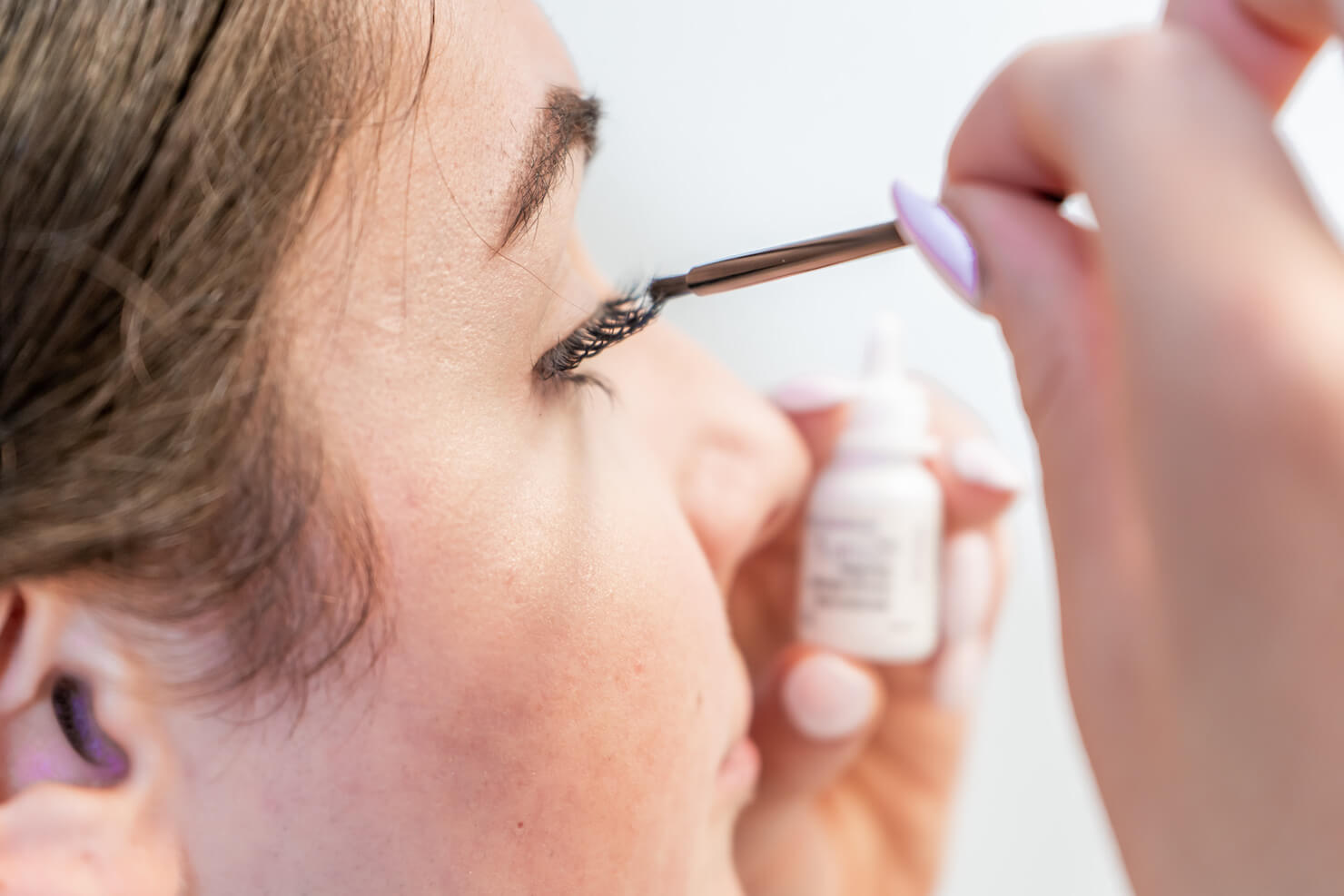
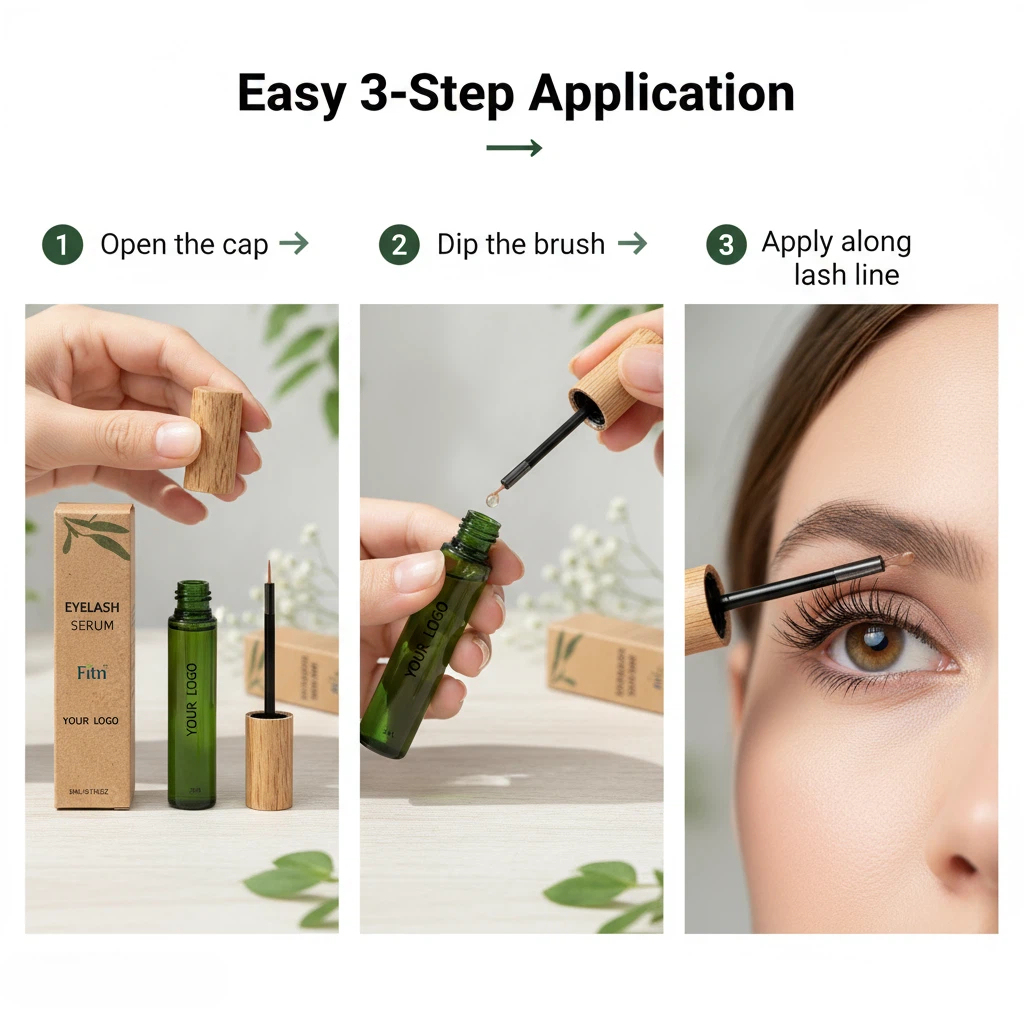
- Precision Stroke: Withdraw the applicator wand and wipe off any excess liquid on the rim of the tube. Apply a single, thin line directly along the base of the upper eyelashes, similar to liquid eyeliner.
- Avoid the Lower Lash Line: Do not apply directly to the lower lash line. Blinking naturally transfers an adequate amount of product to the lower lashes without overloading the lower tear film.
- Drying Time: Allow the serum to dry for 2 to 3 minutes before applying night creams, facial oils, or lying down.
- Clean & Dry Eye
- Remove Contacts
- Single Upper Stroke
- Apply only to upper eyelid margin
- Do NOT wipe applicator inside the eye
- Allow 3 minutes to dry before sleep
Managing Expectations: Timelines, Lash Cycles, and Maintenance
Clean eyelash growth serums work in harmony with the body's physiological hair cycle rather than forcing accelerated follicular division. Consequently, visual transformations require patience and consistency.
- Week 1 - 2: Cellular Hydration & Cuticle Smoothing
- Week 3 - 5: Reduced Daily Shedding & Enhanced Retention
- Week 6 - 8: Emerging Density at the Lash Line
- Week 9 - 12: Peak Length, Volume, and Lash Shaft Flexibility
Initial Phase (Weeks 1–3)
During the initial weeks, visible length changes are minimal. The active peptides and humectants work internally within the follicle and along the shaft cuticle. Users typically notice reduced lash fallout during daily makeup removal as existing lashes become more pliable.
Growth Phase (Weeks 4–8)
As new lashes enter the anagen phase under the influence of peptide support, emerging hair shafts grow stronger and thicker. Density improves because lashes that would typically snap prematurely remain anchored in the lid longer.
Peak Results and Maintenance (Weeks 9–12)
Maximum length and fullness are generally visible around week 12. Once desired density is attained, daily application can often be reduced to 3 nights per week to maintain follicle nourishment and offset natural shedding cycles.
What Happens When You Discontinue Use?
Unlike PGA-based serums, which can cause a rapid "lash crash" (where lashes drop out abruptly due to sudden hormone receptor withdrawal), discontinuing a clean peptide serum simply returns your lashes to their natural growth baseline. As mature lashes complete their standard telogen phase and shed, new untreated lashes will return to their natural genetic length and thickness.
Frequently Asked Questions
Are clean eyelash growth serums safe for sensitive eyes and contact lens wearers?
Yes, high-quality clean eyelash serums are formulated specifically to accommodate sensitive eyes and contact lens wearers. By eliminating synthetic prostaglandin analogs, volatile alcohols, parabens, and fragrance, these formulations reduce the likelihood of ocular inflammation. Contact lens wearers should apply the serum at night after removing their lenses to prevent product transfer onto the lens surface.
Can clean eyelash growth serums alter eye color or cause dark circles?
No, clean eyelash growth serums do not alter eye color or cause periorbital dark circles. Eye color changes and localized fat atrophy (which causes dark hollows under the eyes) are side effects specifically caused by synthetic prostaglandin analogs (PGAs). Because clean formulas do not contain PGAs or hormone-disrupting compounds, they carry no risk of iris hyperpigmentation or orbital fat loss.
How long does it take to see visible results with PGA-free clean eyelash serums?
Visible results from clean eyelash serums typically appear within 6 to 8 weeks of consistent, daily application, with full peak results visible around 12 weeks. Because clean serums work by strengthening hair roots and reducing mechanical breakage rather than synthetically accelerating cell division, results align directly with your natural eyelash growth cycle.
Will my lashes fall out if I stop using a clean lash serum?
No, your eyelashes will not suddenly fall out if you stop using a clean serum. PGA-based serums often cause abrupt shedding upon cessation due to chemical withdrawal, but clean peptide-based serums simply nourish the existing hair cycle. When you stop using a clean serum, your eyelashes will gradually return to their natural genetic baseline as old lashes complete their normal lifecycle and shed naturally.
What is the primary difference between lash conditioning oils and clean peptide serums?
Lash conditioning oils (such as pure castor oil or argan oil) coat the surface of the lash shaft with fatty acids to seal in moisture and prevent physical breakage, but they do not contain cell-signaling ingredients. Clean peptide serums contain active amino acid chains that penetrate the skin of the eyelid margin to support keratin production within the follicle itself, encouraging actual visual density and enhanced growth.
How to Select and Integrate the Right Clean Lash Serum
Selecting the right clean lash serum requires evaluating your personal eye sensitivity, current lash health, and ingredient preferences. To ensure you purchase a product that aligns with clean cosmetic standards and delivers consistent results, follow this decision framework:
- Verify the Full INCI List: Inspect the entire ingredient list on the outer packaging or manufacturer website. Verify that no synthetic prostaglandin analogs (such as Isopropyl Cloprostenate) are listed, even toward the bottom of the list.
- Look for Certified Ophthalmologist Testing: Choose formulas explicitly labeled as Ophthalmologist-Tested and Non-Comedogenic. This confirms the product has undergone clinical evaluation for ocular surface safety and tear film compatibility.
- Check for Hydrating Base Ingredients: Prioritize products that pair active peptides (like Myristoyl Pentapeptide-17) with soothing base vehicles such as aloe vera leaf juice, hyaluronic acid, or panthenol rather than plain denatured alcohol.
- Establish a Consistent Nightly Habit: Store your serum directly beside your toothbrush or evening cleanser. Applying the formula consistently at the same time every night ensures uninterrupted peptide delivery to the hair follicles throughout the 90-day lash cycle.
- Monitor Eye Comfort: If you experience mild tingling upon initial application, ensure your eyelids are completely dry before applying. If redness or irritation persists for more than 24 hours, discontinue use and consult an eye care professional.