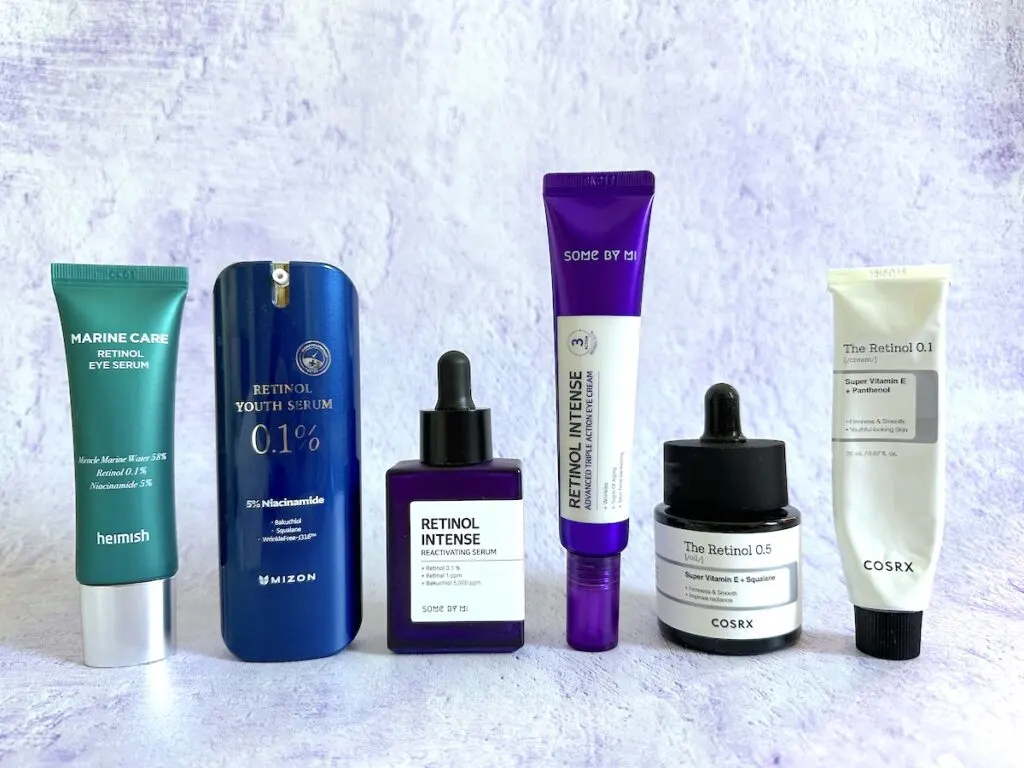
Buying retinol products online requires evaluating molecule types, concentration percentages, packaging stability, and seller authenticity to ensure you receive an effective and safe formulation. Navigating e-commerce marketplaces demands checking authorized retail status, inspecting ingredient lists for stabilizing delivery systems, and matching retinoid potency to your specific skin tolerance level.
Disclaimer: This guide is for informational purposes only and does not constitute medical advice. Consult a board-certified dermatologist before introducing active dermatological ingredients to your routine, particularly if you are pregnant, nursing, or managing clinical skin conditions.
Understanding Retinoids: Molecular Variations and Conversion Pathways
Before searching for retinol products online, consumers must understand that "retinoid" is an umbrella term for Vitamin A derivatives, each differing in chemical potency and biological availability. Retinoic acid is the active compound that skin cells utilize to accelerate cellular turnover and stimulate collagen synthesis. Over-the-counter (OTC) retinoids must undergo enzymatic conversion within the skin to transform into retinoic acid, directly dictating both efficacy and irritation potential.
Retinyl Esters ---> Retinol ---> Retinaldehyde ---> Retinoic Acid (Active Form)
The conversion chain follows a predictable pathway:
- Retinyl Esters (e.g., Retinyl Palmitate, Retinyl Acetate): These require three enzymatic conversion steps to become retinoic acid. They are the gentlest retinoids available online, making them suitable for ultra-sensitive skin, though they yield slower visible results.
- Pure Retinol: Requiring two conversion steps (converting first to retinaldehyde and then to retinoic acid), pure retinol represents the global standard for non-prescription anti-aging treatments. Concentrations typically range from 0.1% to 1.0%.
- Retinaldehyde (Retinal): This precursor sits just one conversion step away from retinoic acid. Retinaldehyde acts up to eleven times faster than standard retinol while maintaining favorable skin tolerance, making it popular in mid-to-high potency online skincare formulations.
- Adapalene: A synthetic, third-generation retinoid designed primarily for acne management. In several regions, 0.1% adapalene gel is available over-the-counter, offering targeted affinity for retinoic acid receptors without requiring conversion.
- Prescription Retinoids (Tretinoin, Tazarotene, Trifarotene): Pure retinoic acid formulations that bind directly to skin receptors without conversion. Online acquisition requires a verified prescription through telehealth portals or licensed pharmacies.
Knowing where a product sits on this conversion ladder prevents common purchasing mistakes, such as buying an overly aggressive formula that causes severe desquamation (peeling) or selecting an excessively diluted ester that fails to address key skin concerns.
Crucial Formulation and Packaging Criteria for Online Shoppers
Retinoids are inherently fragile molecules. Exposure to light, oxygen, and elevated temperatures causes rapid oxidation, rendering the product biologically inactive long before the listed expiration date. When evaluating retinoid products on e-commerce websites, inspecting the physical packaging specifications and ingredient delivery vehicles is essential.
Container Design and Airless Technology
Never purchase retinol supplied in clear glass bottles or wide-mouth open jars. Opening a jar exposes the entire surface area of the emulsion to atmospheric oxygen and ambient light, degrading the active retinoid within weeks. Look for products housed in opaque, airless pump containers, aluminum tubes, or UV-coated dark glass droppers. Airless pump systems utilize a vacuum mechanism that dispenses the product without allowing ambient air to re-enter the chamber.
Delivery Systems and Encapsulation
Advanced formulations utilize microencapsulation technology. Encapsulated retinol wraps the active molecule in a lipid or polymeric shell. This structure offers two distinct advantages: it shields the retinol from degradation inside the bottle, and it creates a slow-release mechanism upon application to the skin. Microencapsulation mitigates the initial spike of active compound on the stratum corneum, significantly reducing redness, dryness, and stinging while optimizing long-term skin penetration.
Supporting Hydrating and Soothing Ingredients
High-performing retinol products balance cell-turnover stimulation with skin barrier support. Examine the full International Nomenclature Cosmetic Ingredient (INCI) list on the product page to verify the presence of soothing lipid-replenishing compounds:
- Ceramides and Fatty Acids: Rebuild intercellular lipids to maintain cutaneous barrier integrity.
- Niacinamide (Vitamin B3): Reduces inflammatory responses and works synergistically with retinol to improve hyperpigmentation.
- Hyaluronic Acid and Glycerin: Act as humectants to pull moisture into the epidermis, counteracting retinoid-induced trans-epidermal water loss (TEWL).
- Centella Asiatica (Cica) or Bisabolol: Calm localized irritation and minimize erythema during the initial retinization phase.
Navigating Online Retailers and Verifying Product Authenticity
The prevalence of third-party e-commerce platforms has made purchasing skincare online convenient, but it also increases the risk of encountering counterfeit, expired, or improperly stored products. Substandard thermal control during warehousing and transit can completely deactivate a retinoid serum before it arrives at your door.
Buying from Authorized Distributors vs. Third-Party Marketplaces
When shopping online, prioritize buying directly from the brand’s official website or authorized multi-brand retailers. Major skincare brands maintain explicit lists of authorized online vendors. On open e-commerce marketplaces that utilize third-party merchants, verify the "Sold By" and "Shipped By" details. Purchasing directly from the brand’s verified storefront on marketplace platforms reduces the risk of receiving co-mingled counterfeit inventory.
Spotting Red Flags and Unrealistic Claims
Be skeptical of online listings featuring dramatic discounts (e.g., 70% off retail pricing) or product descriptions promising "overnight wrinkle eradication." Additionally, scrutinize claims of absurdly high concentrations, such as "5% Pure Retinol Serum." In reality, pure retinol concentrations rarely exceed 1.0% in over-the-counter formulations; products claiming higher percentages often use a dilute retinoid complex blend (such as a 5% solution containing only 0.05% active material) to mislead shoppers.
Inspection Upon Arrival: Batch Codes and Physical Characteristics
Once your package arrives, conduct a brief quality assurance check before applying the formula to your face:
- Check the Batch Code: Locate the stamped batch code on the base of the container or outer carton. Cross-reference this number using online cosmetic batch-checking tools to confirm manufacture dates and shelf-life viability.
- Evaluate Color and Texture: Fresh retinol formulations typically range from off-white to pale yellow. If a newly opened product exhibits a dark yellow, brown, or oxidized orange hue, or if the emulsion has separated into distinct oil and water layers, the active ingredient has likely degraded due to heat or age.
- Smell Test: While fragrance-free products may possess an industrial baseline scent, a strong, rancid, or sour odor indicates lipid oxidation within the base oils.
Retinoid Derivatives and Strengths Comparison
The following table outlines the primary non-prescription and prescription retinoid options available through online storefronts, detailing their ideal user profiles, typical concentration ranges, and conversion speeds.
| Retinoid Form | Conversion Steps | Common Concentration Range | Primary Skin Benefit | Relative Irritation Risk | Best Suited For |
|---|---|---|---|---|---|
| Retinyl Palmitate | 3 Steps | 0.1% – 0.5% | Mild texture smoothing, hydration support | Very Low | Ultra-sensitive skin, retinoid beginners |
| Pure Retinol (Low Potency) | 2 Steps | 0.1% – 0.3% | Preventive anti-aging, minor tone evening | Low to Moderate | Dry skin, sensitive skin starting retinoids |
| Pure Retinol (High Potency) | 2 Steps | 0.5% – 1.0% | Deep wrinkle reduction, collagen support | Moderate to High | Experienced retinoid users, resistant skin |
| Retinaldehyde (Retinal) | 1 Step | 0.05% – 0.1% | Rapid photoaging repair, acne management | Moderate | Intermediate users seeking faster results |
| Adapalene (OTC) | 0 (Direct Action) | 0.1% | Acne treatment, pore clearance | Moderate to High | Oily, breakout-prone skin |
| Tretinoin (Prescription) | 0 (Direct Action) | 0.025% – 0.1% | Medical-grade photoaging and severe acne repair | High | Users guided by dermatological telehealth |
Step-by-Step E-Commerce Buying Checklist for Retinol
To streamline your online purchasing process and protect your skin health, follow this structured evaluation workflow prior to entering payment information:
- Identify Your Primary Skin Objective: Determine whether your primary goal is acne management (favoring adapalene or retinaldehyde), gentle anti-aging (favoring low-dose encapsulated retinol), or advanced photoaging correction (favoring high-dose retinaldehyde or telehealth tretinoin).
- Review the Packaging Type: Confirm on the retailer's product imagery that the formula is packaged in an opaque container with an airless pump or restrictive dispenser. Reject open-mouth jars.
- Verify Active Percentage and Ingredient Transparency: Ensure the product listing explicitly discloses the exact active percentage of retinol or retinaldehyde, rather than hiding behind undisclosed "proprietary complexes."
- Audit the Full INCI List: Search for supporting soothing agents like ceramides, hyaluronic acid, or niacinamide, and check for potential irritants such as heavy synthetic fragrances or high concentrations of drying denatured alcohols.
- Inspect Retailer Authorization and Return Policies: Confirm that the online vendor is an authorized stockist. Check their return policy regarding damaged or oxidized cosmetics, ensuring customer support guarantees refunds for defective products.
- Plan Supporting Skincare Purchases: Ensure your cart includes a gentle, non-stripping cleanser, a barrier-repair moisturizer, and a broad-spectrum broad-spectrum sunscreen with SPF 30 or higher to protect skin during the retinization phase.
Managing Retinized Skin and Storage Best Practices
Successfully purchasing retinol online extends to how you store and integrate the product into your nightly routine once it arrives.
Ideal Storage Conditions
Store your retinoid in a cool, dark environment away from humidity and temperature fluctuations. While standard bedroom vanities or medicine cabinets outside of the bathroom are suitable, keeping unopened backup bottles inside a dedicated skincare refrigerator or standard refrigerator can prolong shelf life by slowing down chemical oxidation. Never leave retinoid products on sunlit windowsills or inside warm vehicles.
Introducing the Product Safe-Start Protocol
To prevent severe retinoid dermatitis (characterized by excessive dryness, scaling, and inflammation), implement a gradual integration schedule:
- Weeks 1 and 2: Apply a pea-sized amount to clean, dry skin twice per week, spaced evenly apart (e.g., Sunday and Thursday nights).
- Weeks 3 and 4: Increase frequency to every other night if no persistent redness or peeling occurs.
- Week 5 Onward: Transition to nightly application as tolerated by your skin barrier.
If significant irritation develops, utilize the "sandwich method": apply a layer of basic moisturizer, allow it to absorb for ten minutes, apply your retinoid, and finish with a second layer of moisturizer to cushion skin delivery.
Frequently Asked Questions
Can I buy prescription-strength tretinoin online legally?
Yes, in many jurisdictions you can legally acquire tretinoin online through licensed medical telehealth platforms. These services require a virtual consultation with a board-certified dermatologist or licensed physician who evaluates your skin before issuing a prescription fulfilled by a certified digital pharmacy.
Why does the color of my online-purchased retinol serum vary between orders?
Minor color variations from off-white to light yellow can occur naturally between production batches due to raw material sourcing. However, if a product arrives with a dark brown or deep orange color, it indicates advanced oxidation due to improper storage or age, and the product should be returned.
How do I know if a seller on a major marketplace is authorized?
Check the seller profile on the e-commerce platform. Authorized listings typically display "Ships from and sold by [Brand Name]" or direct you to the official brand storefront. Avoid buying from unverified third-party sellers with generic storefront names or uncommonly low prices.
Should I buy a higher percentage of retinol to get faster results?
No. Starting with an excessively high concentration (such as 1.0% pure retinol) often damages the skin barrier, causing severe flaking, redness, and inflammation that forces you to halt treatment entirely. Starting with a lower concentration (0.1% to 0.3%) and consistently applying it yields superior long-term results with minimal downtime.
Is it safe to buy retinol online during hot summer months?
Yes, provided you purchase from reputable retailers that utilize climate-controlled fulfillment centers and swift shipping methods. Once delivered, retrieve the parcel from outdoor mailboxes promptly to prevent prolonged exposure to high ambient heat.
Next Steps for a Safe Skincare Purchase
Before purchasing a retinol product online, review your current skincare routine to eliminate competing exfoliant actives. Pause the use of leave-on alpha-hydroxy acids (like glycolic or lactic acid), beta-hydroxy acids (salicylic acid), and physical scrubs to prevent overwhelming your skin barrier during the initial phase.
Next, choose an established online vendor that explicitly details ingredient percentages and uses opaque, airless packaging. Secure a reliable, broad-spectrum sunscreen with SPF 30 or higher alongside your retinoid order, as Vitamin A derivatives increase skin susceptibility to UV radiation. By selecting an appropriate molecule, verifying supply chain authenticity, and committing to a slow application schedule, you can safely harness the full restorative benefits of retinoid therapy.
EDITORIAL CATEGORY METADATA: