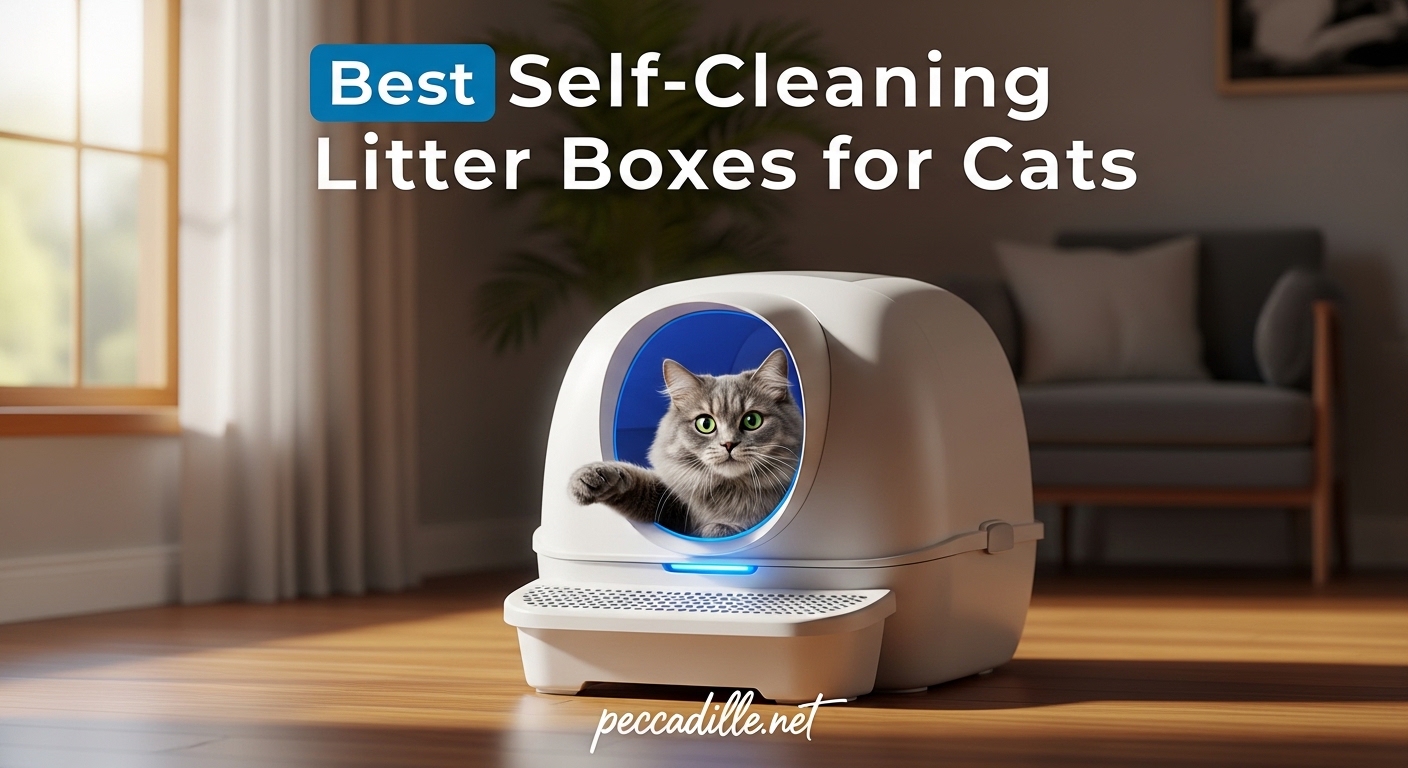
Selecting the ideal cat litter box requires balancing natural feline behavioral instincts with practical household maintenance. An awesome litter box must be spacious—measuring at least 1.5 times the length of your cat—accessible, easy to sanitize, and appropriate for your pet's age and physical health. Prioritizing proper sizing, low-stress placement, durable materials, and routine cleaning prevents inappropriate elimination and preserves long-term home hygiene.
Feline Ergonomics: Why Size and Accessibility Matter Most
Many domestic cat behavioral issues stem directly from improperly sized or difficult-to-access litter boxes. From an evolutionary perspective, cats are both predators and prey. When eliminating, they feel inherently vulnerable. A box that restricts movement, forces a cramped posture, or limits visibility creates environmental stress that can prompt a cat to seek alternative elimination sites, such as rugs, laundry baskets, or furniture.
The 1.5x Sizing Rule
The standard commercial litter box is frequently too small for the average adult domestic cat. To ensure physical comfort, a litter box must measure at least 1.5 times the length of the cat from the tip of the nose to the base of the tail. The width of the pan should equal at least the full length of the cat.
Minimum Box Length = Cat Length (Nose to Base of Tail) × 1.5 Minimum Box Width = Cat Length (Nose to Base of Tail)
This structural clearance allows your cat to step inside, turn around fully without touching soiled sides, dig comfortably, and cover their waste without squirming. Large breeds such as Maine Coons, Ragdolls, or Norwegian Forest Cats often require oversized storage totes with custom entrance cutouts to satisfy these physical dimensions.
Entry Height and Rim Considerations
Entry height must match your cat’s physical mobility. Kittens, senior cats, and felines suffering from osteoarthritis or hip dysplasia struggle to step over traditional 6-to-8-inch sidewalls. For senior or mobility-impaired pets, choose a pan with a lowered entry rim of 3 to 4 inches while retaining higher rear walls to contain litter scatter and spray.
Conversely, for healthy adult cats prone to "high spraying" or vigorous digging, high-sided open boxes prevent urine from leaking over the edges while retaining adequate ventilation.
Comparing Litter Box Types: Open-Pan, Covered, Top-Entry, and Automatic
Choosing the best litter box design requires evaluating how specific features impact feline behavior alongside human convenience. No single box style suits every home or cat.
- Open-Pan
- Open Airflow
- 360° Sightlines
- Covered / Hooded
- Contained Odor
- Restricted View
- Cat Preference
Open-Top Litter Pans
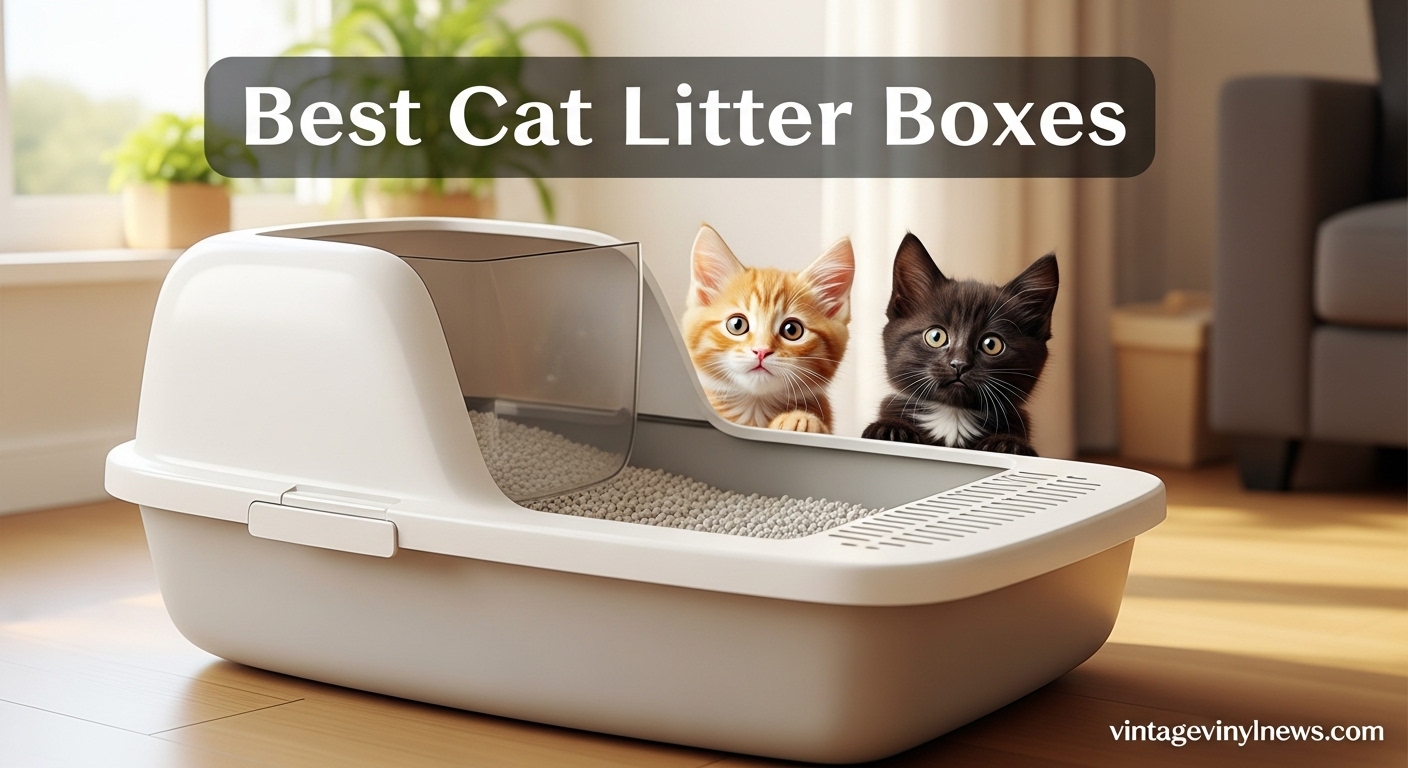
Feline behaviorists overwhelmingly prefer traditional open-top litter pans. Open designs provide unobstructed 360-degree sightlines, allowing cats to monitor their environment for potential threats. They offer maximum airflow, which prevents ammonia gas buildup, and eliminate structural barriers that might make a cat feel trapped inside.
Covered and Hooded Boxes
Covered boxes appeal to human guardians because they hide waste and reduce litter scatter. However, they trap odors inside the enclosure, creating a pungent micro-environment comparable to a portable toilet for a cat’s sensitive olfactory system. If utilizing a covered box, it must be scooped more frequently to prevent odor accumulation, and the doorway must remain wide and unobstructed.
Top-Entry Boxes
Top-entry boxes feature a lid with a hole through which the cat jumps in and out. These designs excel at keeping dogs out of the waste and minimizing tracking on floors. However, top-entry boxes are unsuitable for senior cats, kittens, or overweight felines due to the physical exertion required to jump in and out. Additionally, they trap airborne dust inside the enclosure during digging.
Automatic Self-Cleaning Boxes
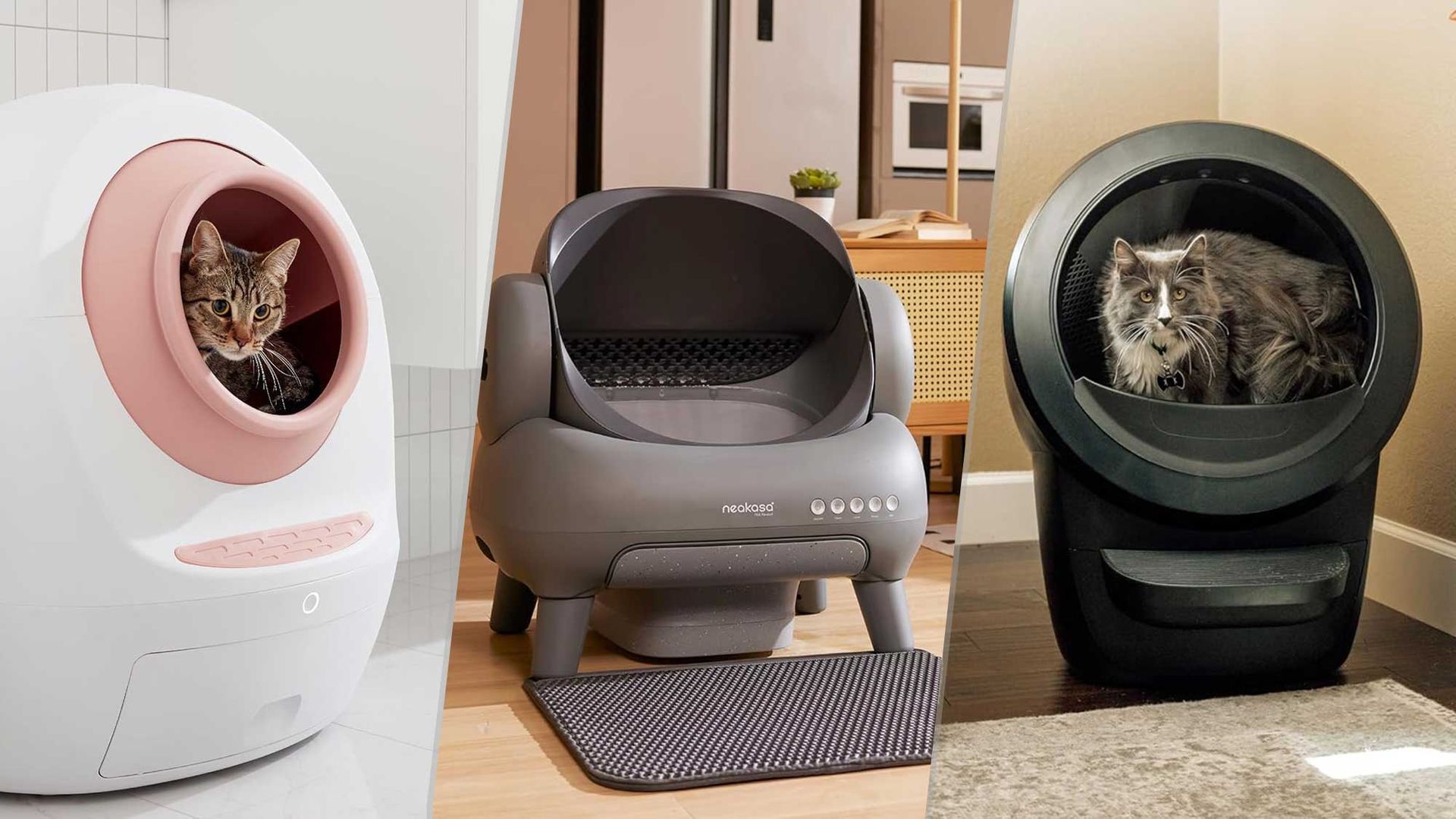
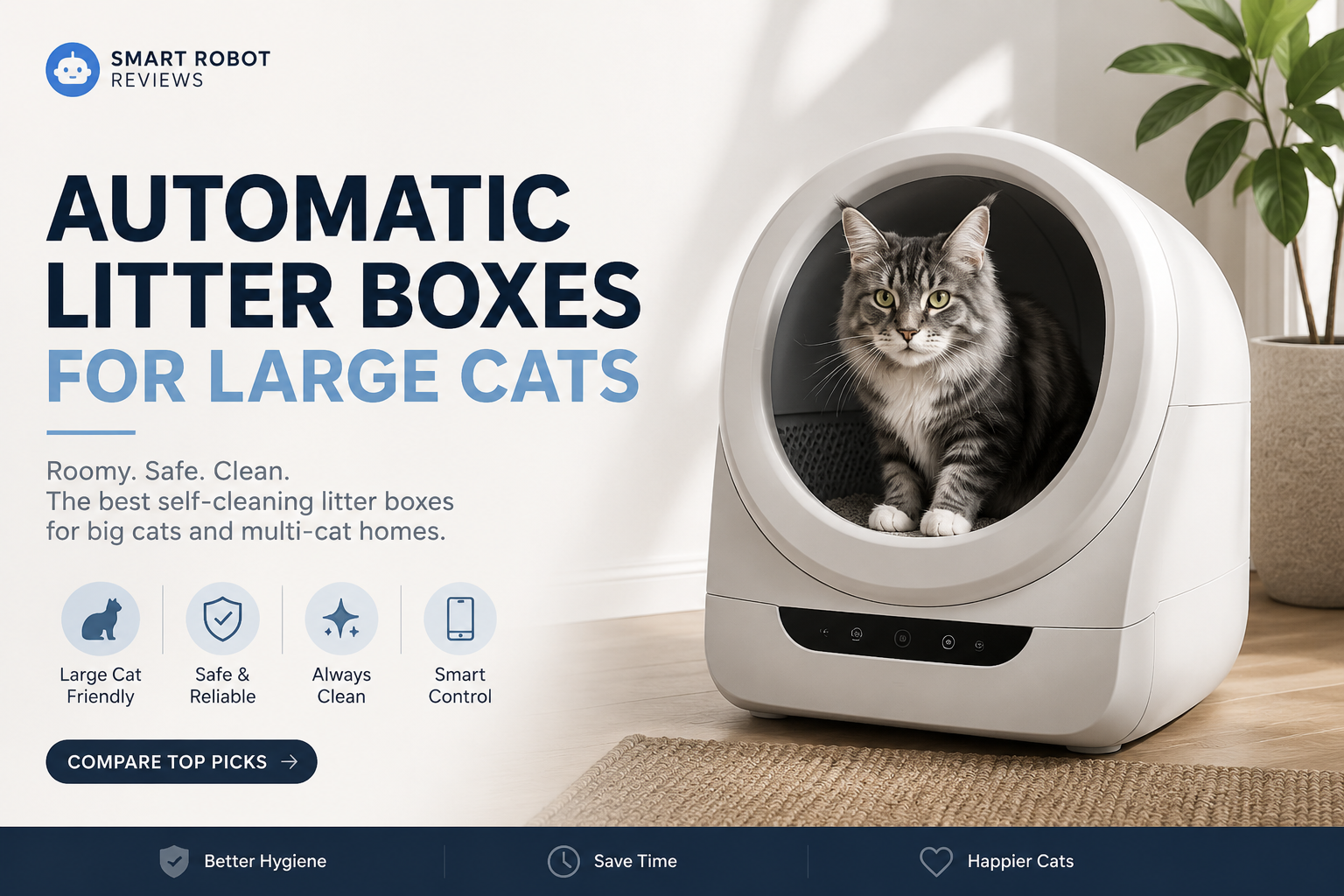
Self-cleaning litter boxes utilize internal rakes, rotating drums, and weight sensors to remove waste automatically into a sealed drawer shortly after a cat exits. While offering convenience for busy owners, they have distinct trade-offs:
- Mechanical Noise: The sound of motorized cycles can frighten nervous or timid cats.
- Sensor Reliability: Infrared or weight sensors must function flawlessly to prevent cycling while a pet is nearby.
- Health Monitoring: Automatic raking hides waste quickly, making it harder for owners to spot early signs of health issues like hematuria (blood in urine), diarrhea, or constipation.
| Box Style | Target Use Case | Key Advantages | Potential Drawbacks | Maintenance Level |
|---|---|---|---|---|
| Open-Pan (Standard/High-Sided) | Most domestic cats, seniors, kittens | Excellent sightlines, ventilation, easy access, easy to scoop | Higher litter scatter risk without high sides | Low mechanical complexity; daily manual scooping |
| Covered / Hooded | Multi-pet homes needing dogs kept out | Hides waste from view, contains high sprayers | Traps dust and odor, restricts sightlines, smaller internal volume | Medium; requires frequent washing of hood |
| Top-Entry | Agile adult cats; high-scatter environments | Superior litter containment, dog-proof | Inaccessible to seniors/kittens, traps dust inside, single exit | Medium; top grate must be swept regularly |
| Automatic Self-Cleaning | Frequent travelers, busy multi-cat households | Reduces daily manual scooping, keeps substrate fresh | High cost, mechanical failure risk, potential sound anxiety | High technical upkeep; bin emptying and deep teardowns |
| Stainless Steel Pan | Multi-cat households, high-hygiene setups | Non-porous surface, zero odor retention, scratch-resistant | Heavier, higher initial purchase price | Extremely low; easiest style to sanitize completely |
Strategic Placement: Creating a Low-Stress Elimination Zone
Where you put a litter box is just as important as the box you select. Placing a box in an unsuitable area can trigger box avoidance, even if the pan itself is ideal.
The "N+1" Quantity Rule
The golden standard for multi-cat households is the N+1 rule: provide one litter box for every cat in the home, plus one extra.
$$\text{Required Litter Boxes} = \text{Number of Cats} + 1$$
In a three-cat household, you should maintain at least four separate litter boxes. This distribution prevents territorial guarding, where a dominant cat blocks access to a single box location, forcing submissive cats to eliminate elsewhere.
- Incorrect Setup: Box 1, Box 2, Box 3 (Lined up in one room = 1 territory)
- Correct Setup:
- Floor 1: Box 1
- Floor 2: Box 2
- Floor 2: Box 3 (separate area)
Key Placement Guidelines
- Distribute Across Locations: Placing three boxes side-by-side in the laundry room counts as one territorial location to a cat. Spread boxes across different rooms or distinct floors of the home.
- Avoid High-Traffic Noise: Do not place litter boxes next to noisy household appliances like washing machines, clothes dryers, or HVAC units. Sudden cycle changes or loud spin cycles can startle a cat mid-use, creating a lasting negative association with the location.
- Separate Food and Water: Cats instinctively avoid eliminating near their feeding stations to keep their food and water clean. Place litter boxes at least 6 to 10 feet away from food and water bowls.
- Ensure Clear Escape Routes: Avoid placing boxes in dead-end closets or narrow corners where one cat can trap another. Ensure open pathways leading to and from the box area.
Material Selection and Cleaning Protocols for Odor Control
Maintaining an awesome litter box requires managing surface degradation and establishing a routine cleaning schedule.
- Scoop Daily (1-2x)
- Deep Clean Monthly
- Replace Plastic Pan (12-24 mos)
Plastic Degradation vs. Stainless Steel
Most commercial litter boxes are constructed from polypropylene plastic. Over time, a cat’s claws dig into the bottom and side walls, creating micro-scratches. These invisible grooves trap bacteria, organic waste, and ammonia molecules that cannot be removed, even with aggressive scrubbing. Consequently, plastic boxes retain a lingering sour odor over time.
Plastic litter pans should be completely replaced every 12 to 24 months to maintain proper household hygiene.
Alternatively, consider upgrading to heavy-duty stainless steel litter pans. Stainless steel offers clear structural and hygienic benefits:
- Non-Porous Surface: Completely resists scratch degradation from sharp claws and litter scoops.
- Zero Odor Retention: Prevents urine salts and bacteria from absorbing into the material.
- Effortless Washing: Waste slides off easily during cleaning, requiring far less soapy agitation.
Cleaning Substrates and Solutions
To safely clean a litter box without scaring off your cat with harsh chemicals:
- Daily Maintenance: Scoop solid waste and liquid clumps 1 to 2 times daily. Maintain a uniform litter depth of 2 to 3 inches. Overfilling the box creates an unstable, shifting surface underfoot that makes cats feel insecure.
- Monthly Wash-Down: Empty old litter completely. Scrub the interior using warm water and a unscented dish soap.
- Chemicals to Avoid: Avoid ammonia-based cleaners, bleach, pine-scented disinfectants, or citrus additives. Ammonia smells like concentrated urine to a cat, while citrus and pine scents act as strong natural deterrents that can drive them away from the box.
Troubleshooting Litter Box Aversion and Behavioral Shifts
If a previously house-trained cat begins eliminating outside the box, treat the event as a signal of medical distress or environmental stress rather than intentional misbehavior.
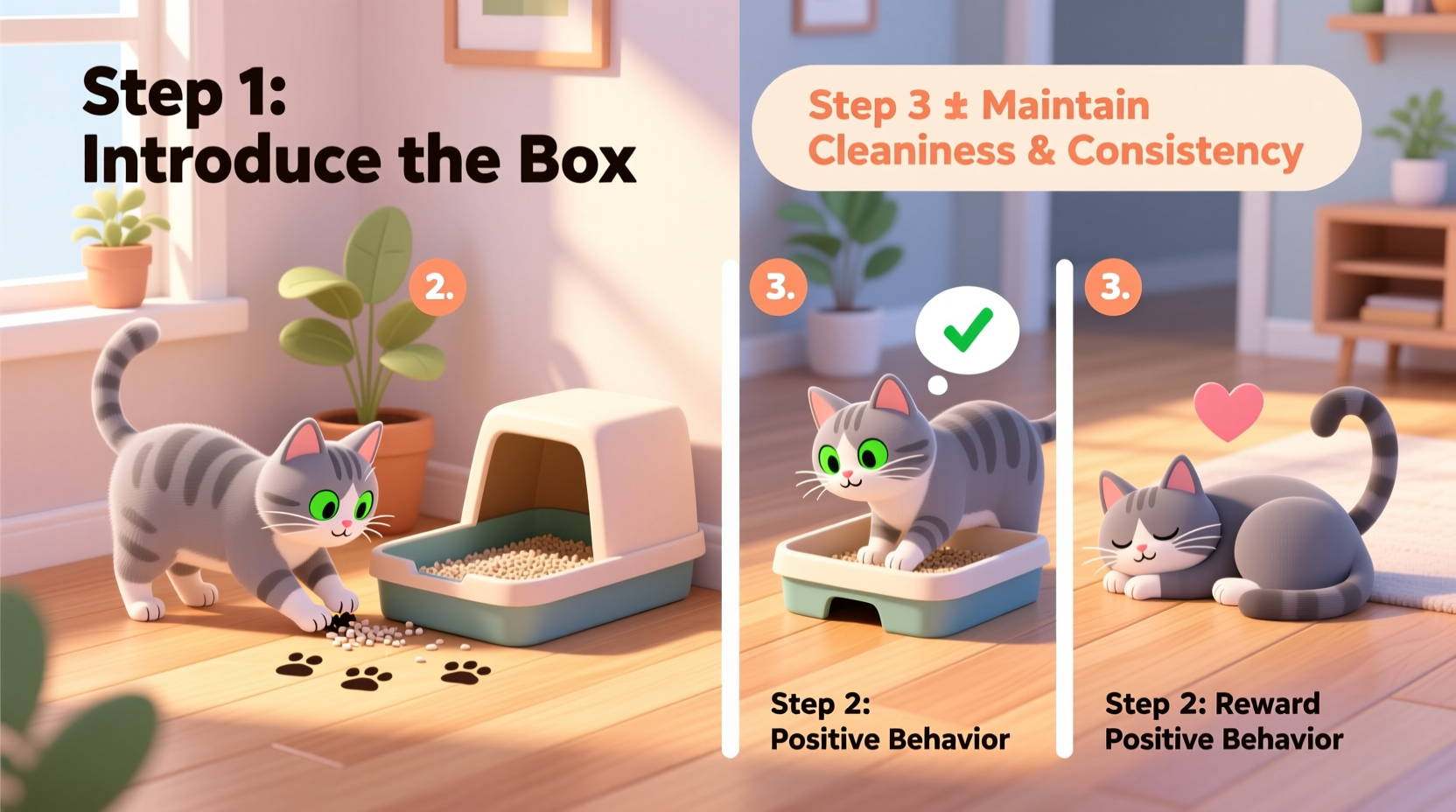
Step 1: Rule Out Medical Triggers
Before changing boxes or substrates, consult a veterinarian. Physical ailments are the primary cause of sudden changes in elimination habits:
- Feline Lower Urinary Tract Disease (FLUTD): Causes painful urination, forcing cats to associate the litter box with pain.
- Urinary Tract Infections (UTIs) or Cystitis: Triggers sudden urgency and frequent, small-volume urinations outside the box.
- Kidney Disease or Diabetes: Increases fluid intake and urine output, saturating boxes rapidly.
- Osteoarthritis: Makes stepping into high-sided boxes or navigating basement stairs painful.
Step 2: Evaluate Environmental Factors
If medical issues are ruled out, systematically evaluate environmental stressors using the following diagnostic steps:
- Substrate Texture: Most cats prefer fine-grained, soft, unscented clumping clay that mimics natural desert sand. Coarse pellets, wood chips, paper pellets, or heavily scented litters can cause tactile aversion on sensitive paw pads.
- Box Cleanliness: A cat's sense of smell is roughly 14 times stronger than a human's. If waste accumulates, they will seek a cleaner spot, like a bath mat or carpet.
- Box Sizing and Enclosures: If using a covered or top-entry box, strip away the lid or switch to a high-sided open pan to see if sightlines or air circulation were the underlying issue.
Essential Maintenance Checklist for Feline Hygiene
To keep your setup clean, functional, and inviting for your cat, follow this operational routine:
- Daily Actions:
- Scoop all liquid clumps and solid waste from every box at least once (preferably twice) per day.
- Smooth the litter bed to maintain a steady depth of 2 to 3 inches.
- Sweep or vacuum the landing mat surrounding the box entry point to eliminate tracked dust.
- Weekly Actions:
- Top off litter levels with fresh substrate to replace scooped volume.
- Wipe down the external rims and high-side walls with a damp cloth and warm water.
- Monthly Actions:
- Dispose of old litter completely during a full routine flush.
- Wash the entire pan inside and out using warm water and mild, unscented soap.
- Inspect the interior plastic lining for deep micro-scratches, cracks, or severe discoloration.
- Annual Actions:
- Evaluate the physical size of your growing cat relative to the current box dimensions.
- Replace standard plastic litter pans every 12 to 24 months (or transition permanently to stainless steel).
Frequently Asked Questions
How many litter boxes do I need for multiple cats?
You should follow the N+1 rule: maintain one box per cat plus one additional box. For example, two cats require three boxes. These boxes should be placed in distinct, separated locations throughout the house rather than clustered in a single room to prevent territorial guarding.
Are self-cleaning automatic litter boxes safe and worth the cost?
Modern automatic litter boxes are safe when equipped with active safety sensors, weight detection, and automatic stop mechanisms. They are worth the investment for busy households, but they require periodic deep cleaning, use specialized waste bags, and may intimidate timid cats due to motor noise.
Why does my cat scratch the sides of the litter box or wall after using it?
Scratching the walls or plastic edges is an instinctual behavior meant to cover scent. It often indicates that the box is too small for the cat to turn around comfortably, the litter depth is inadequate (less than 2 inches), or the cat dislikes stepping on soiled substrate.
Is stainless steel better than plastic for a cat litter box?
Yes. Stainless steel is far superior to plastic because it is non-porous, scratch-resistant, and entirely immune to absorbing ammonia odors. While stainless steel pans have a higher initial purchase price, they last indefinitely and are much easier to sanitize than plastic pans.
How often should I completely replace a plastic litter pan?
Plastic litter pans should be replaced every 12 to 24 months. Over time, cat claws create micro-grooves in the plastic that harbor odor-causing bacteria, even after thorough scrubbing and sanitizing.
Implementing Your Ideal Litter Box Setup
To build a low-stress, highly effective litter box system, audit your current environment against your cat's natural instincts. Start by measuring your cat from nose to tail-base to ensure your current boxes offer at least 1.5 times their body length in clearance.
If you are dealing with persistent scatter or odor retention, upgrade to oversized, high-sided open pans or durable stainless steel basins. Place these units across quiet, low-traffic areas on different levels of your home, avoiding mechanical rooms and tight corners. Maintain a daily scooping habit, replenish unscented clumping substrate to a height of 2 to 3 inches, and adjust entry heights as your cat ages. This practical approach supports your cat's behavioral well-being while keeping your home fresh and clean.