Navigating the landscape of public safety communications in Central Virginia requires an understanding of how local emergency services broadcast. For residents, media professionals, and safety advocates tracking public safety operations, tuning into a police scanner henrico va feed provides immediate awareness of incidents across the county. Henrico County, operating adjacent to the independent city of Richmond, manages a complex infrastructure of police, fire, and emergency medical services. In 2026, public safety monitoring has transitioned almost entirely toward digital streaming platforms, mobile applications, and software-defined radio setups, moving away from traditional analog crystal scanners.
Understanding the Henrico County Public Safety Radio Architecture
The Henrico County Police Division, alongside Henrico County Fire and Rescue, utilizes advanced radio communication systems to coordinate emergency response. Historically, public safety agencies relied on analog VHF and UHF frequencies that any basic radio receiver could pick up out of the box. Today, the operational realities of public safety radio networks involve trunked communication systems and digital modulation protocols designed to enhance signal clarity, expand coverage across suburban and semi-rural boundaries, and secure sensitive tactical operations.
While many primary dispatch channels remain accessible to the public via online streaming aggregators, certain specialized tactical, undercover, and administrative talkgroups are encrypted. This shift protects officer safety and sensitive investigative data. Understanding what can and cannot be monitored legally and technically is the first step for anyone setting up a listening post in the region.
Core Frequencies and Talkgroups in Henrico County
Monitoring public safety radio traffic in Central Virginia involves knowing the specific identifiers used by dispatchers and field units. Henrico County operations are coordinated through the regional trunking system, which handles traffic for multiple municipal agencies in the Richmond metropolitan statistical area.
- Henrico Police Dispatch North: Primary talkgroup handling calls for service, traffic stops, and routine patrol units operating in the northern sector of the county, including areas like Glen Allen and Short Pump.
- Henrico Police Dispatch South: Dedicated channel for units patrolling the southern and eastern portions of the county, covering neighborhoods near Varina, Highland Springs, and Interstate 64 corridors.
- Henrico Fire and EMS Dispatch: Coordinates fire suppression, rescue operations, and emergency medical transport across the county's numerous fire stations.
- Mutual Aid Channels: Interoperability talkgroups utilized when Henrico units coordinate emergency responses with the Richmond City Police Department, Hanover County Sheriff's Office, or the Virginia State Police.
Methods for Accessing Henrico County Police Scanner Feeds
Listening to live emergency traffic in Henrico County no longer requires purchasing expensive hardware, though dedicated enthusiasts still prefer standalone tabletop receivers. Modern listeners choose between hardware solutions and software-based platforms depending on their technical expertise and mobility requirements.
Hardware vs. Digital Streaming Comparison
| Access Method | Primary Equipment Needed | Cost Range | Portability & Reliability | Technical Complexity |
|---|---|---|---|---|
| Mobile Applications | Smartphone (iOS/Android), Internet connection | Free to $10/year | High portability; dependent on cellular data signal | Very Low (Plug-and-play) |
| Web Browsers | Computer, tablet, or smartphone web browser | Free | Moderate portability; desktop-friendly | Low (Direct link access) |
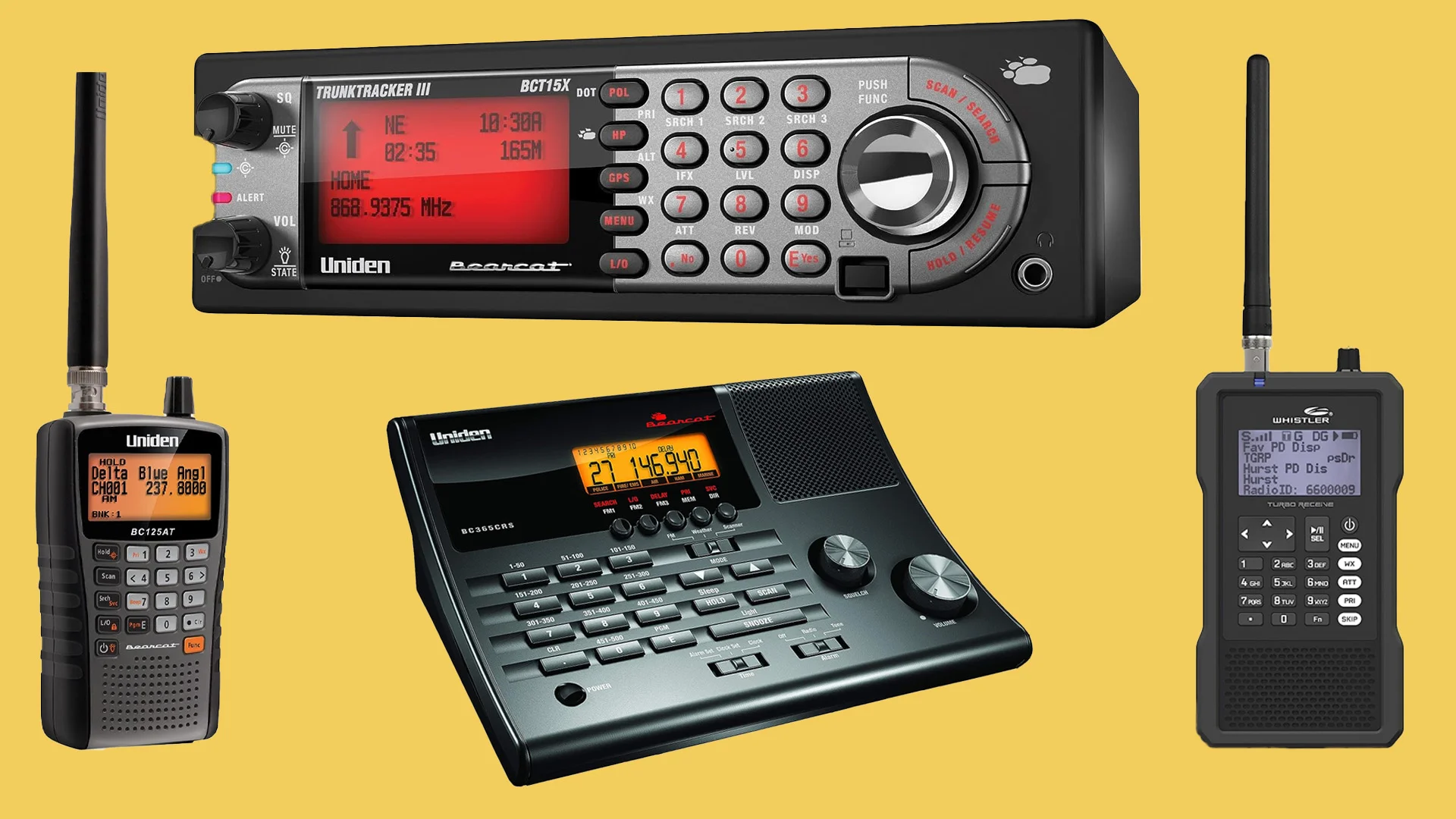
| Desktop Scanner Radio | Digital trunk-tracking scanner (e.g., Uniden, Whistler) | $300 - $600 | High reliability; independent of internet outages | Moderate to High (Programming required) |
| Software-Defined Radio (SDR) | RTL-SDR USB dongle, antenna, computer running SDR software | $35 - $100 | Low portability; stationary setup | High (Advanced software configuration) |
Setting Up Mobile and Web-Based Listening Tools
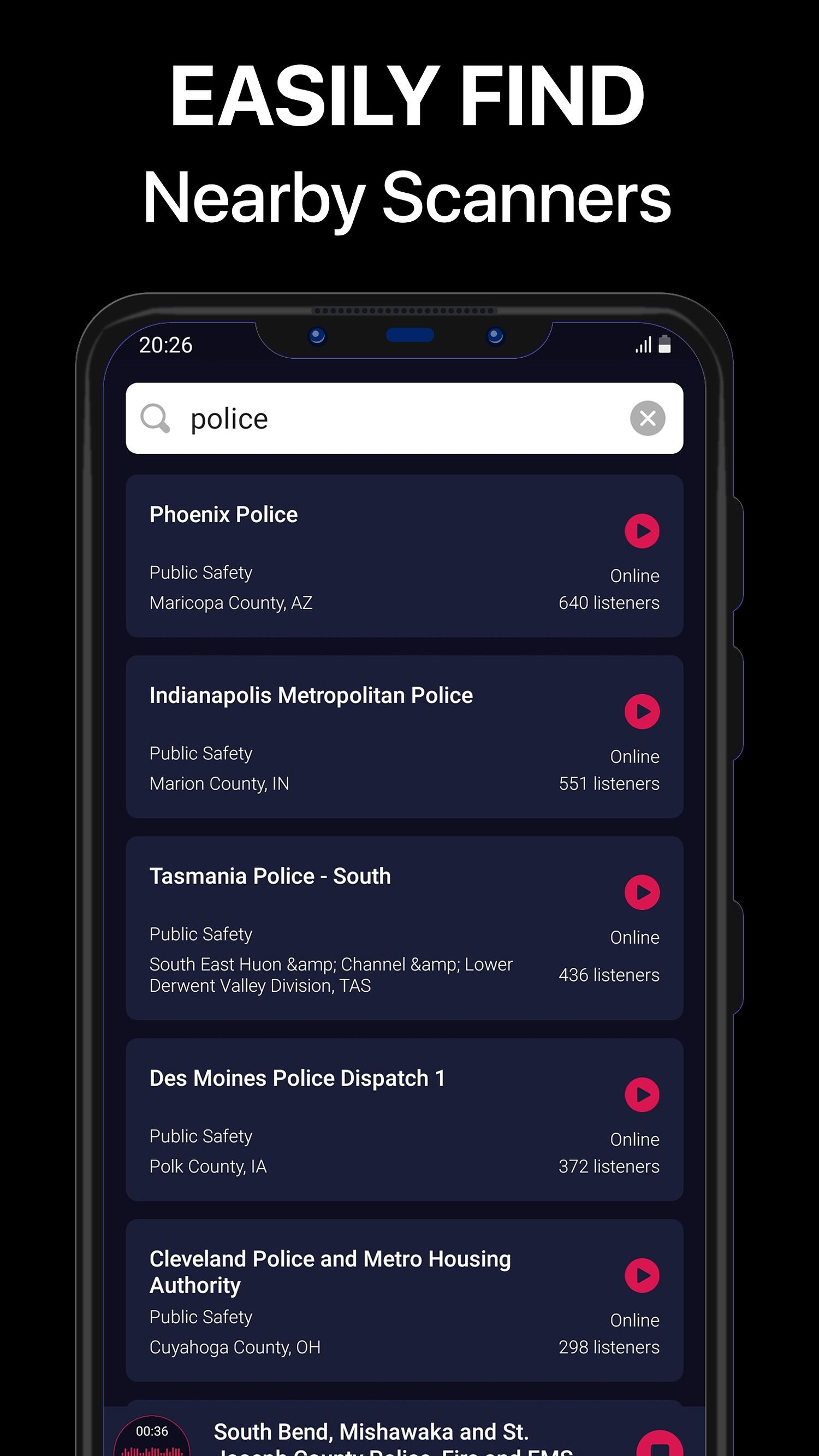
For the average resident seeking situational awareness during severe weather, traffic accidents on Interstate 295, or major police activity nearby, software applications offer the fastest entry point. Platforms like Broadcastify host feeds contributed by local volunteers who maintain dedicated scanner radios connected to computers streaming the audio to the cloud.
- Download a reputable scanner application from your device's app store or navigate directly to a web-based audio streaming directory.
- Search for Virginia, select Henrico County, and choose the specific feed matching your area of interest (e.g., Henrico County Police and Fire).
- Adjust buffer settings if you experience audio dropouts, noting that streaming feeds typically feature a 15-to-30-second broadcast delay compared to live radio transmissions.
- Configure notification alerts within the app to notify you when listener counts spike, which frequently correlates with major breaking news events in the county.
Legal and Operational Realities of Monitoring Public Safety Radio
Before setting up a scanner in Virginia, it is vital to understand the legal framework governing the interception of radio communications. Federal and state laws establish clear boundaries regarding what is permissible for private citizens.
In the Commonwealth of Virginia, owning and operating a police scanner is legal for home use and mobile monitoring, provided specific restrictions are respected. Under Virginia law, it is illegal to install and operate a police scanner within a motor vehicle in a manner that allows the driver to intercept police communications for the purpose of committing a crime, fleeing law enforcement, or interfering with public safety operations.
Furthermore, federal law under the Electronic Communications Privacy Act prohibits the interception and intentional disclosure of encrypted or cellular communications, though traditional public safety analog and unencrypted digital trunked transmissions remain open for public reception.
Operational Compliance Note Respect Privacy and Scene Integrity: Never use information gathered from a police scanner to respond to an active emergency scene, approach police perimeters, or interfere with first responders. Doing so jeopardizes public safety operations and may violate local obstruction ordinances.
Pros and Cons of Digital vs. Traditional Scanner Monitoring
Evaluating the shift toward modern digital monitoring options highlights distinct trade-offs between convenience and absolute reliability during critical incidents.
- Pros of Streaming Apps: Zero upfront hardware cost, instant access via everyday mobile devices, ability to listen across multiple jurisdictions without reprogramming frequencies, and community chat features on select platforms.
- Cons of Streaming Apps: Vulnerable to internet outages, cellular dead zones, server congestion during major regional emergencies, and audio latency that delays real-time tactical awareness.
- Pros of Dedicated Hardware Scanners: Operates independently of internet service providers and cellular towers, provides instantaneous audio without buffering delays, and allows full customization of priority channels.
- Cons of Dedicated Hardware Scanners: High initial equipment cost, steep learning curve required to program complex trunking systems, and stationary design limits use outside the home.
Frequently Asked Questions About Henrico County Police Scanners
Can I listen to Henrico County police scanner feeds for free?
Yes, multiple online platforms and mobile applications provide free access to community-contributed audio streams of Henrico County police and fire dispatch channels. These platforms are typically supported by advertisements or optional premium subscriptions that remove ads and unlock extended audio archiving features.
Are all Henrico County police communications available to the public?
No, while primary dispatch channels remain unencrypted and accessible, tactical operations, specialized investigative units, and specific inter-agency task forces utilize encrypted talkgroups to maintain operational security. These encrypted channels cannot be decoded by standard consumer scanners or public streaming feeds.
Why is there a delay between real-time radio traffic and online scanner streams?
Online streaming feeds rely on local hardware receivers that capture the radio signal, encode the audio, and upload the data stream to cloud servers over the internet. This encoding and transmission process introduces an inherent latency ranging from 15 to 45 seconds compared to a physical radio receiver sitting in the same room.
Is it legal to have a police scanner in my car in Virginia?
In Virginia, possessing a scanner in a vehicle is generally legal for personal informational use. However, using a mobile scanner or intercepting police communications to facilitate illegal activity, evade law enforcement, or interfere with emergency response operations is strictly prohibited and carries severe legal penalties.
What should I do if a scanner feed goes offline during an emergency?
If a community-hosted online feed drops offline during a major incident, it is usually due to local power outages, internet disruptions, or high server traffic loads. Users relying on digital apps during severe weather should maintain alternative information sources, such as local emergency management alerts and official county communication channels.
Conclusion and Next Steps for Staying Informed
Staying informed about public safety and community events in Henrico County requires balancing reliable technology with responsible monitoring habits. Whether you choose a simple smartphone application for casual situational awareness or invest in a dedicated digital radio receiver for uninterrupted monitoring, understanding the local frequency structure and legal guidelines ensures an optimal experience. For the most accurate and timely updates during critical incidents, always cross-reference scanner observations with official statements released by the Henrico County Police Division and local emergency management authorities.