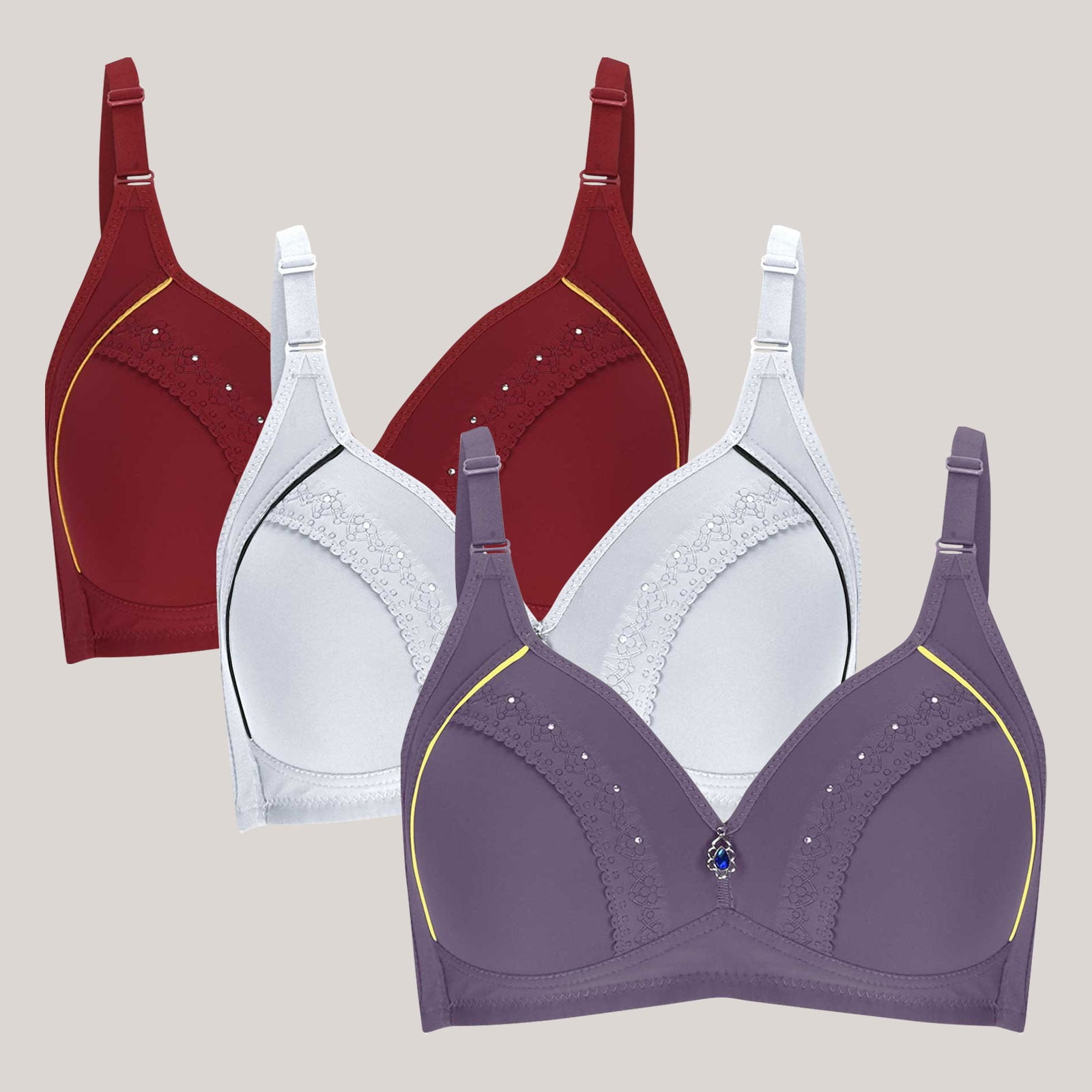
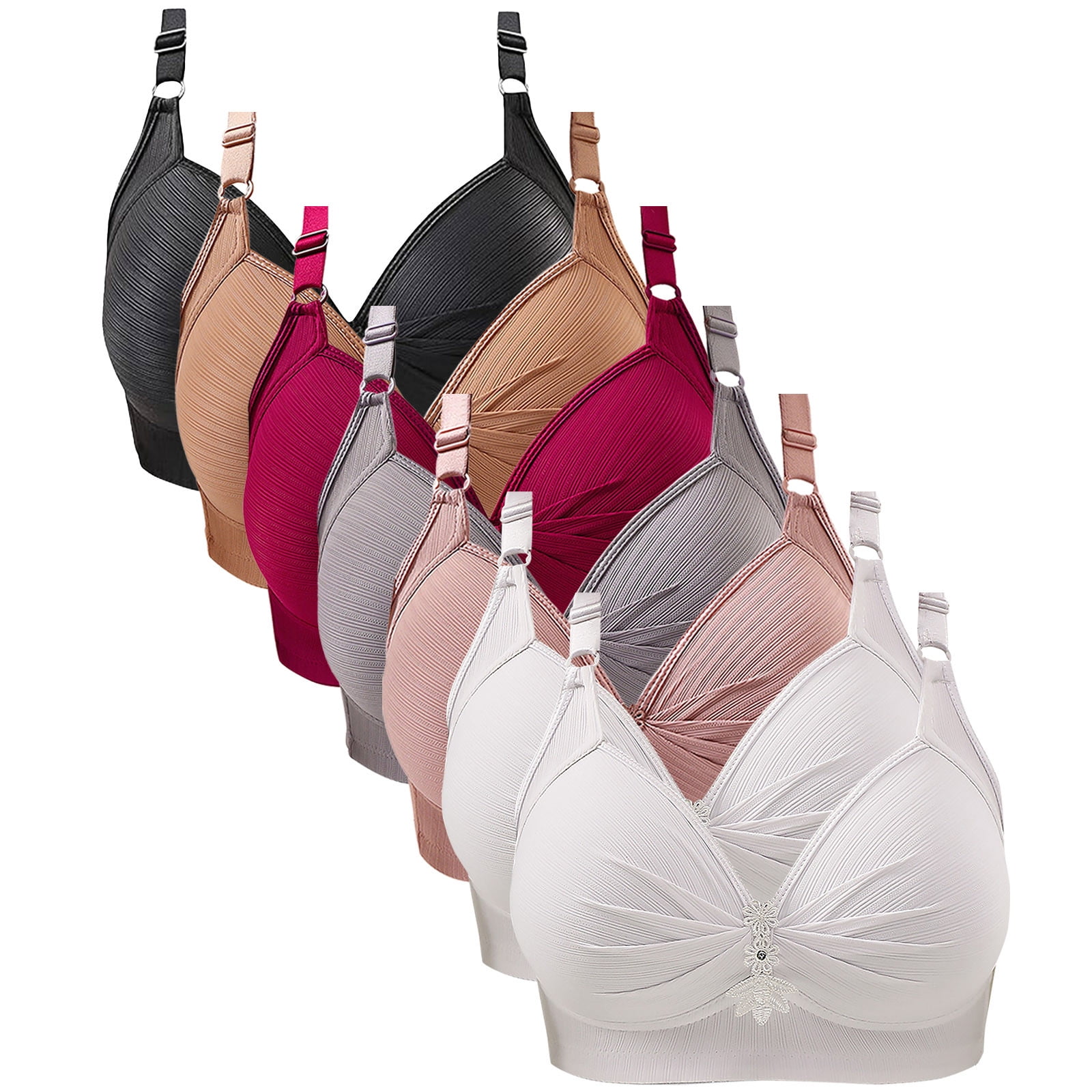
Shopping for supportive undergarments in extended sizes often involves navigating a complex market where price and availability do not always align. Current options for plus size affordable bras span specialized direct-to-consumer labels, mass-market retailers, and budget-friendly department stores, generally ranging from $15 to $50 per piece. Understanding the intersection of sizing structures, structural support elements, and actual market pricing helps shoppers secure proper fit and quality without overspending.
Understanding the Landscape of Extended-Size Intimates
The market for extended-size foundations has undergone significant shifts, moving away from the limited options historically found in department store basements. Today, brands recognize that larger bands and fuller cups require distinct engineering, such as wider straps, reinforced power mesh bands, and multi-part cups that distribute weight evenly. However, finding these features at an accessible price point requires distinguishing between marketing claims and actual construction quality.
Affordable plus-size bras typically fall into a price band between $15 and $40. Within this bracket, shoppers can find both daily t-shirt styles and more structured wire-free options. The primary challenge lies in the fact that many mainstream brands label themselves as "inclusive" while stopping their band sizes at a 42 or 44, or limiting cup sizes to a DDD. True plus-size specialty brands and forward-thinking retailers extend band sizes up to a 52 or 54, and cup sizes up to an M or N, while maintaining budget-friendly price points through efficient manufacturing and direct-to-consumer models.
Evaluating Key Brands and Price Points
Navigating the market requires a clear breakdown of which brands offer genuine extended sizing alongside accessible pricing. Budget-friendly options generally divide into mass-market retailers, specialty bra brands, and fast-fashion outlets, each with distinct pricing and sizing parameters.
Mass-market retailers like Target (via brands like Auden) and Walmart provide everyday options starting around $14 to $22, accommodating band sizes up to 46 and cups up to G in select styles. While these choices offer immediate accessibility and low cost, their hardware and elastic may degrade faster with frequent wear compared to specialized alternatives.
Specialized direct-to-consumer brands and dedicated online retailers often bridge the gap between premium engineering and affordability. Brands such as Torrid and Lane Bryant specialize exclusively in plus-size apparel, offering bras engineered specifically for fuller figures with prices typically ranging from $35 to $65, though frequent promotional sales reduce these costs significantly. Their sizing usually starts at a 38C and extends well into K cups and 54 bands.
Meanwhile, international online marketplaces and specialized budget brands like Curvy Kate or Bravissimo offer tiered pricing where basic styles remain accessible, though shipping and return policies require careful review. To help compare current market offerings, the following table outlines representative brands, their typical price ranges, and size availability:
| Brand / Retailer | Typical Price Range | Band Size Range | Maximum Cup Size | Primary Construction Focus |
|---|---|---|---|---|
| Auden (Target) | $15 – $25 | 34 – 46 | DDD / G | Everyday comfort, seamless t-shirt styles |
| Torrid | $35 – $65 | 36 – 54 | K / L | Structured underwire, multi-part cups, wide straps |
| Lane Bryant (Cacique) | $40 – $70 | 36 – 54 | M | Proprietary cushion straps, smoothing back panels |
| Amazon Essentials / Various | $18 – $30 | 36 – 50 | G | Basic wire-free and minimal-support daily wear |
| Elomi (Budget retailers) | $45 – $75 | 36 – 46 | K | Full-cup encapsulation, side-support panels |
Key Construction Features to Look For in Budget Plus-Size Bras
When purchasing affordable undergarments, identifying structural integrity prevents premature wear and ensures adequate physical support. A lower price point should not mean compromising on essential architectural elements that keep fuller busts comfortable throughout the day.
First, examine the band construction. The band provides approximately 80 percent of a bra's support, making its composition vital. In plus-size options, look for double-layered power mesh or firm microfiber wings that resist rolling and stretching out prematurely. Triple or quadruple hook-and-eye closures distribute tension more evenly across the back than standard double hooks.
Second, evaluate the straps and underwire casing. Wide, cushioned straps prevent painful digging into the shoulders, especially for cup sizes G and above. For underwire styles, check that the channeling is stitched with heavy-duty thread and includes a comfort tip or flannel backing to prevent the wire from poking through the fabric after repeated laundering. Wire-free options should feature reinforced under-bust bands that anchor the chest without relying solely on vertical tension.
Common Pitfalls When Shopping for Affordable Extended Sizes
Purchasing budget-friendly intimates often exposes buyers to specific retail traps that compromise both fit and value. Recognizing these common mistakes prevents wasted expenditure on garments that fail to perform.
The most frequent error is relying entirely on outdated sizing methods, such as the antiquated plus-four measurement rule. Many budget brands utilize non-standard sizing charts or vanity sizing, making it essential to consult each specific brand's current measurement guide rather than assuming consistency across retailers.
Another pitfall involves ignoring return policies on sale or clearance items. Because fit is highly individual—particularly in extended sizes where projection, root width, and tissue distribution vary wildly—buying non-returnable budget bras can lead to financial loss if the fit is incorrect. Furthermore, prioritizing ultra-low prices over fabric composition often results in synthetic blends that trap heat, lose elasticity within a few weeks, and cause skin irritation.
Maximizing Value and Longevity of Budget Intimates
Extending the lifespan of affordable bras minimizes the frequency of replacement, directly improving long-term value. Proper care routines significantly alter how long a budget-friendly garment maintains its structural integrity and elasticity.
Hand washing in cold water with mild detergent is the gold standard for preserving delicate elastics and underwire casings. When hand washing is impractical, placing bras in structured mesh laundry bags and running them on a gentle, cold cycle prevents stretching and tangling. Never place extended-size bras in a mechanical tumble dryer; high heat degrades spandex and elastane fibers rapidly, causing the band to lose its supportive tension. Air drying flat or hanging by the center gore—never by the straps, which stretches them out—preserves the garment's shape and performance.
Frequently Asked Questions About Affordable Plus-Size Bras
What is the average price range for a quality plus-size bra?
Quality plus-size bras typically range from $25 to $60. While ultra-budget options under $20 exist, garments priced between $30 and $50 usually offer the best balance of reinforced structural support, durable elastics, and extended band-and-cup combinations.
Do affordable plus-size bras offer proper support for DD cups and above?
Yes, many budget-friendly brands engineer styles specifically for fuller busts using multi-part cups, wider side wings, and reinforced straps. However, shoppers must look beyond basic sizing to verify that the brand utilizes supportive construction techniques rather than simply scaling up smaller designs.
How often should budget bras be replaced?
Affordable bras typically maintain their optimal elasticity and support for six to nine months with regular rotation. Because budget materials may fatigue faster than luxury fabrics, monitoring signs like band slippage, strap slackness, or poking wires indicates when replacement is necessary.
Can I find wireless bras in extended sizes that provide real support?
Many brands offer robust wire-free options utilizing engineered under-bust bands, strategic darting, and molded cups. While they may not provide the same separated lift as underwire styles, modern wire-free designs distribute weight effectively for daily comfort.
Why do some affordable bras stretch out so quickly?
Lower-priced garments often use lower percentages of spandex or elastane, relying instead on lower-grade polyester that loses memory retention rapidly. Machine drying with heat also destroys elastic fibers, causing the band to slacken prematurely.
Selecting Your Best Option
To make an informed purchase, start by taking precise under-bust and bust measurements using a flexible tape measure, then cross-reference those numbers with the specific brand's sizing chart rather than a generic standard. Prioritize brands that offer free or low-cost returns so you can test fit and construction quality at home before committing to multiple units of the same style.