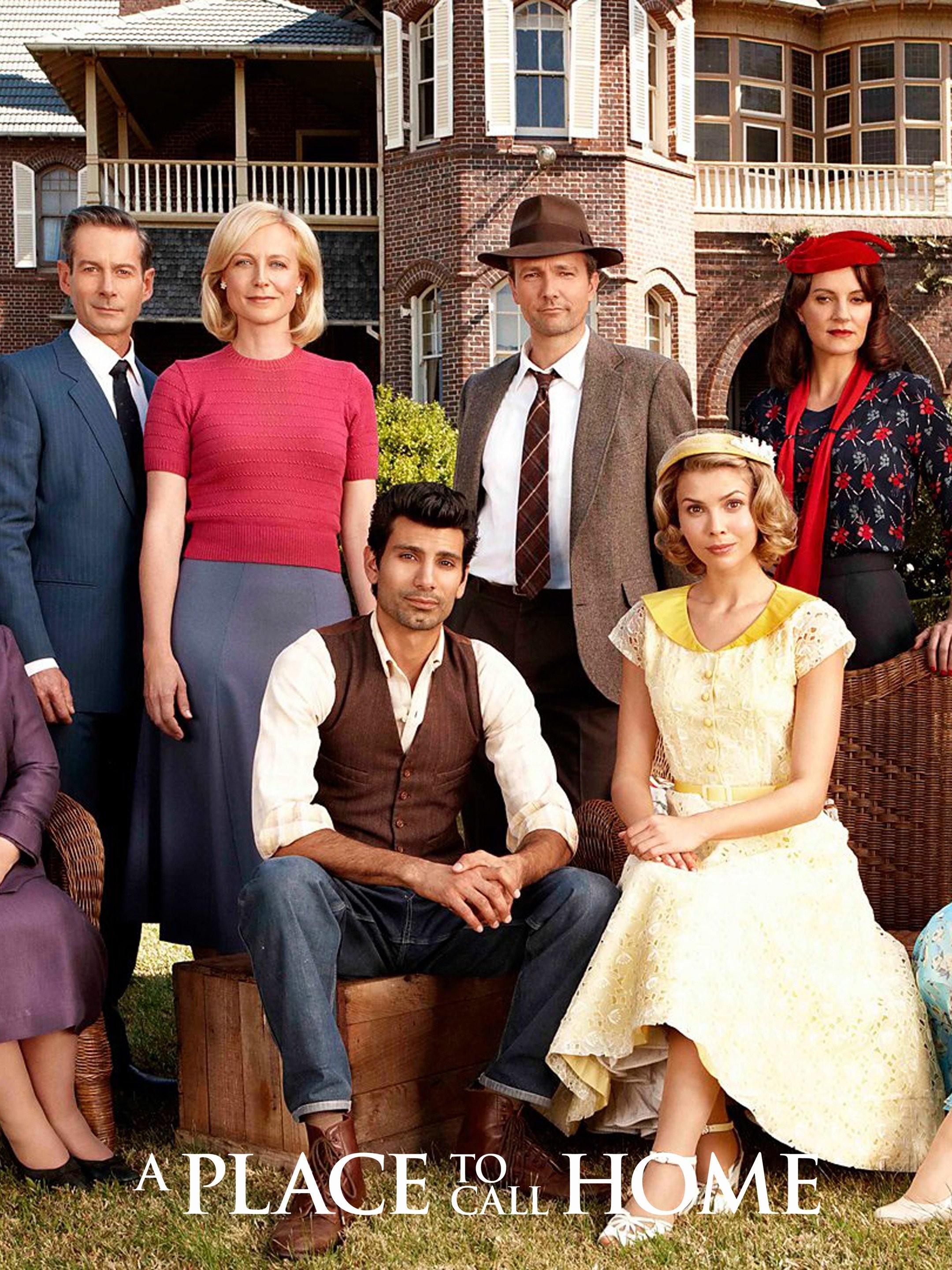
A Place to Call Home is an acclaimed Australian period drama television series created by Bevan Lee, spanning six seasons and 67 episodes produced between 2013 and 2018. Set in post-World War II rural New South Wales, the narrative follows nurse Sarah Adams as she navigates class prejudice, deeply held family secrets, and romantic tension surrounding the wealthy Bligh family at the Ash Park estate.
Overview and Historical Context of A Place to Call Home
A Place to Call Home stands as one of Australia’s most celebrated television period dramas. While the phrase "a place to call home" is frequently used across public housing programs and social welfare initiatives worldwide, within global television and popular culture, it refers specifically to the landmark series produced by Seven Productions and Seven Productions in association with Foxtel.
The narrative commences in 1953, a pivotal year in mid-twentieth-century Australian history. The country was shedding its wartime austerity while grappling with significant social transformation, including massive waves of European migration, shifting gender roles, and the lingering trauma of World War II.
- 1953: Sarah Adams Returns to Australia
- Inverness & Ash Park Estate
- Conflict with Matriarch Elizabeth Bligh
- Inverness & Ash Park Estate
- 1953–1959: Social Reform, Secrets, & Family Legacy
The fictional regional town of Inverness and the grand country estate of Ash Park serve as the primary backdrops. Through these settings, the series explores the stark contrast between traditional rural landed gentry and those rebuilding their lives after global conflict. The central protagonist, Sarah Adams (played by Marta Dusseldorp), returns to Australia after spending twenty years in Europe. Having converted to Judaism during the war and survived the horrors of Ravensbrück concentration camp, Sarah brings a severe, grounded perspective to a society that often prefers silence and conformity over difficult truths.
Primary Cast and Character Dynamics
The narrative architecture of A Place to Call Home relies on an ensemble cast representing conflicting political, social, and economic interests in 1950s Australia.
- Elizabeth Bligh (Matriarch)
- George Bligh (Heir to Ash Park)
- James Bligh (Son & Secret Heir)
- Anna Bligh (Rebellious Daughter)
- Carolyn Bligh (Estranged Daughter)
- George Bligh (Heir to Ash Park)
Sarah Adams (Marta Dusseldorp)
A skilled, compassionate, yet guarded nurse who returns to Australia following her husband Rene's presumed death in Europe. Her modern medical knowledge and pragmatic approach repeatedly clash with traditional rural attitudes, while her growing romantic connection to George Bligh drives much of the series' central conflict.
Elizabeth Bligh (Noni Hazlehurst)
The formidable matriarch of the Bligh dynasty at Ash Park. Driven by a fierce dedication to family lineage and social standing, Elizabeth initially views Sarah as a threat to her family’s reputational stability. Over the course of the six seasons, Elizabeth undergoes one of the most complex character transformations on Australian television, evolving from an unyielding traditionalist into a pragmatic defender of her family's genuine happiness.
George Bligh (Brett Climo)
The dutiful, widowed son of Elizabeth and heir to the Ash Park estate. George represents the conscience of the landed class—honorable and well-meaning, yet frequently torn between his duty to his mother’s conservative expectations and his deep love for Sarah Adams.
James Bligh (David Berry)
George’s son, who carries the burden of societal expectations alongside his suppressed homosexuality. James’s journey provides an unvarnished examination of the criminalization, medical abuse, and social ostracization faced by gay men in 1950s Australia.
Anna Bligh (Abby Earl)
George’s spirited daughter, an aspiring novelist who rejects the rigid expectations of high society. Her romance with Gino Poletti, an Italian immigrant farmer, introduces themes of sectarian friction and post-war immigrant integration.
Supporting Ensemble
- Dr. Jack Duncan (Craig Hall): The local doctor at Inverness Hospital whose painful wartime experiences in a Japanese prisoner-of-war camp mirror Sarah's trauma.
- Roy Briggs (Frankie J. Holden): A plain-spoken local farmer who becomes Sarah’s steadfast friend and ally.
- Sir Richard Bennett (Mark Lee): A ruthless media tycoon who serves as the primary antagonist in later seasons, using blackmail and political influence to manipulate the Bligh family.
Season-by-Season Narrative Progression
- Season 1 (1953) [Arrival]
- Season 2 (1953–54) [Secrets & Drama]
- Season 3 (1954) [Rebuilding]
- Season 4 (1954) [Political Clashes]
- Season 5 (1958) [Modernization]
- Season 6 (1959) [Resolution]
Season 1 (2013)
The debut season introduces Sarah Adams returning to Australia aboard an ocean liner, where she saves the life of James Bligh and meets his father, George. Settling in Inverness as a local nurse, Sarah faces hostility from Elizabeth Bligh. The season establishes the underlying secrets of Ash Park, including hidden parentage and clandestine affairs.
Season 2 (2014)
Season 2 deepens the dramatic stakes as Sarah's past catches up with her: her husband Rene Nordmann is revealed to be alive, though suffering severe brain damage from wartime torture. Meanwhile, James undergoes traumatic conversion therapy. The original broadcast of Season 2 ended on a ambiguous note due to production uncertainty, but an alternate ending was created when the show transferred networks.
Season 3 (2015)
Following the series' acquisition by Foxtel, Season 3 picked up the narrative with heightened production values and mature storytelling. Sarah deals with the arrival of Rene in Inverness, while George faces political pressure and romantic dilemmas. The rivalry between the Bligh family and Sir Richard Bennett escalates significantly.
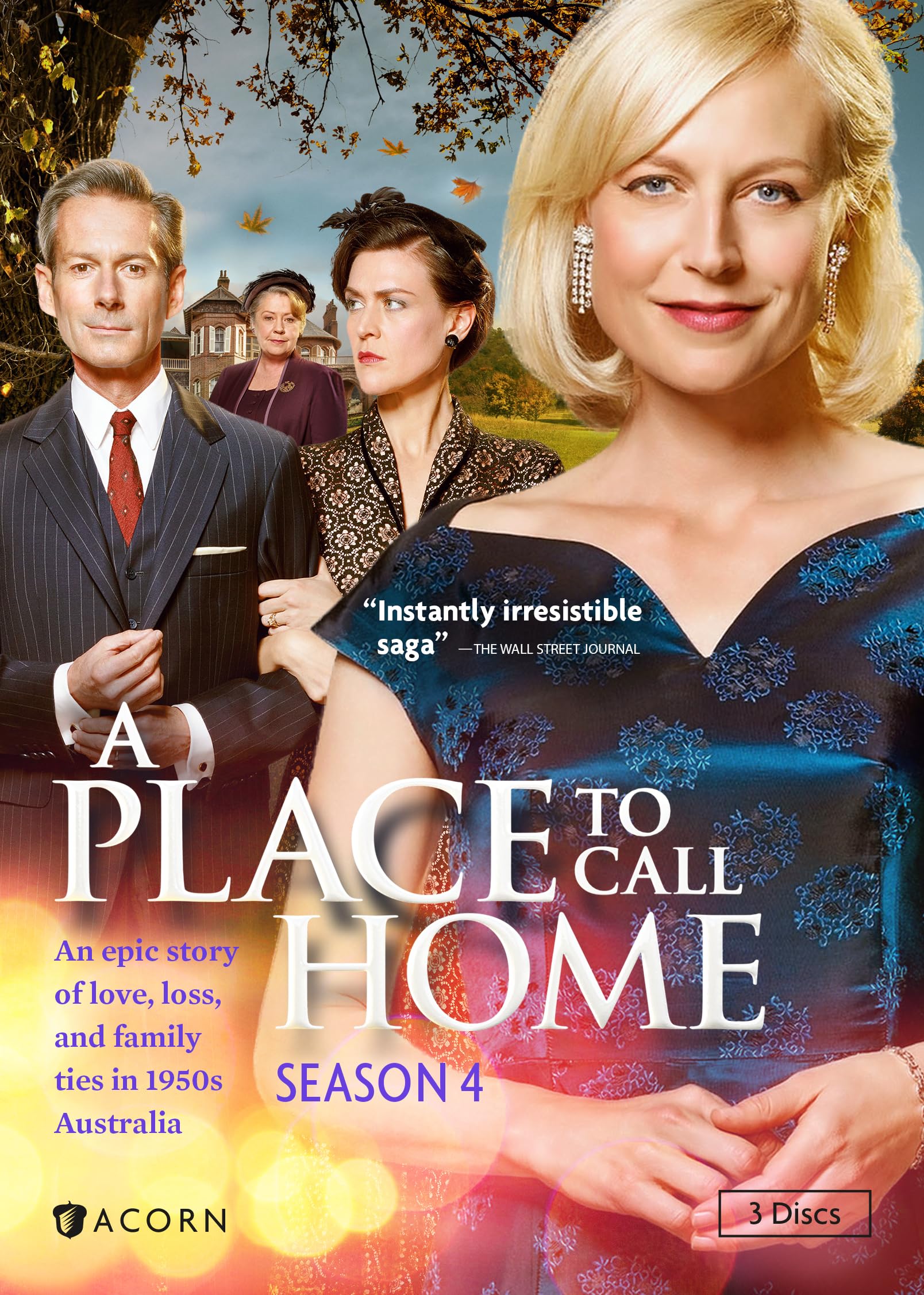
Season 4 (2016)
Set against the backdrop of mid-1950s political corruption and changing social moralities, Season 4 focuses on Sir Richard Bennett's systematic attempts to ruin the Bligh family. The season addresses issues of police corruption, illegal abortion, and social justice within regional health services.
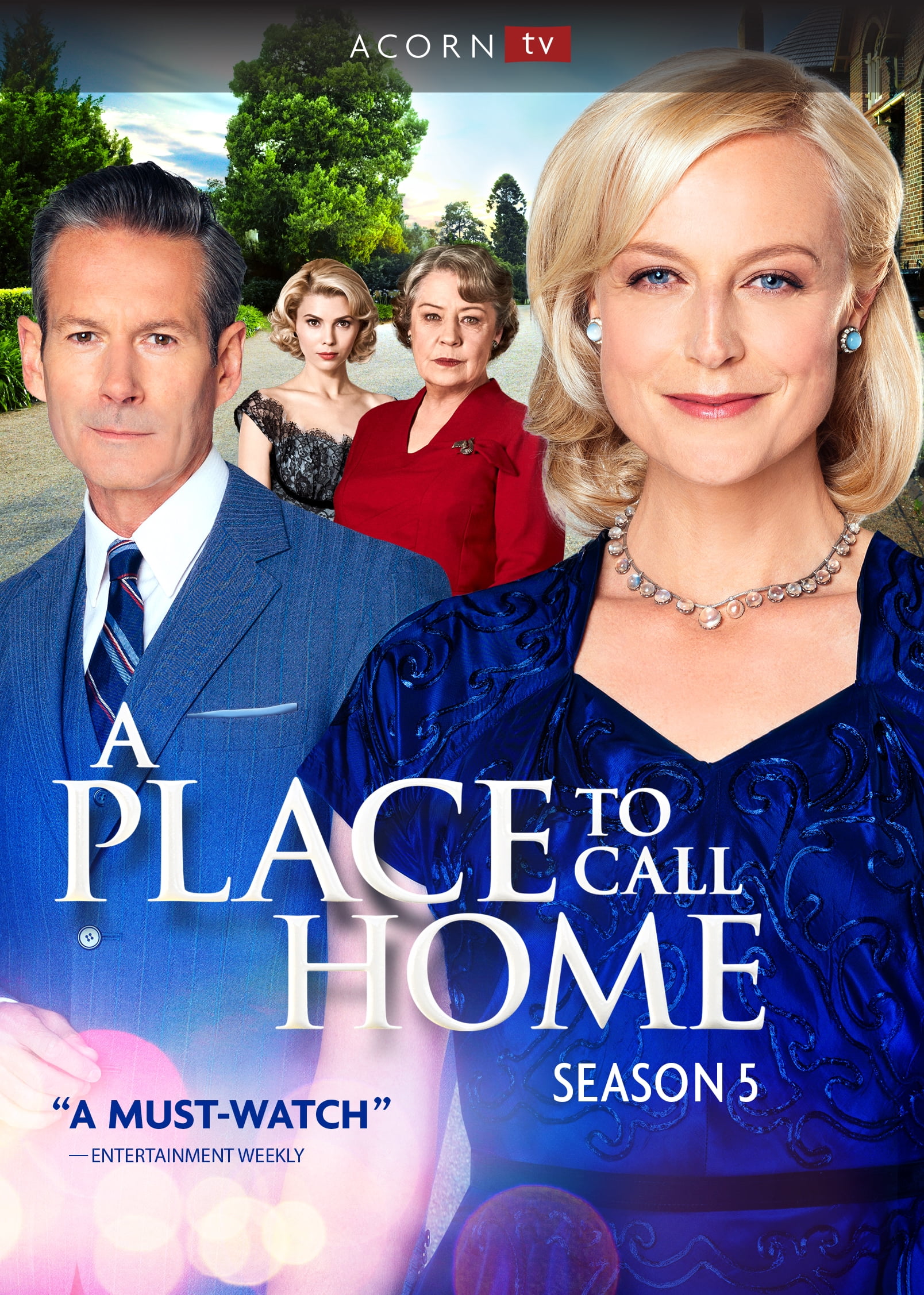
Season 5 (2017)
Season 5 advances the timeline to 1958, highlighting the rapid cultural shifts of the late 1950s. The younger generation pushes against rigid social boundaries, while Elizabeth Bligh embraces progressive reforms. Sarah and George work to solidify their relationship despite persistent external threats.
Season 6 (2018)
The final season brings the series to a conclusion in 1959. Resolving character arcs across all generations, Season 6 emphasizes forgiveness, personal legacy, and redemption. Sarah, Elizabeth, and George face final reckonings that establish a forward-looking future for Ash Park and the town of Inverness.
Comparative Overview of Seasons
The table below outlines the structural and thematic breakdown across all six seasons of A Place to Call Home:
| Season | Original Airing | Episodes | Primary Historical Year | Core Narrative Focus |
|---|---|---|---|---|
| Season 1 | 2013 | 13 | 1953 | Sarah's arrival in Inverness; establishment of Ash Park secrets and class conflict. |
| Season 2 | 2014 | 10 | 1953–1954 | Reveal of Rene's survival; James's medical trauma; network shift transition point. |
| Season 3 | 2015 | 10 | 1954 | Rescued production; post-war trauma resolution and Sir Richard Bennett's arrival. |
| Season 4 | 2016 | 12 | 1954 | Political blackmail, societal corruption, and struggles over Inverness Hospital control. |
| Season 5 | 2017 | 10 | 1958 | Four-year time jump; changing cultural norms, youth rebellion, and economic shifts. |
| Season 6 | 2018 | 12 | 1959 | Final resolutions; themes of reconciliation, redemption, and legacy entering the 1960s. |
Major Social and Historical Themes
Unlike standard melodramas, A Place to Call Home incorporates researched historical context into its personal narratives, addressing topics that were historically taboo on mainstream broadcast television.
- Key Themes in A Place to Call Home
- Post-Holocaust Trauma
- LGBTQ+ Rights & Repression
- Sectarianism & Immigration
- Medical Ethics & Women's Care
Post-Holocaust Trauma and Antisemitism
Sarah Adams’s identity as a Australian woman who converted to Judaism and survived concentration camps brings Holocaust remembrance directly into 1950s rural Australia. The show highlights both overt bigotry and institutional anti-Semitism present in mid-century Australian society.
LGBTQ+ Rights and Repression
Through the characters of James Bligh and physician Henry Fox, the series examines the harsh legal, medical, and psychological persecution of gay men during the era. It depicts conversion therapy practices of the 1950s with factual severity, highlighting the psychological toll of state-sanctioned homophobia.
Sectarianism and Immigrant Integration
The arrival of Southern European immigrants in post-war Australia is depicted through the Poletti family. The series illustrates the prejudice, linguistic isolation, and religious tensions experienced by new migrants working in rural agriculture.
Medical Ethics and Women's Healthcare
As a practicing nurse, Sarah Adams works at the intersection of medical advancement and traditional ethics. The series deals realistically with illegal abortion, domestic abuse, psychiatric treatment methods, and the struggle for women’s reproductive autonomy.
Production History and Distribution Transition
The production history of A Place to Call Home is notable in Australian television history due to its cancellation and subsequent fan-driven revival.
- 2013: Premieres on Seven Network — High ratings for Season 1
- 2014: Seven Network Cancels Show — Shock cancellation post-Season 2
- 2014: Foxtel Rescues Series — Foxtel acquires rights for Showcase
- 2015–2018: Seasons 3–6 — Global success via Passion Distribution & Acorn TV
Created by Bevan Lee—known for successful series such as Packed to the Rafters and Always Greener—the show premiered on the free-to-air Seven Network in April 2013, drawing over 1.5 million viewers per episode. Despite strong ratings, Seven Network announced its cancellation in June 2014 following Season 2, citing demographic targets and high production costs.
The cancellation met with strong backlash from viewers. Recognizing the show's dedicated audience, pay-TV provider Foxtel reached an unprecedented agreement with Seven Productions. Foxtel commissioned third and fourth seasons for its Showcase channel, later extending the contract through Season 6. International distribution was handled by Passion Distribution and RLJ Entertainment’s streaming platform Acorn TV, turning the Australian period piece into a international hit across North America, Europe, and the United Kingdom.
Where and How to Watch A Place to Call Home
For viewers seeking to watch all six seasons of A Place to Call Home, viewing options vary depending on location:
Streaming Platforms
- North America (US & Canada): Available in full on Acorn TV, as well as through the Acorn TV add-on channel on Amazon Prime Video and Apple TV.
- Australia: Available for streaming via BINGE and Foxtel Now, with occasional re-broadcasts on drama channels.
- United Kingdom: Accessible via Acorn TV UK and select digital purchase platforms such as Amazon Video and Google TV.
Physical Media
The complete series is available on DVD and Blu-ray box sets. Viewers purchasing physical media should note that Season 2 DVD releases often include both the original broadcast finale (created when cancellation seemed final) and the modified "extended/alternate" finale created to bridge the narrative into Season 3 on Foxtel.
Frequently Asked Questions
Is A Place to Call Home based on a true story?
No, A Place to Call Home is a fictional drama created by writer Bevan Lee. However, the background history, social conditions, medical practices, and historical events depicted in the series are based on historical research into 1950s Australia.
Where was A Place to Call Home filmed?
The exterior of the Ash Park estate was filmed at Camelot, a historic heritage-listed Victorian Gothic mansion located in Kirkham, near Camden in New South Wales. Other exterior scenes representing the town of Inverness were shot in the historic rural towns of Wollombi and Camelot's surrounding Macarthur region.
Why was Season 2 ending changed?
When Seven Network initially cancelled the series in 2014, the production team shot a conclusive finale for Season 2 to wrap up major storylines quickly. When Foxtel acquired the series to continue it for four more seasons, an alternate finale was produced and aired to maintain story continuity heading into Season 3.
How many seasons of A Place to Call Home are there?
There are six complete seasons comprising 67 total episodes. The series officially concluded its narrative run in October 2018 with a planned series finale.
Did Marta Dusseldorp actually speak Hebrew and German in the show?
Yes, actress Marta Dusseldorp underwent extensive language training with voice coaches to accurately pronounce the German, Yiddish, and Hebrew dialogue required for Sarah Adams's backstory and religious observances.
Recommended Viewing Strategy for New Viewers
To fully appreciate the narrative arc and historical detail of A Place to Call Home, viewers should keep several practical recommendations in mind:
- Watch Season 2 with Continuity: Ensure your platform streams the revised Foxtel version of the Season 2 finale (often labeled as the "Uncut" or "Alternate" version) before proceeding to Season 3. This avoids narrative discrepancies regarding George Bligh and Sarah Adams's fates.
- Pay Attention to Historical Markers: Take note of real-world historical context referenced throughout the show, such as the 1954 Royal Tour of Queen Elizabeth II, Petrov Affair political tension, and the post-war European refugee crisis in Australia.
- Explore Related Australian Period Dramas: Viewers who appreciate the historical production standards of A Place to Call Home may also find interest in related Australian historical productions such as The Secret River, Anzac Girls, or Miss Fisher's Murder Mysteries.