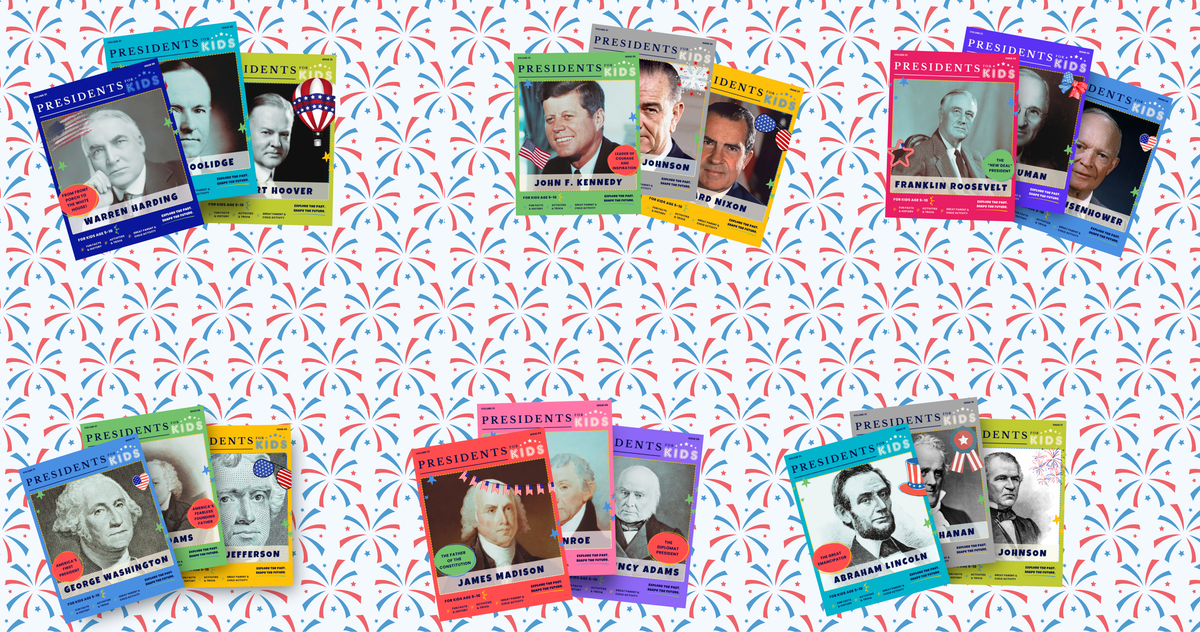
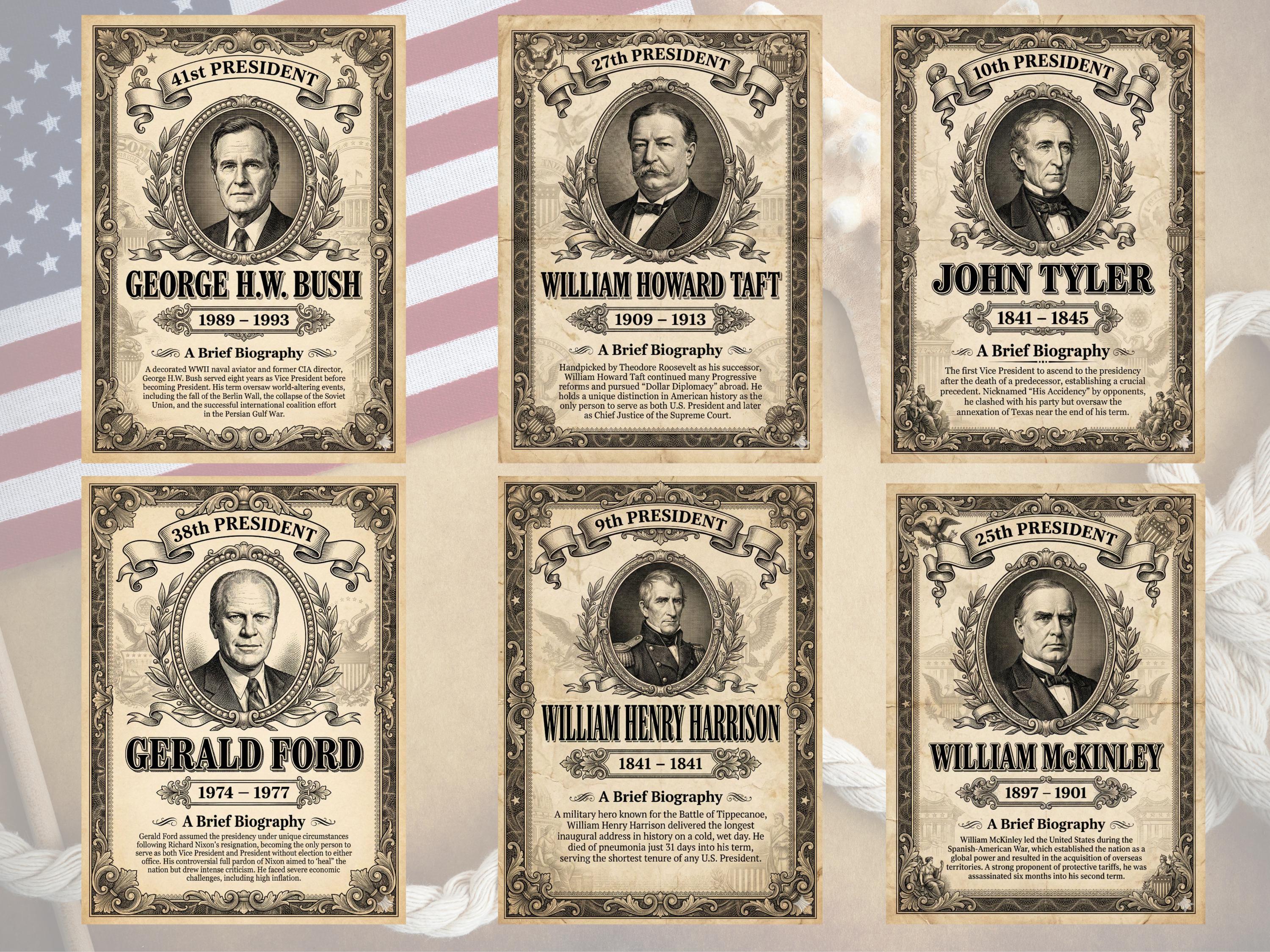
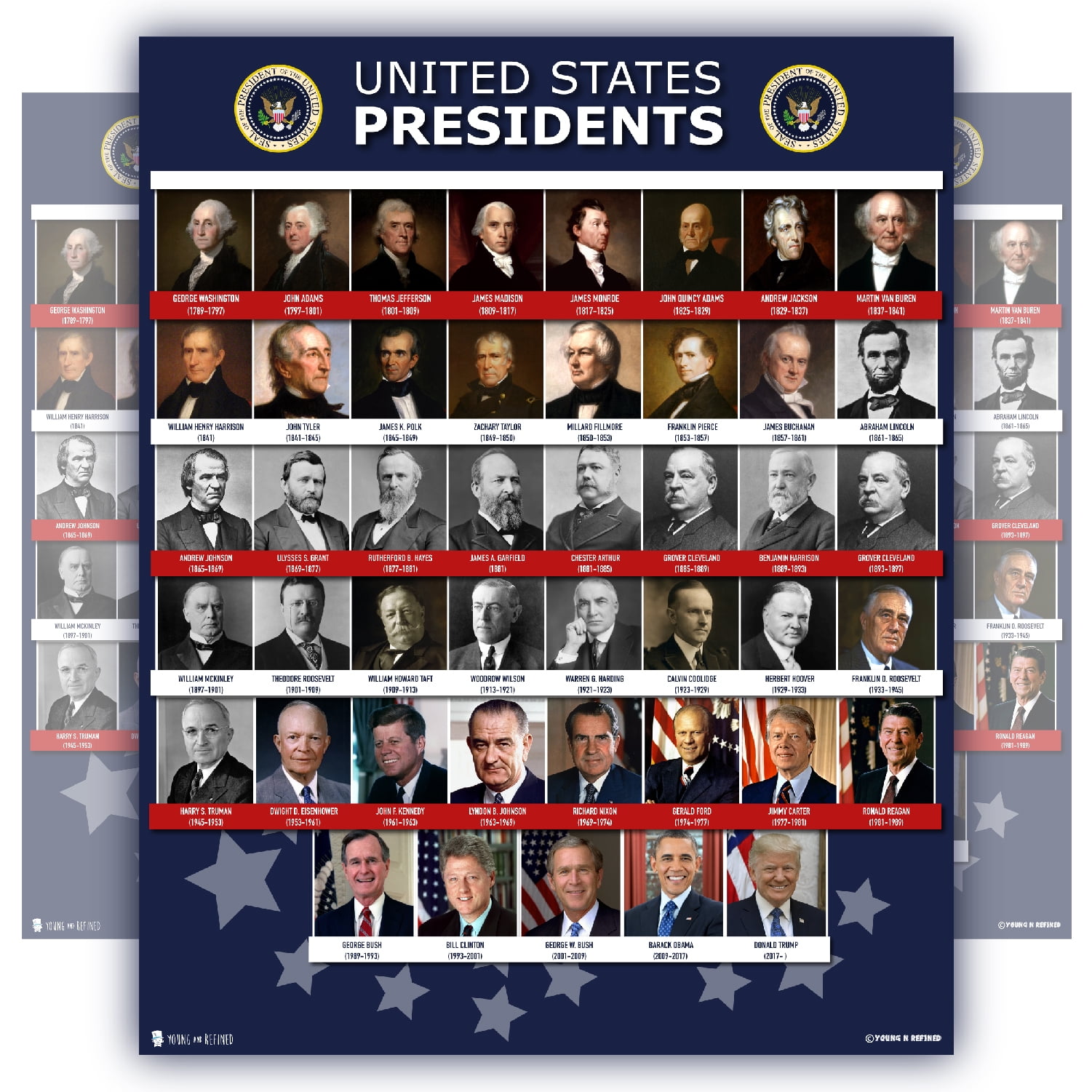
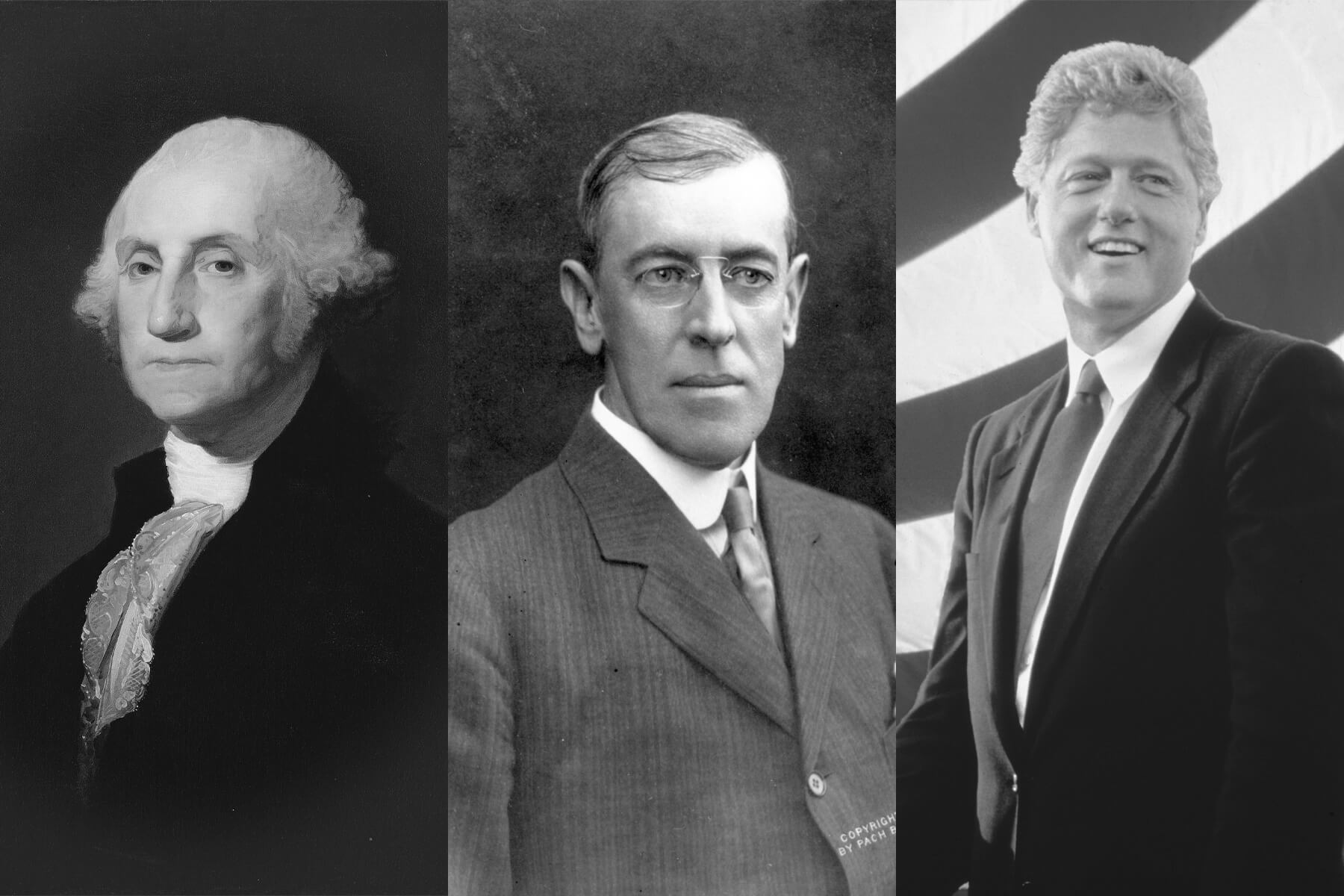
A complete visual history of U.S. presidents spans 45 individual leaders across 47 presidencies, documented through oil paintings, daguerreotypes, film photography, and digital portraiture. Accessible primarily through the Smithsonian National Portrait Gallery, the Library of Congress, and the White House Historical Association, these official images record American political history, artistic movements, and evolving visual media from 1789 to the present day.
The Artistic and Technological Shift in Presidential Portraiture
The visual record of the Presidency of the United States serves as both a political archive and a index of American visual technology. When George Washington took office in 1789, fine art painting was the sole medium capable of recording a leader’s likeness for posterity. Artists like Gilbert Stuart, Charles Willson Peale, and Rembrandt Peale created idealizations of republican leadership, borrowing composition styles from European state portraiture while adapting them to reflect democratic ideals.
As visual technology evolved, so did the methodology of presidential portraiture. The middle of the 19th century introduced commercial photography, forever changing public expectation of presidential authenticity.
Visual Media Timeline:
- [1789–1840s] Oil Paintings & Engravings
- [1840s–1860s] Daguerreotypes & Early Film Photography
- [1860s–1950s] Black-and-White Glass Plate & Sheet Film
- [1950s–2000s] Color Film & Broadcast Media
- [2000s–Present] Native Digital Photography & Modern Fine Art
- [1950s–2000s] Color Film & Broadcast Media
- [1860s–1950s] Black-and-White Glass Plate & Sheet Film
- [1840s–1860s] Daguerreotypes & Early Film Photography
- The Fine Art Era (1789–1840s): Early presidential imagery relied on painted canvases, engravings, and sculpted busts. Portrayals were formal, highly stylized, and intended to project dignity, authority, and stability for a newly formed republic.
- The Early Photographic Era (1840s–1860s): The introduction of the daguerreotype brought photorealistic capture to political figures. John Quincy Adams became the first U.S. president to be photographed, sitting for a portrait in 1843, four years after leaving office. James K. Polk was the first sitting president to be photographed in office in 1849 by Mathew Brady's studio.
- The Documentary and Civil War Era (1860s–1900s): Mathew Brady and Alexander Gardner documented Abraham Lincoln extensively, establishing photography as a key tool for political communication, wartime documentation, and public engagement.
- The Mass Media Era (1900s–1990s): Continuous developments in sheet film, color photography, and photojournalism transformed presidential portraits from static poses into active candid records. Presidents were increasingly photographed in official cabinet settings, press conferences, and state events.
- The Digital and Contemporary Era (2000s–Present): Official executive photography transitioned entirely to high-resolution digital systems. In 2009, Barack Obama became the first president to have his official White House portrait taken with a digital camera (captured by official photographer Pete Souza). Contemporary portraiture now encompasses both high-resolution digital photography and diverse, high-concept fine art commissions for national galleries.
Official Archives: Where to Access Complete Visual Records
Searching for a complete visual history requires navigating multiple federal repositories and non-profit historical archives. Because no single entity owns every presidential portrait, visual researchers must draw from specific institutional collections depending on their usage goals.
The Smithsonian National Portrait Gallery
The Smithsonian National Portrait Gallery holds the only complete collection of presidential portraits outside of the White House. Its "America's Presidents" exhibition features permanent portraits of every individual who has served as chief executive. Unlike official White House portraits, which are commissioned for the Executive Residence, the National Portrait Gallery's collection emphasizes artistic interpretation and characterization.
The Library of Congress Prints and Photographs Division
For high-resolution, public-domain imagery, the Library of Congress Prints and Photographs Division is the definitive resource. The repository stores thousands of original glass-plate negatives, campaign lithographs, stereographs, and official cabinet photographs. Researchers can access digitized, uncompressed TIFF files suitable for high-quality printing, educational publication, and graphic design projects.
The White House Historical Association
The White House Historical Association manages the official White House Collection, which includes the formal portraits that hang within the Executive Residence and West Wing. The association curates detailed histories of each artwork, documenting the provenance, artist selection, and unveiling ceremonies of official state portraits.
The National Archives and Records Administration (NARA)
The National Archives and Records Administration preserves official records from modern presidential libraries. NARA acts as the custodian for official White House photography units from the Herbert Hoover administration through modern presidencies, housing millions of roll-film negatives and native digital image files.
Comprehensive Visual Timeline of U.S. Presidencies
The table below outlines the primary visual media, key artists or photographers, and primary digital repositories for each era of the U.S. presidency.
| Era / Presidencies | Terms Included | Dominant Visual Medium | Key Artists & Photographers | Primary Public Repository |
|---|---|---|---|---|
| Founding & Early Republic | 1st to 5th (Washington to Monroe) | Oil on canvas, copperplate engravings | Gilbert Stuart, Charles Willson Peale, John Trumbull | National Portrait Gallery, White House Collection |
| Jacksonian & Antebellum | 6th to 15th (J.Q. Adams to Buchanan) | Daguerreotypes, lithographs, oil portraits | Philip Haas, Mathew Brady, George Peter Alexander Healy | Library of Congress, National Portrait Gallery |
| Civil War & Gilded Age | 16th to 25th (Lincoln to McKinley) | Albumen prints, glass-plate photography | Mathew Brady, Alexander Gardner, Nathaniel Currier | Library of Congress, National Archives |
| Progressive & World Wars | 26th to 32nd (T. Roosevelt to F.D. Roosevelt) | Black-and-white film, photojournalism | Edward S. Curtis, Harris & Ewing, Fabian Bachrach | Library of Congress, FDR Presidential Library |
| Cold War to Late 20th Century | 33rd to 42nd (Truman to Clinton) | Color film, 35mm roll film, television prints | Cecil Stoughton, Yoichi Okamoto, David Hume Kennerly | Modern Presidential Libraries (NARA) |
| 21st Century Digital Era | 43rd to 47th (G.W. Bush to Present) | High-resolution RAW/digital photography, acrylic/oil fine art | Pete Souza, Kehinde Wiley, Robert McCurdy | National Archives, National Portrait Gallery |
Public Domain Status and Licensing Rights for Presidential Images
Understanding copyright law is essential when compiling, publishing, or commercially reproducing a complete visual history of U.S. presidents. Visual assets are governed by distinct legal standards depending on who created them and for what purpose.
Image Source Check:
- [U.S. Federal Government Work] (Official White House Photos)
- PUBLIC DOMAIN (17 U.S.C. § 105: Free Use)
- [Private Commission / Artist] (Gallery Works / Fine Art)
- COPYRIGHT PROTECTED (Requires Licensing / Permission)
Federal Works and 17 U.S.C. § 105
Under Section 105 of the United States Copyright Act (17 U.S.C. § 105), works created by officers or employees of the U.S. Federal Government as part of their official duties are excluded from copyright protection within the United States.
- Official White House Photographs: Images taken by official Chief Official White House Photographers (such as Pete Souza, Eric Draper, or Shealah Craighead) while performing their official duties exist in the public domain. They may be republished, printed, and used commercially without paying licensing fees.
- Government Agency Engravings: Official portraits produced by the Bureau of Engraving and Printing (such as those used on U.S. currency) are generally in the public domain.
Private Commissions and Fair Use Limitations
Not every photograph or painting of a U.S. president is in the public domain:
- Commissioned Fine Art: Official National Portrait Gallery paintings (e.g., Kehinde Wiley’s portrait of Barack Obama or Amy Sherald’s portrait of Michelle Obama) are owned by the painters or the Smithsonian Institution. Commercial distribution of these specific artistic works requires explicit licensing approval.
- Commercial News Photography: Images captured by photojournalists working for private agencies (such as the Associated Press, Getty Images, or Reuters) during press conferences or campaign events are protected by commercial copyright.
- State Residence Collections: Historical paintings created before 1929 have expired copyrights due to age, placing them in the public domain. However, high-resolution digital scans owned by private museums or stock agencies may carry restricted terms of service regarding reuse.
Clarifying Numerical and Visual Discrepancies
When constructing a chronological poster, visual wall, or educational reference deck of all U.S. presidents, several recurring visual and numerical count discrepancies arise.
The 45 Individuals vs. 47 Presidencies Rule
The most common point of confusion in presidential timelines involves the total count of leaders versus the total count of presidencies:
- Grover Cleveland served two non-consecutive terms: he was the 22nd President (1885–1889) and the 24th President (1893–1897).
- Because of this non-consecutive count, the 47th presidency represents 45 distinct individuals.
When building a complete visual history, educators and publishers must choose between two formatting layouts:
- Chronological Term Layout (47 Frames): Displays Grover Cleveland twice (once in position 22 and once in position 24) to maintain accurate chronological progression alongside historical contemporaries.
- Individual Leader Layout (45 Frames): Features each individual leader only once, listing Cleveland’s dual dates beneath a single frame.
Official White House Portraits vs. National Portrait Gallery Portraits
A complete visual history can feature two entirely different official painted portraits for modern presidents:
- The White House Collection Portrait: Commissioned by the White House Historical Association, usually completed after a president leaves office, and unveiled during a ceremony at the White House to hang in the building permanently.
- The National Portrait Gallery Commission: Commissioned independently by the Smithsonian Institution for public display in Washington, D.C., often reflecting a more modern, expressive artistic vision.
Selecting and Assembling a Verified Presidential Portrait Wall
For educational institutions, historical societies, and print designers, creating an authentic, high-quality visual history requires methodical source selection and graphic standardization.
- Step 1: Determine Layout Structure (45 Individuals vs 47 Chronological Presidencies)
- Step 2: Source High-Resolution Files (Download uncompressed TIFFs from LOC / NARA)
- Step 3: Standardize Aspect Ratios & DPI (Apply consistent 4:5 ratio at 300+ DPI)
- Step 4: Normalize Color & Metadata (Color balance historical assets; add dates & terms)
- Step 5: Execute Printing & Framing (Select matte archival paper & neutral frames)
1. Source Raw Archival Files
Avoid downloading compressed web JPEG images from third-party websites. Navigate directly to the Library of Congress Prints and Photographs Online Catalog or NARA. Filter search results for high-resolution TIFF format files (typically 30 MB to 300 MB per file). This ensures maximum sharpness and dynamic range when scaling prints up to poster sizes.
2. Standardize Aspect Ratios and Cropping
Because early 19th-century oil paintings use traditional canvas dimensions, late 19th-century glass plates use cabinet card proportions, and modern camera sensors use 3:2 or 4:5 ratios, displaying uncropped images side-by-side produces a jagged, uneven layout.
- Crop all images to a unified aspect ratio (such as 4:5 or 8:10 portrait orientation).
- Keep key eye levels aligned across the horizontal grid line to create a balanced, professional gallery wall.
3. Normalize Color Spaces and Print Resolutions
Historical assets vary significantly in hue, tone, and visual quality:
- Resolution: Ensure every image achieves at least 300 DPI (dots per inch) at its final physical print size (e.g., an 8x10 print requires a minimum file resolution of 2400x3000 pixels).
- Color Balance: Convert historical black-and-white daguerreotypes into a unified grayscale or subtle sepia tone if consistent vintage aesthetics are desired. Avoid altering the original paint tones of fine art canvas reproductions.
4. Verify Historical Captioning and Metadata
Accompanying typography under each picture should maintain strict historical consistency. Include three core datapoints per frame:
- Full legal name of the President.
- Term of office (exact start and end years).
- Numerical order of presidency (e.g., "16th President of the United States").
Frequently Asked Questions
Who was the first U.S. president to be photographed?
John Quincy Adams was the first U.S. president to sit for a photograph. He was captured in a daguerreotype portrait in 1843 by Philip Haas, five years after completing his presidential term. James K. Polk was the first sitting president to be photographed while actively in office, captured by Mathew Brady in 1849.
Where can high-resolution pictures of all U.S. presidents be downloaded for free?
High-resolution images of all U.S. presidents are available through the Library of Congress Prints and Photographs Online Catalog (loc.gov/pictures) and the National Archives (archives.gov). Both repositories provide free access to uncompressed, public-domain digital files suitable for publication and large-format printing.
What is the difference between an official White House portrait and a National Portrait Gallery portrait?
An official White House portrait is funded by the non-profit White House Historical Association to hang within the Executive Residence. A National Portrait Gallery portrait is commissioned by the Smithsonian Institution specifically for public exhibition in Washington, D.C., and often features distinct artistic styles selected by the subject.
Are all official presidential photographs free of copyright protection?
Photographs taken by official U.S. government employees (such as Chief Official White House Photographers) as part of their official duties enter the public domain immediately under 17 U.S.C. § 105. However, painted portraits owned by private galleries, fine artists, or news agency photographs require licensing permissions.
Why do some presidential visual timelines show 47 images while others show 45?
Timelines showing 47 images account for every chronological presidential term, displaying Grover Cleveland twice because he served two non-consecutive terms (as the 22nd and 24th president). Timelines showing 45 images represent the exact number of distinct individuals who have served as chief executive.
Recommended Next Steps for Visual Researchers and Collectors
To compile a verified visual history of U.S. presidents, execute the following operational steps:
- Define the Scope and Purpose: Determine whether your project requires official government photography (public domain focus), fine art paintings (artistic history focus), or historical campaign lithographs.
- Access Federal Digital Repositories: Search the Library of Congress Prints and Photographs catalog using specific term strings such as "Presidential Official Portrait" or "Mathew Brady Presidential Cabinet."
- Verify Copyright and Usage Rights: Run a legal check on selected imagery. Confirm whether the photo originates from an official federal employee (public domain) or a commissioned studio artist (copyright restricted).
- Download Archival Master Files: Save master assets in uncompressed TIFF format. Avoid downloading preview JPEGs to prevent pixelation during final print rendering or digital display publishing.
- Standardize Typography and Formatting: Implement uniform captioning conventions across all entries, accounting for non-consecutive terms like Grover Cleveland's presidency to maintain factual precision.