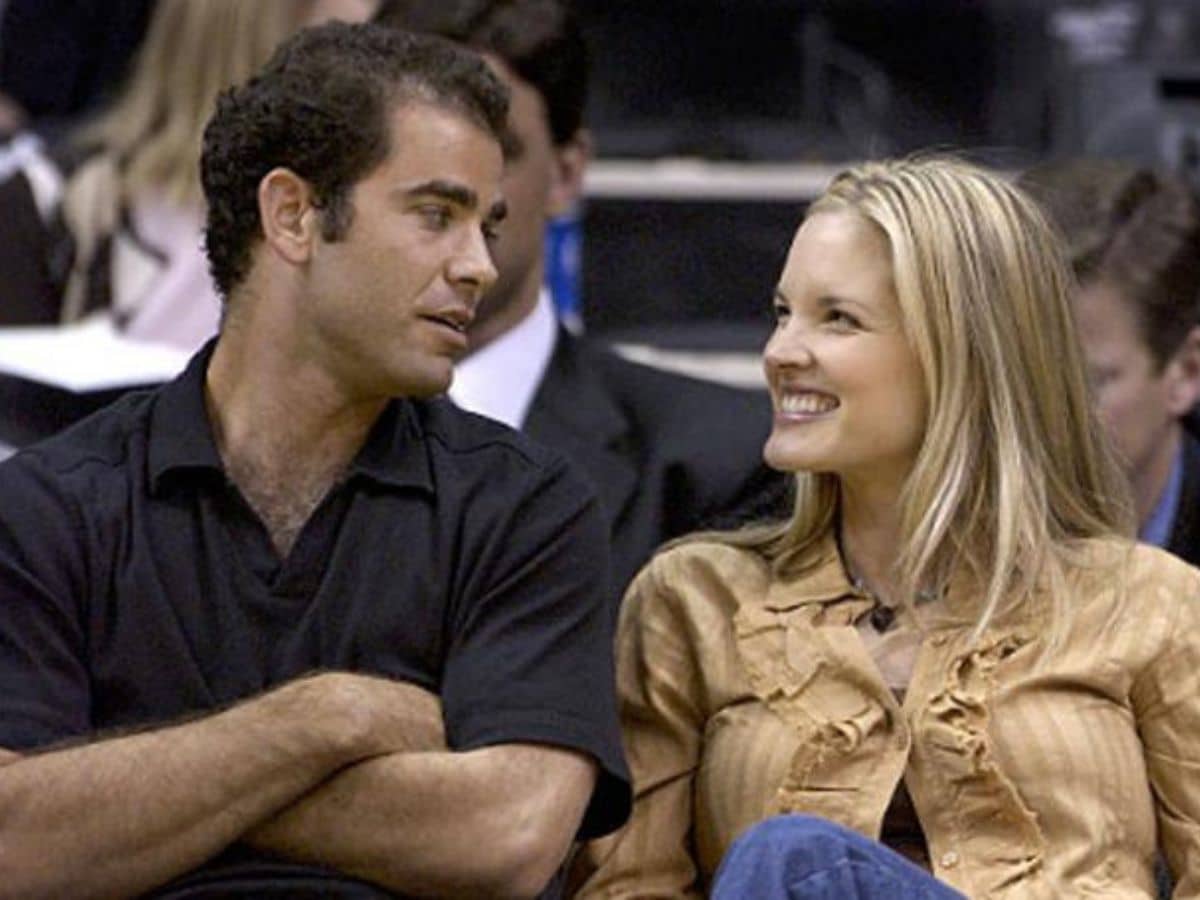
Pete Sampras holds an estimated net worth of approximately $150 million, amassed through a historic tennis career featuring 14 Grand Slam singles titles, lucrative global endorsement contracts, and astute long-term investments. As one of the most dominant champions in the history of men's professional tennis, his financial profile reflects both his era-defining athletic achievements and the strategic commercialization of his personal brand during the height of the sport's global expansion in the 1990s.
The Evolution of Pete Sampras's Financial Profile
Understanding the total wealth of a retired professional athlete requires examining multiple revenue streams that extend far beyond initial tournament winnings. Pete Sampras dominated men's tennis during a transitional era for professional sports economics. While his active playing career spanned from 1988 to 2002, bridging the gap between traditional amateur-infused professionalism and modern multi-million-dollar sports conglomerates, his ability to capitalize on his success laid the groundwork for his enduring financial stability.
Financial analysts evaluating his estimated net worth consistently point to a combination of on-court prize money, premium corporate partnerships, exhibition circuits, and high-value real estate transactions. Unlike modern athletes who benefit from significantly inflated purses and social media monetization, Sampras built his foundational wealth through sheer athletic dominance, winning 64 ATP singles titles, including seven Wimbledon championships, five US Open titles, and two Australian Open titles. This sustained excellence at the highest level of professional sports created the baseline credibility required for lucrative off-court commercial ventures.
Official On-Court Career Earnings Breakdown
Throughout his 15-year professional tenure, Pete Sampras accumulated official tournament prize money totaling $43,280,489. In the context of contemporary tennis, where top-tier professionals routinely secure eight-figure paydays from single major tournaments, Sampras's official prize money appears modest. However, during the 1990s, his earnings placed him at the absolute pinnacle of professional sports wealth generation.
To understand the real value of these earnings, financial historians adjust for inflation and examine the changing prize money structures of the Association of Tennis Professionals (ATP) Tour. When Sampras captured his first Grand Slam title at the 1990 US Open, the winner's check was significantly lower than the payouts awarded at the conclusion of his career in 2002.
| Tournament Category / Milestone | Approximate Prize Money (Nominal USD) | Historical Context & Significance |
|---|---|---|
| Grand Slam Titles (14 Total) | ~$20,000,000 - $22,000,000 | Primary driver of on-court revenue, peaking during his late 90s dominance. |
| ATP Tour & Masters Events (50 Titles) | ~$15,000,000 - $18,000,000 | Consistent weekly earnings from high-tier regular season tournaments. |
| ATP Tour Finals & Special Events | ~$5,000,000 - $8,000,000 | Year-end championship bonuses and bonus pool distributions. |
| Total Official Career Earnings | $43,280,489 | Official ATP Tour career prize money statistics upon retirement in 2002. |
Beyond official ATP figures, Sampras supplemented his tournament income through guaranteed appearance fees at international tournaments and high-profile exhibition matches. During his prime years, tournament directors across Europe and Asia routinely paid substantial appearance guarantees—frequently running into six figures per event—just to secure the presence of the world number one.
Endorsements, Corporate Partnerships, and Brand Value
While tournament winnings provided the foundation of his wealth, corporate sponsorships multiplied his earning capacity. During the peak of his career in the mid-to-late 1990s, Sampras maintained an elite portfolio of global endorsement contracts with multinational corporations seeking to leverage his clean-cut image, sportsmanship, and record-breaking achievements.
His most notable and enduring partnership was with Nike, which served as his primary apparel and footwear provider throughout the majority of his professional career. The relationship extended beyond standard equipment supply; Sampras was a central figure in Nike's global tennis marketing campaigns during an era that also featured iconic rivalries with Andre Agassi, Jim Courier, and Michael Chang.
Additional key corporate partners included:
- Wilson Sporting Goods: Supplying the iconic Pro Staff racquet line that became synonymous with his classic serve-and-volley playing style.
- Tacchini / Sergio Tacchini: Early-career apparel agreements before his long-term alignment with Nike.
- Movado: Luxury watch endorsements that positioned him in high-end print and television advertising campaigns.
- Pizza Hut and Diet Pepsi: Mainstream consumer brand campaigns that crossed over from sports broadcasting into general entertainment media.
Industry estimates suggest that during his peak playing years, Sampras earned between $5 million and $10 million annually from off-court endorsements alone. This consistent cash flow allowed him to preserve the majority of his tournament prize money, directing capital toward diversified investment portfolios and real estate acquisitions.
Real Estate Portfolio and Wealth Preservation Strategies
A critical component of maintaining and growing a multi-million-dollar estate involves strategic asset allocation and real estate management. Following his retirement, Sampras maintained a relatively low profile, focusing on family life and private wealth management rather than public commercial ventures or coaching roles.
Real estate transactions have historically constituted a major portion of his tangible wealth. Over the years, Sampras and his wife, actress Bridgette Wilson, bought and sold several luxury properties in Southern California, including expansive estates in affluent enclaves such as Brentwood, Lake Sherwood, and Montecito. These properties, characterized by custom tennis facilities, privacy, and architectural distinction, frequently appreciated significantly, acting as a reliable hedge against inflation and market volatility.
Wealth preservation for elite athletes retiring in the early 2000s typically relied on conservative, diversified investment strategies overseen by specialized sports financial advisors and wealth management firms. By avoiding high-risk entrepreneurial ventures and focusing on blue-chip equities, municipal bonds, and prime real estate holdings, Sampras successfully insulated his capital from macroeconomic downturns, ensuring long-term financial security for his family.
Frequently Asked Questions
What was Pete Sampras's highest single-year earning on the tennis tour?
During his peak competitive years in the mid-to-late 1990s, Sampras routinely earned several million dollars annually in official prize money alone. His highest single-season prize money haul occurred in 1997, when he earned over $6.4 million in official ATP tournament compensation, a record sum for that era of professional tennis.
How does Pete Sampras's career prize money compare to modern tennis players?
While Sampras accumulated over $43 million in official prize money—ranking among the highest of his generation—modern tennis stars like Novak Djokovic, Rafael Nadal, and Roger Federer have surpassed $100 million in prize money alone due to exponential growth in television broadcasting rights, global sponsorships, and corporate investment in the sport.
Did Pete Sampras continue playing tennis professionally after his retirement?
Sampras officially retired from professional competition immediately following his victory at the 2002 US Open. However, he subsequently competed on the BlackRock Tour of Champions (senior tour) and participated in lucrative exhibition matches against historic rivals such as Andre Agassi and Roger Federer well into his post-retirement years.
What brands were most famously associated with Pete Sampras during his career?
His most prominent and enduring commercial partnerships were with Nike, which outfitted him throughout his historic Grand Slam runs, and Wilson Sporting Goods, whose Pro Staff midsize tennis racquet remained his weapon of choice for his entire professional career.
How did Pete Sampras manage his post-retirement wealth?
Sampras adopted a conservative approach to post-retirement life, largely stepping away from public commercial spotlight, media punditry, and coaching. His wealth management strategy focused on prime California real estate investments and diversified financial portfolios managed by professional advisory teams.
Next Actions and Financial Tracking for Sports Assets
For researchers, sports historians, or financial analysts examining the monetization of historical athletic greatness, evaluating figures like Pete Sampras's net worth requires synthesizing official sports federation records, historical currency inflation data, and verified real estate filings. When analyzing sports wealth, always distinguish between gross nominal earnings and net realized wealth after accounting for agent fees, state and federal taxes, and lifestyle management expenses.