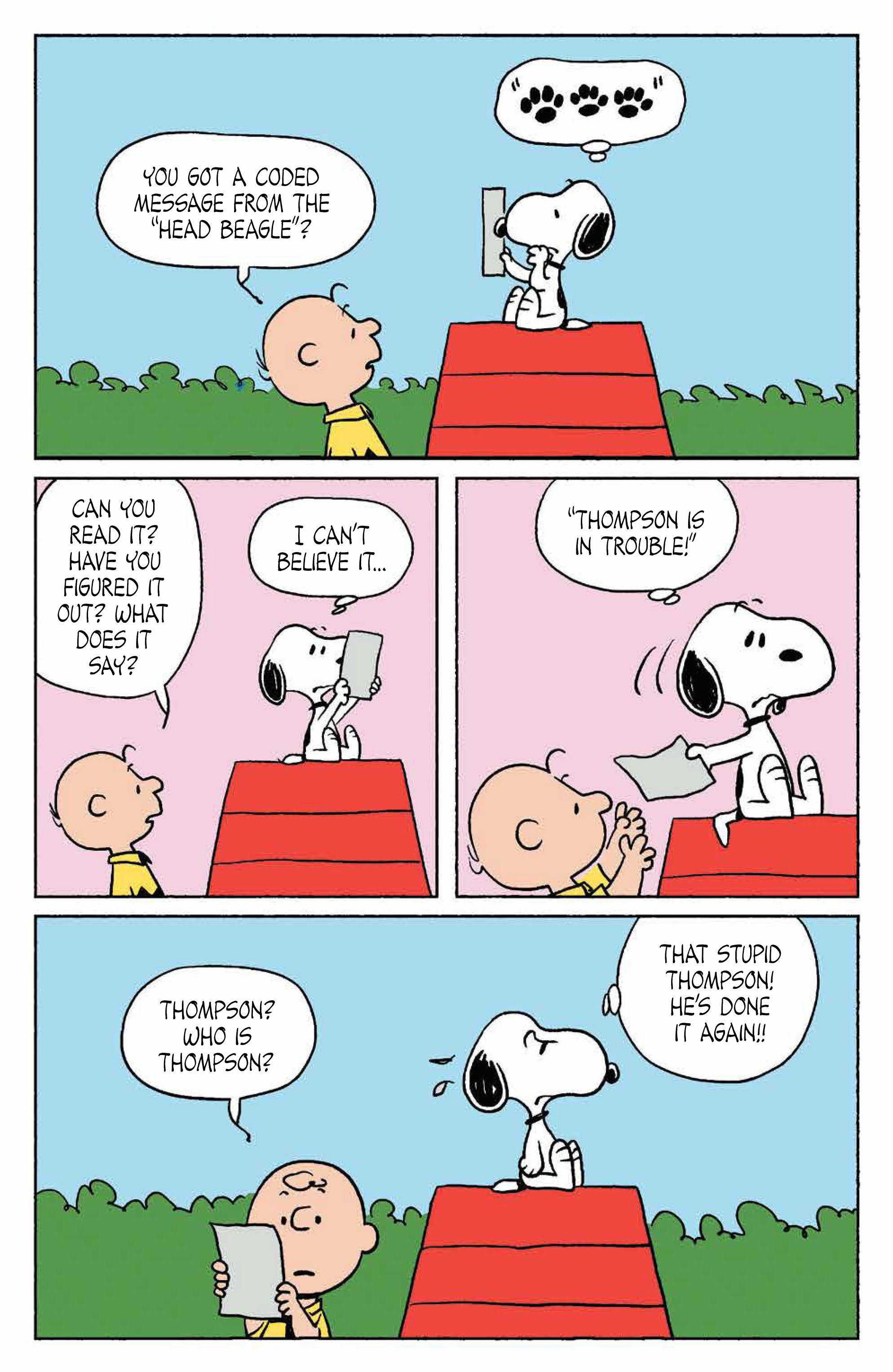
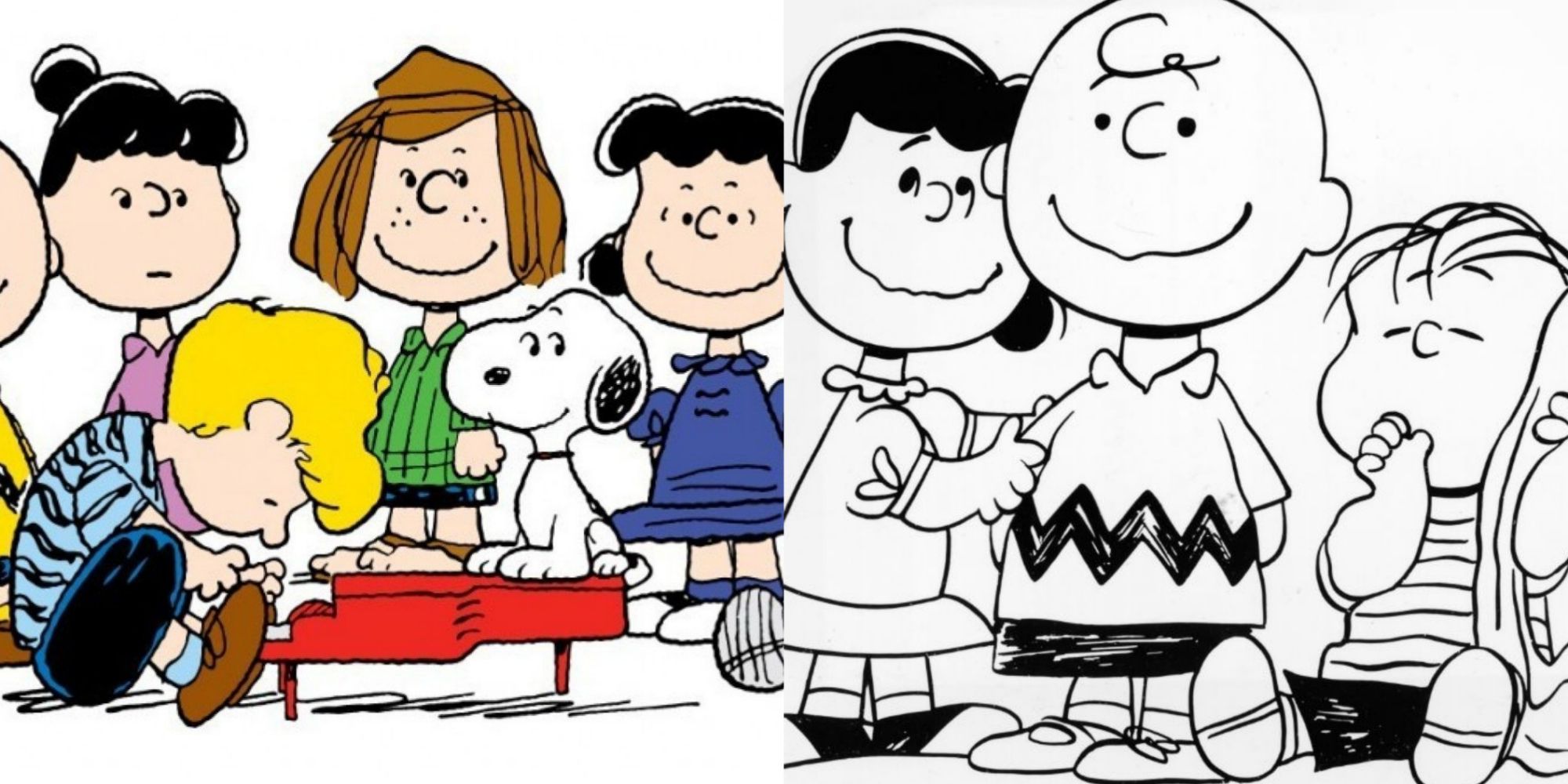
Created by Charles M. Schulz, the Peanuts cartoon stands as one of the most influential and enduring comic strips in history, following the gentle philosophy, anxieties, and everyday adventures of Charlie Brown, Snoopy, and their distinct neighborhood peers from 1950 to 2000.
The Peanuts cartoon, written and illustrated daily by Charles M. Schulz from October 2, 1950, to February 13, 2000, revolutionized the newspaper comic strip format by introducing sophisticated psychological themes, melancholy humor, and child characters who spoke with adult-like philosophical insight. Set in an unspecified suburban American landscape devoid of visible adult authority figures, the strip explored the bittersweet realities of childhood: the sting of rejection, the Sisyphean task of flying a kite, the comfort of a security blanket, and the boundless imagination of a beagle lying atop his doghouse. Beyond the printed page, Peanuts expanded into animated television specials, feature films, stage productions, and an international merchandising empire that fundamentally shaped modern pop culture licensing. Understanding the anatomy of this cultural touchstone requires examining its publication history, core character dynamics, philosophical depth, and transition into multimedia formats.
Origins and Historical Evolution of Charles M. Schulz’s Masterpiece
The genesis of Peanuts dates back to Schulz’s earlier weekly comic strip, Li’l Folks, published in the St. Paul Pioneer Press from 1947 to 1950. When Schulz pitched a refined version of his work to the United Feature Syndicate, the syndicate insisted on changing the title to Peanuts—a moniker Schulz famously disliked because he felt it lacked dignity and failed to convey the strip's artistic scope. Despite the initial title resistance, the strip debuted in seven newspapers on October 2, 1950.
In its earliest years, the visual style was minimalist, featuring rounded character heads, sparse backgrounds, and a dry, understated comedic timing. Charlie Brown was initially a more mischievous, deadpan trickster rather than the lovable, beleaguered underdog he later became. Over the decades, Schulz’s artistic style evolved significantly. The characters' heads became rounder and more refined, the linework grew bolder, and the cast expanded to include a diverse ensemble that mirrored changing societal shifts, most notably the introduction of Franklin in 1968 following correspondence from schoolteacher Harriet Glickman. Schulz maintained a rigorous solo workflow for half a century, drawing and writing every single daily and Sunday strip without the assistance of ghost artists or gag writers, resulting in a staggering body of work comprising 17,897 published strips.
Core Character Dynamics and Psychological Archetypes
The enduring appeal of Peanuts rests largely on its finely tuned character archetypes, each representing distinct psychological vulnerabilities and philosophical stances. Rather than serving as mere caricatures, Schulz endowed his child cast with complex emotional inner lives that resonated deeply with readers of all ages.
Charlie Brown embodies the universal experience of perseverance in the face of inevitable defeat. Whether he is managing a perennial losing baseball team, failing to kick a football held by Lucy van Pelt, or enduring the silent indifference of the Little Red-Haired Girl, Charlie Brown represents stoic endurance and hope. Opposite him stands Snoopy, an imaginative beagle whose internal fantasy life—ranging from a World War I flying ace battling the Red Baron to a smooth-writing novelist atop his doghouse—provides a whimsical counterpoint to the mundane reality of the neighborhood.
| Character | Primary Trait / Role | Iconic Prop / Setting | Symbolic Significance |
|---|---|---|---|
| Charlie Brown | The perennial underdog | Baseball cap, striped shirt | Perseverance, hope, and vulnerability |
| Snoopy | Imaginative beagle and alter-ego | Red doghouse, aviator scarf | Escapism, creativity, and inner freedom |
| Linus van Pelt | Intellectual philosopher | Blue security blanket | Comfort, security, and philosophical wisdom |
| Lucy van Pelt | Pragmatic cynic | Psychiatric psychiatric booth | Authority, skepticism, and human stubbornness |
Linus van Pelt bridges the gap between childhood innocence and intellectual inquiry, often quoting theology and philosophy while clinging tightly to his blue security blanket. His sister, Lucy, operates a makeshift psychiatric booth for five cents, offering blunt, often harsh psychological evaluations that satirize modern therapeutic culture. Supporting characters like Schroeder, devoted entirely to the music of Ludwig van Beethoven; Pig-Pen, trailing a perpetual cloud of dust; and Peppermint Patty, navigating sports and academics with cheerful confidence, create a rich social ecosystem that reflects the complexities of human interaction.
Philosophical Themes and Existential Humor
Peanuts broke away from the traditional slapstick humor of mid-century comics by incorporating melancholy, existential questioning, and unfulfilled desires. The strip frequently addressed themes of loneliness, unrequited love, the passage of time, and the search for meaning in a chaotic universe.
Schulz was not afraid to leave storylines unresolved. Charlie Brown’s baseball team rarely won a game, the kite-eating tree continually destroyed his efforts, and the Great Pumpkin never appeared for Linus in the pumpkin patch on Halloween night. This refusal to offer neat, tidy resolutions mirrored real life, establishing an emotional authenticity that earned intense loyalty from its readership. Furthermore, the strip occasionally touched upon religious and spiritual themes, most notably in the 1965 television special A Charlie Brown Christmas, which featured Linus reciting the Gospel of Luke to explain the true meaning of Christmas. This blend of secular existentialism and traditional comfort gave Peanuts a rare depth that transcended standard newspaper entertainment.
Transition to Animation, Television, and Film
The cultural footprint of Peanuts expanded exponentially when producer Lee Mendelson and animator Bill Melendez collaborated with Charles M. Schulz and jazz composer Vince Guaraldi to bring the strip to television. The resulting animated special, A Charlie Brown Christmas, debuted on CBS on December 9, 1965, to immense critical and commercial acclaim.
Vince Guaraldi’s sophisticated jazz score—featuring iconic tracks like "Linus and Lucy"—became inextricably linked with the franchise, permanently shifting the musical expectations of animated programming. The success of the Christmas special paved the way for dozens of subsequent television specials covering holidays, school life, and historical events, as well as feature-length films such as A Boy Named Charlie Brown (1969) and Snoopy Come Home (1972). Melendez pioneered an animation style that preserved the distinct line weight and drafting quirks of Schulz's original drawings, ensuring that the transition from print to screen felt organic and faithful to the source material.
Frequently Asked Questions
When was the final original Peanuts comic strip published?
The final original Peanuts strip drawn and written by Charles M. Schulz was published on February 13, 2000, just one day after Schulz’s death. In accordance with his explicit wishes, no new daily strips were created by other artists, allowing the 50-year run to stand as a complete, self-contained artistic statement.
Who composed the iconic jazz music used in the Peanuts animated specials?
The signature jazz music for the Peanuts television specials was composed and performed by jazz pianist Vince Guaraldi, starting with A Charlie Brown Christmas in 1965. Guaraldi's melodic, piano-driven compositions provided an atmospheric backdrop that defined the mood of the animation.
Why is Charlie Brown's kite-eating tree never defeated?
The kite-eating tree serves as a recurring literary device in the Peanuts cartoon representing insurmountable obstacles and the cyclical nature of frustration. Charlie Brown's repeated failures with the tree emphasize the strip's core theme of unyielding hope in the face of inevitable adversity.
Did Charles M. Schulz ever use assistant artists to draw Peanuts?
No, Charles M. Schulz famously maintained absolute creative control over Peanuts for its entire 50-year run, writing, penciling, inking, and lettering every single strip single-handedly without the aid of ghost artists or assistants.
How many newspapers carried Peanuts at its peak popularity?
At the peak of its syndication, Peanuts appeared in over 2,600 newspapers worldwide, translated into dozens of languages, and reached an estimated readership of more than 355 million people daily.
Preserving the Legacy of Charles M. Schulz
For readers, researchers, and enthusiasts looking to engage further with the Peanuts cartoon, consulting the complete syndication archives published by Fantagraphics Books offers the most comprehensive look at the evolution of Schulz's art. Maintaining an appreciation for this artistic milestone involves recognizing both its whimsical humor and its profound emotional honesty. Whether examining the early 1950s minimalism or the polished late-career strips, Peanuts remains a monumental achievement in sequential art, demonstrating that a simple comic strip could capture the full spectrum of the human condition.