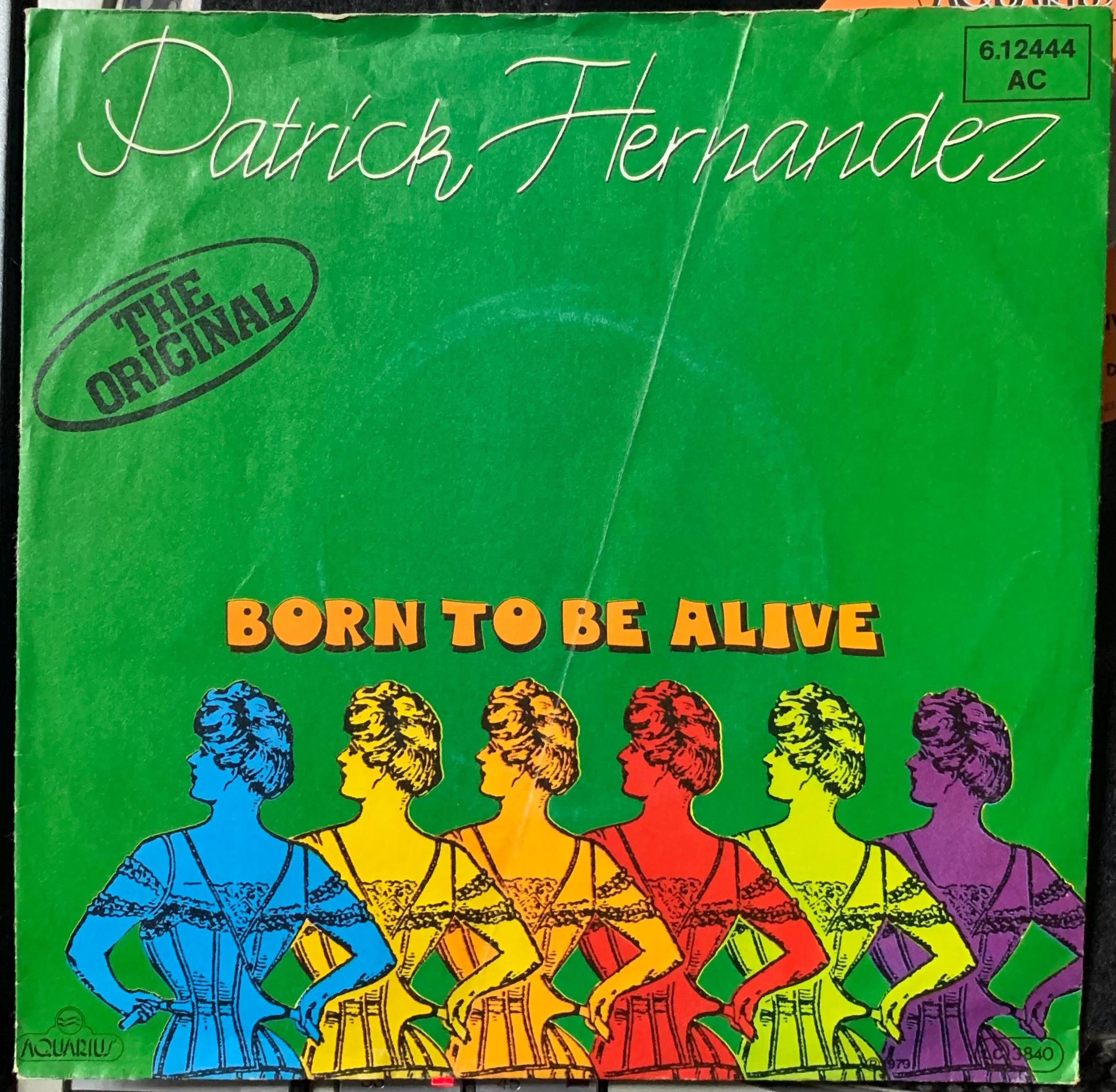
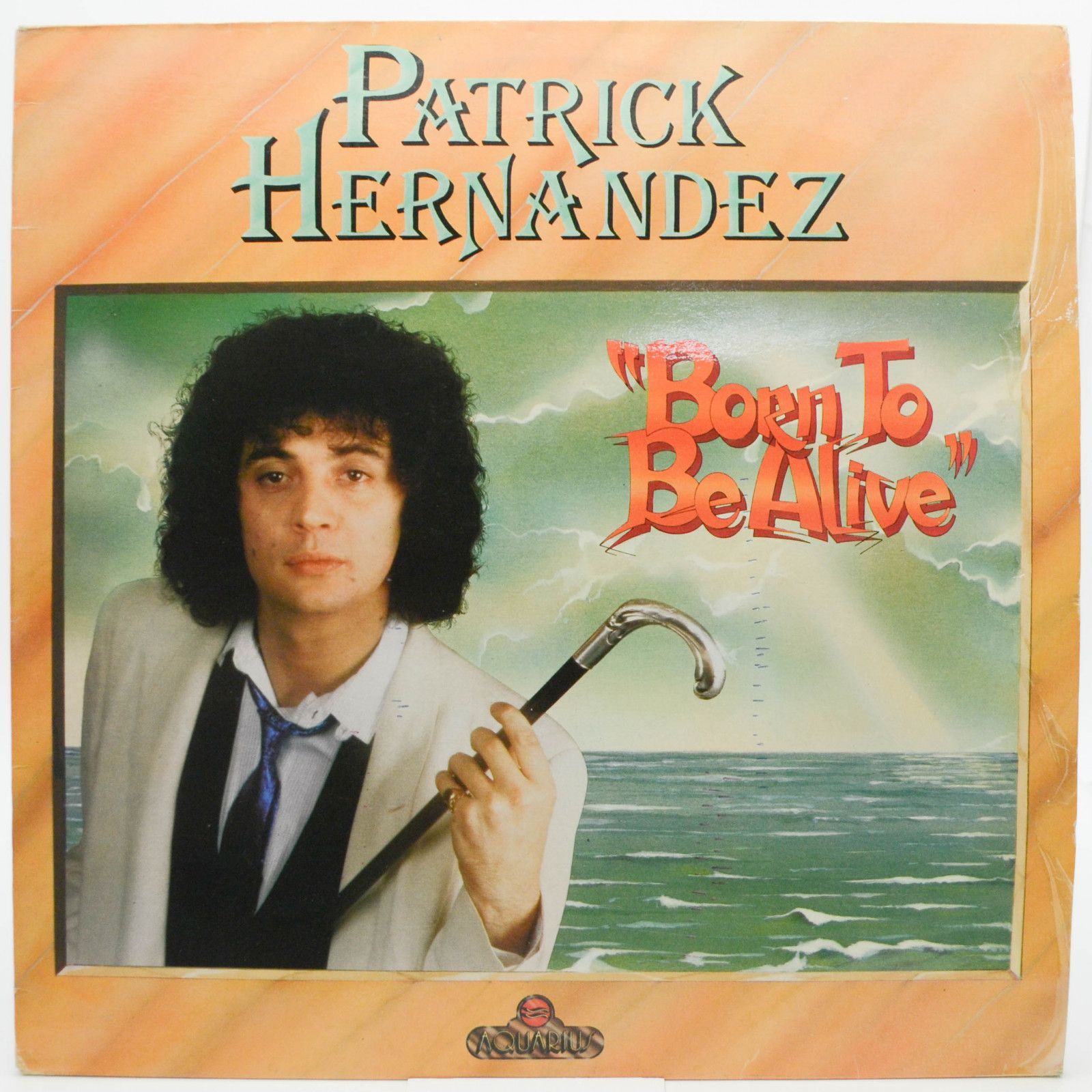
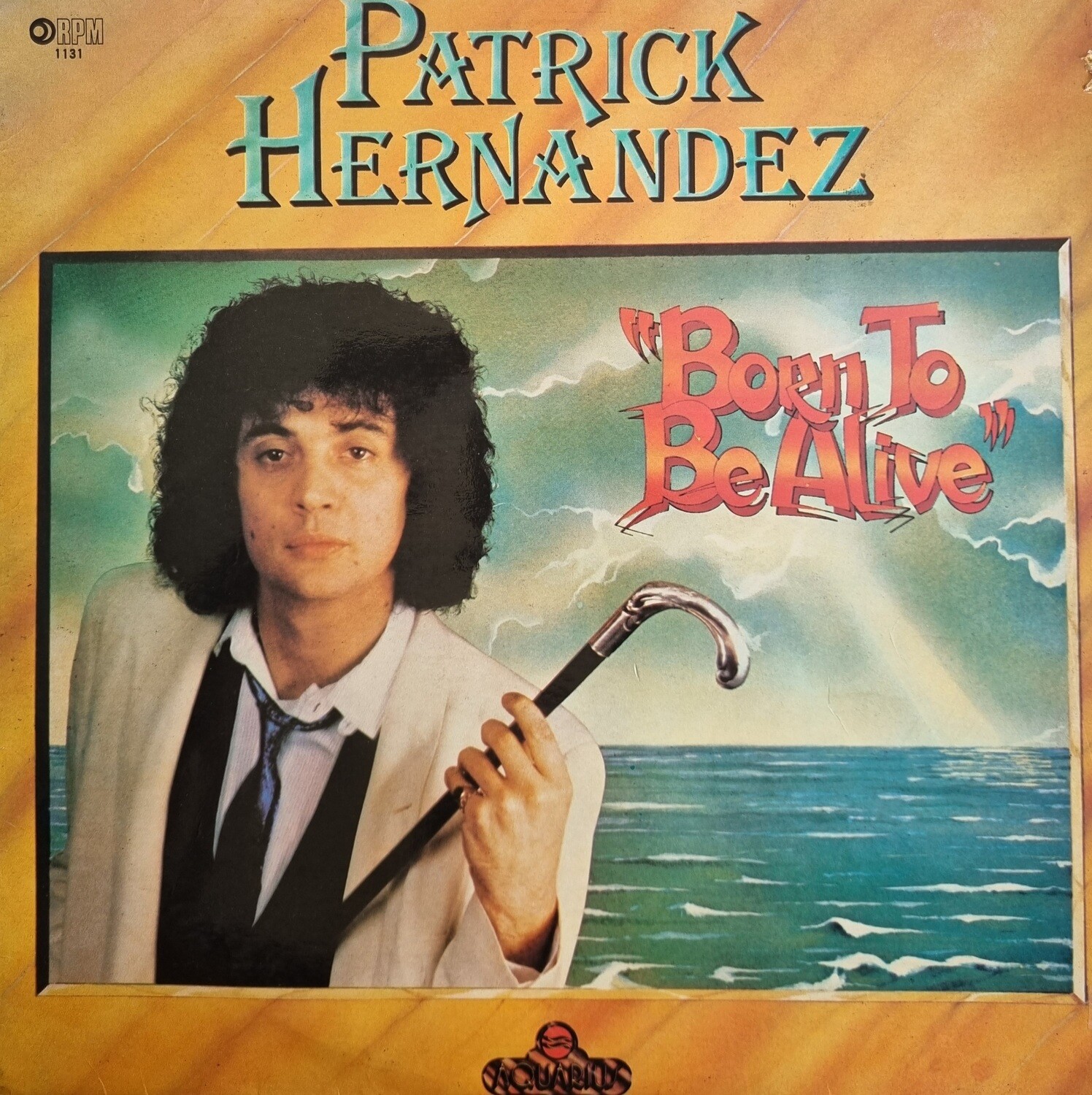
Patrick Hernandez has accumulated an estimated net worth ranging between $5 million and $10 million, primarily driven by the extraordinary, enduring global royalties of his 1979 disco anthem "Born to Be Alive." While many popular artists from the late 1970s disco era experienced brief commercial peaks followed by swift financial decline, Hernandez retained ownership of his publishing rights and master recordings, ensuring a continuous, lucrative stream of passive income that persists decades after the initial release.
Understanding the financial standing of Patrick Hernandez requires an examination of the mechanics behind intellectual property, copyright ownership, and the enduring commercial value of a singular, iconic hit. Unlike performers who signed away their master rights to record labels for a flat fee during the peak of the vinyl era, Hernandez and his management structured their agreements to protect long-term revenue. This strategic positioning turned a transient pop-culture phenomenon into a generational financial asset, allowing the artist to sustain a comfortable lifestyle in the French countryside while occasional licensing deals, sync placements, and royalty distributions continue to replenish his wealth.
The Origins of a Disco Phenomenon and Publishing Ownership
The financial trajectory of Patrick Hernandez began in the late 1970s when he wrote and recorded "Born to Be Alive." Originally conceived as a rock track, the song was reworked into a driving disco rhythm that caught the attention of Aquarius Records in France. Released in 1979, the track achieved unprecedented international success, topping charts across Europe and reaching audiences worldwide during the height of the disco boom. However, the true catalyst for the artist's long-term net worth was not the initial record sales alone, but the underlying publishing rights.
During an era when major record labels frequently stripped artists of their publishing and songwriting royalties through unfavorable standard contracts, Hernandez retained a significant share of his copyrights. By maintaining control over the composition and master recordings, he secured a direct pipeline to performance royalties collected by PROs (Performance Rights Organizations) such as SACEM in France, ASCAP, and BMI. Every time the track is played on commercial radio, streamed on digital platforms, performed live by other artists, or licensed for television and cinema, a percentage flows directly to the creator. This structural advantage transformed a one-hit wonder narrative into a resilient business model based on intellectual property longevity.
Revenue Streams Contributing to Patrick Hernandez Net Worth
To accurately assess the net worth of Patrick Hernandez, analysts look beyond standard performance fees and examine the diversified ecosystem of royalties and licensing agreements that support his wealth. Music catalog valuation relies heavily on historical consistency rather than temporary chart positions, and "Born to Be Alive" has demonstrated remarkable staying power across multiple media formats.
| Revenue Stream | Description | Impact on Net Worth |
|---|---|---|
| Mechanical Royalties | Earnings generated from physical and digital sales, including streaming platforms. | Provides a steady, predictable baseline income across global markets. |
| Performance Royalties | Fees collected when the track is broadcast on television, radio, and public venues. | Generates substantial recurring income from international radio and television syndication. |
| Synchronization (Sync) Licensing | Licensing fees paid for using the song in films, television commercials, and video games. | Delivers lucrative, high-value payouts for prominent media placements. |
| Live Appearances & Retrospective Tours | Selective performances at retro music festivals and television specials across Europe. | Supplements passive catalog earnings with premium performance fees. |
The combination of these revenue channels ensures that the artist's financial portfolio remains insulated from the economic fluctuations typical of the modern music industry. Synchronization licensing, in particular, often commands significant upfront fees when major global brands or Hollywood studios incorporate the instantly recognizable chorus of "Born to Be Alive" into their productions. Because the song evokes immediate nostalgia and high energy, its market demand for commercials and soundtracks remains consistently high.
The Financial Impact of Being a One-Hit Wonder
In traditional entertainment industry evaluations, being categorized as a one-hit wonder is often viewed as a financial liability, limiting an artist's ability to tour profitably or sustain long-term album sales. However, in the realm of music publishing, a single ubiquitously recognized track can frequently outperform a sprawling catalog of moderately successful songs. "Born to Be Alive" achieved cultural permanence, embedding itself into the global consciousness and ensuring that its creator enjoys perpetual commercial relevance without the overhead costs of maintaining a large touring band or funding ongoing studio production.
Furthermore, the absence of subsequent commercial megahits meant that Hernandez did not dilute his earnings across competing projects or sink capital into expensive, unsuccessful follow-up albums. The financial overhead was minimal compared to major pop acts of the era, allowing a substantial portion of the peak 1979-1980 earnings to be preserved, invested, and compounded over the subsequent decades. This disciplined financial management contributed significantly to the stability of his current estimated net worth.
Cultural Legacy and Modern Streaming Economics
As the music industry transitioned from physical media and digital downloads to subscription-based streaming services, legacy catalogs experienced a structural transformation in how revenue is generated and distributed. Platforms like Spotify, Apple Music, and YouTube generate continuous micro-royalties that, when multiplied across millions of global streams annually, create a reliable passive income floor. For legacy tracks like "Born to Be Alive," streaming acts as an evergreen utility, continually introducing the song to younger generations who encounter it through algorithmic playlists, social media trends, and digital media.
In addition to streaming, the commercialization of 1970s and 1980s nostalgia through specialized European retro tours has allowed Hernandez to command selective, high-paying performance fees without the grueling schedules of contemporary touring artists. These live appearances serve primarily as promotional catalysts that further drive streaming metrics and digital sales, creating a self-sustaining loop that protects and enhances the underlying value of his estate.
Frequently Asked Questions About Patrick Hernandez and His Wealth
What is the estimated net worth of Patrick Hernandez?
Patrick Hernandez has an estimated net worth between $5 million and $10 million. This figure is primarily derived from the enduring global royalties, publishing rights, and sync licensing fees associated with his 1979 international disco hit "Born to Be Alive."
How does Patrick Hernandez make money from a single hit song?
Earnings are generated through multiple copyright and licensing channels, including mechanical royalties from streaming platforms, performance royalties from radio and television broadcasts, synchronization fees from film and commercial placements, and selective live performances at retro music festivals.
Did Patrick Hernandez write other successful songs?
While Hernandez recorded and released several other tracks following the global success of "Born to Be Alive," none achieved comparable commercial impact. He also famously discovered and launched the early career of pop icon Madonna, who briefly worked as a dancer and backing singer for his live touring ensemble.
Why is "Born to Be Alive" still generating significant revenue?
The track achieved global cultural permanence and remains a defining anthem of the late 1970s disco era. Its high-energy tempo and memorable chorus make it a frequent selection for advertising campaigns, film soundtracks, and curated streaming playlists, ensuring continuous worldwide exposure.
Did Patrick Hernandez keep the rights to his music?
Yes, unlike many contemporary artists of the disco era who signed unfavorable record deals, Hernandez maintained crucial control over his publishing rights and master recordings, allowing him to collect a direct and substantial share of all ongoing revenue streams.
Financial Stewardship and Long-Term Asset Preservation
Evaluating the financial journey of Patrick Hernandez offers valuable insights into the economics of intellectual property and legacy asset management within the entertainment sector. Rather than seeking continuous commercial reinvention, the artist secured financial independence by protecting the ownership of a single, highly potent cultural artifact. For aspiring musicians and investors alike, the case study of "Born to Be Alive" underscores the critical importance of copyright retention, publishing control, and the enduring power of global evergreen content in building sustainable, long-term wealth.