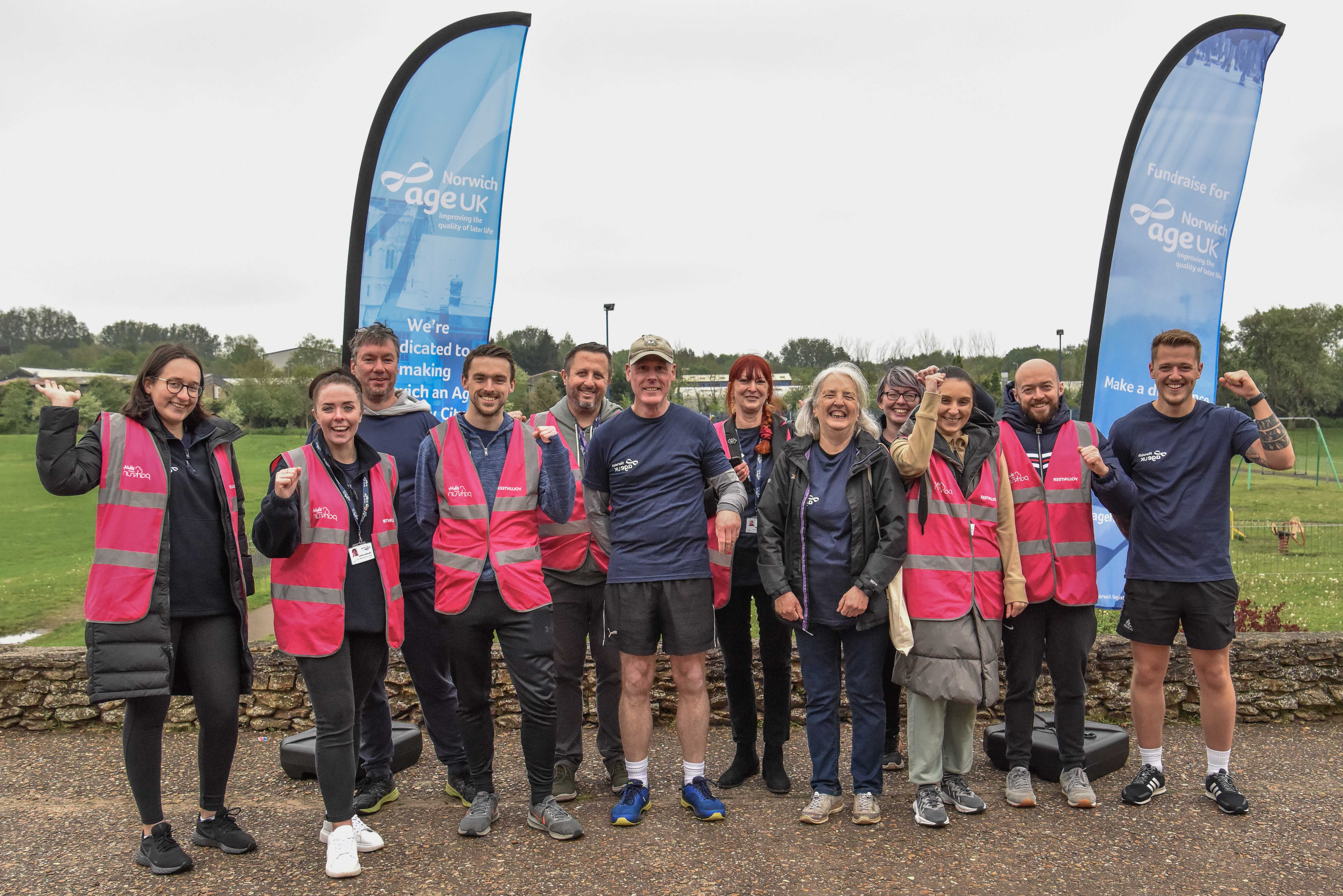
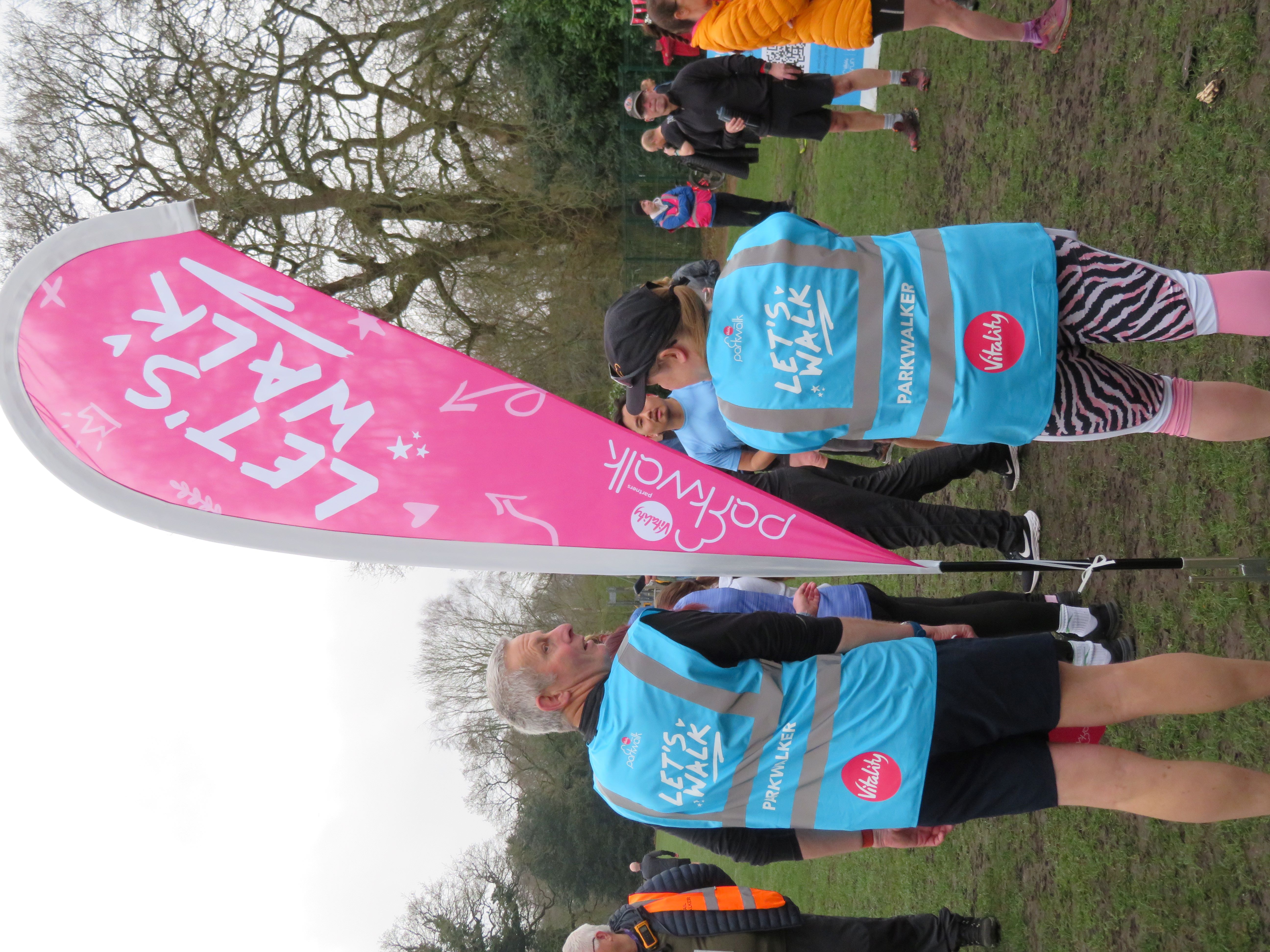
As local government funding crises reach a critical tipping point across Great Britain this August 2026, the foundational "free, forever" model of parkrun uk is facing its most severe challenge yet as multiple municipal councils propose landmark land-use fees. This escalating tension, coupled with ongoing debates over participant data tracking and NHS integration, has forced the charity into high-stakes negotiations to protect its 1,200+ weekly events.
| Metric / Key Focus Area | Current Status (August 2026) | Primary Threat / Stakeholder Involved |
|---|---|---|
| Weekly UK Venues | 1,240 active parkrun and junior parkrun sites | Municipal land-use permit reviews |
| Average Weekly Attendance | 210,000+ runners, walkers, and volunteers | Park wear-and-tear and erosion disputes |
| Primary Funding Source | Corporate sponsorships and commercial apparel | Local authority "commercial activity" levies |
| Health Integration | NHS social prescribing partnership active | Data privacy regulations and compliance costs |
The Catalyst: Why parkrun uk Faces Municipal Levies in 2026
Observing the current market trend, local authorities under immense fiscal strain are looking for new revenue streams, leading some to reclassify community health initiatives as commercial park use. Reports from the field indicate that at least six councils in the South West and Midlands have quietly initiated consultations regarding "footfall maintenance fees" for events attracting over 200 weekly participants.
This move directly threatens the core ethos of parkrun uk, which has historically resisted paying for park access to ensure participation remains entirely free for the public. The Local Government Association (LGA) has stated that while they support public health, the physical upkeep of green spaces has become unsustainable under current central government budget allocations.
The charity's leadership is currently lobbying the Department for Culture, Media and Sport (DCMS) to secure statutory protection for volunteer-led physical activities. Industry insiders warn that if even a single local council successfully enforces a weekly permit fee, it could set a dangerous precedent, triggering a domino effect across other cash-strapped districts.
Expert Analysis & Implications: The NHS Social Prescribing Paradox
The tension surrounding parkrun uk is further complicated by its growing integration with NHS England’s preventative healthcare strategy. General practitioners across the country now actively prescribe parkrun attendance to combat loneliness, obesity, and mild cardiovascular issues.
This creates a stark policy paradox: one branch of public service is leveraging the events to reduce long-term healthcare costs, while another branch is penalizing them to balance immediate municipal budgets. Senior public health analysts argue that restricting access to these weekly events could inadvertently increase the burden on local clinical services.
Furthermore, internal debates regarding data collection have resurfaced. Health insurers and digital fitness platforms are reportedly pressuring parkrun uk to integrate more robust biometric tracking API systems, a move that purists argue goes against the inclusive, low-tech spirit of the movement.
Participant Guide: Navigating and Supporting parkrun uk This Autumn
Despite these administrative battles, weekly events continue to operate at near-record capacity. For those looking to participate, volunteer, or advocate for their local event, the following steps are critical to maintaining community stability:
- Pre-Event Registration: Ensure you register online and download your digital barcode before arriving; physical barcode scanning remains a vital metric for proving local community engagement to councils.
- Active Volunteering: Events require a minimum ratio of marshals and scanners to operate safely under local authority permits; check your local event's volunteer roster by Wednesday evening each week.
- Erosion Awareness: To mitigate council complaints regarding park damage, participants are urged to stay on designated gravel paths and avoid cutting corners on wet grassland.
- Public Advocacy: If your local event is under review, write to your ward councillor detailing how the weekly run benefits your physical and mental well-being.
The Road Ahead: Can the "Free" Ethos Survive Into 2027?
A forward-looking analysis of the organization's financial trajectory suggests that parkrun uk will need to diversify its revenue streams without alienating its core volunteer base. While commercial partnerships with brands like Brooks and Withings provide essential funding, relying too heavily on corporate backing risks corporatizing what began as a grassroots movement.
The outcome of the current negotiations with the LGA will likely dictate the organization's operating model for the next decade. If statutory protections are not granted, parkrun uk may be forced to relocate events from historic public parks to private school grounds, forestry commission sites, or national trust properties.
Ultimately, the dispute highlights a broader societal question: who should pay for the communal spaces that keep a nation healthy? As we head into the autumn of 2026, the resilience of the UK’s favorite Saturday morning ritual is being tested like never before.