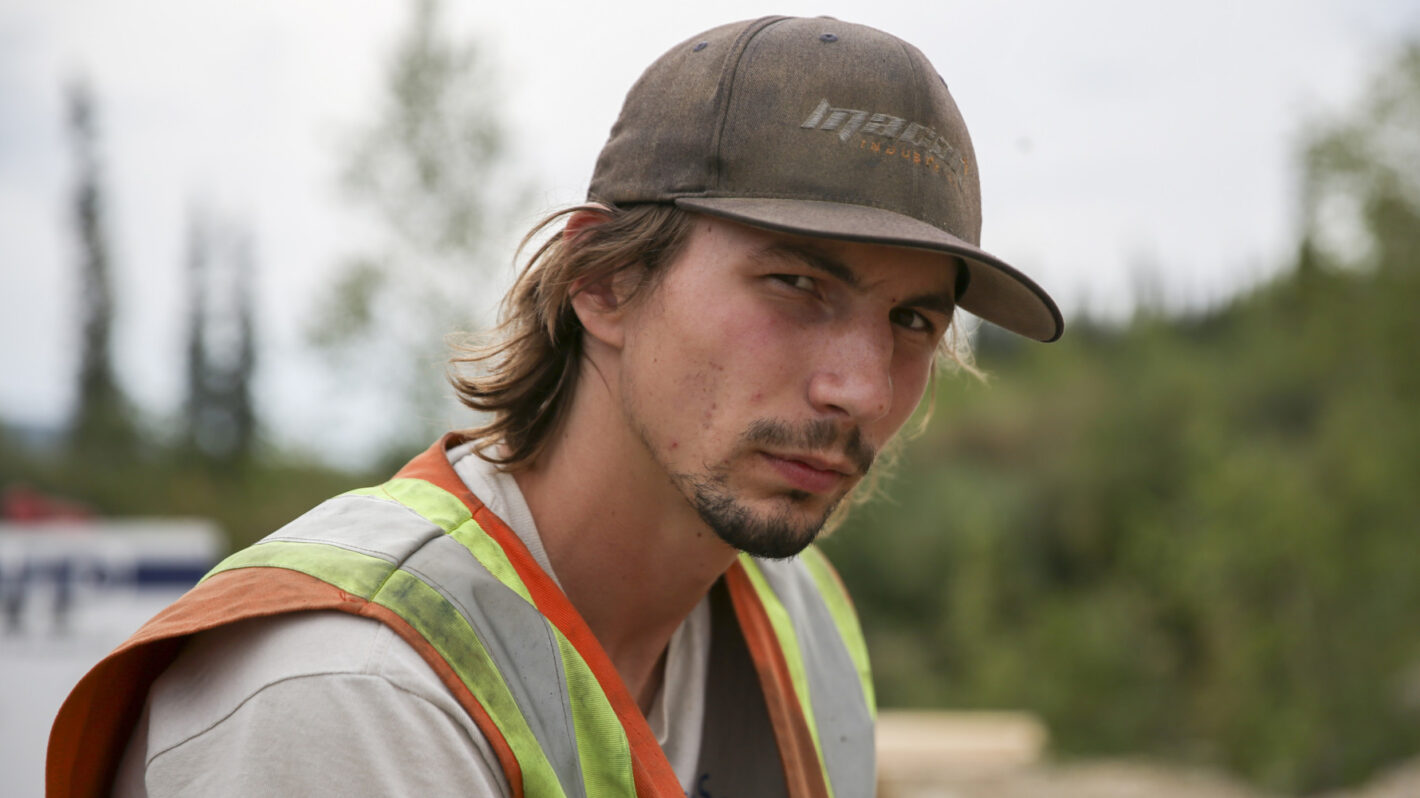
Parker Schnabel is 30 years old and maintains an estimated net worth of $8 million to $10 million, built primarily through his multi-decade career in commercial placer gold mining in the Klondike region and his prominent role on the Discovery Channel reality television series Gold Rush.
The financial evaluation of public figures who operate heavy industrial enterprises often blends television compensation, equity in private mining assets, and operational overhead. For Parker Schnabel, understanding his financial standing requires analyzing how a multi-generational mining background transformed into a modern media and corporate mining footprint. Over more than a decade of television broadcasting and large-scale earthmoving operations, Schnabel has evolved from a rookie hand working for his grandfather, John Schnabel, into a seasoned district leader managing millions of dollars in heavy machinery and land leases.
Early Life, Family Background, and Mining Roots
Parker Schnabel was born on July 22, 1994, in Haines, Alaska, growing up surrounded by heavy equipment and alluvial mining operations. His grandfather, John Schnabel, was a legendary figure in the region and the proprietor of the historic Big Nugget Mine. From an early age, Parker was immersed in the mechanics of gold extraction, learning how to operate excavators, wash plants, and bulldozers long before he reached legal adulthood. Rather than pursuing a traditional corporate career or higher education, Schnabel enrolled briefly at Linfield College to study geology before deciding to return full-time to the muddy cuts of the Yukon.
This early hands-on education provided him with a profound technical advantage over traditional investors entering the mining sector. He understood the literal ground floor of placer mining: overburden stripping, sluice box dynamics, gold recovery percentages, and fuel consumption curves. When his grandfather stepped back from day-to-day operations, Parker took over management of the Big Nugget Mine, proving his capability to manage crew payroll, maintenance schedules, and regulatory compliance while still in his late teens.
Transition to the Klondike and Independence
A defining pivot in Schnabel's career occurred when he left the family lease in Alaska to test his fortunes in the Klondike goldfields near Dawson City, Yukon, Canada. This transition marked his departure from working under family oversight to becoming an independent mining boss renting ground from veteran miners like Tony Beets. Operating in the Klondike introduced entirely new operational scales, higher royalty percentages, and severe logistical challenges associated with remote Canadian sub-arctic mining.
During these formative seasons documented by Gold Rush, Schnabel faced steep learning curves, equipment breakdowns, and friction with veteran crew members. However, these trials forged a resilient business model. By securing high-yield land leases, investing heavily in modern Caterpillar and Komatsu machinery, and hiring specialized personnel such as mechanic Rick Ness and seasoned hand Mitch Blaschke, Schnabel systematically increased his annual gold ounces recovered. This operational independence allowed him to retain a significantly higher share of profits compared to traditional revenue-sharing arrangements.
Television Earnings and Media Revenue Streams
While physical gold mining forms the foundational asset class of Schnabel's enterprise, his tenure as a central star on Discovery Channel's Gold Rush generates substantial supplementary income. Television production companies and networks compensate core cast members on long-running reality series handsomely per episode, with top-tier talent commanding tens of thousands of dollars per installment. Across more than a decade of broadcasting, these appearance fees represent a reliable cash flow stream that insulates his business against volatile commodity prices and poor mining seasons.
Beyond standard episodic pay, media visibility unlocks lucrative corporate sponsorships, brand partnerships with heavy machinery manufacturers, and personal appearance fees. Companies that manufacture excavators, safety gear, and industrial tools frequently partner with prominent miners to demonstrate equipment durability under extreme conditions. These marketing relationships augment his baseline mining revenue, providing capital injection for seasonal land acquisitions and equipment fleet upgrades without requiring high-interest commercial debt.
Net Worth Breakdown and Asset Portfolio
Estimating the net worth of an industrial placer miner requires looking past liquid cash balances into hard assets. Schnabel’s wealth is distributed across several distinct categories:
| Asset Category | Description & Estimated Value |
|---|---|
| Heavy Machinery Fleet | Dozens of excavators, rock trucks, dozers, and wash plants valued at several million dollars. |
| Gold Inventory | Seasonal gold reserves held or sold strategically based on market spot prices per ounce. |
| Land Leases & Claims | Premium mining rights and royalty agreements across high-yield Yukon territory. |
| Television & Media Earnings | Accumulated compensation from multi-season starring roles on Gold Rush. |
| Real Estate & Personal Assets | Residential and commercial property holdings in Alaska and the Pacific Northwest. |
The liquidity of these assets fluctuates continuously. Gold inventory is routinely sold to cover multi-million-dollar operational costs, including millions spent annually on diesel fuel, wages, equipment maintenance, and land royalties. Consequently, while his gross asset portfolio easily clears the eight-figure mark, his net worth reflects the net equity after factoring in heavy capital expenditures and operational liabilities.
Operational Costs and Economic Realities of Placer Mining
To understand why a miner recovering thousands of ounces of gold does not instantly accumulate a massive personal fortune, one must analyze the staggering cost structure of modern placer mining. Parker Schnabel operates a capital-intensive business where profitability margins are razor-thin despite high gross revenues.
The primary cost drivers include:
- Fuel and Energy: Running a fleet of heavy earthmoving equipment 24 hours a day during the short summer season consumes hundreds of thousands of dollars in diesel fuel.
- Wages and Benefits: Skilled mechanics, rock truck drivers, and plant managers command high seasonal salaries to endure harsh isolation and grueling shift schedules.
- Equipment Maintenance: Operating machinery in abrasive gravel and mud causes accelerated wear and tear, necessitating expensive replacement parts and hydraulic overhauls.
- Royalties and Permitting: Landowners and the Yukon government take significant cuts through upfront lease fees, per-ounce royalties, and strict environmental reclamation bonds.
These financial realities mean that a single bad cut or a catastrophic mechanical failure can turn a profitable season into a net loss. Schnabel's business acumen is demonstrated not merely by finding gold, but by managing these immense liabilities effectively across fluctuating economic cycles.
Frequently Asked Questions About Parker Schnabel
How old is Parker Schnabel?
Parker Schnabel was born on July 22, 1994, making him 31 years old. His early entry into heavy industrial management gave him over a decade of executive mining experience by the time he reached his thirties.
What is Parker Schnabel's net worth?
Parker Schnabel has an estimated net worth between $8 million and $10 million. This figure combines his accumulated television earnings, heavy machinery fleets, land lease investments, and annual gold recovery revenues.
Does Parker Schnabel still mine gold in the Yukon?
Yes, Parker Schnabel continues to operate active placer mining claims in the Yukon Territory, Canada. He frequently features new ground acquisitions and expanding operations through his television appearances and spin-off documentary specials.
How much does Parker Schnabel make per episode of Gold Rush?
While exact contract figures are kept confidential by Discovery Channel and production management, industry estimates indicate that top-tier cast members of long-running cable reality hits earn between $25,000 and $50,000 per episode.
Does Parker Schnabel own the land he mines?
Schnabel primarily operates on leased land rather than owning the underlying mineral claims outright. He secures multi-year lease agreements and pays royalties or lump sums to claim owners, such as Tony Beets or local prospectors, in exchange for extraction rights.
Strategic Outlook and Future Ventures
As Parker Schnabel moves further into his thirties, his trajectory within the mining and media sectors points toward corporate consolidation and expansion. Rather than relying solely on traditional Yukon placer claims, modern mining leaders must navigate increasingly stringent environmental regulations, water-usage licensing, and reclamation oversight. Schnabel has consistently demonstrated adaptability by investing in advanced water recycling systems, efficient washing technology, and strategic land partnerships that secure his operational pipeline for future seasons.
For followers of the mining industry and television audiences alike, Schnabel represents a rare blend of blue-collar grit and media-savvy entrepreneurship. His ability to turn a family legacy in Haines, Alaska, into a dominant enterprise in the Klondike showcases the viability of modern independent mining when paired with disciplined financial management.