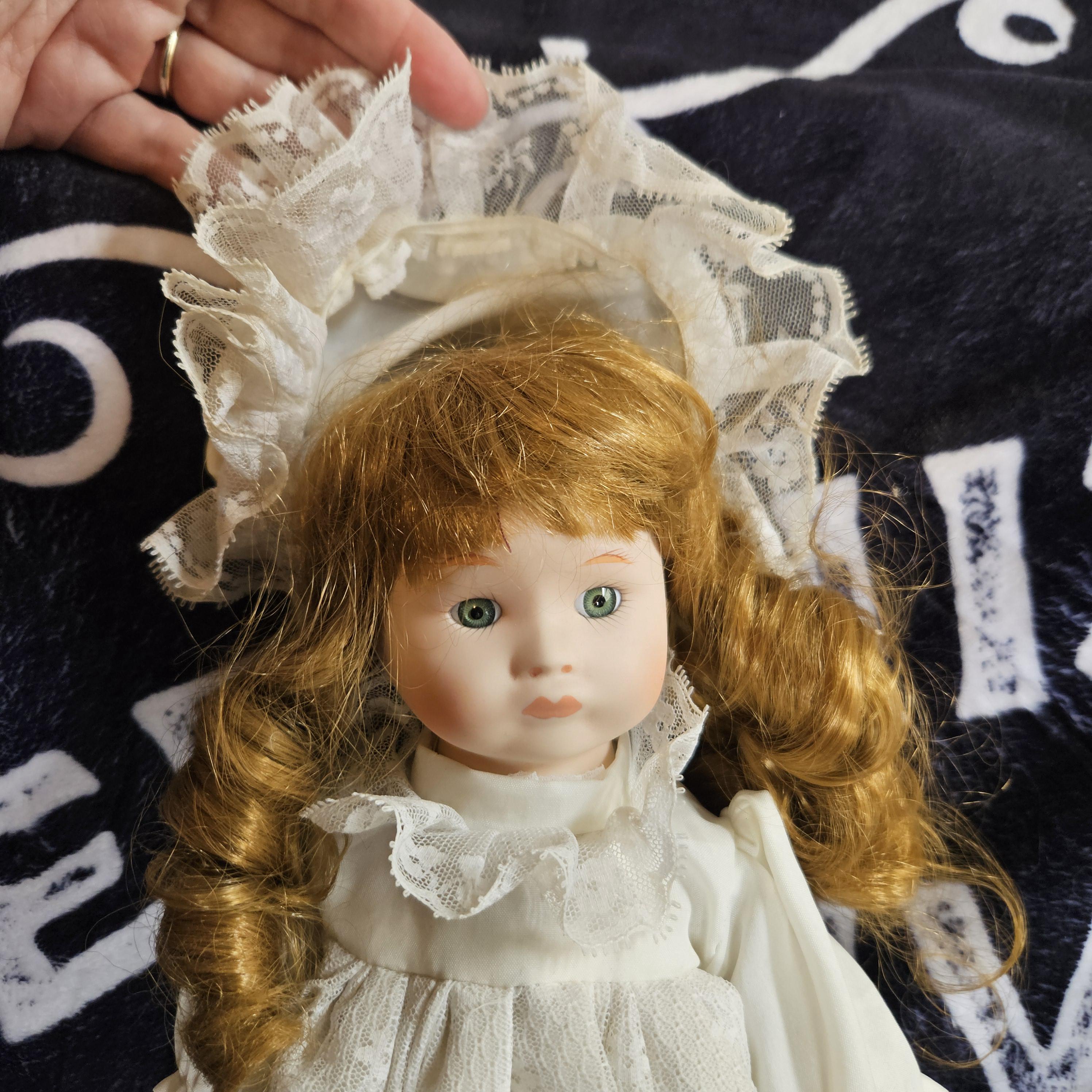
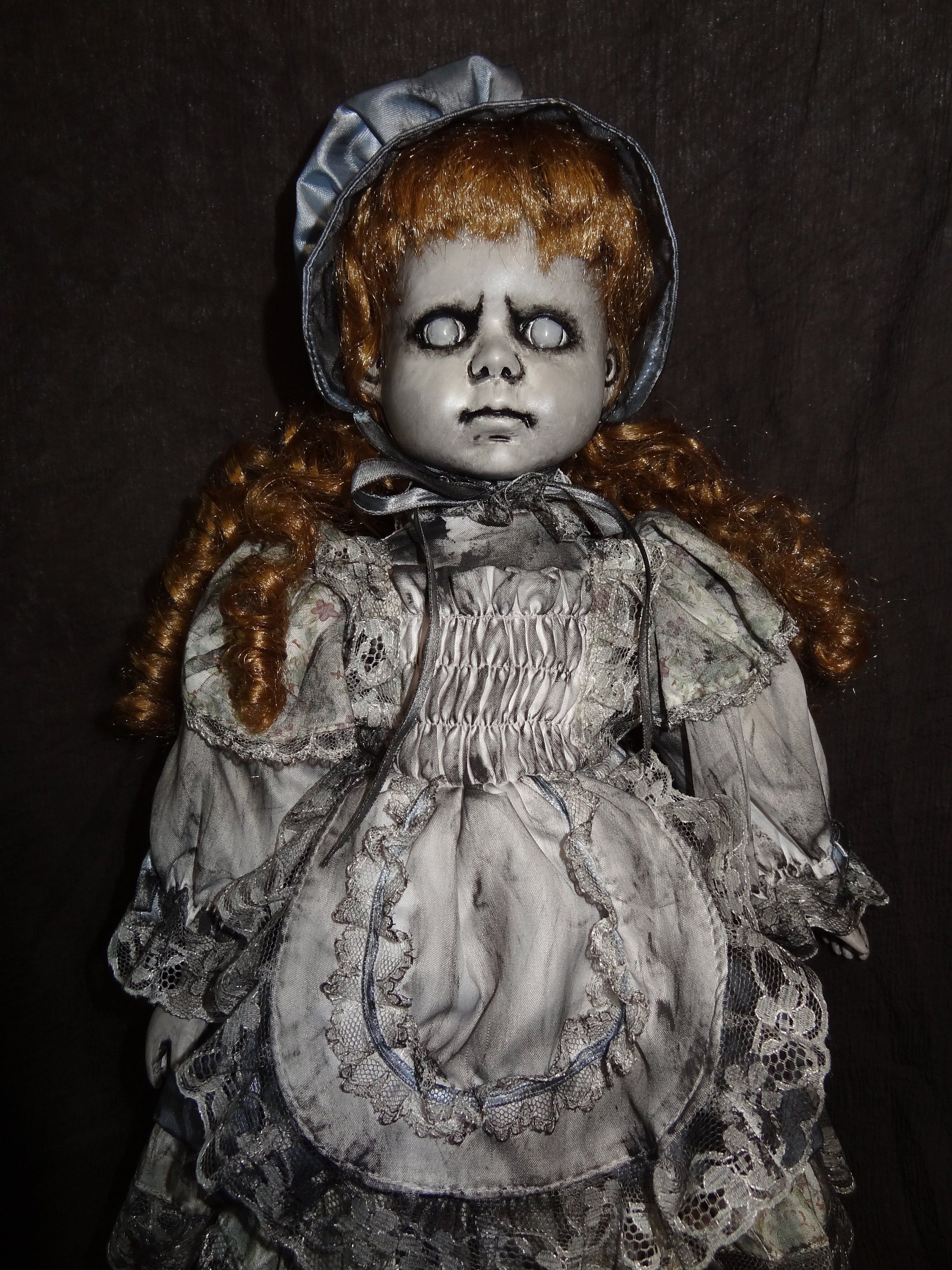
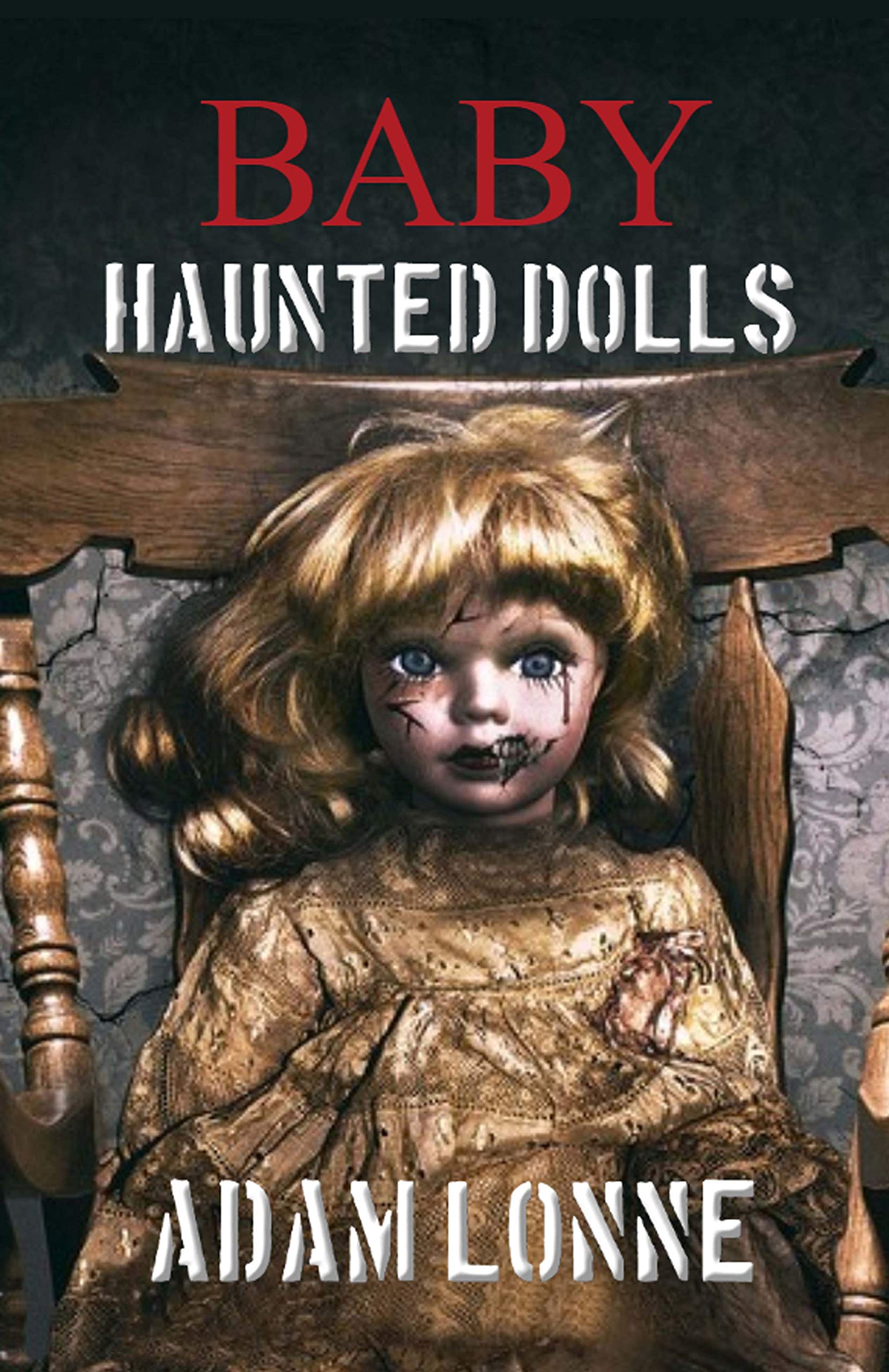
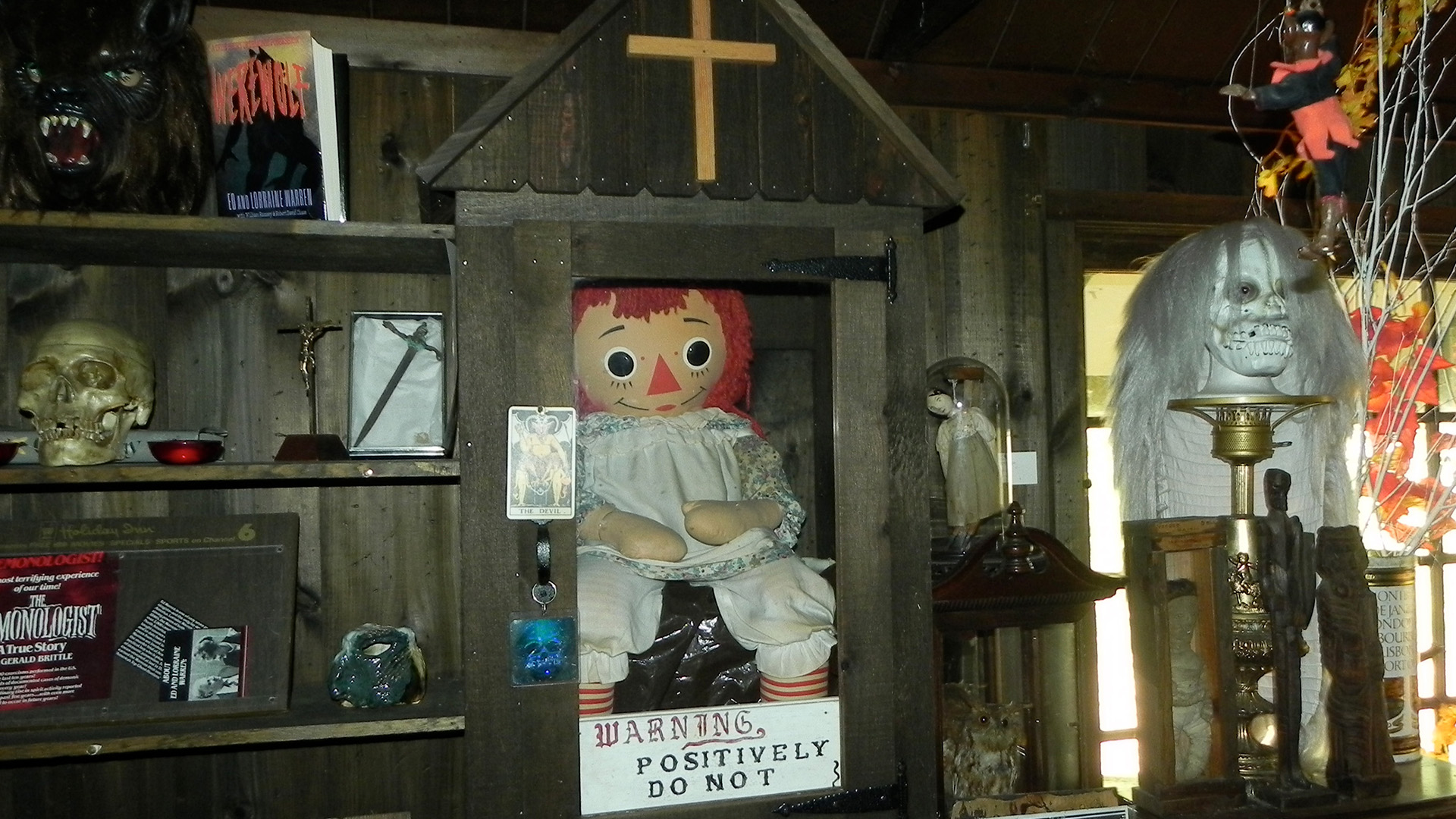
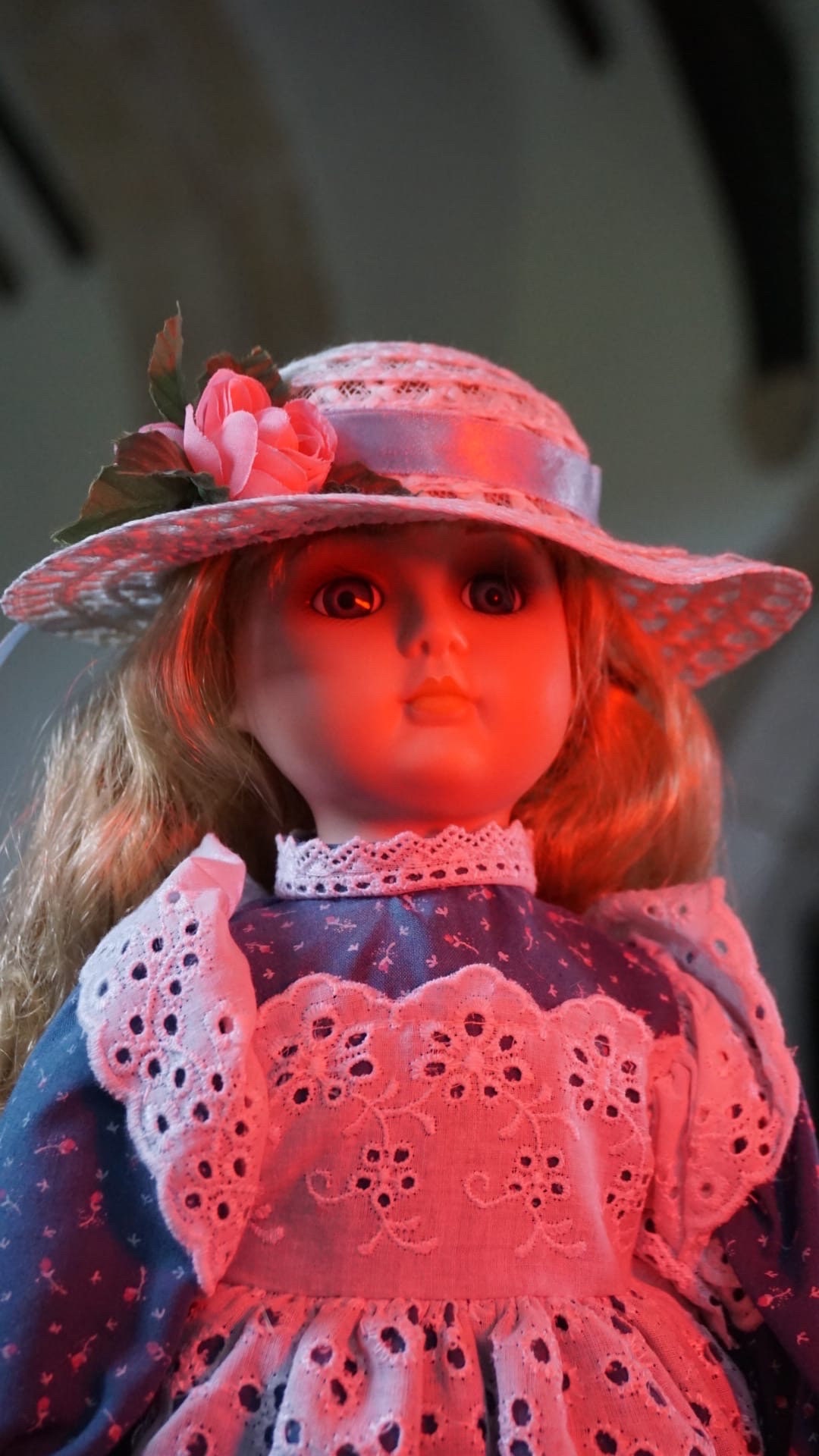
A paranormal doll is a manufactured toy or handcrafted figure widely alleged to be possessed by a spirit, demon, or residual energy, functioning as a focal point for anomalous phenomena within folklore, contemporary legend, and modern pop culture.
The concept of the haunted or cursed object has fascinated human societies for centuries, transitioning from traditional animistic beliefs into modern media phenomena. Among these cultural artifacts, the paranormal doll occupies a uniquely unsettling space in public imagination. Unlike traditional haunted houses or ancestral spirits tethered to historical properties, a doll possesses a human-like form, an artificial gaze, and an eerie passivity that invites psychological projection. Whether evaluated through the lens of folklore, sociological impact, or consumer media, these objects represent a fascinating intersection of material culture and supernatural belief. Understanding how these entities are defined, categorized, and preserved requires a look past the sensationalized headlines to examine the underlying history and cultural mechanisms at play.
Historical Evolution of Haunted Toys in Folklore
The association between inanimate human effigies and the supernatural is rooted in ancient practices of sympathetic magic, religious idol worship, and protective talismans. Across various global traditions, figurines were carved to represent deities, ancestors, or enemies, often believed to harbor spirits or channel distinct energies. In Western folklore, the transition from crude wooden and clay charms to commercially manufactured porcelain and celluloid dolls shifted the psychological dynamic. As manufacturing techniques improved during the Industrial Revolution, dolls grew increasingly lifelike, complete with glass eyes, human hair, and articulated limbs.
This hyper-realism gave rise to the Uncanny Valley effect—a psychological phenomenon where humanoid replicas elicit feelings of eeriness and revulsion. As mass-produced toys became common household items, ghost stories and urban legends naturally adapted to include these domestic objects. Accounts from the late 19th and early 20th centuries frequently featured Victorian dolls said to weep, move independently, or bring misfortune to their owners. These narratives served as cautionary tales regarding childhood, loss, and the uncanny nature of objects that mimic humanity without possessing a soul.
Defining Characteristics and Alleged Manifestations
In contemporary paranormal subcultures, investigators and enthusiasts classify allegedly haunted dolls based on reported phenomena and perceived behavioral traits. Unlike standard antiques, a paranormal doll is typically accompanied by a documented history of anomalous occurrences or acquired under unusual circumstances. The reported manifestations associated with these objects generally fall into distinct categories, each carrying specific implications for those who claim to study or house them.
- Physical Movement: Reports of a doll shifting positions, changing rooms, or altering its posture when unobserved.
- Anomalous Audio: Claims of disembodied whispers, faint giggling, or heavy breathing originating from the immediate vicinity of the toy.
- Environmental Changes: Sudden localized drops in temperature, inexplicable drafts, or equipment interference near the display area.
- Psychological Impact: Witnesses describing overwhelming feelings of dread, sudden sadness, hostility, or the sensation of being watched while in the presence of the object.
Researchers of folklore emphasize that these manifestations rely heavily on subjective testimony, confirmation bias, and environmental suggestion. The enclosed spaces in which these items are often kept—such as glass display cases or museum shelves—can create optical illusions, thermal gradients, and auditory tricks that reinforce pre-existing beliefs.
Cultural Impact and Media Representation
The modern obsession with the paranormal doll is heavily amplified by popular culture, literature, and cinema. While early 20th-century radio programs and pulp magazines occasionally featured cursed toys, the trope achieved mainstream cultural dominance through horror cinema. Films featuring sentient, malevolent dolls introduced iconic visual archetypes that permanently altered public perception. These cinematic representations transformed the quiet, static figure of a Victorian toy into an active agent of terror, cementing the doll as a staple of modern horror.
This media saturation has created a feedback loop between fiction and real-world belief. When individuals encounter antique or unusual dolls at estate sales or thrift stores, their immediate reaction is frequently filtered through cinematic tropes. Consequently, ordinary manufacturing flaws, such as settling stuffing, uneven painting, or shifting glass eyes, are frequently reinterpreted as signs of supernatural activity. Furthermore, the commercialization of haunted items has turned specific alleged artifacts into global tourist attractions, driving online engagement and reshaping how modern folklore is disseminated.
Comparative Analysis of Famous Alleged Entities
Several high-profile cases dominate the discourse surrounding paranormal dolls, each serving as a benchmark for contemporary urban legends. Examining these instances reveals how individual narratives are constructed, maintained, and commercialized over time.
| Name | Origin Period | Primary Claims | Current Status / Location |
|---|---|---|---|
| Robert the Doll | Early 1900s | Malfunctions of mechanical items, sudden misfortune to visitors, changing facial expressions. | East Martello Museum, Key West, Florida |
| Annabelle | 1970s | Physical movement, threatening parchment notes, attacks on human visitors. | Occult Museum (Closed to public), Warren's Lore |
| Mandy the Doll | Early 20th Century | Footsteps, cracked glass in display cases, draining electronic batteries. | Quesnel and District Museum, British Columbia |
While these entities enjoy widespread notoriety, the evidence supporting their supernatural claims remains strictly anecdotal. Museum curators and institutional caretakers often maintain these exhibits as tourist draws and cultural artifacts of folklore rather than verified sites of supernatural phenomena, balancing public curiosity with historical preservation.
Investigating and Preserving Alleged Artifacts
For those who approach the subject from an investigative or museological standpoint, handling objects associated with paranormal claims requires specific protocols. Skeptical investigators prioritize environmental controls, documenting lighting conditions, temperature fluctuations, and structural drafts to rule out mundane explanations for reported anomalies. Conversely, folklorists focus on provenance, tracing the chain of ownership to understand how a narrative developed around a specific object.
Preservation efforts for historic dolls often involve specialized care due to the delicate nature of materials such as early plastics, composition, and human hair. When institutions acquire items tied to ghost stories, the primary challenge lies in balancing historical context with public fascination. Rather than validating supernatural claims, responsible custodianship treats the objects as windows into human psychology, societal anxieties, and the enduring power of storytelling.
Frequently Asked Questions
What makes a doll considered paranormal?
A doll is typically labeled paranormal when it is associated with persistent, unverified claims of anomalous activity, such as unexplained movement, strange sounds, or psychological distress reported by multiple independent witnesses over an extended period.
Are all allegedly haunted dolls antique?
No, while Victorian and early 20th-century porcelain or composition dolls are most common in folklore due to their uncanny appearance, contemporary and mass-produced plastic toys have also been featured in modern urban legends.
How do museums handle alleged haunted items?
Public and local history museums typically exhibit these items as cultural artifacts, focusing on their manufacturing history and the folklore surrounding them rather than endorsing the validity of supernatural claims.
Can scientific instruments detect a haunted doll?
Paranormal investigators frequently use tools like electromagnetic field meters, thermal cameras, and digital voice recorders, though mainstream science maintains that these devices capture environmental anomalies rather than supernatural entities.
Why are dolls such a common trope in horror stories?
Dolls exploit the psychological Uncanny Valley effect, mimicking human form without life, which creates an inherent sense of vulnerability and unease that storytellers utilize to evoke fear.
Responsible Engagement with Paranormal Lore
When exploring the cultural and historical phenomena surrounding paranormal dolls, maintaining a balance between fascination and critical inquiry is essential. Rather than accepting anecdotal claims at face value, approach these narratives as studies in folklore, human psychology, and the cultural history of material objects. Whether viewed as historical artifacts or cautionary tales, these items offer a compelling look into the stories societies tell to make sense of the unknown.