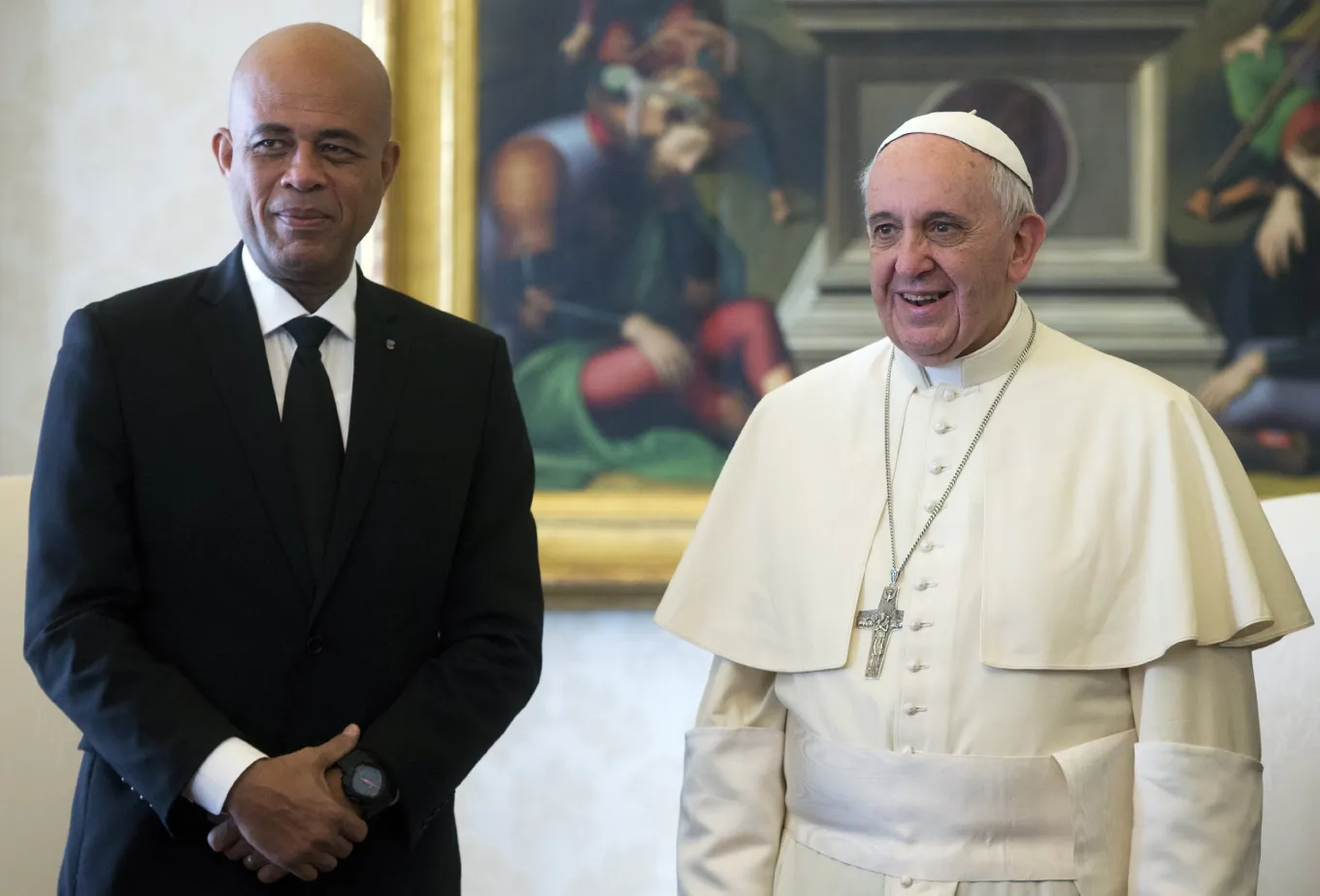
Papal finances encompass the vast network of revenue streams, administrative institutions, investments, and budgetary controls that fund the global operations of the Roman Catholic Church, its central governing body the Holy See, and Vatican City State. Managing these ecclesiastical assets requires balancing centuries-old traditions of charity with modern financial regulations, independent auditing standards, and international banking compliance.
The Historical Evolution of Papal Wealth and Administration
To comprehend modern papal finances, one must trace their evolution from medieval territorial holdings to contemporary centralized governance. For centuries, the papacy derived its primary income from the Papal States—vast swaths of central Italy governed directly by the popes. The loss of these territories in 1870 stripped the Holy See of its traditional land-based tax revenues, forcing the church to restructure its economic model.
A pivotal turning point arrived with the Lateran Treaty of 1929. This agreement between the Italian government and the Holy See established Vatican City State as an independent sovereign entity and provided financial compensation for the loss of the Papal States. This lump-sum settlement formed the bedrock of the modern investment portfolio managed by the Administration of the Patrimony of the Apostolic See (APAS). Throughout the twentieth century, these funds were diversified into global equities, real estate, and government bonds.
In recent decades, structural deficits, fluctuating currency markets, and legal controversies necessitated sweeping administrative reforms. Successive pontificates have gradually dismantled the historically opaque financial architecture, replacing fragmented departmental silos with centralized oversight bodies. Today, the administration operates under strict international scrutiny, moving away from decentralized discretionary spending toward transparent, standardized accounting procedures.
Key Institutions Governing Vatican Curial Budgets
The financial architecture of the Holy See is distributed across several key curial offices, each with distinct mandates, asset portfolios, and operational responsibilities. Understanding how these entities interact is essential for analyzing the Vatican's overall economic health.
The Secretariat for the Economy, established in 2014, functions as the central regulatory and supervisory authority for all economic and financial activities within the Roman Curia. It oversees annual budgets, consolidated financial statements, and human resource policies across various dicasteries. By consolidating fiscal control, the Secretariat aims to eliminate redundancies and enforce rigorous spending limits.
The Administration of the Patrimony of the Apostolic See acts effectively as the central bank and sovereign wealth manager of the Vatican. APAS manages real estate holdings both inside Vatican City and across major European capitals, alongside a diverse portfolio of financial securities. These assets generate vital returns used to subsidize the operational shortfalls of the Roman Curia.
The Institute for the Works of Religion, commonly known as the Vatican Bank, serves a specialized function. Rather than operating as a retail bank for the general public, IOR manages accounts for religious orders, dioceses, Vatican employees, and embassies accredited to the Holy See. Over the past decade, the bank has closed thousands of dormant or non-compliant accounts to align with international anti-money laundering standards monitored by MONEYVAL, the Council of Europe's anti-money laundering body.
Primary Revenue Streams and Expenditure Categories
The financial inflows sustaining the Holy See are diverse, relying heavily on global contributions, real estate yields, and investment returns rather than commercial taxation.
Peter's Pence stands as one of the most visible revenue streams. This global collection, gathered annually from parishioners worldwide on or near the Solemnity of Saints Peter and Paul, is earmarked directly for the pope's charitable works and humanitarian relief efforts, as well as the administrative costs of running the Roman Curia. However, declining contributions and changing donor demographics have created budgetary pressures in recent years.
| Revenue or Expense Category | Primary Source or Recipient | Core Purpose |
|---|---|---|
| Peter’s Pence | Global Catholic parish collections | Pope’s charitable works and curial administration |
| Curial Contributions | Diocesan donations and institutional fees | Funding specific offices of the Roman Curia |
| Real Estate Yields | APAS-managed commercial and residential properties | Generating long-term investment returns |
| Personnel Costs | Salaries and pensions for Vatican employees | Sustaining active and retired administrative staff |
| Diplomatic Missions | Nunciatures worldwide | Maintaining international diplomatic relations |
Expenditures are dominated by personnel costs, which routinely account for roughly half of the Holy See's operating budget. Vatican City State and the Roman Curia employ thousands of lay workers, priests, and religious personnel who require competitive wages, healthcare benefits, and future pension funding. Other major expenditure categories include the maintenance of historic architectural landmarks, international diplomatic missions, and communications infrastructure such as Vatican News and the Holy See Press Office.
Transparency Initiatives and Regulatory Compliance
In response to historical scandals and external pressure from international financial regulators, the Holy See has implemented sweeping legislative reforms aimed at achieving absolute transparency and compliance with global financial norms.
The establishment of the Financial Information Authority, now known as the Supervisory and Financial Information Authority (ASIF), marked a major milestone. ASIF acts as the independent competent authority for prudential supervision and anti-money laundering compliance within Vatican entities. It collaborates with international intelligence units to trace suspicious transactions and ensure that Vatican financial institutions are not utilized for illicit purposes.
Furthermore, the Vatican enacted strict procurement laws requiring open bidding for contracts exceeding specified monetary thresholds. These rules curtail the historical practice of awarding lucrative service and supply contracts without competitive review. Independent auditing firms, including major international accounting practices, are now regularly engaged to audit the consolidated financial statements of the Holy See, bringing its reporting standards closer to those of secular corporations and governments.
Financial Challenges Facing Modern Administration
Despite aggressive modernization and regulatory compliance efforts, the Vatican faces persistent structural deficits. The Roman Curia has historically operated at a deficit, meaning operational expenses routinely outpace incoming revenues from investments, diocesan contributions, and donations.
Compounding these operational shortfalls is the critical liability posed by the Vatican Pension Fund. Like many sovereign pension schemes globally, the fund faces a growing demographic imbalance between active contributors and retired beneficiaries, threatening long-term solvency if unaddressed. Real estate holdings, while extensive, often include historic properties that incur high maintenance and restoration costs while generating relatively low commercial yields.
Addressing these challenges requires ongoing fiscal discipline, prudent asset management, and a cultural shift toward financial sustainability across all levels of church governance.
Frequently Asked Questions About Papal Finances
How is the Vatican funded if it does not collect taxes?
The Vatican relies on a combination of investment returns, real estate rentals, museum ticket sales, and global donations. The most notable donation channel is Peter's Pence, supplemented by contributions from dioceses worldwide and revenues generated by Vatican City services such as the Vatican Museums and the Philatelic and Numismatic Office.
What is the role of the Institute for the Works of Religion?
The Institute for the Works of Religion acts as a specialized financial institution providing banking services exclusively to Catholic institutions, religious orders, clergy, and Vatican employees. It does not function as a commercial bank for the general public and operates under strict oversight from financial regulators.
Are papal finances audited by independent external firms?
Yes. In alignment with modern financial governance standards, the Holy See engages major international auditing firms to review its consolidated financial statements. These audits are designed to ensure compliance with international accounting principles and detect financial irregularities.
How much control does the pope have over Vatican funds?
While the pope holds supreme legislative and executive authority over Vatican City State and the Holy See, administration is delegated to specialized bodies like the Secretariat for the Economy and APAS. Major financial decisions require adherence to canon law, civil law of Vatican City, and established budgetary protocols.
What happened to the Peter's Pence funds controversy?
Investigations revealed that a portion of Peter's Pence donations and liquid assets had been utilized for speculative real estate investments, notably a luxury property in London. This led to a high-profile criminal trial in Vatican City, subsequent asset seizures, and the implementation of stricter internal controls to ring-fence charitable donations from speculative investments.
Strategic Oversight and Future Fiscal Planning
Ensuring the long-term viability of papal finances requires maintaining rigorous adherence to international financial standards and transparent budgeting practices. Stakeholders, donors, and ecclesiastical administrators must prioritize accountability, risk management, and ethical investing. For those monitoring these developments, consulting official annual financial reports published by the Secretariat for the Economy provides the most accurate, verified data regarding the economic state of the Holy See.