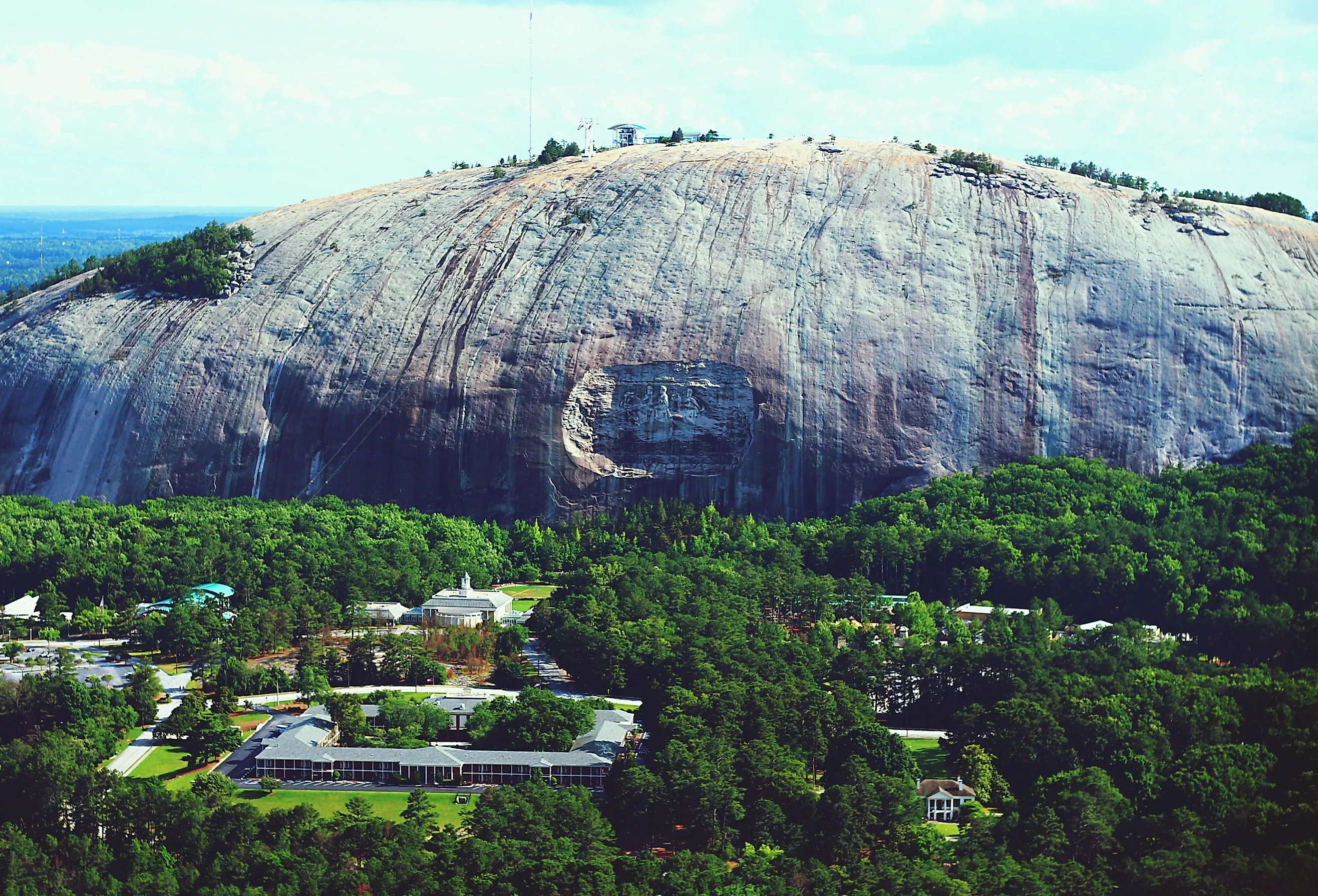
Stone Mountain Park is owned by the State of Georgia and managed by the Stone Mountain Memorial Association (SMMA), a state-created authority. However, since 1998, the park’s commercial operations, attractions, and lodging have been managed by a private corporation, Herschend Family Entertainment, under a long-term lease agreement.
Stone Mountain Park represents a unique hybrid of public land ownership and private enterprise. While the 3,200-acre site is officially a state-owned park, the way it is governed, funded, and operated involves a complex interplay between Georgia state law, a government-appointed board, and one of the largest family-owned themed attraction companies in the United States. To understand who truly "owns" the experience of Stone Mountain, one must distinguish between the legal title to the land and the operational control of the facilities.
The Stone Mountain Memorial Association (SMMA): The Legal Custodian
The primary entity responsible for Stone Mountain Park is the Stone Mountain Memorial Association. Established by the Georgia General Assembly in 1958, the SMMA is a "state authority." In Georgia’s administrative framework, an authority is a public corporation created by the state to perform specific functions—in this case, to maintain and operate Stone Mountain as a public recreation area and a memorial.
The SMMA holds the legal title to the land on behalf of the people of Georgia. Because it is an authority, it operates somewhat independently of the standard state department structure (like the Department of Natural Resources). The SMMA does not typically receive annual tax appropriations for its daily operations; instead, it is designed to be self-supporting, generating revenue through parking fees, leases, and other internal mechanisms.
Governance and Board Appointments
The governance of the SMMA is handled by a Board of Directors. As of 2026, this board continues to be appointed by the Governor of Georgia. These members are tasked with overseeing the park’s long-term strategy, ensuring the preservation of the natural environment, and managing the contractual relationship with private operators. Because the board is governor-appointed, the ultimate accountability for the park’s management rests with the state’s executive branch.
The SMMA’s responsibilities include:
- Conservation: Protecting the 3,200 acres of forest, lakes, and the quartz monzonite dome itself.
- Infrastructure: Maintaining the roads, hiking trails, and public spaces that fall outside the private attraction zones.
- Memorial Oversight: Ensuring the park complies with state laws regarding the Confederate memorial carving on the mountain’s north face.
Herschend Family Entertainment: The Operational Partner
While the state owns the dirt and the stone, the rides, restaurants, and hotels are managed by Herschend Family Entertainment (specifically through its subsidiary, Stone Mountain Park Management, Inc.). Based in Peachtree Corners, Georgia, Herschend is well-known for owning and operating other major attractions like Dollywood in Tennessee and Silver Dollar City in Missouri.
The partnership began in 1998 when the SMMA sought to privatize the commercial aspects of the park to improve profitability and guest experience. Under this agreement, Herschend pays a lease fee to the SMMA for the right to operate the "attractions area." This includes the Summit Skyride, the Scenic Railroad, the Antebellum Plantation, and various seasonal events like the Pumpkin Festival and the Christmas celebration.
The Scope of Private Control
Herschend’s role is primarily focused on the "theme park" elements. They are responsible for the staff, the marketing of attractions, and the maintenance of the commercial buildings. This separation allows the state to benefit from private-sector expertise in hospitality while retaining ownership of the land. In 2026, this partnership remains a cornerstone of the park’s financial model, ensuring that the state does not have to use taxpayer funds to upgrade high-tech attractions or manage complex hospitality logistics.
The Legislative Framework: Georgia Code and the Memorial
The ownership and management of Stone Mountain are not merely matters of corporate contract; they are strictly governed by state law. Specifically, Official Code of Georgia Annotated (O.C.G.A.) § 50-3-1 contains provisions that mandate the preservation of the Confederate Memorial.
This law dictates that the mountain carving and the memorial nature of the park "shall be preserved and protected for all time as a tribute to the Confederate States of America." This legal requirement is a significant factor in how the SMMA manages the site. Even though the SMMA is an independent authority, it cannot unilaterally decide to alter the carving or remove Confederate symbols without legislative action from the Georgia General Assembly.
This legal entanglement often creates a complex environment for the private operator, Herschend Family Entertainment. While Herschend manages the "fun" aspects of the park, they must operate within a landscape where the state-mandated memorial status is a permanent fixture. This distinction is vital for visitors to understand: the "brand" of the attractions is managed by a private company, but the "identity" of the land is dictated by the State of Georgia.
Revenue and Funding: Who Pays for Stone Mountain?
A common question regarding ownership is whether Georgia taxpayers fund the park. Under the current authority model, the answer is generally no. Stone Mountain Park is designed to be financially self-sufficient.
| Revenue Source | Recipient | Primary Use |
|---|---|---|
| Daily/Annual Parking Fees | Stone Mountain Memorial Association | Infrastructure, road repair, trail maintenance, and security. |
| Attraction Tickets (Skyride, etc.) | Herschend Family Entertainment | Operational costs, staff wages, and attraction upgrades. |
| Hotel & Lodging Revenue | Herschend (Marriott/Lease) | Maintenance of the Evergreen Resort and the Inn. |
| Lease Payments | Stone Mountain Memorial Association | Administrative costs and capital improvement funds. |
The SMMA uses the revenue from the $20+ parking permits (2026 rates) and the lease payments from Herschend to fund the public-facing side of the park. This includes the police department (Stone Mountain Park Police), fire services, and the upkeep of the 15 miles of nature trails. This model ensures that the park remains an asset to the state without being a drain on the general fund.
Historical Evolution of Ownership
The ownership of Stone Mountain has changed hands several times since the 19th century. Understanding this history clarifies why the state ultimately took control.
- Private Ownership (The Venable Family): In 1887, the mountain was purchased by the Venable Brothers for its granite quarrying potential. The family held the land for decades and were the ones who originally granted permission to the United Daughters of the Confederacy to begin the carving project in the 1920s.
- State Acquisition (1958): Under the urging of Governor Marvin Griffin, the Georgia General Assembly moved to purchase the mountain and the surrounding land. The state paid approximately $1.125 million to the Venable family in 1958.
- The Creation of the SMMA: Simultaneously with the purchase, the state created the Stone Mountain Memorial Association to oversee the completion of the carving and the development of a public park.
- The Privatization Shift (1998): After decades of direct state management of the attractions, the SMMA transitioned to the public-private partnership model with Herschend Family Entertainment to modernize the park’s commercial offerings.
The Role of the Governor and the General Assembly
Because the State of Georgia is the owner, political leadership in Atlanta has a direct impact on the park. The Governor of Georgia not only appoints the board members but also influences the direction of the park's development. In recent years, there have been discussions regarding "contextualizing" the memorial, but any substantive changes to the mountain's ownership or the carving's status would require a vote by the Georgia General Assembly.
The SMMA serves as a buffer between the state government and the private operator. It ensures that while Herschend focuses on profitability and guest satisfaction, the state's mandates for conservation and historical preservation are upheld.
FAQ: Ownership and Management
Is Stone Mountain a National Park?
No, Stone Mountain Park is not a National Park. It is a Georgia State Park, though it is managed by a state authority (SMMA) rather than the Georgia Department of Natural Resources (DNR). It does not fall under the jurisdiction of the National Park Service.
Does the City of Stone Mountain own the park?
No. The City of Stone Mountain is a separate municipality that borders the park. While they share a name and historical ties, the city has no ownership stake or management authority over the park itself.
Who is responsible for security within the park?
The Stone Mountain Memorial Association maintains its own dedicated police department, the Stone Mountain Park Police. They have jurisdiction within the park boundaries to ensure the safety of visitors and the protection of state property.
Can the state sell Stone Mountain to a private developer?
While theoretically possible through legislative action, it is highly unlikely. The park is protected by specific state statutes, and the land is considered a public trust. The current 1998 lease with Herschend is for management and operation, not ownership of the land.
Does the NAACP or other organizations have a say in ownership?
Non-governmental organizations (NGOs) and advocacy groups do not have ownership stakes. However, they often engage in public discourse and legal challenges regarding the park's memorial status, influencing the SMMA board and state legislators.
Who owns the Marriott hotels inside the park?
The land is owned by the State of Georgia (SMMA). The buildings and the operational rights are part of the lease agreement managed by Herschend Family Entertainment, which often partners with major hotel brands like Marriott to provide management services for the Evergreen Resort and the Stone Mountain Inn.
Current Status and Next Actions for Visitors
In 2026, visitors to Stone Mountain Park should recognize that they are entering state-owned land managed for both recreation and historical purposes. If you have questions regarding the governance of the park or wish to attend public meetings of the Stone Mountain Memorial Association, you can contact the SMMA administrative offices directly.
For those interested in the recreational side—such as purchasing tickets for the laser show or the Skyride—interactions will be with Herschend Family Entertainment staff. Understanding this distinction helps visitors navigate who to contact for different needs:
- For park rules, security, or trail maintenance: Contact the Stone Mountain Memorial Association.
- For tickets, event schedules, or lodging reservations: Contact the Stone Mountain Park commercial office (Herschend).
The hybrid ownership model remains a subject of ongoing discussion in Georgia, but as of 2026, the state remains the firm legal owner, ensuring that one of the state's most famous natural landmarks stays in public hands for the foreseeable future.