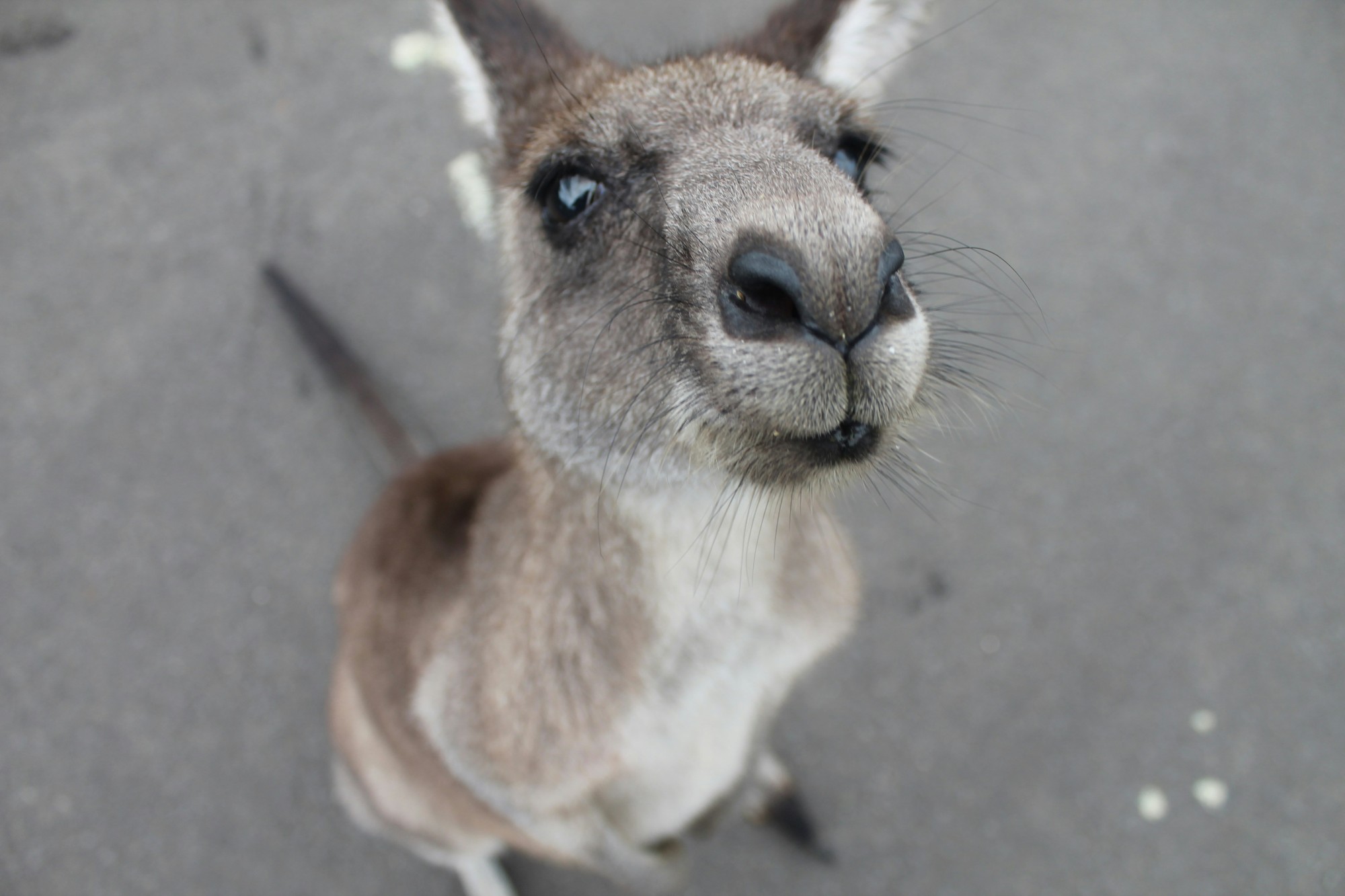
In Wisconsin, it is legal to own a kangaroo at the state level because they are not classified as protected native wildlife or strictly prohibited invasive species. However, legal ownership is subject to local municipal ordinances, which often ban "wild" or "exotic" animals, and federal USDA permits are required if you intend to breed, sell, or exhibit the animal.
While Wisconsin is frequently cited as one of the most permissive states in the U.S. regarding exotic animal ownership, the reality of keeping a macropod (the family of animals including kangaroos and wallabies) involves a complex overlap of state statutes, local zoning laws, and significant husbandry challenges. As of 2026, the legal landscape remains largely decentralized, meaning your right to own a kangaroo depends almost entirely on your specific ZIP code and your ability to meet federal oversight standards if your ownership extends beyond a simple "pet" status.
The Legal Framework: Wisconsin State Statutes
Wisconsin's approach to exotic animals is governed primarily by the Department of Natural Resources (DNR) and the Department of Agriculture, Trade and Consumer Protection (DATCP). Unlike many states that maintain a "prohibited species" list that includes all non-domesticated mammals, Wisconsin’s statutes focus heavily on protecting native species and preventing the spread of agricultural diseases.
Under Wisconsin State Statute Chapter 169, the DNR regulates the possession, propagation, and sale of "native" wild animals. Because kangaroos are indigenous to Australia and not native to the North American continent, they generally do not fall under the DNR’s jurisdiction for captive wildlife permits. This lack of state-level regulation creates a "permissive" environment where, unless a species is explicitly banned (such as certain harmful invasive fish or insects), it is technically legal to possess.
However, the DATCP may step in regarding health certificates. If you are bringing a kangaroo into Wisconsin from another state, you must comply with ATCP 10.07, which requires a certificate of veterinary inspection (CVI) and potentially specific disease testing to ensure the animal does not pose a threat to Wisconsin's livestock industry.
Local Ordinances: The True Barrier to Ownership
While the state might not stop you, your city, village, or town board likely will. Wisconsin operates under a "Home Rule" philosophy, which grants local governments significant authority to protect public health and safety. Most urban and suburban municipalities in Wisconsin—including Milwaukee, Madison, Green Bay, and Waukesha—have specific ordinances that prohibit the keeping of "wild, exotic, or ferocious" animals.
Before pursuing a kangaroo, you must contact your local municipal clerk or animal control office to request a copy of the specific animal ordinances. These laws usually fall into three categories:
- Outright Bans: Many cities list specific families of animals (like Macropodidae) or use broad language like "any animal not naturally found in a domestic setting" to prohibit ownership.
- Permit-Based Systems: Some rural counties allow exotic animals if the owner applies for a special use permit, which often requires a public hearing and the consent of neighboring property owners.
- Zoning Restrictions: Even if the animal is legal, your property might not be. Kangaroos require significant space, and local zoning may require you to have a minimum number of acres (often 5 to 10) and a specific "Agricultural" or "Rural Residential" zoning designation.
Federal Requirements and the USDA
If your intention for owning a kangaroo goes beyond keeping it as a strictly private, non-commercial pet, you fall under the jurisdiction of the U.S. Department of Agriculture (USDA). The Animal Welfare Act (AWA) requires individuals who exhibit, breed for sale, or transport exotic animals to hold a federal license.
- Class A License (Breeder): Required if you intend to sell kangaroos to others.
- Class C License (Exhibitor): Required if you show the animal to the public, even for educational or non-profit purposes (e.g., taking a kangaroo to a school or a local fair).
The USDA maintains strict standards for cage size, sanitation, veterinary care, and record-keeping. If you are found to be "exhibiting" an animal without a license—which can include posting monetized videos of the animal on social media in some 2026 interpretations of the AWA—you could face significant fines and seizure of the animal.
Physical and Biological Requirements of Kangaroos
Kangaroos are not "large dogs" or "domesticated pets." They are wild animals with highly specialized needs that are difficult to meet in the Midwestern climate. Red Kangaroos, the largest of the species, can stand over five feet tall and weigh up to 200 pounds. Even the smaller Bennett's Wallaby, which is more common in the pet trade, has intense physical requirements.
Enclosure and Fencing
Kangaroos are phenomenal jumpers. A standard four-foot backyard fence is insufficient and dangerous. For a Red Kangaroo, you will need a fence that is at least 6 to 8 feet high. The fence must also be "non-climb" and securely anchored to the ground. Kangaroos are prone to "fence fighting" or charging fences if they feel threatened, so the material must be strong yet flexible enough not to cause blunt-force trauma.
The Wisconsin Winter Problem
Kangaroos are indigenous to arid and temperate regions of Australia. They are not biologically equipped for Wisconsin winters, where temperatures regularly drop below zero. To own a kangaroo in Wisconsin humanely, you must provide a climate-controlled barn or shelter. This space must be kept at a minimum of 50-60 degrees Fahrenheit and must have specialized flooring to prevent "Lumpy Jaw" (necrobacillosis), a common and often fatal bacterial infection in macropods caused by poor hygiene or abrasive surfaces.
Dietary and Veterinary Specialized Care
Their diet consists of specialized high-fiber pellets, high-quality hay (like Timothy or orchard grass), and fresh greens. They are highly susceptible to Vitamin E deficiencies. Furthermore, finding a veterinarian in Wisconsin who is qualified to treat macropods is exceptionally difficult. Most "small animal" vets will not see them, and "large animal" vets are often focused on bovine or equine health. You should secure a specialized exotic animal vet before the animal arrives.
Comparative Costs of Macropod Ownership (2026 Estimates)
| Expense Category | Estimated Initial Cost | Estimated Annual Maintenance | Notes |
|---|---|---|---|
| Purchase Price | $2,500 – $6,000 | N/A | Prices vary by species and age. |
| Enclosure/Fencing | $5,000 – $15,000 | $500 | High-tensile, 8ft fencing and gate systems. |
| Heated Barn/Shelter | $10,000 – $25,000 | $1,200 – $2,400 | Includes insulation, heating, and specialized flooring. |
| Diet & Nutrition | N/A | $1,500 – $3,000 | Pellets, hay, supplements, and fresh browse. |
| Veterinary Care | $500 – $1,000 | $500 – $2,000 | Includes "wellness" exams and emergency funds. |
| Permits & Insurance | $100 – $500 | $500 – $1,500 | Liability insurance is often required for exotics. |
Social and Ethical Considerations
Kangaroos are highly social animals that live in groups called "mobs." Keeping a single kangaroo in isolation is widely considered inhumane by wildlife experts. Isolation leads to severe stress, depression, and destructive behaviors. If you are considering ownership, you should realistically plan for at least two animals, which doubles the space and financial requirements.
Furthermore, "zoning out" or "humanizing" a kangaroo can be dangerous. While they look cuddly as joeys, adult males (bucks) are extremely powerful and can be aggressive during mating season or when they feel territorial. They use their powerful tail for balance while kicking with both hind legs, which can easily cause internal injuries or broken bones to a human.
Common Pitfalls for Wisconsin Owners
- Ignoring the "No Exotic Animals" Clause: Many owners assume that if they live on five acres, they are "rural" enough. However, many townships have updated their codes in the last five years to specifically target exotic mammal ownership following high-profile escapes or bite incidents.
- Homeowners Insurance Cancellations: Most standard homeowners insurance policies have "animal liability" exclusions. Owning an exotic animal like a kangaroo can lead to the immediate cancellation of your policy or a massive hike in premiums.
- Transport Across State Lines: If you buy a kangaroo from a breeder in a neighboring state (like Illinois or Iowa), you must ensure you have the proper interstate transport permits. Failure to do so can result in the animal being confiscated at the border or during a routine vet visit.
- The "Cute Joey" Trap: Joeys require "pouch time" and can be incredibly demanding, requiring bottle feeding every few hours. Many owners are unprepared for the transition from a 10-pound joey to a 150-pound adult.
Can you own a kangaroo in a residential neighborhood?
Generally, no. Most residential neighborhoods are subject to municipal codes that restrict livestock and exotic animals. Even if the city allows it, Homeowners Association (HOA) rules almost always prohibit non-domestic animals. The noise and unique containment needs (8-foot fences) are also likely to trigger neighbor complaints and zoning investigations.
Do I need a permit from the Wisconsin DNR?
No, the Wisconsin DNR does not typically issue permits for kangaroos because they are not native wildlife. However, you should still check with the Wisconsin Department of Agriculture, Trade and Consumer Protection (DATCP) regarding importation and health requirements if the animal is coming from outside the state.
Are kangaroos dangerous to have around children?
Yes, they can be. While they are not predators, kangaroos are powerful wild animals with strong flight-or-fight instincts. A frightened kangaroo can kick with immense force, and their sharp claws can cause deep lacerations. Adult males are especially prone to aggressive displays of dominance.
How long do kangaroos live in captivity?
With proper care, kangaroos can live 15 to 20 years in captivity. This is a significant long-term commitment that involves daily care, specialized feeding, and the maintenance of expensive heated facilities throughout their entire life.
Is it better to get a wallaby instead of a kangaroo?
Bennett’s Wallabies are often preferred for private ownership because they are smaller (generally 30-50 pounds) and more manageable than Red or Grey Kangaroos. However, their care requirements—including the need for specialized fencing, heated shelters, and social interaction—remain essentially the same as their larger relatives.
Next Steps for Prospective Owners
If you have confirmed that your local zoning allows for macropod ownership, your first step should be to secure a consultation with a veterinarian who specializes in exotic wildlife. You will need a signed letter from a vet stating they are willing to provide care for the animal before most reputable breeders will even consider selling to you.
Once medical care is secured, visit a facility that houses kangaroos to experience the reality of their care firsthand. Volunteering at a licensed wildlife sanctuary or zoo can provide invaluable insight into the sheer amount of waste management, fence maintenance, and social engagement these animals require. Never purchase a kangaroo on impulse; ensure your infrastructure—specifically a heated, predator-proof barn and high-tensile fencing—is fully constructed and inspected before the animal arrives on your property.