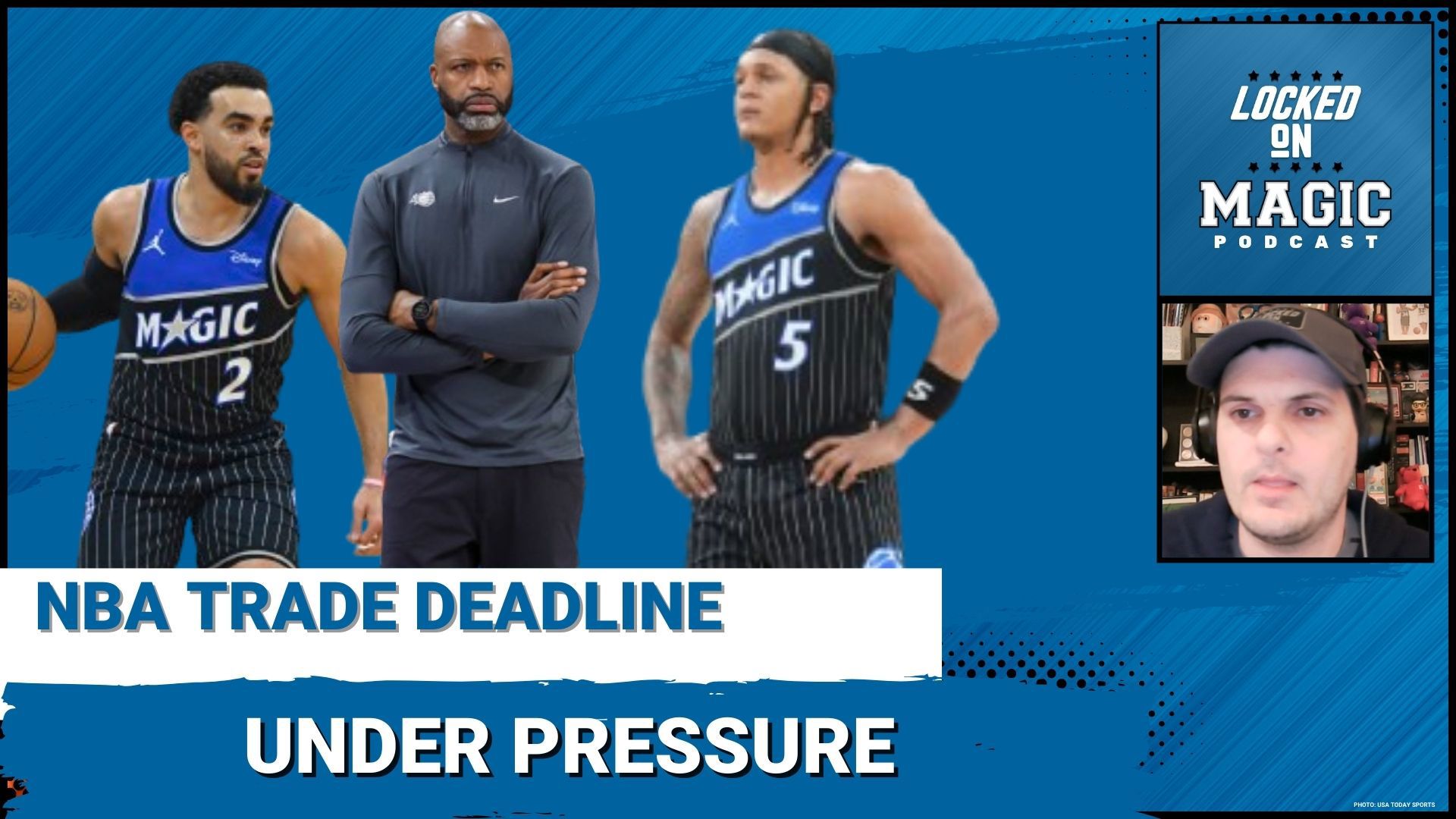
The Orlando Magic navigate the NBA trade market by balancing a youthful, defensively anchored core with calculated financial flexibility, aiming to optimize their current roster construction while preserving long-term salary cap health for future extensions and acquisitions.
Building a competitive NBA franchise requires a delicate equilibrium between immediate roster enhancement and long-term financial flexibility. For the Orlando Magic, this strategic dance takes center stage during every transaction window and trade cycle. As the front office evaluates current roster moves, the primary objective centers on maximizing the potential of a young core led by Paolo Banchero and Franz Wagner. Achieving this requires meticulous navigation of the NBA collective bargaining agreement (CBA), luxury tax thresholds, and future draft capital. Analyzing how these personnel decisions impact the salary cap reveals the overarching philosophy guiding Orlando's front office as they approach the trade market.
Roster Construction and the Core Philosophy of the Front Office
The foundation of the Orlando Magic's current roster relies heavily on length, defensive versatility, and multi-positional playmaking. Under the leadership of the front office and coaching staff, the team has systematically accumulated players who can switch multiple positions on defense while attacking gaps in opposing defenses. However, modern NBA success demands floor spacing and consistent perimeter shooting—areas where the Magic have historically sought external upgrades.
Current roster moves typically focus on rounding out the rotation rather than disrupting the primary rotation pillars. The front office prioritizes players on value contracts or rookie-scale deals who can immediately contribute without stifling financial maneuverability. When evaluating trade targets, general managers look for profiles that complement the primary offensive creators. This means acquiring catch-and-shoot threats, veteran locker room presences, or secondary playmakers who can stabilize bench units during high-leverage stretches of the regular season.
Salary Cap Landscape and Financial Flexibility
Understanding Orlando's salary cap situation is essential to evaluating any trade rumor or completed transaction. The NBA salary cap functions as a dynamic ceiling, and teams operate under strict rules regarding apron levels, exceptions, and traded player exceptions (TPEs). Historically, the Magic have maintained a clean cap sheet, avoiding burdensome long-term commitments that could restrict their ability to re-sign internal draft picks.
As core rookie-scale contracts approach their expiration and extension windows, managing future salary cap allocations becomes paramount. Trading for a player with multi-year commitments requires weighing their on-court production against the impending cap hits of franchise cornerstones.
| Roster Asset Category | Cap Impact Type | Strategic Flexibility | Long-Term Implication |
|---|---|---|---|
| Rookie-Scale Contracts | Low to Moderate | High (Team Control / RFA) | Core retention priority |
| Veteran Expirers | Flexible | High (Trade Chips / Cap Space) | Relieve future commitments |
| Multi-Year Mid-Tier | Fixed | Moderate (Hard to Move) | Bench stability vs. restriction |
| Maximum Extensions | High | Low (Absorbs Cap Space) | Defines financial ceiling |
This financial structuring ensures that the franchise can absorb incoming salary via trades without triggering restrictive apron penalties, keeping all options open when identifying difference-makers across the league.
NBA Trade Deadline Strategy: Buyers vs. Builders
When the NBA trade deadline approaches, every franchise must honestly assess its competitive tier. For the Orlando Magic, the strategy has evolved from a pure rebuilding posture to a targeted, opportunistic approach. Rather than mortgaging the future for a short-term rental, the front office values asset accumulation, specifically targeting players who fit the timeline of the core group.
Trade deadline execution generally falls into three operational buckets for Orlando:
- Consolidating Assets: Packaging multiple second-round draft picks or end-of-bench players to acquire a proven rotation contributor or floor spacer.
- Utilizing Traded Player Exceptions: Absorbing outgoing salary imbalances into existing exceptions generated from previous transactions, avoiding the need to match outgoing salaries dollar-for-dollar.
- Punt and Preserve: Standing pat if market valuations are inflated, preserving draft capital and salary flexibility for the offseason when more teams are willing to restructure their rosters.
This disciplined approach prevents panic moves and ensures that every asset surrendered yields a high return on investment relative to team needs.
Impact of Draft Capital and Future Flexibility
Draft picks remain the ultimate currency in NBA transactions. The Magic own a robust collection of their own future first-round picks alongside carefully accumulated capital from previous deals. This inventory allows Orlando to enter trade discussions from a position of strength.
However, holding draft picks is only half the equation; knowing when to deploy them defines elite front office execution. Trading a future first-round pick requires absolute certainty that the incoming player elevates the team’s playoff ceiling or addresses a critical structural weakness. Conversely, holding onto picks protects the franchise against unforeseen regressions or injuries, ensuring a steady influx of cost-controlled talent via the NBA Draft. Balancing this internal development pipeline with external acquisitions dictates the cadence of every trade season.
Evaluating Trade Outcomes and Common Pitfalls
Analyzing past and prospective trades involves examining both tangible box-score metrics and intangible locker-room dynamics. A common pitfall for developing teams is trading for high-usage veterans who disrupt the developmental curve of younger players. Effective roster management ensures that any incoming veteran understands their role, whether it involves mentoring younger athletes or executing specific tactical schemes off the bench.
Furthermore, front offices must guard against sinking too many financial resources into redundancy. If a roster features multiple players with overlapping skill sets, trading from a position of depth to address a glaring deficiency—such as three-point shooting efficiency or rim protection—is essential. The Magic's strategic calculus continuously measures these trade-offs to safeguard both team chemistry and financial sustainability.
Frequently Asked Questions
How do current roster moves affect the Orlando Magic's luxury tax status?
Current roster moves are deliberately structured to keep the Magic well below the luxury tax threshold. By prioritizing cost-controlled rookie contracts and expiring veteran deals, the front office preserves the financial headroom necessary to absorb future extensions for core players without incurring severe tax penalties.
What role do traded player exceptions play in Orlando's trade strategy?
Traded player exceptions allow the Magic to absorb incoming salary from opposing teams without having to send back an equivalent amount of player salary in return. This mechanism provides valuable flexibility when negotiating deals with teams looking to shed salary to avoid tax aprons.
Are the Magic considered buyers or sellers at the trade deadline?
The Magic operate as strategic buyers who prioritize long-term value over short-term fixes. They target players who fit their young defensive identity and timeline, avoiding expensive rentals that compromise future cap space or draft capital.
How does the front office value draft picks in trade discussions?
Draft picks are treated as high-value assets used exclusively to acquire difference-makers or clear necessary financial pathways. The front office prefers retaining control of their primary first-round selections unless a transaction significantly accelerates the team's competitive timeline.
What player archetypes are the Magic most likely to target in trades?
The Magic primarily target perimeter shooters, secondary playmakers, and versatile wing defenders who complement the skill sets of their primary foundational pieces. These targets must align with the franchise's emphasis on defensive switchability and team-first culture.
Strategic Outlook and Next Steps
Evaluating the Orlando Magic's position within the modern NBA trade landscape requires looking beyond individual box scores to examine the interplay between financial discipline, asset management, and developmental timing. Fans and analysts monitoring upcoming roster adjustments should focus on how expiring contracts are utilized, the management of traded player exceptions, and the strategic deployment of future draft capital. By maintaining flexibility while making calculated, high-value additions, the front office ensures the franchise remains competitive in the Eastern Conference while building a sustainable foundation for long-term success.