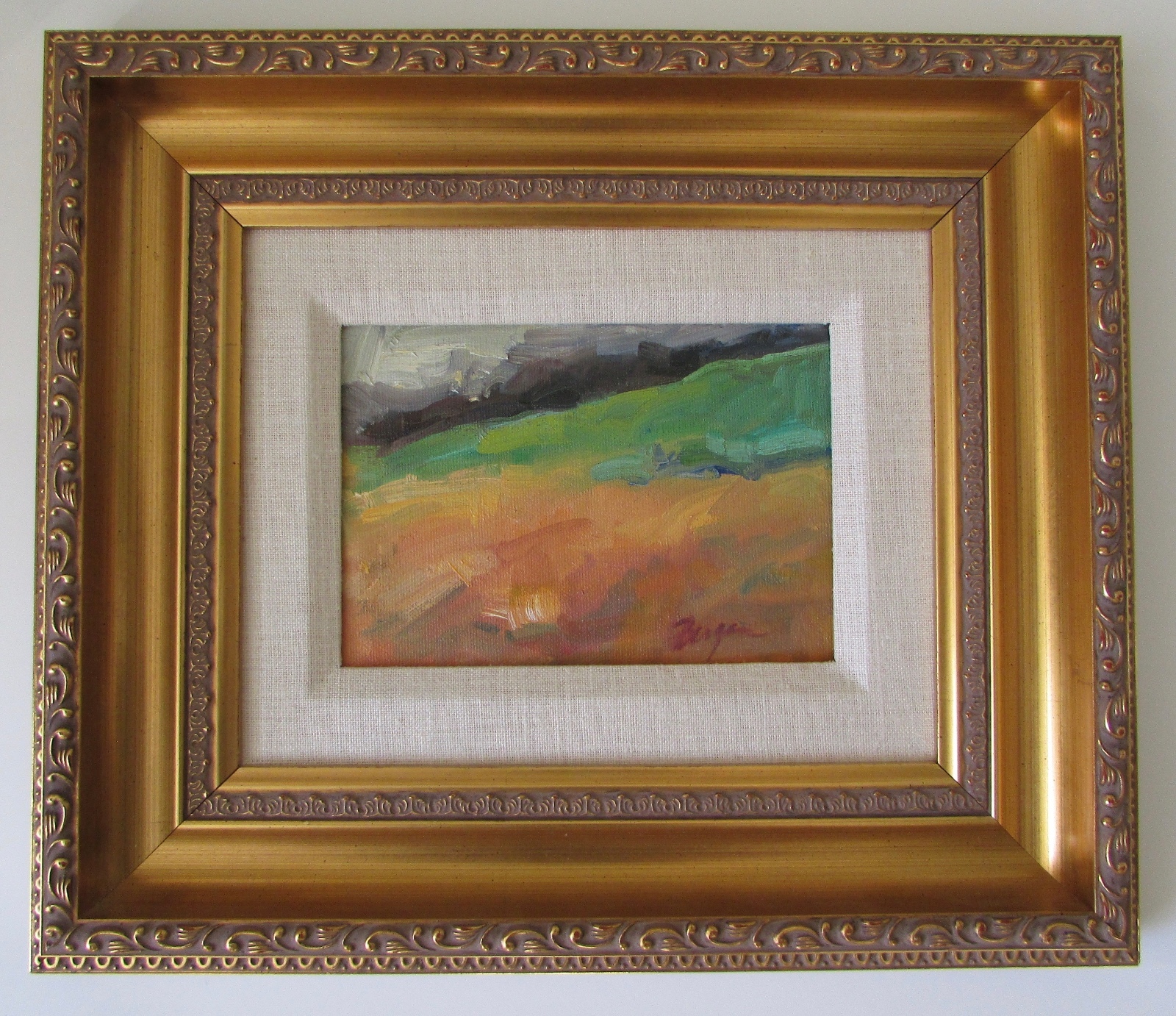
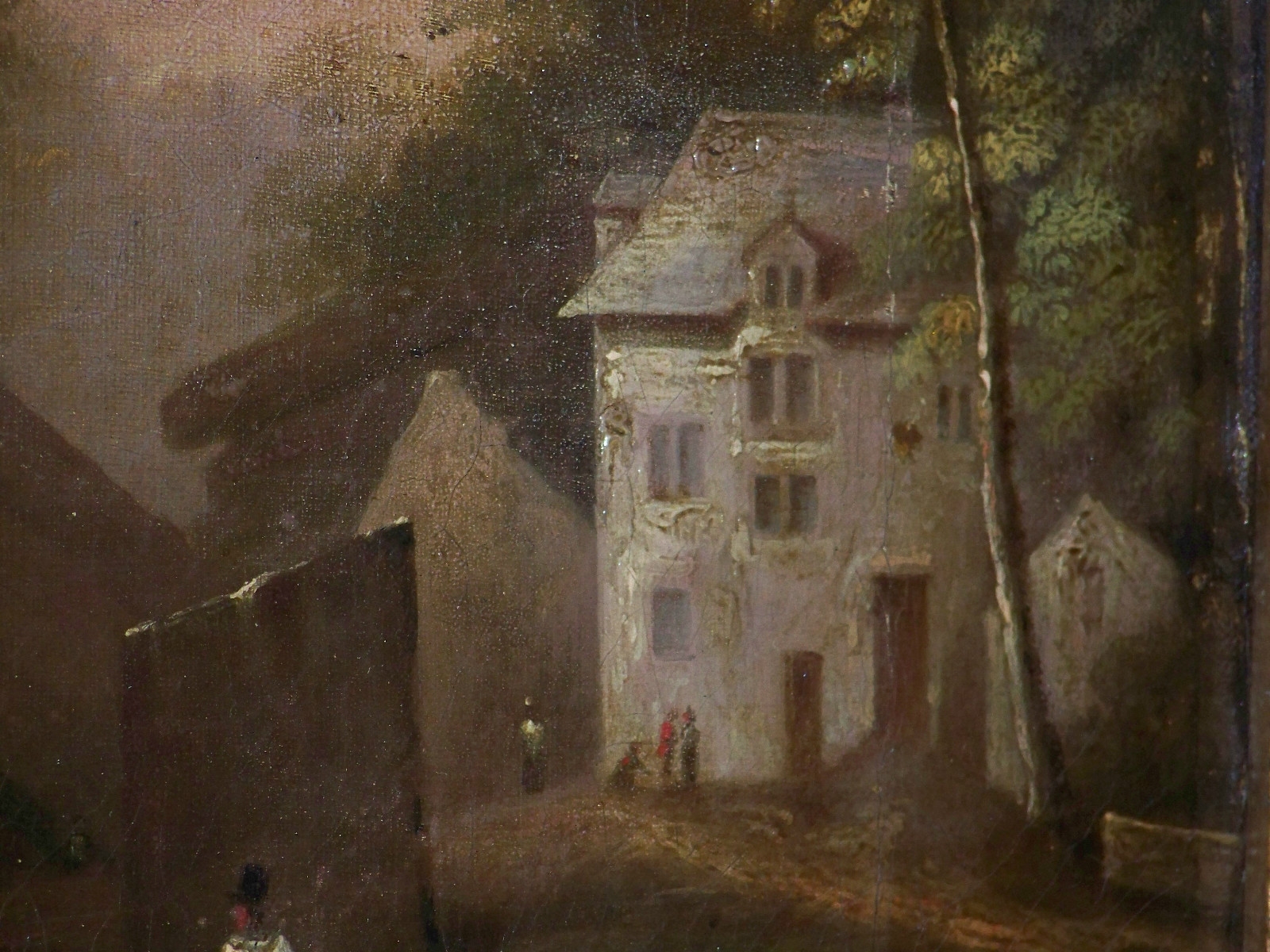
An oil painting signed "R. Bergen" typically represents a mid-19th to mid-20th-century European landscape, pastoral, or coastal artwork created within the Northern European or Scandinavian painterly traditions. The artist's profile emphasizes realistic light rendering, muted natural earth tones, and structured compositional depth. Tracing its exact origin involves analyzing signature typography, canvas weave, stretcher construction, and physical provenance markers.
Artistic Profile and Stylistic Features of R. Bergen Works
The artistic profile associated with the signature R. Bergen displays a firm grounding in traditional European oil painting techniques. While multiple regional painters and studio artists have signed works with variations of this name across different eras, the vast majority of these compositions feature classical landscape, maritime, or village subjects. The visual aesthetic draws heavily from 17th-century Dutch realism and 19th-century Romantic naturalism, translating quiet rural environments into atmospheric oil compositions.
Subject Matter and Compositional Motifs
Paintings bearing the R. Bergen signature frequently center on naturalistic settings. The most common subjects include:
- Pastoral and Forest Landscapes: Winding dirt paths through dense birch or oak woodlands, quiet riverbanks, and open meadows under cloud-filled skies.
- Rustic Architecture: Thatched-roof cottages, timbered barns, and distant church spires integrated seamlessly into rural surroundings.
- Marine and Coastal Views: Rocky shorelines, calm inlets, and small fishing vessels anchored under overcast atmospheric conditions.
Compositionally, the artist relies on established classical conventions. The horizon line is typically positioned across the lower third of the canvas to emphasize dynamic atmospheric conditions in the sky. Pathways, streams, or tree lines act as leading lines, drawing the viewer's eye from the foreground into the mid-ground and atmospheric distance.
- ATMOSPHERIC SKY (Cloud Formations & Light)
- MID-GROUND: Architectural Elements / Woodland Edge / Horizon
- FOREGROUND: Leading Pathways / Streams / Impasto Vegetation
Color Palette and Paint Application
The color palette utilized in R. Bergen paintings reflects a preference for organic, muted tones. Key chromatic choices include raw umber, burnt sienna, yellow ochre, sap green, and cobalt blue, contrasted with titanium or zinc white highlights. Rather than using harsh, saturated primary colors, the artist builds color harmony through subtle tonal transitions.
Technically, the paint application alternates between smooth, thin glazes in the background sky and thicker impasto brushwork in the foreground. Foliage, grass textures, and water ripples are frequently rendered using short, expressive brushstrokes or palette knife touches. This tactile variation creates physical texture on the canvas surface, catching ambient light and adding dimensional depth to the scene.
Historical Origins and Disambiguation of the "R. Bergen" Signature
Identifying the precise historical origin of an oil painting signed "R. Bergen" requires navigating several overlapping possibilities within Western art history. The surname Bergen—and its Dutch/Flemish variant van Bergen—appears frequently in art registries across the Netherlands, Germany, Sweden, and Denmark. Disambiguating the artist involves comparing physical markers against historical production trends.
- R. BERGEN SIGNATURE
- Dutch Golden Age Tradition (e.g., Dirck van Bergen lineage)
- 19th/20th-Century Scandinavian & Northern European Painters
- Mid-20th-Century Decorative Studio & Commercial Art
The Dutch and Flemish Lineage
The historical root of the surname in fine art traces back to the Dutch Golden Age, most notably represented by Dirck van Bergen (c. 1645–1690), a prominent Dutch master celebrated for pastoral landscapes and livestock studies. In subsequent centuries, descendants, followers, and 19th-century revivalist painters signed works with variants such as "R. v. Bergen" or "R. Bergen." These historical works are typically executed on heavy linen canvas or solid oak wood panels, secured within heavy gilt frames.
Scandinavian and Northern European 20th-Century Painters
During the early to mid-20th century, several regional artists operating in Sweden, Denmark, and Germany signed paintings as R. Bergen (or Ragnar/Rolf Bergen). These painters focused primarily on Nordic light, Nordic woodland landscapes, and quiet fjord settings. Works from this period reflect modern canvas preparation, industrial stretcher bars, and a slightly broader, more impressionistic brushwork style compared to 19th-century predecessors.
Mid-Century Commercial and Studio Productions
In the post-WWII era (1950s–1970s), European art studios frequently produced hand-painted oil landscapes for export to North American and European decor markets. European artists working in commercial ateliers often adopted pseudonyms or standardized signatures—including "R. Bergen"—to create marketable, high-quality decorative paintings. While these pieces are authentic oil paintings on canvas, they were created for commercial distribution rather than gallery exhibition.
Deciphering Iconography and Symbolic Meaning
Understanding the narrative and symbolic meaning behind an R. Bergen oil painting requires examining the cultural context of landscape art. Rather than portraying dramatic historical events, these works invoke tranquility, nostalgia, and a harmonious connection between human habitation and nature.
Romantic Naturalism and Solitude
The emphasis on unpopulated pathways, calm waters, and rustic dwellings reflects the core philosophy of Romantic naturalism. The absence of dense crowds or industrial elements serves a specific thematic purpose:
- Tranquility and Contemplation: The open path invites the viewer to mentally step into the landscape, offering a sense of respite from urban life.
- Permanence of Nature: Older stone cottages and mature trees symbolize stability, traditional heritage, and endurance across generations.
- Seasonal Impermanence: The inclusion of autumn foliage, overcast skies, or low twilight sun highlights the passage of time and natural cycles.
The Role of Atmospheric Light
Light is the primary expressive tool in R. Bergen paintings. The artist frequently captures breaking light through cloud cover (chiaroscuro effects), illuminating specific focal points such as a sunlit patch of grass, a whitewashed cottage wall, or a reflective water surface. Historically, light breaking through storm clouds in European landscape painting carried spiritual and emotional connotations of hope, renewal, and divine presence within nature.
Physical Examination and Authenticity Markers
To verify the construction period, authenticity, and technique of an R. Bergen oil painting, art historians and appraisers examine physical characteristics across both the front (recto) and back (verso) of the artwork.
Frontal Examination (Recto)
- Signature Dynamics: A genuine R. Bergen signature is typically painted in-paint (applied while the surrounding layer was wet or semi-dry) or signed directly over dry paint with matching age craquelure. Signatures applied over aged varnish with modern acrylic paint indicate secondary alterations.
- Craquelure Patterns: Authentic oil paintings aged 50 to 100+ years exhibit fine web-like cracking across the paint surface (craquelure). This cracking results from the natural drying of oil binders and the expansion/contraction of the wooden stretcher frame.
- Varnish Condition: Aged dammar or mastic varnishes yellow over time, giving the painting a warm, amber cast.
Reverse Examination (Verso)
The back of the painting often provides more definitive age evidence than the painted surface:
- CANVAS SUPPORT: Linen (Pre-1940) vs. Cotton Duck (Post-1950)
- STRETCHER CONSTRUCTION: Hand-Cut Miters vs. Machine Keys
- FASTENERS: Hand-Forged Tacks / Iron Nails vs. Industrial Staples
- LABELS: Gallery Stamps, Framing Labels, Inventory Stencils
Technical Evaluation Matrix
The following table summarizes the diagnostic physical features used to classify and evaluate oil paintings signed "R. Bergen":
| Evaluation Category | 19th-Century Original / Revival | Mid-20th-Century Regional Art | Mid-Century Commercial Studio |
|---|---|---|---|
| Primary Medium | Oil on fine linen or oak panel | Oil on stretched linen/cotton | Fast-drying oil on canvas |
| Stretcher Hardware | Square cut tacks, hand-carved wooden keys | Iron tacks, manufactured wooden keys | Modern industrial staples, lightweight pine |
| Paint Texture | Glazed layers with delicate impasto | Moderate impasto, wet-on-wet technique | Heavy palette knife work, wet-on-wet |
| Signature Placement | Lower left or right; aged with paint layer | Lower right; clear, single-pigment script | Lower right; stylized, uniform lettering |
| Frame Style | Ornate gesso & gold leaf carving | Molded plaster or carved hardwood | Lightweight mass-produced wood molding |
| Typical Valuation Range | $500 – $2,500+ USD | $200 – $800 USD | $75 – $250 USD |
Steps for Researching Provenance and Market Value
Determining the origin and current valuation of an R. Bergen oil painting requires a systematic research process combining physical inspection, archival search, and market analysis.
- Step 1: Document Physical Art (High-Res Photo & Dimensions)
- Step 2: Inspect Verso & Hardware (Check Tacks, Labels & Frame)
- Step 3: Conduct UV & Lens Test (Examine Signature & Paint)
- Step 4: Query Auction Databases (Compare Recent Sales Results)
- Step 5: Obtain Professional Appraisal (In-Person Fine Art Assessment)
1. Document Physical Dimensions and Condition
Measure the canvas size excluding the frame (standard European metric or imperial sizes). Photograph the artwork under direct neutral lighting, taking detailed macro shots of:
- The full composition (recto).
- The signature (close-up under indirect lighting).
- The reverse side (verso), including all corner joints, stretcher bars, and fasteners.
- Any visible damaged areas, tear repairs, or varnish discoloration.
2. Conduct Non-Destructive Technical Inspection
- Ultraviolet (UV) Blacklight Test: Shine a 365nm UV blacklight over the signature and surface. Older natural varnish fluoresces a greenish-yellow color. Dark spots under UV light indicate modern restoration, overpainting, or an added signature.
- Raking Light Test: Position a flashlight parallel to the canvas surface to project low-angle light across the paint. This highlights impasto height, canvas sagging, and structural cracking patterns.
3. Cross-Reference Art Databases
Query established art historical and auction databases to compare signature styles and sale records. Key professional databases include:
- Benezit Dictionary of Artists: For verified historical entries on registered artists named Bergen or Van Bergen.
- Artnet and MutualArt: For historical secondary market sales, auction hammer prices, and comparative sales data.
- Getty Provenance Index: For tracing historical ownership records of European artworks.
4. Consult a Certified Appraiser
If preliminary research suggests the painting is an authentic fine art piece rather than a decor work, seek an appraisal from a professional accredited by recognized organizations such as the Appraisers Association of America (AAA) or the International Society of Appraisers (ISA).
FAQs About R. Bergen Oil Paintings
Who was R. Bergen, and when were these oil paintings created?
"R. Bergen" refers to a signature found on Northern European, Dutch-style, and Scandinavian oil paintings spanning from the late 19th century through the mid-20th century. While some pieces are attributed to listed European regional painters, others originate from mid-century studio artists producing classical landscapes for the international decor market.
How can I tell if my R. Bergen painting is an original oil painting or a print?
Examine the surface under a magnifying lens (10x loupe). An original oil painting displays irregular brushwork, variable paint thickness (impasto), and natural paint edges along canvas borders. A print or textured canvas transfer shows a uniform grid of microscopic halftone color dots (CMYK printing pattern) beneath any clear gel coat.
What is the estimated market value of an oil painting signed by R. Bergen?
Market values vary based on age, condition, size, frame quality, and verified attribution. Commercial studio landscapes signed R. Bergen typically range from $75 to $250 USD at local auctions or estate sales. Authenticated 19th- or early 20th-century original landscapes by listed artists can fetch between $500 and $2,500+ USD depending on subject desirability.
What do the rural landscape themes in R. Bergen paintings symbolize?
The motif of rural pathways, quiet forests, cottages, and calm waters reflects Romantic naturalism. These themes symbolize tranquility, human harmony with nature, spiritual stillness, and nostalgia for pre-industrial countryside life.
How should an original R. Bergen oil painting be cleaned and preserved?
Keep the painting in a climate-controlled room with stable relative humidity (40–55%) and temperature (18–22°C / 65–72°F), away from direct sunlight. Never clean oil paintings with water, household spray cleaners, or feather dusters, which can scratch aged paint film or dislodge flaking pigment. Dust gently with a soft dry camel-hair brush, or contact a professional art conservator for varnish removal and surface restoration.
Recommended Preservation and Action Steps for Artwork Owners
If you currently own or are considering acquiring an oil painting signed R. Bergen, follow these steps to secure, preserve, and document the artwork:
- Prevent Physical Degradation: Mount the painting away from direct heat sources (such as fireplaces or radiators) and high-humidity areas (such as bathrooms). Ensure the canvas is backed with an archival foam-board panel to protect against dust accumulation and accidental puncture.
- Maintain Professional Documentation: Keep a dedicated physical archive folder containing purchase receipts, physical measurements, high-resolution photographs of the front and back, UV inspection notes, and any written appraisal reports.
- Evaluate Professional Conservation Needs: If the canvas shows visible sagging, active paint flaking, or heavy yellowing from smoke or degraded varnish, refrain from DIY repair methods. Submit the artwork to a member of the American Institute for Conservation (AIC) or equivalent national conservation body for a professional condition report.