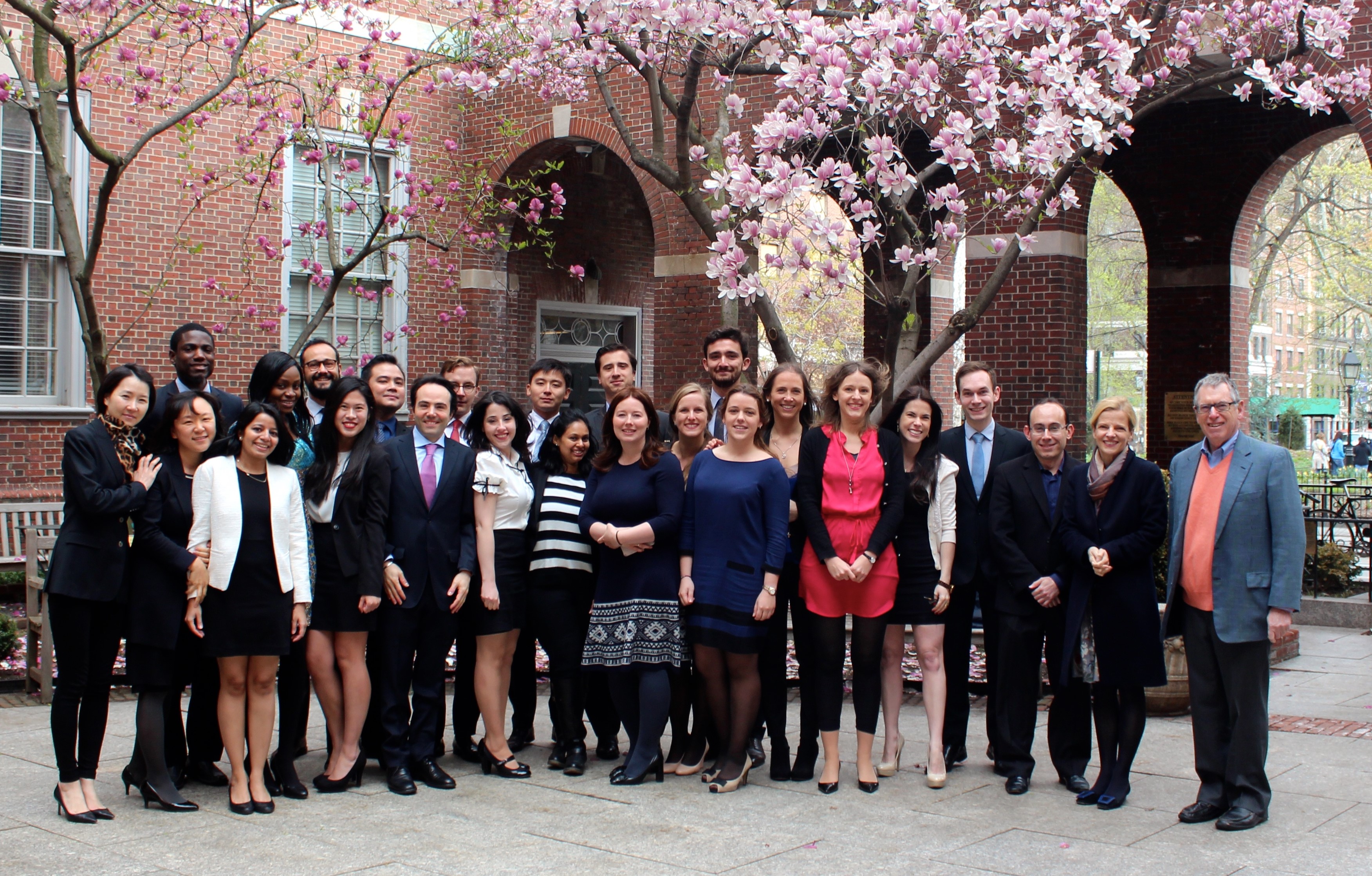
NYU School of Law, situated in the heart of Greenwich Village, remains one of the most prestigious and competitive legal institutions globally. As we move into the 2026-2027 application cycle, the landscape of legal education continues to evolve, emphasizing global perspectives, technological fluency, and social utility. This guide provides an authoritative technical breakdown of the NYU Law School application process, designed for high-achieving candidates seeking to join the Class of 2030.
Technical Note on Institutional Identity This guide focuses exclusively on the Juris Doctor (JD) application for the New York University School of Law. It does not cover the LLM programs or applications for the NYU Stern School of Business or the NYU Wagner Graduate School of Public Service, except where joint-degree programs are specifically mentioned.
Technical Framework of the 2026 NYU Law Admissions Process
The 2026 application cycle is governed by the Credential Assembly Service (CAS) administered by the Law School Admission Council (LSAC). Candidates must navigate a multi-layered digital submission platform that requires precise synchronization of academic transcripts, standardized test scores, and qualitative narratives.
The NYU Law admissions committee employs a holistic review process. This means that while quantitative metrics like the Law School Admission Test (LSAT) or Graduate Record Examination (GRE) scores and Undergraduate Grade Point Average (UGPA) are foundational, they are not the sole determinants. In 2026, the committee places significant weight on "distance traveled"—a metric assessing a candidate's progress relative to their starting socio-economic or personal circumstances—and demonstrated commitment to the legal profession's ethical demands.
Mandatory Components for a Complete 2026 File
To ensure a file is marked as "Complete" and ready for faculty review, applicants must submit the following through the LSAC portal:
- The Electronic Application Form: Comprehensive data entry regarding personal history, family background, and character and fitness disclosures.
- Standardized Test Scores: LSAT scores from the past five years or GRE scores (submitted directly via ETS using NYU Law’s institutional code).
- Credential Assembly Service (CAS) Report: Includes all undergraduate and graduate transcripts, processed and regularized by LSAC.
- Letters of Recommendation: Minimum of two, though NYU Law allows up to three.
- Personal Statement: A narrative of approximately 500 to 750 words.
- Resumé: A technical summary of professional and academic achievements.
- Optional Addenda: Including the "Why NYU Law" essay and specialized scholarship applications.
Critical Deadlines and Admissions Pathways for 2026
Timing is a critical strategic variable in the NYU Law application. The 2026 cycle follows a strict chronological framework that dictates when scholarship priority is highest and when seat availability begins to constrict.
| Application Milestone | Deadline Date (2026-2027) | Decision Notification | Strategic Priority |
|---|---|---|---|
| Early Decision (ED) Round 1 | November 15, 2026 | Late December 2026 | High (Binding commitment) |
| Early Decision (ED) Round 2 | January 1, 2027 | Late February 2027 | High (Binding commitment) |
| Regular Decision (RD) | February 15, 2027 | Rolling (Jan - May) | Moderate |
| Root-Tilden-Kern Scholarship | January 1, 2027 | Varies | Exceptional Public Interest |
| AnBryce Scholarship | January 1, 2027 | Varies | First-Generation Students |
Strategic Advisory on Binding Decisions Candidates applying through the Early Decision (ED) pathway must understand that this is a legally binding agreement. If admitted, the applicant must withdraw all other law school applications and matriculate at NYU Law. This pathway is recommended only for candidates for whom NYU is the definitive first choice regardless of the financial aid package, as the ability to negotiate merit scholarships is significantly diminished in binding rounds.
Quantitative Benchmarks: LSAT, GRE, and UGPA Analysis
For the 2026 cycle, NYU Law maintains its position in the "T6" (top six law schools), which reflects in its rigorous statistical medians. While the American Bar Association (ABA) Standard 509 disclosures for 2026 will be finalized after the matriculation of the current class, the following technical benchmarks represent the targeted range for competitive applicants.
- LSAT Median Projection: 172–174. Scores below the 25th percentile (typically 170) require significant compensatory strengths in the qualitative portions of the file.
- UGPA Median Projection: 3.90–3.96. NYU Law values the rigor of the undergraduate institution and the specific major, though the raw LSAC-calculated GPA remains the primary sorting metric.
- GRE Policy: NYU Law accepts the GRE General Test. However, technical analysis suggests that GRE applicants often need "Splitter" profiles (extremely high GPAs) or exceptional professional backgrounds to compete with the high volume of LSAT applicants.
Holistic Components: Engineering the Narrative
In a sea of high-scoring applicants, the qualitative components function as the differentiator. In 2026, NYU Law seeks candidates who demonstrate "Global Intelligence"—the ability to navigate complex, cross-border legal frameworks and diverse cultural environments.
The Personal Statement: Beyond the Narrative
The personal statement should not be a prose version of the resumé. Instead, it must function as a technical demonstration of written advocacy. The most successful 2026 applications focus on a specific pivot point or intellectual realization that underscores the candidate's readiness for the rigors of legal analysis. Avoid clichés regarding "wanting to help people" and instead focus on specific legal problems, policy interests, or professional experiences that illustrate analytical depth.
The Resumé: Professional Precision
NYU Law prefers a one-page resumé unless the candidate has more than five years of professional experience. For the 2026 cycle, ensure that descriptions of internships or jobs emphasize "Impact Metrics." Instead of listing duties, list outcomes. For example, "Researched litigation strategies" is less effective than "Drafted three memoranda on tort liability that informed senior counsel's strategy in a $2M settlement negotiation."
Letters of Recommendation (LOR)
Technical accuracy in LORs is paramount. At least one letter should be academic, preferably from a professor who can speak to the candidate’s ability to parse complex texts and contribute to seminar-style discussions. Professional letters are acceptable for those several years out of school, but they must address "lawyerly" traits: attention to detail, ethical judgment, and writing proficiency.
Specialized Scholarships and Program-Specific Applications
NYU Law is home to some of the most prestigious full-tuition scholarships in the world. These require additional essays and have earlier deadlines.
Root-Tilden-Kern (RTK) Public Interest Scholarship The RTK program is the nation's premier public interest law scholarship. Applicants must demonstrate a history of service and a concrete plan to practice in the public sector. The 2026 essay requires a 500-word statement detailing the applicant's vision for social change through the law.
AnBryce Scholarship Program This program supports students who are among the first in their families to attend graduate school and who have faced significant socio-economic challenges. The application requires a narrative detailing how the applicant has overcome adversity and how they intend to use their legal education to mentor others.
Furman Academic and Furman Public Policy Scholars Targeted at students who wish to pursue careers in legal academia or high-level policy making. These programs provide specialized faculty mentorship and research stipends. Candidates must demonstrate exceptional research potential and a desire to contribute to legal scholarship.
Navigating the Character and Fitness Section
The Character and Fitness (C&F) portion of the application is a technical disclosure requirement. Failure to disclose even minor infractions (such as undergraduate disciplinary warnings or traffic violations) can result in a denial of admission or, more severely, issues with Bar Admission in the future.
In 2026, NYU Law emphasizes full transparency. If an applicant has a disclosure to make, it should be presented as a concise, non-defensive addendum that takes full responsibility for the event and details the subsequent growth or resolution. The committee is generally forgiving of minor, isolated incidents that occurred years prior, but they are unforgiving of perceived dishonesty or a lack of candor.
Financial Realities and Cost of Attendance for 2026
Living in New York City while attending a top-tier law school involves significant financial planning. For the 2026-2027 academic year, the estimated total cost of attendance (including tuition, fees, housing, and NYC cost-of-living adjustments) is projected to exceed $115,000 per year.
While NYU Law offers robust merit-based and need-based aid, many students utilize the federal Direct Unsubsidized Loan and Direct Graduate PLUS Loan programs. Applicants should also investigate NYU's Loan Repayment Assistance Program (LRAP), which is one of the most generous in the country for graduates entering qualifying public interest or government employment.
Frequently Asked Questions
Does NYU Law offer interviews as part of the 2026 application process? No, NYU Law does not typically conduct evaluative interviews for the JD program. The written application serves as the sole basis for the admissions decision. However, some specialized scholarship committees may require an interview as a final stage of the selection process.
Can I submit a "Why NYU Law" addendum even if it isn't required? Yes, and for the 2026 cycle, it is highly recommended. A brief, 250-word addendum that specifies why NYU’s unique offerings (such as its 40+ legal clinics, the Brennan Center for Justice, or its Global Choice program) align with your career goals can provide the committee with a clearer picture of your "fit" for the institution.
How does NYU Law view multiple LSAT scores? NYU Law primarily considers the highest LSAT score in accordance with ABA reporting guidelines. However, if there is a discrepancy of more than five or six points between takes, it is technically prudent to include a brief addendum explaining the variance (e.g., illness during the first exam or a significant change in preparation strategy).
Is work experience required for admission in 2026? While not strictly required—NYU does admit "K-JD" (Kindergarten through JD) applicants—approximately 75-80% of the entering class in 2026 will have at least one year of post-undergraduate experience. Professional experience often provides the maturity and perspective that the admissions committee finds valuable in classroom contributions.
When is the best time to submit my application? To maximize the probability of admission and scholarship consideration, aim to submit your application by late October or early November, even if applying Regular Decision. While the deadline is February 15, the "rolling admissions" nature of the process means that seats are filled as the cycle progresses, making it technically more difficult to secure a spot in the later months.
Final Strategic Summary for Prospective Applicants
Success in the NYU Law application for 2026 requires a fusion of high-level quantitative achievement and sophisticated narrative positioning. Applicants must present themselves not just as students, but as future legal professionals capable of handling the intellectual and ethical complexities of the 21st-century legal landscape. By adhering to the technical requirements of the LSAC CAS, meeting early deadlines, and articulating a clear, impact-driven "Why NYU" narrative, candidates can significantly enhance their prospects in one of the most competitive admissions environments in the world.