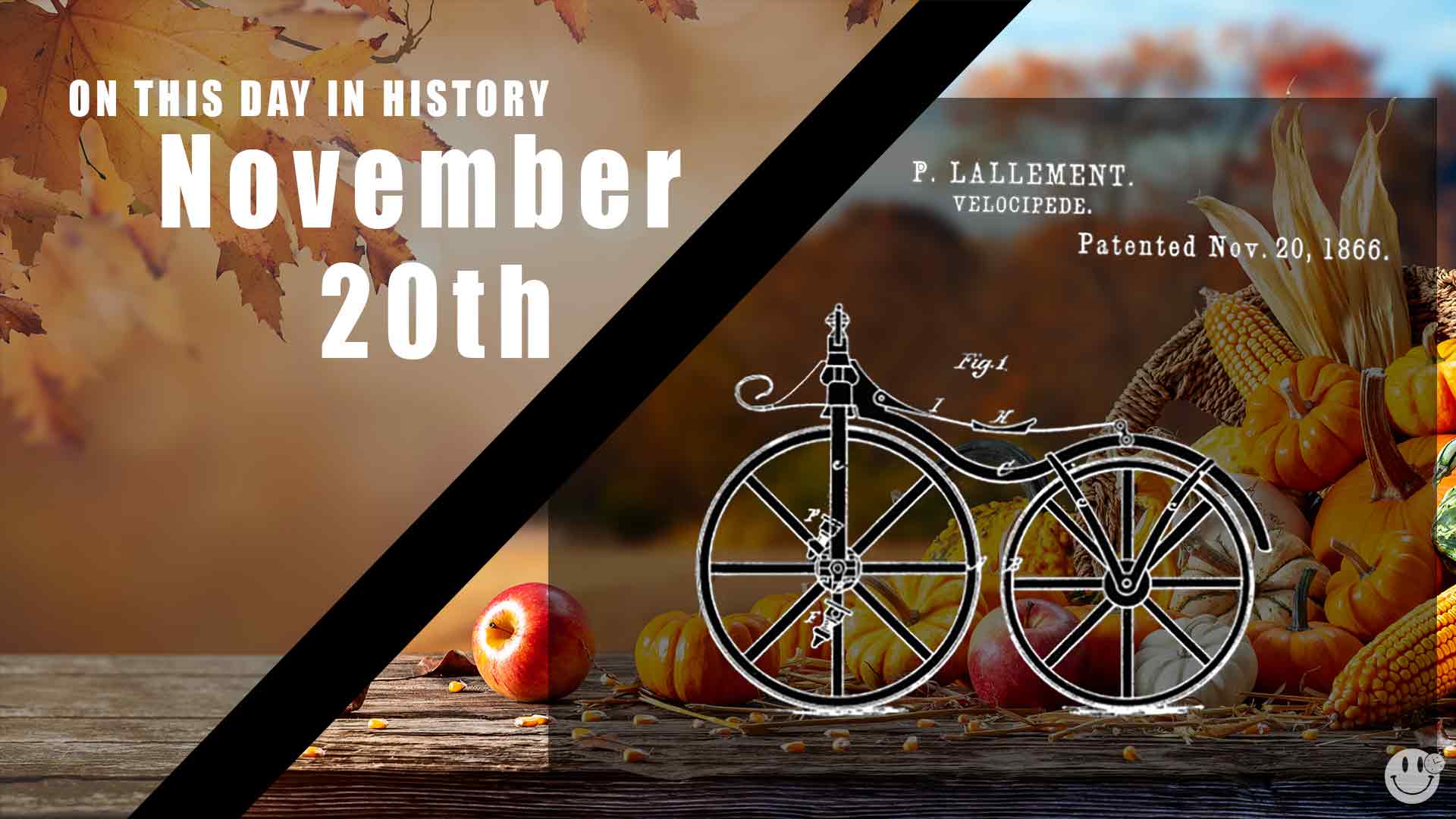
November 20 is a pivotal date on the international calendar, primarily recognized as World Children’s Day, a global day of action for children, by children, established by the United Nations. It also marks the Transgender Day of Remembrance and the anniversary of several transformative historical events, including the start of the Nuremberg Trials and the Mexican Revolution.
The Global Significance of World Children’s Day
World Children’s Day, celebrated annually on November 20, is the United Nations’ premier day of action for children. It commemorates two major milestones in the history of youth rights: the 1959 Declaration of the Rights of the Child and the 1989 adoption of the Convention on the Rights of the Child (CRC). The CRC is the most widely ratified human rights treaty in history, outlining the fundamental rights of every child, including the right to life, health, education, and protection from violence and discrimination.
In 2026, the focus of World Children's Day remains centered on the evolving challenges of the mid-2020s. These include the impact of climate change on future generations, the digital divide in global education, and the mental health crisis affecting adolescents. The day serves as more than just a celebration; it is a call to action for governments, corporations, and parents to listen to children’s concerns and involve them in the decision-making processes that will shape their future world.
Participation typically involves "Kids Takeovers," where children take on high-profile roles in media, politics, and business to voice their opinions. Schools and organizations often use this day to review their safeguarding policies and educational frameworks to ensure they align with the latest international standards for child welfare.
Transgender Day of Remembrance (TDOR)
Parallel to the UN’s observances, November 20 is also the Transgender Day of Remembrance (TDOR). Founded in 1999 by advocate Gwendolyn Ann Smith to memorialize Rita Hester, a transgender woman killed in 1998, the day has grown into an international event. It honors the memory of transgender people whose lives were lost in acts of anti-transgender violence and raises awareness of the ongoing challenges faced by the community.
In 2026, TDOR continues to be a somber and vital day for advocacy. Observances often include candlelit vigils, the reading of names of those lost in the preceding year, and community workshops focused on safety and inclusion. For organizations, it serves as a deadline for reviewing diversity, equity, and inclusion (DEI) policies to ensure that transgender employees and stakeholders are protected and supported within the workplace.
Major Historical Events Occurring on November 20
To understand the weight of November 20, one must look at the historical precedents set on this day. It has repeatedly served as a flashpoint for justice, revolution, and scientific progress.
The Beginning of the Nuremberg Trials (1945)
On November 20, 1945, the International Military Tribunal began its sessions in Nuremberg, Germany. This was a landmark event in international law, marking the first time that high-ranking officials of a state were held legally accountable for war crimes and crimes against humanity. The proceedings established the "Nuremberg Principles," which remain the foundation for the International Criminal Court (ICC) today. The trials demonstrated that "following orders" was not a valid defense for participating in atrocities, a concept that continues to guide legal ethics in 2026.
The Start of the Mexican Revolution (1910)
November 20 is celebrated in Mexico as Día de la Revolución. In 1910, Francisco I. Madero issued the Plan of San Luis Potosí, calling for an armed rebellion against the long-standing dictatorship of Porfirio Díaz. This sparked a decade-long conflict that eventually led to the 1917 Constitution of Mexico, which introduced significant social and land reforms. In 2026, the anniversary remains a public holiday in Mexico, characterized by parades, civic ceremonies, and a reflection on the nation's democratic journey.
Launch of the First ISS Module (1998)
In the realm of science, November 20, 1998, marked the launch of Zarya, the first module of the International Space Station (ISS). Launched from the Baikonur Cosmodrome in Kazakhstan, Zarya provided the initial power, storage, and propulsion for the station. This event transformed space exploration from a competitive "race" into a collaborative international endeavor, proving that multiple nations could work together to maintain a permanent human presence in low Earth orbit.
Comparison of November 20 Observances and Milestones
The following table summarizes the diverse nature of November 20, highlighting why it is a date of such high importance across different sectors of society.
| Event / Observance | Origin Year | Primary Focus | Global Impact |
|---|---|---|---|
| World Children’s Day | 1954 | Rights and welfare of children | Global policy shifts in education and protection. |
| Transgender Day of Remembrance | 1999 | Memorializing victims of violence | Increased visibility and legal protections for gender minorities. |
| Nuremberg Trials Start | 1945 | International justice | Established the precedent for "crimes against humanity." |
| Mexican Revolution | 1910 | Political and social reform | Led to the modern Mexican Constitution and land reforms. |
| ISS Zarya Launch | 1998 | Space exploration | Initiated the most complex international scientific project in history. |
| Queen Elizabeth II Marriage | 1947 | British Royal History | Marked a significant era in the British Monarchy (Wedding to Prince Philip). |
Astrology and the Scorpio-Sagittarius Cusp
For those born on November 20, the date falls near the end of the Scorpio zodiac sign. While traditional dates place the transition to Sagittarius around November 21 or 22, those born on the 20th are often considered part of the "Cusp of Revolution."
In 2026, astrological interpretations emphasize that individuals born on this day often possess the intensity and investigative nature of Scorpio combined with the visionary and truth-seeking qualities of Sagittarius. Professionally, these individuals are often drawn to careers in law, psychology, or social activism—fields that align with the heavy themes of justice and advocacy that permeate the date's history.
Practical Guidance for November 20 Participation
If you are looking to observe or participate in the events of November 20, 2026, consider the following actionable steps:
- For World Children’s Day: Engage with UNICEF’s global campaigns. Schools can download educational toolkits that explain child rights to students. Corporations should use this time to verify their supply chains for ethical labor practices.
- For TDOR: Attend a local vigil or support organizations like GLAAD or the Human Rights Campaign. Education is key; reading about the history of the transgender rights movement helps foster a more inclusive environment.
- For Educators and Historians: Use the anniversary of the Nuremberg Trials to discuss international ethics and law. The start of the trials offers a concrete case study for students studying 20th-century history or legal theory.
- For Civic Engagement in Mexico: Observe the local regulations for the public holiday. In Mexico, this is often a "bridge" weekend (puente), affecting banking hours and government services.
Common Misconceptions About November 20
It is often mistakenly believed that World Children's Day is the same as "International Children's Day." While World Children's Day is the UN-sanctioned date (Nov 20), many countries celebrate their own versions on June 1 or other dates. It is important to distinguish the UN date as the specific anniversary of the Convention on the Rights of the Child.
Additionally, some people confuse the start of the Nuremberg Trials with their conclusion. The trials began on November 20, 1945, but lasted nearly a year, concluding on October 1, 1946. Understanding this timeline is crucial for accurate historical research and legal analysis.
FAQ
Why is World Children’s Day held on November 20?
The date was chosen because it marks the anniversary of the UN General Assembly adopting the Declaration of the Rights of the Child in 1959 and the Convention on the Rights of the Child in 1989. It serves as a specific reminder of these legal commitments to youth.
Is November 20 a public holiday?
In Mexico, it is a national public holiday (Revolution Day). In most other parts of the world, it is an international "observance" rather than a public holiday, meaning businesses and schools remain open, though many hold special events.
How can I support the Transgender Day of Remembrance?
Support can be shown by participating in vigils, educating oneself on trans issues, and donating to organizations that provide legal and safety resources to the transgender community. Respecting preferred pronouns and advocating for inclusive policies in your own workplace are also effective actions.
What happened in the Nuremberg Trials on the first day?
On November 20, 1945, the trial opened with the reading of the indictments against 24 major war criminals and several organizations. The primary focus was the "Conspiracy to Commit Crimes Against Peace," which set the stage for the testimony that followed.
Which zodiac sign is November 20?
November 20 is officially the sign of Scorpio. It is late in the Scorpio season, leading into the Sagittarius transition that typically occurs around November 22.
Next Steps for November 20, 2026
As November 20 approaches in 2026, the most effective next step is to align your participation with the theme of Advocacy and Remembrance. If you are a business leader, review your child labor and gender identity policies to ensure they meet modern ESG (Environmental, Social, and Governance) standards. If you are an educator, prepare materials that bridge the gap between the historical lessons of the Nuremberg Trials and the contemporary rights outlined in the Convention on the Rights of the Child.
By recognizing the dual nature of this day—both its celebrations of life and its solemn reminders of the need for justice—individuals and organizations can contribute to a more informed and equitable global society.